
Taming the Untamable: A Behavioral Approach to Gaining Trust
Have you ever felt a pang of disappointment when your mouse darts away, leaving you wondering if you’ll ever bridge that gap of fear? I’ve faced those moments too, and through caring for mice like the bold Kenny and patient Gregory, I’ve refined a behavioral method that turns skittishness into steady trust. This guide offers a clear, step-by-step solution to help you build a genuine bond, transforming uncertainty into confident companionship.
We’ll explore how to use positive reinforcement effectively, read subtle body language cues, and create a safe space that encourages interaction, giving you the tools to foster a deep, trusting relationship with your mouse.
Understanding Mouse Psychology and Body Language
To truly connect with a mouse, you must first learn to see the world through their delicate whiskers. Mice are prey animals by nature, which means their default setting is cautious observation, not instant friendship. Every new scent, sound, and sight is first evaluated for potential danger. I’ve spent countless quiet moments just watching my trio, and it’s from this stillness that I began to understand their silent conversations.
The Unspoken Vocabulary of a Mouse
Their bodies are constantly communicating their emotional state. Learning this language is your first and most crucial step.
- Relaxed and Curious: Ears forward, whiskers twitching rhythmically, moving with a slow, investigative gait. This is when Kenny will tentatively approach a new object.
- Anxious or Stressed: Rapid, jittery movements, freezing in place, or frantic grooming. You might see Jeffery exhibit this if a sudden loud noise occurs.
- Content and Safe: A mouse that is softly bruxing (grinding its teeth, creating a gentle purring vibration) or boggling (their eyes rhythmically bulging in and out) is a truly happy mouse. I often see Gregory do this during a particularly satisfying nap.
- Fearful or Defensive: A mouse will press its body flat against the ground to appear smaller. They might also let out a sharp, high-pitched squeak, a clear signal to back off and give them space.
Recognizing these subtle cues allows you to respond appropriately, building a foundation of mutual respect rather than forcing interaction. Pushing a mouse that is showing clear signs of fear will only reinforce their belief that you are a threat. Consult a stress mice visual behavioral guide to learn common stress cues at a glance. Using the guide helps you adjust your handling to minimize distress and promote calmer interactions.
Building Trust Through Consistent and Empathetic Behavior
Trust with a mouse is not given; it is meticulously earned in tiny, daily increments. Your patience and predictability are the most valuable tools in your taming toolkit. Think of yourself not as a giant hand reaching from the sky, but as a steady, benevolent part of their landscape. This is exactly the kind of guidance you’ll find in a complete guide to taming a scared, skittish mouse. It lays out gentle, repeatable steps you can trust day after day.
The Gentle Progression of Friendship
Rushing this process is the most common mistake. Follow these steps, allowing your mouse to set the pace.
- Become a Calm Presence: Start by simply sitting near their habitat during your quiet time. Read a book or talk to them in a soft, low voice. Let them grow accustomed to your scent and sound without any pressure.
- The Scent Introduction: Place a clean, unscented tissue or a piece of soft fabric in your sleeve for an hour, then leave it in their enclosure. This associates your unique scent with the safety of their nest, a powerful first connection.
- Offer Tribute with an Open Hand: Once they seem curious about your presence, offer a high-value treat like a small piece of unsalted sunflower seed or a bit of plain cooked pasta on your open, flat palm. A clenched fist can look like a predator. Hold still and let them decide to approach.
- Respect the Retreat: If they snatch the treat and run away, celebrate that as a victory! Do not try to grab them. They need to learn that interaction with you is always their choice and always ends positively.
- Graduated Interaction: After they willingly take food from your hand, you can try gently stroking their back with one finger as they eat. The next step might be encouraging them to walk onto your hand to retrieve the treat.
The single most important rule is to end every session on a positive note, even if that note is simply them taking a single nibble before retreating. Consistency builds the predictable environment where their natural curiosity can finally, safely, overcome their instinctual fear. I’ve found that my calm, steady routine is what eventually won over even my most hesitant mouse, proving that quiet persistence speaks louder than any grand gesture.
A Step-by-Step Behavioral Taming Process

Observing and Assessing Initial Trust Levels
Before you make a single move, your first and most vital task is to simply sit and watch. Your mouse’s baseline behavior when you are present is the truest map you have to their internal world. A mouse that freezes completely is broadcasting a different level of fear than one who peeks from a hideout or one who cautiously sniffs the air. I spend at least fifteen minutes daily just observing my trio; Kenny’s bold dashing tells me he’s ready for interaction, while Jeffery’s twitchy hesitation from across the cage signals he needs more quiet time.
- The Hider: Stays completely concealed, may not even eat treats while you are visible. This mouse requires immense patience and a slow, quiet approach.
- The Observer: Watches you from a safe distance, may sniff the air and twitch its whiskers. This is a promising sign of cautious curiosity.
- The Explorer: Goes about its business, grooming, nesting, or even eating with you in the room. This mouse is likely ready for the next step in your bonding journey.
Using Food and Positive Reinforcement
Food is not just a bribe; it is the universal language of trust between you and your rodent companion. The goal is to transform your presence from a scary event into a predictable source of wonderful things. Start by placing a high-value treat, like a small piece of walnut or a sunflower seed, near your mouse’s favorite hide. Do not wait for them to take it; just leave it and retreat. I do this every evening at the same time, and now Gregory waits by the cage door, his steady demeanor showing he anticipates our ritual.
- Treat and Retreat: Place the treat and immediately walk away. This builds a positive association without pressure.
- The Open Palm Offer: Once they readily take the left-behind treats, rest your open, flat palm with a treat in the center of the cage. Stay perfectly still.
- The Hand Sniff: Your mouse will eventually venture onto your hand to retrieve the food. Let them explore and leave at their own pace.
- Palm Walking: Encourage them to walk across your open palm to get from one side of the cage to another, using treats as a guide.
Progressing to Handling and Social Interaction
This final stage is where fleeting moments of contact blossom into a genuine relationship. Lifting a mouse for the first time should feel less like a capture and more like an invitation they choose to accept. Use a small, empty toilet paper tube or a cupped hand to let them walk into the lifting device themselves, rather than being scooped from above. My impulsive Kenny was the first to master this, often hopping into my cupped hands with an excitable energy, while Jeffery still prefers the security of his cardboard taxi.
- Start Low: Begin all handling sessions inside the cage or just a few inches above a soft, safe surface like a bed.
- Keep it Brief: Initial handling sessions should last no more than a minute or two to prevent stress.
- Follow Their Lead: If your mouse struggles or seems anxious, return them to their home immediately. Ending on a positive note is everything.
- Create a Routine: Mice thrive on predictability. A consistent, gentle handling routine builds a foundation of security.
Reading and Responding to Mouse Communication Cues
Mice are not silent creatures; they speak volumes through a complex language of posture, sound, and movement. Learning to interpret this subtle vocabulary is the key to moving from a caretaker to a trusted friend. A happy, relaxed mouse will often perform a behavior called “bruxing,” where they grind their teeth together, creating a soft, purring vibration you can sometimes feel if you hold them. It’s the mouse equivalent of a contented cat’s purr. So, do mice communicate? They do—through a rich tapestry of vocalizations, body language, and movement that tell other mice (and attentive humans) how they feel.
- Bruxing and Boggling: Rhythmic tooth grinding, often accompanied by their eyes vibrating or “boggling” in and out. This is the ultimate sign of a content and comfortable mouse.
- Grooming in Your Presence: If your mouse stops to groom itself while near you, it feels secure enough to let its guard down. This is a huge compliment.
- High-Pitched Squeaking: Brief, sharp squeaks often signal fear or protest. If you hear this during handling, it is a clear request to be put down.
- Upright, Tense Posture: A mouse standing stiffly on its hind legs with ears pinned back is assessing a threat. Freeze your movements and speak softly to reassure them.
- Gentle Nibbling: Exploratory nibbles on your fingers are normal; they are testing what you are. A hard, painful bite is a definite “no” and means you have moved too fast.
Overcoming Trust Issues and Stalled Progress
You might notice your mouse suddenly retreating or refusing treats after weeks of steady improvement. This setback is a normal part of the bonding process and often stems from a minor fright or a change in routine. If your pet is dealing with fear and anxiety, gentle, patient steps can help rebuild trust over time. Small, calm interactions—short sessions, a soft voice, and familiar textures—are often more effective than forcing contact. I’ve seen it with my own mice, like when a loud noise made Jeffery, who is naturally anxious, hide for days. The key is not to force interactions but to patiently reset your approach.
Identifying the Root of the Hesitation
Mice communicate discomfort through subtle body language. Watch for flattened ears, rapid grooming, or signs related to grooming or a refusal to leave the nest as clear indicators that your mouse feels unsafe. These signs mean your furry friend needs a step back, not a push forward. Sometimes, the cause is environmental, like a new scent in the room or a recent cage cleaning that removed their familiar smells.
- Sudden avoidance of your hand or favorite treats.
- Increased hiding or burrowing deeper into bedding.
- Excessive scratching or grooming when you are near.
- A tense, frozen posture instead of curious sniffing.
Strategies to Rebuild Broken Trust
When progress stalls, return to the basics with even more patience. I find that leaving a worn t-shirt near the cage for a day or two helps re-familiarize a nervous mouse with my scent in a non-threatening way. This method worked wonders for Jeffery after his scare, as he slowly started associating my smell with safety again before any physical contact resumed.
- Reduce handling to just sitting near the open cage for 10-15 minutes daily.
- Offer high-value treats like a tiny bit of unsweetened cereal from a spoon.
- Speak in a soft, consistent tone during all interactions.
- Avoid direct eye contact, which can be perceived as predatory.
- Celebrate tiny victories, like a single sniff, as major progress.
Maintaining Long-Term Trust and Rapport
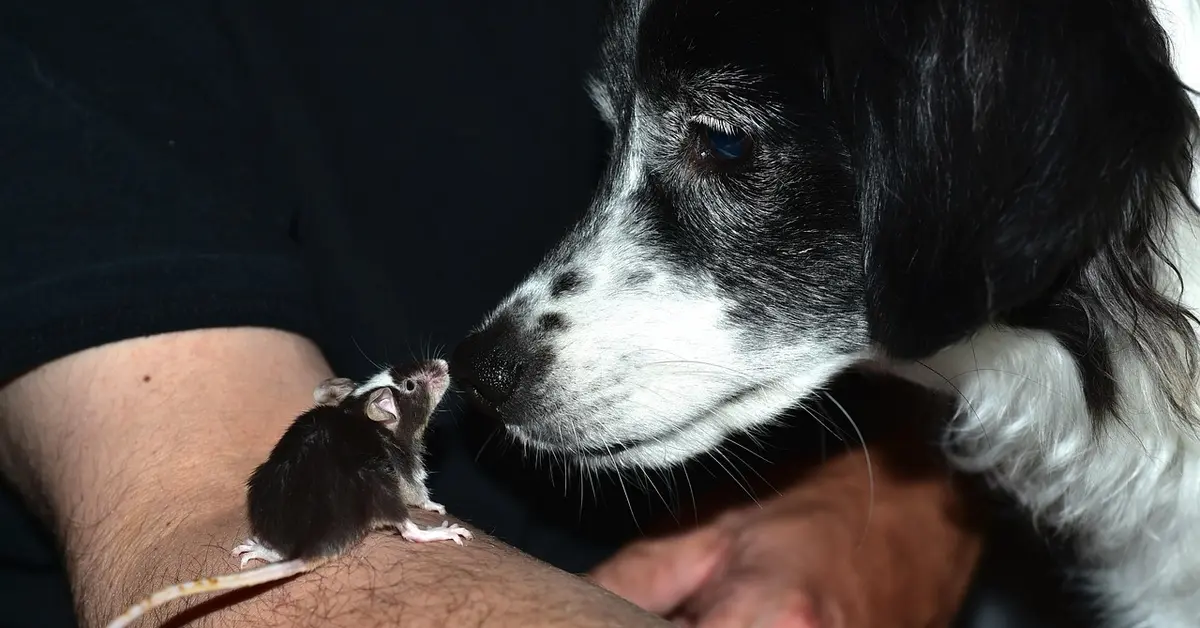
Building trust is an achievement, but keeping it requires daily mindfulness. Consistency in your care routine is the single most important factor for a lasting bond with your mouse. My older mouse, Gregory, thrives on predictability; he becomes noticeably grumpy if his evening treat is late. Your mouse will come to see you as a reliable source of comfort and good things. In a mouse quality life framework, daily care and enrichment are planned to maximize wellbeing. This practical approach helps translate trust into tangible welfare outcomes.
Daily Habits for a Strong Bond
Incorporate small, positive interactions into your regular schedule. Gentle handling for just a few minutes each day reinforces that your presence means safety and fun. I make it a point to let Kenny, my adventurous one, explore my hands and arms in a secure play area every evening. This routine satisfies his curiosity while strengthening our connection.
- Keep feeding times consistent to build rhythmic trust.
- Introduce new toys or tunnels weekly to prevent boredom.
- Use the same verbal cue, like a soft whistle, before offering treats.
- Respect their sleep cycle by interacting during their active hours.
- Monitor their health closely, as discomfort can erode trust quickly.
Enrichment That Deepens Your Connection
Mice are intelligent creatures who need mental stimulation to stay engaged. Creating simple foraging puzzles with hidden treats encourages your mouse to interact with you as a partner in play. This is one of the 10 DIY foraging puzzles designed to make your mouse think. Trying a few different setups keeps him curious and engaged. I often hide Jeffery’s favorite berry crumbs in a small paper tube; his triumphant finds make him more confident and eager for our next session. This shared activity turns routine care into a joyful collaboration.
- Rotate toys and climbing structures to keep the environment fresh.
- Hand-feed a special treat at least once a week to maintain positive associations.
- Allow supervised exploration in a mouse-proofed area to build mutual confidence.
- Observe their preferences-some mice love gentle chin scratches, while others prefer just sitting on your shoulder.
Frequently Asked Questions
What daily behaviors can I practice to build trust with my mouse?
Focus on being a predictable and calming presence by maintaining a consistent routine, such as approaching the cage slowly and speaking in a soft, reassuring tone during interactions. Avoid sudden movements and always respect their boundaries, which helps reinforce that you are a safe part of their environment. Over time, this reliability encourages your mouse to associate you with positive experiences, laying a solid foundation for trust.
How can I help a mouse with deep-seated trust issues learn to trust me?
Begin by creating a low-stress environment where the mouse feels in control, such as allowing them to initiate contact and providing hiding spots for security. Use gradual desensitization by spending quiet time near their habitat and offering high-value treats from a distance, celebrating even small signs of curiosity as progress. This patient, non-threatening approach helps rebuild confidence without overwhelming them, addressing their underlying fears.
What steps can I take to strengthen the trust bond in my relationship with my mouse?
Engage in regular, positive interactions like hand-feeding special treats or participating in enrichment activities, such as guiding them through foraging puzzles, to make your presence rewarding. Pay close attention to their individual preferences and body language, adapting your approach to suit their comfort level, which fosters mutual understanding and deepens your connection over time.
Your Path Forward
Building trust with a mouse is a quiet conversation, built not with grand gestures but with countless small, gentle moments. The most profound progress is often found in the space between a hesitant sniff and a confident climb onto your open hand. It’s a journey that teaches you more about patience and observation than you ever thought possible. As you nurture that trust, you may wonder: do mice recognize their owners? Many mice show preference for familiar people, responding to scent and voice.
Remember that every mouse is an individual, and their timeline for trust is theirs alone. Celebrate the tiny victories-the first time they take a treat without flinching, the moment they groom themselves in your presence-as the monumental successes they truly are. Your quiet dedication will be rewarded with a unique and deeply satisfying bond. In a mouse social behavior guide, you’ll learn how solitary tendencies can evolve into gentle social bonds. Tailor your approach to each mouse as their trust grows.
Further Reading & Sources
- Trust (social science) – Wikipedia
- Differentiating Behavioral Trust and Trustworthiness Beliefs to Improve Science Communication Practice and Research – ScienceDirect
- Trust – BehavioralEconomics.com | The BE Hub
Isabella is a passionate small pet enthusiast with over 8 years of experience in caring for mice. She loves sharing practical tips and heartfelt stories to help fellow mouse owners provide the best care for their tiny companions.
Training Techniques