
Your Mouse is Expecting: A Guide to the Birth Process
Is your mouse’s belly growing rounder by the day, leaving you wondering what to do next and how you can best support her? This guide will walk you through the entire journey, from the subtle early signs to the moment the last pup arrives, giving you the confidence to provide calm, knowledgeable care.
We will cover the unmistakable physical and behavioral changes in the days leading up to birth, followed by a step-by-step breakdown of the active labor and delivery stages, so you know exactly what is normal and when to simply observe.
Recognizing the Signs of Impending Labor
As your mouse nears labor, her body and habits shift in ways you can easily spot with a watchful eye. Noticing these clues helps you provide a calm, supportive environment when she needs it most.
- Nesting behavior intensifies as she gathers soft bedding, paper, or fabric to build a secluded, cozy spot. You might see her rearranging materials repeatedly, a sure sign she’s preparing a safe space for her pups.
- Abdominal dropping occurs when the belly appears lower and more pendulous, signaling the pups are settling into birth position.
- Loss of the mucus plug presents as a small, jelly-like discharge, often clear or tinged with blood, indicating labor could begin within hours.
Early labor brings subtle shifts like restlessness and a reduced interest in food. Your mouse may pace her enclosure, pause frequently, or seem unable to get comfortable, all while eating less than usual. These behaviors are among the key signs in a visual guide to stress in mice. Recognizing them helps you respond quickly to your mouse’s needs. In my own experience, mice like Kenny—normally bold and curious—can become unusually focused on nest-building, ignoring their favorite treats as labor approaches.
The Stages of Mouse Parturition
First Stage: Latent Labor and Cervical Dilation
This initial phase involves internal changes that set the stage for delivery. Contractions begin mildly and irregularly, often unnoticed, while the cervix gradually softens and opens.
- Onset of contractions may cause slight trembling or restlessness, though visible signs are subtle.
- Cervical changes include dilation and effacement, processes you can’t see but might infer from her behavior, like frequent grooming of her genital area.
- Identify this phase by watching for isolation, increased licking, or a hunched posture as she focuses inward.
Second Stage: Active Labor and Delivery
Active labor is when the real action happens, with pups making their entrance into the world. You’ll observe clear physical efforts as she works to bring each newborn into the nest.
- Pushing involves visible straining, arching of the back, and strong abdominal contractions to move pups through the birth canal.
- Crowning occurs briefly as a pup’s head or body emerges at the vulva, often followed quickly by the rest of the body.
- Rupture of the amniotic sac may happen before or during delivery, releasing fluid that the mother typically cleans up promptly.
- Birth of pups usually proceeds rapidly, with each newborn arriving within minutes, and the mother immediately licking them to stimulate breathing.
Third Stage: Afterbirth and Placenta Expulsion
After the pups are born, the mother completes the process by expelling placentas and tending to her new family. During the first three weeks, she nurses, keeps them warm, and bonds with her pups. This stage is vital for her recovery and the health of the litter.
- Delivery of placentas follows each pup, and it’s common for the mother to consume them for nutrients, which is natural and beneficial.
- Maternal behavior shifts to intensive cleaning of pups and herself, along with nursing to provide colostrum and milk.
- Cleaning involves removing birth fluids and arranging the nest, ensuring a tidy, warm environment for the newborns.
Preparing for the Birth: Setting Up the Maternity Ward
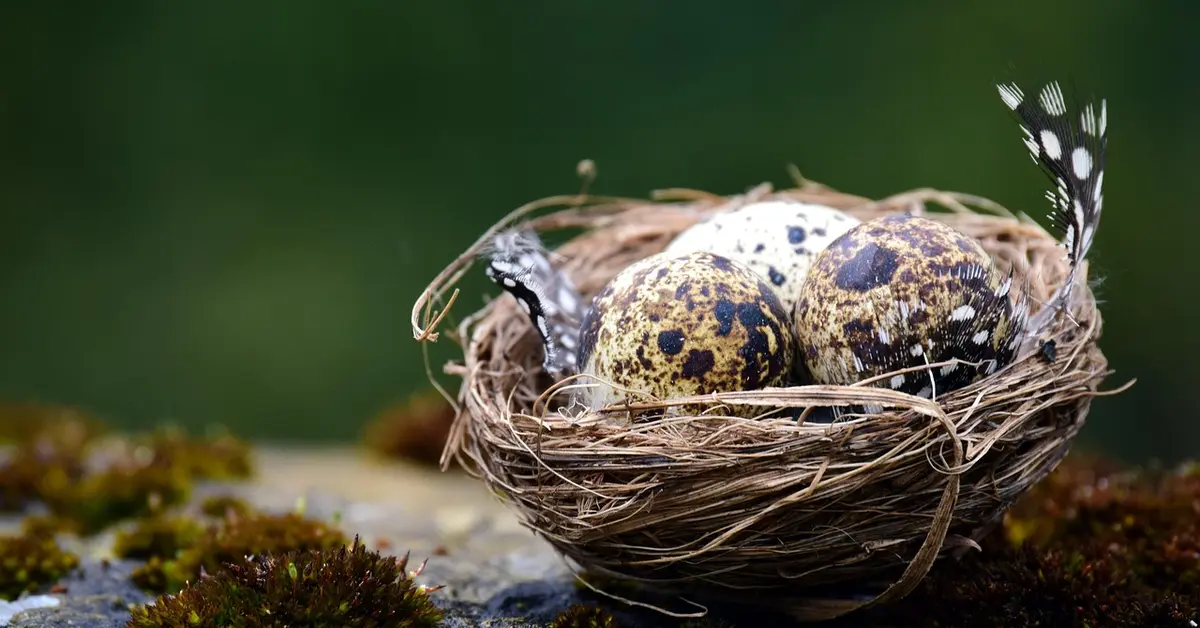
Getting the nursery ready is one of the most tangible and helpful things you can do for your expecting mouse. A thoughtfully prepared space directly supports her instincts to nest and protect her future litter. I’ve found that a calm, prepared mother mouse is far more likely to have a smooth birthing experience. Using a week-by-week guide to mouse pregnancy can help you time the nest setup for maximum comfort. This planning keeps you aligned with the expected milestones and eases stress for mom and pups.
The Perfect Cage Setup
Your primary goal is to create a secure, quiet, and comfortable environment. Start these changes at least a few days before she is due to allow her to settle in.
- Location is everything: Move the cage to the quietest room in your home, away from televisions, loud appliances, and high-traffic areas.
- Upgrade the bedding: Provide a deep layer of a safe, absorbent, and shreddable bedding like paper-based strips or aspen shavings. She will use this to construct her nest.
- The essential hide: A small, fully enclosed hideout is non-negotiable. I prefer ceramic or solid plastic igloos that offer total darkness and security inside.
- Remove hazards: Take out any tall climbing toys, wheels, or unstable platforms to prevent injury to her or the newborns.
Essential Supplies for Nesting
Giving her the right materials empowers her to follow her natural building instincts. Providing soft, safe nesting material helps ensure the pups will be kept warm and hidden.
- Unscented, dye-free paper towels or tissues, torn into strips.
- Commercial nesting material made specifically for small pets.
- Avoid cotton or fluffy bedding, as the fine threads can tangle around tiny limbs and cause severe injury.
Creating a Stress-Free Sanctuary
Minimizing stress is the single most important factor for a successful birth.
- Respect her privacy: Once her nest is built, cover three sides of the cage with a light cloth or towel to simulate a burrow.
- Minimize disturbances: Limit cage cleaning in the days leading up to the birth. Speak in hushed tones near her cage and avoid sudden movements.
- Easy access to food and water: Place her food bowl and water bottle close to her hide. I often use a shallow dish for water as a backup, ensuring she doesn’t have to strain or travel far to drink.
What to Do During Labor and Delivery
When the big day arrives, your role shifts from preparer to quiet observer. Trusting in her innate abilities is the greatest gift you can give her during this process. Nature is remarkably efficient, and most deliveries proceed without a hitch.
The Do’s and Don’ts for Owners
Your actions (or lack thereof) can make all the difference.
- DO observe from a distance. Watch for general progress without hovering directly over the cage.
- DO keep the room warm and draft-free. A slight increase in ambient temperature can be comforting.
- DON’T attempt to handle her or assist with the birth. Your interference will likely cause more stress and could disrupt the process.
- DON’T try to clean the cage or change bedding. Leave everything exactly as it is for at least the first week after the pups arrive.
Monitoring Progress and Normal Signs
Labor can be surprisingly quick, often lasting only an hour or two. A healthy delivery is typically quiet and efficient, with the mother cleaning each pup immediately. After birth, baby mice typically begin to explore outside the nest at about three weeks old. They gradually learn to forage and stay near familiar shelter as they grow.
- You may notice her stretching, arching her back, or grooming her genital area frequently.
- She will likely remain inside her nest box for the duration.
- The pups will be born in quick succession, each enclosed in a sac which the mother will gently break open and clean away.
Signs of Potential Issues
While most births are straightforward, it’s wise to know the red flags. Prolonged, visible straining for more than an hour without producing a pup is a clear sign that something is wrong. Complications during breeding and birth can be risky and require veterinary assistance.
- Obvious signs of pain or distress, like loud, continuous squeaking.
- Active labor that stops for more than two hours while pups are still visibly present.
- Bleeding from the birth canal that is more than a few spots.
If you observe any of these issues, contacting an exotics veterinarian immediately is your only course of action. Do not attempt any intervention yourself. Your calm presence and preparedness are the best support system she has.
Postpartum Care for Mother and Pups
Caring for the Mother Mouse
Your mouse has just completed an incredible feat, and her needs will shift dramatically. Her primary focus will be on her new pups, and your primary job is to support her completely so she can do that. If the pups are orphaned, your role becomes essential in raising them and helping them thrive. You’ll provide warmth, gentle care, and steady attention as they grow.
- Postpartum Behaviors: A healthy mother will be intensely focused on her nest. She will spend most of her time curled around the pups, nursing and grooming them. It’s normal for her to seem more reclusive and less interested in play. She may also eat the placenta; this is a natural behavior that provides nutrients and helps clean the nest.
- Nutritional Needs: Her body is working overtime to produce milk. I always provide a constant, generous supply of a high-protein diet, such as a good quality lab block, supplemented with small bits of scrambled egg, cooked chicken, or mealworms. Fresh water is absolutely critical, as dehydration can quickly impact milk supply. I noticed my mouse, Gregory, became far more interested in his water bottle after his mate gave birth.
- Signs of Recovery: A well-recovering mother will maintain a good appetite and drink frequently. Her energy will be directed inward, but she should not appear lethargic or weak when she does move to eat or drink. Her coat should remain clean, and she will gradually resume some of her normal self-grooming habits within a couple of days.
Handling the Newborn Pups
Your instinct will be to look at and touch the tiny, hairless newborns, but restraint is your greatest tool here. The first 48 to 72 hours are the most delicate, and minimizing stress for the mother is paramount for the pups’ survival. Always check on the pups without disturbing the mother—observe from a distance first. If you must intervene, keep handling brief and return them to the nest promptly.
- How to Check for Health: Observe from a distance. Healthy pups will be nestled together in a warm pile, and you should see slight wiggling movements. You can do a quick visual check when the mother is away from the nest eating. Look for a plump, milk-filled white band across their pink bellies, a sure sign they are nursing well.
- Avoiding Disturbance: Resist the urge to touch the pups with your bare hands for at least the first week. If you absolutely must move a pup that has been dragged from the nest, use a clean spoon. Excessive handling can cause the mother stress, and in rare cases, may lead to abandonment or cannibalism. Keep the cage in a quiet, low-traffic area.
- Supporting Early Nursing: Ensure the nest is secure, warm, and in a dark corner of the cage. Provide an abundance of safe, soft nesting material like unscented paper strips or tissues. A peaceful, stable environment gives the mother the confidence to nurse her litter consistently and effectively.
Potential Complications and When to Seek Help
While most mouse births proceed smoothly, being prepared for potential problems can make all the difference. Trust your intuition; you know your mouse’s normal behavior better than anyone. In a mouse quality life framework, ongoing welfare monitoring and timely intervention help ensure a high standard of living. Prioritizing comfort, enrichment, and prompt care keeps the mouse thriving across its lifetime.
- Prolonged Labor: Active labor that continues for more than an hour without a pup being born is a major concern. The mother may appear to be in visible distress, straining constantly.
- Significant Bleeding: A small amount of blood around the time of birth is normal. Any more than a few drops, or continuous bleeding afterward, is an emergency.
- Retained Placenta: If you suspect she has not passed all the placentas after 12-24 hours, she is at risk for a serious infection. Signs include lethargy, loss of appetite, and a foul-smelling discharge.
- Mastitis: This is an infection of the mammary glands. The teats will appear red, swollen, hard, and may be painful to the touch. The mother may refuse to let the pups nurse.
- Neglect of Pups: If the mother is consistently away from the nest, not nursing, or if you find cold pups scattered away from the heat of the group, she may be rejecting them.
If you observe any of these warning signs, your immediate step should be to contact an exotic veterinarian. Describe the symptoms clearly and follow their advice. Time is often critical in these situations. For less urgent concerns, a vet visit within 24 hours is a safe rule. It is always better to seek professional guidance than to hope a serious problem will resolve on its own. To find an exotics vet for a mouse, search for an exotic pet veterinarian in your area or ask a local shelter for recommendations. A mouse-exotics specialist can offer targeted advice and quicker access to care.
Frequently Asked Questions
What timelines should we plan for essential milestones during the pregnancy?
Mouse pregnancy typically lasts about 19-21 days, with key milestones to watch for. In the first week, you might notice slight weight gain and increased appetite, but major changes become apparent in the final week, such as a visibly rounded abdomen and the start of nesting behavior around days 17-19. By day 19, labor signs like restlessness and abdominal dropping often begin, signaling that birth is imminent within 24-48 hours, so it’s crucial to have the maternity cage fully prepared by this point.
What accommodations might you require during pregnancy to stay comfortable?
To support a pregnant mouse’s comfort, focus on environmental adjustments like providing a deep, soft bedding layer and a secure, enclosed hideout to reduce stress. Avoid handling her excessively, especially in late pregnancy, and ensure her food and water are easily accessible near her nest area to minimize movement. Additionally, keep the cage in a quiet, low-traffic spot and maintain a consistent temperature, as these small changes help her conserve energy and feel safe throughout her pregnancy.
What privacy boundaries should be respected during the pregnancy and birth?
Respect your mouse’s need for privacy by limiting direct observation and handling, especially as she nears labor and after birth. Avoid peeking into the nest frequently, and only check on her from a distance to prevent causing stress or potential abandonment of the pups. It’s best to discuss any concerns with a vet rather than intervening personally, and keep pregnancy details shared only with those involved in her care to maintain a calm, undisturbed environment.
Your Journey with Mouse Motherhood
Witnessing the miracle of new life in your mouse colony is a profound experience. Remember that your primary role is to provide a calm, secure environment and let nature’s remarkable process unfold with minimal interference. In the wild, nests mark territories and lifecycles—from birth to independence. Observing these rhythms in your colony helps you appreciate the natural order at work. Trust in the incredible efficiency of your mouse’s instincts.
Focus on nourishment, quiet observation, and preparing for the rewarding work of caring for the new litter. Your patience and gentle support now pave the way for a healthy, thriving family of tiny, curious explorers. You’ve got this.
Further Reading & Sources
- All About the Life Cycle of a Mouse | Terminix
- Mouse Life Cycle: Reproduction Rates & Life Stages | Orkin
- A single-cell time-lapse of mouse prenatal development from gastrula to birth | Nature
Isabella is a passionate small pet enthusiast with over 8 years of experience in caring for mice. She loves sharing practical tips and heartfelt stories to help fellow mouse owners provide the best care for their tiny companions.
Mouse Biology & Anatomy