
Mouse Senses: Understanding Their World of Smell, Sound, and Touch
Have you ever watched your mouse pause mid-step, whiskers twitching, and wondered what hidden signals they’re detecting that you completely miss? As a mouse care enthusiast with years of experience caring for pets like my bold Kenny and calm Gregory, I’ve seen how their senses create a rich, intricate world. This guide will bridge that gap, offering a clear path to interpreting your mouse’s behaviors and meeting their needs with confidence.
We will delve into the astonishing power of a mouse’s nose, from tracking scents to recognizing companions. You will learn how their ears pick up sounds far beyond our range and how to keep their environment acoustically comfortable. We will also examine the vital role of touch, through whiskers and physical contact, in their exploration and social bonds.
The Remarkable Role of Smell in a Mouse’s Life
A mouse’s world is painted in scents we can barely imagine. Their primary method for interpreting their surroundings isn’t sight-it’s smell. Every object, creature, and corner carries a unique olfactory signature that tells a detailed story to your curious pet. I’ve watched my own mice, like the adventurous Kenny, spend minutes meticulously sniffing a single new item, building a complete mental map from scent alone.
How Mice Use Their Noses
Their incredible sense of smell serves multiple critical functions every single day.
- Navigation and Safety: Mice leave scent trails with special glands on their feet. They follow these invisible paths to find their way back to their nest and identify safe, familiar routes.
- Social Recognition and Bonding: Each mouse has a unique scent profile. They use this to identify their cage mates, strengthening their social bonds. You might see them huddle and groom each other, which mingles their scents and promotes group harmony.
- Food Safety: Before they even take a bite, mice will sniff their food thoroughly. This tells them if the food is familiar, safe, and nutritious.
- Territory Marking: Mice have scent glands that they use to mark their territory, creating a comforting, familiar-smelling home environment.
Creating a Scent-Friendly Habitat
Because their sense of smell is so powerful, you can make their lives less stressful by being mindful of odors in their environment.
- Avoid Over-cleaning: When you clean their entire cage at once, you erase all their comforting scent markers. This can be very disorienting. Instead, try spot-cleaning soiled areas daily and rotate cleaning sections of the habitat.
- Be Cautious with Scents: Strong perfumes, air fresheners, or cleaning products near their cage can be overwhelming. I always wash my hands with unscented soap before handling my mice to avoid transferring strange, strong smells to them.
- Introduce New Items Slowly: When adding a new toy or hide, place it near their nest for a day before moving it into the main enclosure. This lets them investigate its smell in a safe space first.
Decoding Mouse Hearing and Ultrasonic Communication
While we hear the occasional squeak, the vast majority of mouse conversation happens in a register far beyond human hearing. Mice live in a rich world of ultrasonic sounds, using high-pitched frequencies to socialize, warn of danger, and even court mates. My older mouse, Gregory, often seems to be listening to something I cannot hear, his ears twitching at a silent symphony—it’s fascinating to consider how mice communicate in ways we can’t perceive.
The Science of Their Sound
A mouse’s hearing range is vastly different from our own, which explains many of their behaviors.
- Ultrasonic Vocalizations (USVs): Mice produce sounds ranging from 20 kHz to over 100 kHz. We hear nothing, but to them, it’s a constant chatter. Puppies, for instance, emit specific USVs when separated from their mother and siblings.
- Social Songs: Male mice, in particular, produce complex ultrasonic “songs” when they encounter a female or sometimes even another friendly male. Researchers believe these can be as intricate as bird songs.
- Alarm Calls: They also use ultrasonic frequencies to signal fear or distress to their cage mates, triggering a group freeze or flight response.
Listening to Your Mouse’s Environment
Even though you can’t hear their main conversations, you can still be an advocate for their auditory well-being.
- Provide a Quiet Corner: Place their habitat in a part of your home that avoids sudden, loud noises. Sounds from TVs, slamming doors, or barking dogs are amplified and can be very stressful.
- Respect Their Sensitivity: The high end of our hearing range is the very low end of theirs. A sound that is merely loud to you can be painfully sharp and startling for a mouse.
- Watch for Sound Reactions: You can learn to “read” their hearing. If your mouse suddenly freezes, flattens its ears, or jumps, it has likely heard something unsettling. My smallest, Jeffery, does a little full-body twitch at sounds that startle him, a clear sign he needs a moment to feel safe again.
The Vital Sense of Touch: Whiskers and Beyond

Mice experience their world largely through touch, and their whiskers are the star players in this sensory show. Whiskers, or vibrissae, are not just hairs—they are finely tuned instruments that send constant data to your mouse’s brain about everything from object distance to air currents. That data has a clear purpose: to provide real-time tactile feedback that helps mice judge distances and detect obstacles. Vibrissae also sense subtle air movements, guiding navigation through cluttered spaces. I’ve watched Kenny dart through a maze of tubes, his light-gray whiskers twitching nonstop as he gauges gaps and avoids collisions with impressive precision.
Beyond whiskers, a mouse’s entire body is a touch receptor. Their paws are incredibly sensitive, allowing them to feel subtle vibrations through surfaces, which is why they often freeze when they sense movement nearby. This sensitivity helps them detect predators or even the approach of a friendly hand. You might notice your mouse pausing mid-step-that’s them processing tactile information.
- Navigation: Whiskers help mice judge widths and heights, preventing falls or stucks in tight spaces.
- Social bonding: Gentle whisker brushes between mice reinforce friendships and hierarchy.
- Temperature sensing: Mice use touch to find warm spots for nesting or cool areas to escape heat.
- Food inspection: Before eating, mice often tap items with their paws or whiskers to assess texture and safety.
Touch also plays a role in comfort and stress relief. When my mice huddle together, the gentle pressure and warmth from their bodies provide a sense of security that you can see in their relaxed postures. These huddles are telltale signs of a strong bond between mice. Grooming and shared warmth are further indicators of their social connection. Jeffrey, who tends to be jumpy, often seeks out Gregory for quiet grooming sessions, which calm him through tactile reassurance.
How Senses Influence Daily Mouse Behavior and Social Dynamics
Every action your mouse takes is shaped by their sharp senses, weaving smell, sound, and touch into a complex web of daily life. Mice use scent marking to establish territories and recognize cage mates, which reduces conflicts and builds a stable social structure. In my group, Gregory’s calm demeanor is often signaled through subtle scent cues that the younger mice, like Kenny, learn to respect.
Sound influences everything from play to alarm. Mice communicate with ultrasonic vocalizations we can’t hear, but you might observe changes in behavior when they pick up on high-pitched cues. For instance, a sudden squeak can send Jeffrey scurrying for cover, while Kenny’s excitable chirps often mean he’s found something fun to explore. Understanding the different mouse squeaks and sounds can help you interpret their emotions.
- Foraging: Smell guides mice to food, while touch confirms its edibility through texture checks.
- Play and exercise: Sound and touch combine during chasing games, where whisker contact helps avoid collisions.
- Sleep patterns: Mice choose sleeping spots based on touch (soft bedding) and smell (familiar scents for safety).
- Conflict resolution: Scent and postural touches help mice assert dominance or submit without fights.
Social dynamics are deeply sensory. Mice that groom each other are not just cleaning—they are strengthening bonds through shared scent and tactile comfort. I’ve seen Jeffrey’s optimistic nature shine when he joins group naps, where the mix of warm bodies and synchronized breathing creates a peaceful atmosphere. A quick note from a mouse social behavior guide: some mice benefit from occasional solitary time. Recognizing when to switch between solitary and social modes helps maintain balance. Their senses help them read each other’s moods, making your mouse community more harmonious and responsive to change.
Creating a Sensory-Rich Habitat for Your Pet Mice
Think of your mouse’s cage not just as a home, but as a landscape for their nose, ears, and whiskers to explore. A thoughtfully designed habitat provides mental stimulation that prevents boredom and supports their natural behaviors. I’ve found that a mix of textures, safe scents, and gentle sounds keeps my trio—Kenny, Gregory, and Jeffery—engaged and content for hours. These ideas sit at the core of my ultimate guide to mouse cages. It explains how to optimize space, safety, and enrichment for thriving, curious mice.
Engaging the Sense of Smell
A mouse’s world is defined by scent. You can use this to create a dynamic environment that feels both safe and exciting. Additionally, D-Con odor-control solutions help keep the space smelling fresh as you address the mice.
- Natural Forage: Scatter their daily food ration mixed with dried herbs like mint, chamomile, or oregano. This turns mealtime into a foraging adventure.
- Scent Rotation: Introduce new, safe-smelling items weekly. A piece of untreated cardboard, a pine cone baked in the oven to sterilize it, or a sprig of rosemary can provide a novel olfactory experience.
- Familiar Scents: When cleaning the cage, always leave a small portion of old, unsoiled bedding. This maintains a familiar scent marker, which is deeply reassuring and prevents stress.
Stimulating the Sense of Touch
Whiskers and paws are constantly sending information to your mouse’s brain. A variety of textures is key to their tactile world.
- Substrate Variety: Instead of one type of bedding, use a mix. I combine a soft, paper-based bedding with a layer of aspen shavings in digging areas and add a handful of hay for nesting.
- Textured Toys: Offer items like:
- Seagrass mats and tunnels
- Pumice stones for climbing and filing nails
- Different diameters of cardboard tubes
- Nesting Options: Provide at least two types of nesting material, such as paper strips and a small pile of shredded, unbleached toilet paper. Watching them choose and manipulate different materials is a joy and a great workout for their dexterity.
Considering the Sense of Sound
Mice communicate in ultrasonic ranges we cannot hear, but they are still aware of our world’s sounds.
- Placement is Everything: Keep the cage in a living area with a steady, low hum of activity, but away from sudden, loud noises like televisions or stereos.
- Talk to Them: Use a soft, consistent tone when you approach the cage. My mouse Jeffery, who is naturally anxious, has become much more relaxed since I started quietly talking to him before I open the lid.
- Natural Sounds: Leaving a radio on at a very low volume with calm music or talk radio can mask jarring outside noises and provide a consistent auditory backdrop.
Monitoring Sensory Health in Your Pet Mice
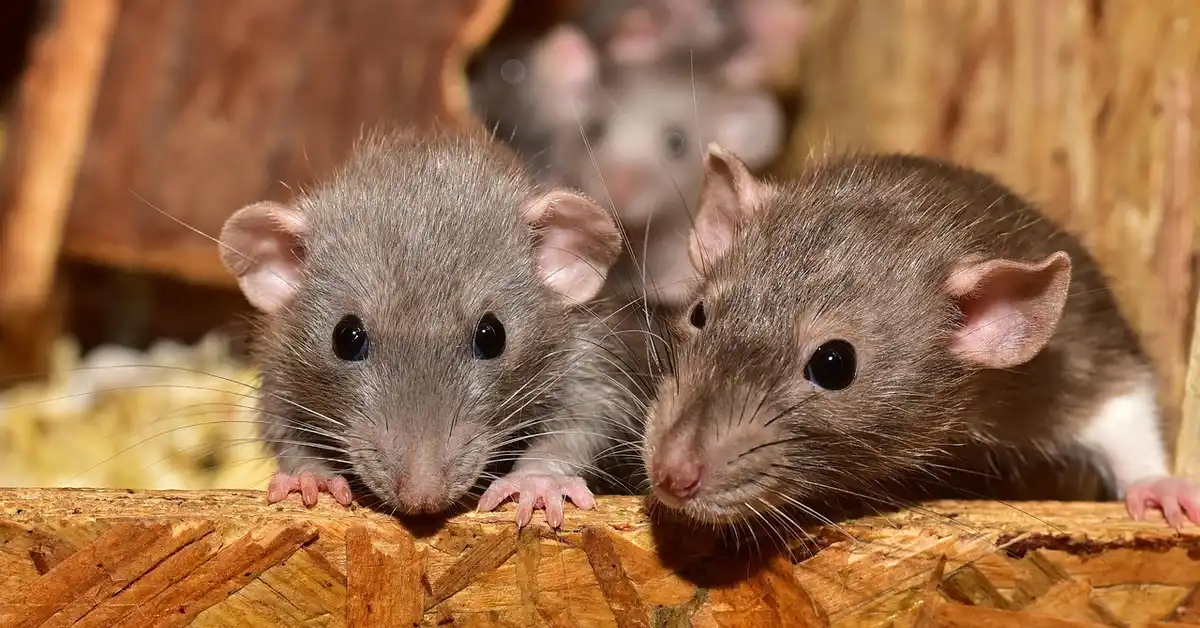
Just like us, a mouse’s senses can be affected by age or health. Being attuned to subtle changes in their behavior is your first line of defense in catching potential issues early. My older mouse, Gregory, has taught me a lot about how sensory perception can shift over time.
Signs of a Healthy Sensory System
- Alert and Curious: Your mouse should frequently pause to sniff the air, twitch its whiskers, and perk its ears up at new sounds.
- Coordinated Movement: They navigate their habitat confidently, using their whiskers to judge spaces before entering them.
- Normal Startle Response: A sudden, unfamiliar sound should cause a brief freeze or a quick look around, not prolonged panic or hiding.
Red Flags for Sensory Issues
If you notice any of the following, it may indicate a problem with their sight, hearing, or smell that warrants closer attention.
- Constant Head Tilting: A persistent head tilt can signal an inner ear infection, which affects balance and hearing.
- Bumping into Objects: While mice have poor eyesight, repeatedly running into large cage furniture can suggest a deeper vision problem or disorientation.
- Lack of Interest in Food: Since smell guides them to food, a mouse that seems to “miss” its food bowl or shows no excitement for high-value treats might have a compromised sense of smell.
- Over-Grooming or Skin Irritation: This can sometimes be a response to a persistent, irritating sound frequency we cannot hear or an allergic reaction to a new scent in the environment.
Daily Checks and Long-Term Care
- Spend at least 10 minutes simply observing your mice interact with their environment each day. Note any changes in how they explore.
- For older mice like Gregory, simplify the cage layout slightly to help with navigation while still providing sensory interest at a lower height.
- If you suspect a sensory problem, the first step is always a vet visit to rule out underlying medical conditions like respiratory infections or mites.
Frequently Asked Questions
How does a mouse’s sense of smell compare to a dog’s?
Mice and dogs both have highly developed senses of smell, but they serve different purposes. Dogs have more olfactory receptors overall, making them excellent at tracking scents over long distances, while mice have specialized systems for detecting pheromones and subtle environmental cues crucial for survival, such as identifying predators or social signals in close quarters. This allows mice to excel in navigating their immediate surroundings and maintaining complex social structures through scent.
How sensitive is a mouse’s sense of smell compared to humans?
A mouse’s sense of smell is exponentially more sensitive than a human’s. Mice possess up to 1,000 olfactory receptor genes, compared to humans’ roughly 400, enabling them to detect odors at concentrations thousands of times lower. This sensitivity helps them identify food sources, sense danger, and communicate with other mice through scent markers that are imperceptible to people.
What does mouse odor smell like?
Mouse odor is often described as musky or ammonia-like, primarily due to their urine, which contains strong-smelling compounds used for territory marking. In a well-kept habitat, this scent is mild, but if it becomes overpowering, it may signal issues like overcrowding or inadequate cleaning. Regular cage maintenance can help manage odors and keep your pet mice comfortable.
Wrapping Up
By tuning into your mouse’s sensory world, you move from simply providing care to truly connecting with a unique and complex creature. Their reality is built on intricate scents, ultrasonic chatter, and delicate whisker touches, a world we can only help shape and appreciate. A visual guide helps you spot signs of vitality—movement, grooming, and alertness. It’s a practical tool for choosing a healthy, active mouse.
Applying this knowledge transforms your daily interactions, turning a simple habitat into a rich, sensory-safe home where your mouse can feel truly understood, supported by the mouse quality of life framework. Watching them explore with confidence is the ultimate reward for any dedicated mouse owner.
Further Reading & Sources
- AFRMA – Beginners’ Corner – Mouse Senses; Mouse Sensory System; Traveling Rats
- Kitchener Pest Control: How Good Are Mice and Rat Senses?
- Senses in rats & mice, the formidable pests | Kestrel Pest Management
Isabella is a passionate small pet enthusiast with over 8 years of experience in caring for mice. She loves sharing practical tips and heartfelt stories to help fellow mouse owners provide the best care for their tiny companions.
Mouse Biology & Anatomy