
Are Pet Mice Right for You? The Pros and Cons
Have you ever felt drawn to the idea of a tiny, whiskered companion but worried about making the wrong choice for your home? This guide offers a heartfelt, no-nonsense look at mouse ownership, drawing from my years of caring for curious creatures like Kenny and gentle souls like Gregory.
We will walk through the key aspects together, focusing on the delightful perks of mouse companionship and the honest realities of their care to help you feel confident in your decision.
The Advantages of Pet Mice
Mice bring a unique blend of joy and simplicity to any home, making them an ideal choice for many pet lovers.
- Affordability stands out as a major perk, with low upfront and recurring expenses.
- Low maintenance routines fit seamlessly into busy schedules, requiring just minutes each day.
- Small space needs mean they thrive in compact living areas like apartments or dorm rooms.
- Their social nature allows them to form bonds with both humans and other mice.
- Bonding potential grows quickly through gentle handling and consistent interaction.
- Entertainment value shines through their playful antics and curious explorations.
- Ease of taming makes them accessible even for first-time pet owners.
- Gentle temperament suits family settings, rarely showing aggression when treated kindly.
Affordable and Budget-Friendly Pets
You can welcome a mouse into your life without straining your wallet, as their costs are remarkably manageable.
- Initial costs for a proper enclosure, water bottle, food dish, and hiding spots typically range from $50 to $100.
- Ongoing expenses include high-quality pellet food, fresh veggies, and bedding replacements, averaging under $20 monthly.
- Compared to other small pets like hamsters or guinea pigs, mice often have lower vet bills and supply costs over time.
- Their diet is simple and inexpensive, relying on store-bought mixes supplemented with kitchen scraps like carrot tops.
Low Maintenance and Easy Care
Caring for mice fits effortlessly into daily life, perfect for those with limited time or energy.
- Daily routines involve refreshing water, scattering a tablespoon of food, and spot-cleaning soiled bedding areas.
- Weekly tasks include a full cage clean with safe, unscented bedding to prevent respiratory issues.
- Their small size means less mess and faster tidy-ups, unlike larger pets that need frequent grooming or walks.
- You will find that a five-minute daily check keeps them healthy and happy without overwhelming your schedule.
Social and Entertaining Companions
Watching mice interact offers endless amusement and heartwarming moments throughout the day and night.
- Playful behaviors include climbing ropes, tunneling through bedding, and chasing lightweight balls.
- Curiosity drives them to investigate new toys like cardboard tubes or untreated wood blocks.
- Interactions with owners often involve gentle nibbles or climbing onto offered hands for treats.
- Nocturnal activities mean you might hear soft rustling or wheel running at night, which can be soothing background noise.
- Group dynamics in pairs or trios reveal hierarchies and friendships, much like my mice Kenny leading adventures or Gregory offering calm guidance.
The Disadvantages of Pet Mice
While mice have many strengths, it is wise to consider the challenges that come with their care. Sudden fighting among mice can arise from stress, overcrowding, or changes in routine. Understanding these causes helps us implement practical solutions to prevent injuries and keep them healthy.
- Short lifespan of one to two years means facing loss more frequently than with longer-lived pets.
- Health sensitivities to drafts, poor diet, or stress require vigilant monitoring.
- Noise from nighttime wheel use or scratching might disturb light sleepers.
- Allergies to their dander or bedding can trigger sneezing or itching in sensitive individuals.
- Smell from urine buildup demands regular cleaning to keep odors at bay.
- Escape tendencies mean secure lids are a must, as they are clever at finding gaps.
Short Lifespan and Emotional Considerations
Their brief lives teach valuable lessons about cherishing each moment, but the goodbye comes too soon.
- Typical lifespan ranges from 18 to 24 months, though some may live slightly longer with optimal care.
- Managing emotional impact involves creating memorials or discussing feelings openly with family members.
- Commitment remains full despite the short time, as they rely on you for everything from food to comfort.
- I have found that focusing on the joy they bring daily helps soften the eventual heartache.
Health Issues and Veterinary Care
Mice are prone to specific ailments that need prompt attention from a knowledgeable vet.
- Common ailments include respiratory infections, tumors, and mites, which can arise suddenly.
- Specialized vet care for exotic pets might be harder to find and cost $50 to $100 per visit.
- Associated costs for treatments like antibiotics or surgeries can add up quickly.
- Preventive health starts with a balanced diet rich in grains and proteins, plus a clean, draft-free habitat.
- Regularly checking for signs like lethargy or labored breathing can catch problems early.
Nocturnal Habits and Potential Disturbances
Their nighttime energy is natural but might require adjustments to your sleep environment.
- Active nighttime behaviors include running on wheels, foraging, and social grooming, which produce rustling and squeaking sounds.
- Effects on light sleepers can include interrupted rest if the cage is in a bedroom.
- Solutions involve placing the enclosure in a living area or using white noise machines to mask minor noises.
- Choosing a silent spinner wheel or lining the cage with extra bedding can reduce audible disturbances.
Personality and Social Needs of Pet Mice
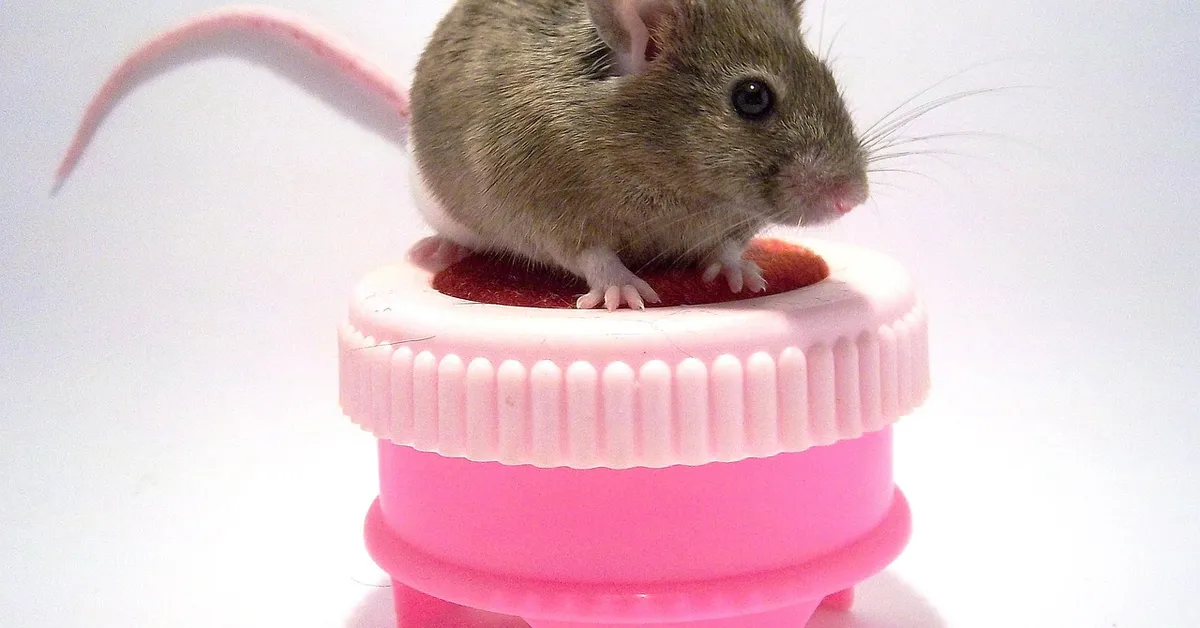
Pet mice possess wonderfully complex personalities that are a constant source of delight. Their curious nature means they are always investigating, turning even a simple piece of crumpled paper into an exciting new discovery. While generally gentle, each mouse is a unique individual with distinct preferences and quirks.
Typical Mouse Temperaments
You can expect your mice to exhibit a blend of these charming traits:
- Inquisitive Explorers: They will meticulously investigate every new object and sound in their environment.
- Gentle Companions: With proper handling, they rarely bite and often enjoy gentle interaction.
- Highly Social Creatures: They thrive in same-sex groups, forming intricate social bonds with their cage mates.
Bonding and Recognizing Individuality
Building trust with your mice is a rewarding process.
- Begin by sitting near their cage and speaking softly to let them grow accustomed to your presence and voice.
- Offer treats from your open palm, allowing them to approach you on their own terms without sudden movements.
- Progress to gentle handling for short periods, always ensuring they feel fully supported.
Pay close attention to their individual personalities; one might be a bold leader while another is a shy observer, and adjusting your approach for each mouse deepens your connection. I’ve found that my mouse Kenny, for instance, will bravely climb onto my hand immediately, while Jeffery prefers to watch from a safe spot before tentatively approaching.
The Critical Need for Companionship
Mice are profoundly social animals that live in colonies in the wild. Housing a single mouse without companions can lead to profound loneliness, stress, and even depression. In a mouse social behavior guide, experts distinguish between solitary and social living, noting that isolation can alter stress responses and daily activity. A group of three or more females is often the most harmonious setup, providing constant social interaction, mutual grooming, and shared warmth that is vital for their well-being.
Housing and Environment Setup
Creating a safe and stimulating home is one of the most important aspects of mouse care. A proper enclosure is not just a container; it’s their entire world, and it should be both secure and enriching.
Essential Housing Elements
- Cage Size: A minimum of 10 gallons per mouse, but bigger is always better. Look for tanks or cages with solid floors and very narrow bar spacing (less than 1/4 inch) to prevent escapes.
- Secure Enclosures: Lids must lock securely, as mice are incredible escape artists and climbers.
- Safe Bedding: Use paper-based or aspen wood shavings. Avoid cedar or pine, as the aromatic oils can cause serious respiratory issues.
Must-Have Items for Enrichment
To keep your mice active and engaged, their habitat needs these key components:
- An Appropriately Sized Wheel: Choose a solid-surface wheel that is at least 8 inches in diameter to prevent back injuries.
- Multiple Hiding Spots: Provide small cardboard boxes, coconut hides, or commercial igloos to make them feel safe.
- Chew Toys: Wooden blocks, untreated applewood sticks, and cardboard tubes help wear down their constantly growing teeth.
- Climbing Structures: Ropes, ladders, and branches (from safe trees like applewood) encourage natural behaviors.
Rotating their toys and rearranging the cage layout every few weeks provides mental stimulation and prevents boredom.
Placement and Environmental Control
Where you put the cage matters immensely for their health and happiness.
- Accommodate Nocturnal Habits: Place the enclosure in a room where nighttime activity will not be overly disturbed, and where their own nocturnal rustling won’t keep you awake.
- Temperature Control: Keep the cage away from direct sunlight, drafts, and heating/cooling vents. The ideal temperature range is between 65°F and 75°F.
- Quiet Corner: Mice have sensitive hearing, so a location away from blaring TVs and stereos is best.
Daily Care and Maintenance Routine
A consistent routine provides stability for your mice and ensures their environment remains clean and healthy. Integrating their care into your daily schedule makes the tasks feel less like chores and more like moments of connection.
Daily Tasks
- Feeding: Provide a high-quality commercial mouse pellet as a staple diet, supplementing with small amounts of fresh vegetables, fruits, and the occasional treat like a sunflower seed.
- Fresh Water: Check and refill their water bottle with clean, fresh water every single day.
- Spot Cleaning: Quickly remove any visibly soiled bedding and uneaten fresh food to prevent odor and mold.
This daily interaction is also your prime opportunity for bonding, offering treats by hand and speaking to them gently.
Weekly and Monthly Tasks
- Weekly: Perform a partial bedding change, replacing about one-third of the substrate. Thoroughly scrub and rinse the water bottle to prevent biofilm buildup.
- Monthly: Conduct a full, deep clean of the entire enclosure. Wash all accessories with a pet-safe disinfectant or vinegar solution. This is the perfect time to completely rearrange the layout for mental enrichment.
During these cleanings, take a moment to observe each mouse’s weight and overall condition, checking for any signs of illness. Regularly weighing your mouse is a simple, noninvasive way to monitor health and detect early signs of trouble. Consistent weight checks help you respond quickly and ensure good nutrition and care.
The Time Commitment
Caring for mice requires a predictable investment of your time.
- Daily care typically takes 15-20 minutes for feeding, water, and spot cleaning.
- Set aside at least 30 minutes several times a week for interactive play and handling outside the cage.
- Weekly maintenance and a full monthly clean will take about an hour each.
The time you spend in interactive play is not optional; it is fundamental to building a trusting relationship and ensuring your mice are well-socialized and happy. Understanding how mice interact with toys can enhance the quality of your play sessions.
Health, Lifespan, and Long-Term Care
Pet mice typically live between 1.5 to 2 years, though with attentive care, some may reach up to 3 years. Maximizing their lifespan hinges on consistent, quality care that mimics their natural needs and prevents stress. To maximize the average pet mouse lifespan, focus on safe housing, a balanced diet, and daily enrichment that keeps stress low. From my own experience, providing a stable environment has helped my mice, like Gregory, age gracefully with fewer health scares.
- Offer a balanced diet rich in pellets, fresh veggies, and occasional treats like seeds or berries.
- Maintain a clean cage with weekly deep cleans and daily spot checks to reduce disease risk.
- Ensure proper ventilation and avoid drafts to support respiratory health.
- Schedule annual vet visits for check-ups, even if your mouse seems healthy.
- Provide enrichment, such as tunnels and wheels, to encourage natural behaviors and reduce boredom.
Watch for subtle changes in behavior or appearance that could signal health problems. Common issues include respiratory infections, indicated by sneezing or labored breathing, and tumors, which may appear as lumps under the skin. If your mouse shows signs like lethargy, weight loss, or discharge from eyes or nose, consult a veterinarian promptly to address concerns early.
- Sneezing, wheezing, or crusty eyes-possible respiratory infection.
- Lumps or swelling-could be tumors or abscesses.
- Scratching excessively or hair loss-might point to mites or allergies.
- Changes in appetite or water intake-often a red flag for underlying issues.
- Seek vet care immediately if symptoms persist more than a day or worsen suddenly.
Allergies to mice or their bedding can affect some people, causing sneezing or skin reactions. To minimize risks, choose low-dust bedding options and wash hands after handling your pets. For the best dust-free beddings for mice, consider paper-based or pellet-type options that reduce airborne dust. These choices help keep your indoor air cleaner and your mice comfortable. Household safety involves keeping mice in a secure cage away from other animals, electrical cords, and toxic plants to prevent accidents.
- Test for allergies by spending time near mice before committing to ownership.
- Use hypoallergenic bedding like paper-based products to reduce irritants.
- Supervise interactions with children and other pets to avoid stress or injury.
- Store cleaning supplies and foods safely out of reach to prevent poisoning.
Is a Pet Mouse Right for Your Lifestyle?
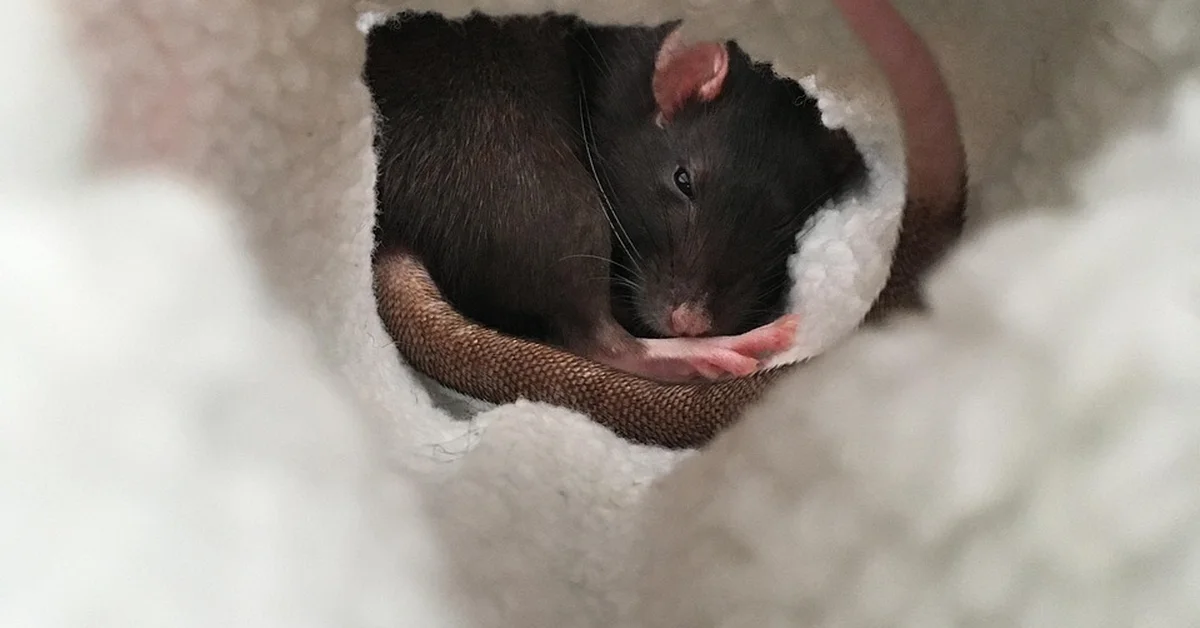
Assessing your readiness for a pet mouse starts with evaluating your daily resources. Mice require a modest time investment for feeding, social interaction, and cage maintenance, but they fit well into busy schedules if you plan ahead. Reflect on whether you can commit to their care without overwhelming your routine.
- Time: Dedicate 10-15 minutes daily for feeding and handling, plus 30-60 minutes weekly for cage cleaning.
- Space: A cage of at least 10 gallons per mouse, placed in a quiet, stable area away from loud noises.
- Financial: Budget for initial costs like the cage and accessories, plus ongoing expenses for food, bedding, and potential vet bills.
Consider how a mouse will integrate with your household dynamics and other pets. Mice thrive in calm environments and may not suit homes with predatory animals like cats or dogs, as this can cause constant stress. For families, mice can be a gentle introduction to pet ownership if children are taught to handle them softly and respectfully. It’s especially important to learn about keeping mice with other pets to ensure their safety and well-being.
- Compatibility with family: Ideal for older children who understand gentle handling; avoid if anyone has severe allergies.
- Other pets: Keep mice separate from cats, dogs, or birds to prevent fear or injury.
- Daily routines: Mice are nocturnal, so their activity peaks at night-consider if this aligns with your sleep schedule.
Weighing the pros and cons can clarify if a mouse is your perfect match. Mice offer companionship and entertainment in a small package, but their short lifespan means saying goodbye sooner than with other pets. From caring for my trio, I find their unique personalities, like Jeffery’s cheerful antics, bring joy without demanding excessive resources. Some people even keep harvest mice as pets, which shows how even the smallest rodents can be rewarding companions with the right setup. It’s a reminder that pet choices vary and depend on daily care and habitat needs.
| Pros | Cons |
|---|---|
| Low space requirements compared to larger pets | Short lifespan of 1.5-2 years, leading to frequent goodbyes |
| Affordable initial and ongoing costs | Potential for health issues that require vet visits |
| Quiet and suitable for apartments | Nocturnal activity might disrupt light sleepers |
| Educational for learning responsibility | Not ideal for households with aggressive pets or young children |
Frequently Asked Questions
How do pet mice compare to pet rats in terms of pros and cons?
Pet rats often have a longer lifespan of 2-3 years and are known for their high intelligence and trainability, which can make them more interactive companions. However, they require larger enclosures, more daily attention, and generally have higher costs for food and veterinary care compared to mice. Mice, on the other hand, are more compact and lower maintenance, fitting better into small spaces and busier schedules, but their shorter lifespan means less time with them.
Are pet mice safe for families with children?
Pet mice are generally safe and have a gentle temperament, making them suitable for older children who can handle them softly and under supervision. However, it’s important to teach proper handling to avoid stress or accidental drops, and to be aware that some individuals may have allergies to mouse dander or bedding, which can cause sneezing or skin reactions.
What is the typical cost of owning a pet mouse?
The initial setup for a pet mouse, including a secure cage, accessories, and bedding, usually costs between $50 and $100, depending on quality and size. Ongoing monthly expenses for food, bedding replacements, and occasional treats are relatively low, often under $20, but you should budget for potential vet visits, which can range from $50 to $100 for exotic pet care.
Your Path Forward
Choosing a pet is a deeply personal decision that balances your lifestyle with the commitment you’re ready to make. Mice offer a unique window into a world of miniature antics and quiet companionship, but they also demand a specific kind of gentle, observant care. The joy they bring is immense, but it is earned through daily attention and a thoughtful setup.
If your heart is open to the subtle sounds of gentle rustling and the sight of a tiny, curious face peeking from a hideout, you may have found your perfect small companion. In my years with mice, the greatest reward has been witnessing their distinct personalities flourish in a home built just for them. Trust your instincts, consider their needs, and you’ll know if your path includes these wonderful little creatures, especially as you learn more about how mice interact with humans and recognize their owners.
Further Reading & Sources
- r/PetMice on Reddit: Would you recommend mice as pets? What are the biggest cons?
- Mice As Pets: Pros and Cons | Critter Stop
- Mice as Pets: Pros and Cons to Consider Before Adopting | Animallama
Isabella is a passionate small pet enthusiast with over 8 years of experience in caring for mice. She loves sharing practical tips and heartfelt stories to help fellow mouse owners provide the best care for their tiny companions.
Understanding Mice Behavior