
Zebra Mouse Care Guide: Complete Pet Care Advice
Have you recently welcomed a zebra mouse into your home, feeling slightly overwhelmed by their unique needs and delicate nature?
This guide provides everything required for your striped companion’s wellbeing. We will cover essential habitat setup, balanced nutrition planning, daily handling techniques, and common health observation points to ensure your zebra mouse thrives under your care.
Creating the Perfect Home: Enclosure Setup
Your zebra mouse’s enclosure is its entire world, so crafting a space that feels both secure and stimulating is one of the most impactful things you can do for its well-being. I’ve found that a well-planned habitat directly influences how bold, playful, and content my mice become. Think of it as designing a miniature landscape where every element serves a purpose, from digging to climbing to cozy sleeping.
Bedding and Substrate Choices
The foundation of any great mouse home is the bedding. This isn’t just flooring; it’s a material for nesting, burrowing, and maintaining healthy lungs. You have several excellent options, each with unique benefits. In this mouse bedding substrates guide, we outline top choices and what to consider. We also cover dust, absorbency, and cleaning ease to help you decide.
- Aspen Shavings: This is my personal go-to for my trio. It’s affordable, highly absorbent, and holds burrows beautifully. Kenny, my adventurous gray mouse, loves tunneling through aspen, creating elaborate networks I get to discover during cleanings. Avoid pine or cedar, as the aromatic oils can cause serious respiratory issues.
- Paper-Based Bedding: Soft, dust-free, and incredibly absorbent, paper bedding is a fantastic hypoallergenic choice. It comes in various colors, though I stick to unbleached, natural versions. It’s perfect for sensitive mice like my Jeffery, who appreciates the softness for his nest.
- Hemp or Cardboard Substrates: These are eco-friendly alternatives that are gaining popularity. They are highly absorbent and have minimal dust. I sometimes mix a handful of hemp into aspen bedding for extra texture and odor control.
Regardless of your choice, aim for a depth of at least two to three inches. Providing a deep layer of bedding satisfies their profound instinct to dig and hide, which drastically reduces stress. Watching Gregory meticulously flatten an area for a nap is a quiet joy that underscores the importance of this simple comfort.
Environmental Controls
Zebra mice are small creatures, and their tiny bodies are sensitive to their surroundings. Maintaining a stable environment is non-negotiable for their health.
- Temperature: These mice thrive in a narrow temperature range. Keep the ambient room temperature between 68°F and 79°F (20°C – 26°C). Placing the enclosure in a draft-free area away from direct sunlight and heating vents is the single most effective way to prevent dangerous temperature swings. I keep a simple digital thermometer near their tank to monitor it daily.
- Humidity: Aim for a moderate humidity level, around 40-60%. Too much moisture can promote mold growth in the bedding, while air that is too dry can cause respiratory discomfort. If your home is very dry, a small room humidifier can help, but never mist the enclosure directly.
- Lighting: Zebra mice are most active during dawn and dusk. Providing a consistent day/night cycle of about 12 hours of light and 12 hours of darkness helps regulate their natural rhythms and prevents stress. Avoid bright, overhead lights directly on the cage; indirect room light is perfect. I never use night lights, as complete darkness allows for proper rest.
- Noise and Vibration: Be mindful of where you place the habitat. Loud noises, such as from a television or stereo, and constant vibrations can be incredibly frightening for such small animals. A calm, quiet corner of a living room or bedroom is ideal.
Feeding for Health: Diet and Nutrition
A zebra mouse’s vibrant health begins in the food bowl. I have found that a high-quality commercial lab block forms the perfect nutritional backbone, providing all the essential vitamins and minerals they need in every bite. Think of these blocks as the main course, the reliable foundation that never changes. For a seed mixes vs lab blocks deep dive into mouse nutrition, we’ll compare how these options support energy balance, micronutrient diversity, and gut health.
Safe Fresh Foods and Treats
Beyond the basics, fresh foods add excitement and vital nutrients to their diet. Offer these treats in tiny, mouse-sized portions just a few times a week.
- Vegetable Favorites: Broccoli florets, carrot shavings, peas, and cucumber slices are usually met with enthusiastic nibbles.
- Fruit Delights: A sliver of apple (ensure no seeds!), a single blueberry, or a small piece of banana makes a special reward.
- Protein Power: A tiny bit of plain, cooked chicken, a mealworm, or a pinch of scrambled egg offers a wonderful protein boost.
My mouse Gregory, for instance, becomes particularly serene when he discovers a small crumble of aged cheese hidden in his bedding. Always remove any uneaten fresh food within a few hours to keep their home clean and prevent spoilage.
Foods to Avoid
Some common human foods are dangerous for your small friend. Being mindful of this list protects their delicate system.
- Toxic Vegetables: Never offer onions, garlic, or raw potatoes.
- Unsafe Fruits: Avoid citrus fruits like oranges and lemons, as they can be too acidic.
- Processed Human Snacks: Chocolate, candy, and anything salty or sugary can cause severe health issues.
- Certain Plants: Houseplants are often toxic, so stick to known safe vegetables.
When you are unsure about a new food, the safest choice is to simply leave it out of their enclosure. A little caution goes a very long way in preventing emergencies.
Social Needs and Handling Techniques
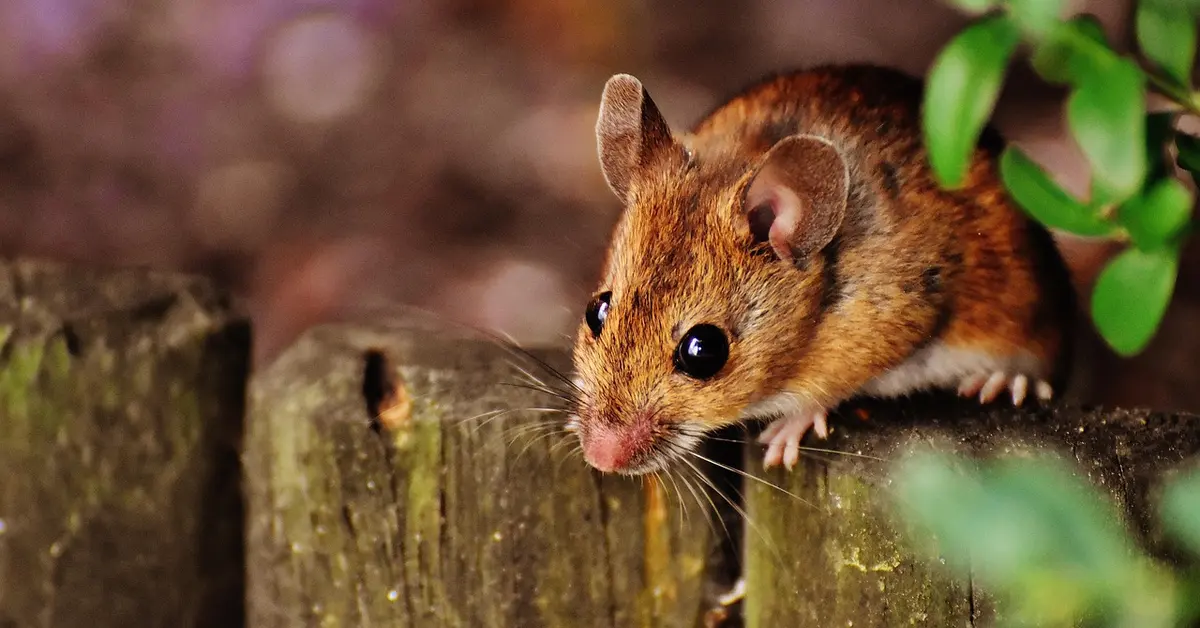
Zebra mice are deeply social creatures who find comfort and joy in company. Housing at least two compatible mice together is not just a recommendation; it is a core requirement for their mental and emotional well-being. A solitary mouse is often a lonely and stressed mouse. This aligns with the mouse social behavior guide, which details how solitary vs. social needs shape well-being. Understanding these dynamics helps caregivers support healthy, mutually beneficial interactions.
Introducing New Mice
Introductions require immense patience and a careful, step-by-step approach to ensure success and prevent fights.
- Start with a Quarantine: Keep any new mouse in a separate, nearby cage for at least two weeks to monitor its health.
- The Scent Swap: Exchange a handful of bedding between the cages daily. This lets the mice become familiar with each other’s scent long before they meet face-to-face.
- Use a Neutral Territory: For the first physical meeting, choose a brand-new play area or a bathtub that none of the mice have claimed as their own.
- Supervise Closely: Watch for about fifteen minutes. Some chasing and squeaking is normal as they establish a hierarchy, but separate them immediately if you see actual fighting or drawing blood.
- Clean the Main Cage: Before moving them in together, thoroughly clean the main habitat to remove all territorial scents, making it a new, neutral home for everyone.
I remember introducing my bold Kenny to the more cautious Jeffery; their initial curiosity quickly blossomed into a beautiful friendship. The key is to never rush this delicate process, allowing the mice to set the pace for their new relationship.
Health and Wellness Monitoring
Common Diseases and Prevention
Keeping a close watch on your zebra mouse’s daily habits is your first and best defense against illness. Subtle shifts in behavior, like a usually adventurous mouse becoming withdrawn, are often the earliest and most telling red flags. I make it a point to observe my mice during their most active hours in the evening, noting who is running, who is eating, and who seems just a little bit off. To translate these observations into a simple routine, I rely on a daily mouse care checklist with 5 tips. This helps me stay proactive and consistent in monitoring health and well-being.
Respiratory infections are a frequent concern in small pets. You might notice your mouse making soft clicking or wheezing sounds, or you may see a red-brown discharge around its eyes and nose, which is porphyrin. Preventing these issues starts with excellent habitat management; a clean, dry, and draft-free cage with low-dust bedding is non-negotiable for lung health. Hygiene matters: a clean cage reduces the risk of respiratory irritants and bacterial infections that cause common ailments. Regular sanitation supports long-term health and comfort. I am meticulous about spot-cleaning my boys’ cage daily to remove damp bedding, as ammonia buildup from urine is a primary irritant.
- Respiratory Infections: Watch for sneezing, labored breathing, and lethargy. Ensure proper ventilation and use paper-based or aspen bedding to minimize dust.
- Mites and Parasites: Look for excessive scratching, scabs, or hair loss. Quarantine new pets before introduction and provide a clean environment. Treat with veterinarian-prescribed medication.
- Overgrown Teeth: Rodent teeth never stop growing. Provide a constant supply of safe wooden chews and hard food blocks to help them wear down naturally.
- Tumors: Lumps, especially in older mice, are common. Regularly handle your mouse to feel for any unusual bumps and seek veterinary advice promptly if you find one.
- Digestive Issues (Wet Tail): Diarrhea, a hunched posture, and a messy rear end signal a serious problem. This requires immediate veterinary intervention.
A balanced diet is a cornerstone of preventative care. I have found that a high-quality commercial lab block provides a solid nutritional foundation, which I then supplement with tiny, measured portions of fresh vegetables and the occasional treat. My mouse Gregory, for instance, is particularly fond of a small piece of broccoli, while young Jeffery goes wild for a single blueberry. Avoid sudden diet changes and always remove uneaten fresh food quickly to prevent spoilage.
Enrichment and Mental Stimulation

Safe Toys and Activities
A bored mouse is an unhappy mouse, and an unhappy mouse is more prone to stress-related health issues. Enrichment is not a luxury; it is a fundamental component of responsible zebra mouse care that directly impacts their quality of life. I rotate the toys in my colony’s cage every few days to keep their environment novel and engaging, which prevents the lethargy that can set in from a static setup. To keep them truly entertained beyond the wheel, use foraging toys, puzzle feeders, and varied textures. This broader enrichment supports curiosity and mental well-being.
Zebra mice are natural climbers and explorers. Creating a multi-level habitat with ropes, branches, and ledges satisfies their innate desire to climb and survey their territory from on high. Their climbing and jumping showcase athleticism. Exploring from perch to perch is a natural workout that keeps Kenny agile and curious. I use sterilized branches from applewood and secure them firmly to the sides of the cage, creating a fantastic jungle gym that keeps Kenny busy for hours.
Foraging is a critical natural behavior. Hiding their daily food ration throughout the cage instead of using a single bowl encourages natural foraging instincts and provides essential mental exercise. You can use puzzle feeders made from cardboard tubes or simply tuck bits of food into the folds of a hanging fleece strip. This naturally translates into DIY foraging toys and a 10-puzzles challenge for your mouse. Creating simple at-home puzzles lets you tailor the difficulty and keep mental stimulation high.
- Climbing Structures: Bird ladders, ropes, and cork bark rounds are fantastic for building vertical interest.
- Chew Toys: Untreated wood blocks, loofahs, and walnut shells help maintain dental health and relieve stress.
- Digging Boxes: Fill a small, sturdy container with coconut fiber soil or crinkled paper strips for a dedicated digging area.
- Exercise Wheels: Provide a solid-surface wheel, at least 8 inches in diameter, to prevent spinal injuries. A silent spinner is a blessing for any pet owner!
- Tunnels and Hideouts: Toilet paper tubes, cardboard boxes, and commercial plastic tunnels create a complex burrow system.
Beyond physical toys, interaction with you is a powerful form of enrichment. Building trust through gentle handling and offering treats from your hand strengthens your bond and provides social stimulation they crave. My mouse Jeffery started out very jumpy, but with patience and a steady hand offering sunflower seeds, he now eagerly climbs into my palm. Always move slowly and let the mouse initiate contact to keep the experience positive. These moments also lay the groundwork for deeper bond pet mouse interaction, where you learn to read their cues and tailor activities to their comfort. With consistent, gentle sessions, you can explore more enriching interactions beyond treats.
Frequently Asked Questions
What is a zebra mouse?
A zebra mouse is a small, striped rodent species, also commonly known as a zebra mouse or striped mouse, kept as an exotic pet. They are distinct from the common house mouse and are known for their unique striped patterning, which gives them their name, and their active, social nature. This care guide is dedicated to providing for the specific needs of this particular species.
Where can I buy a zebra mouse?
Zebra mice can typically be found through specialized exotic pet breeders, reputable rodent-specific rescues, or sometimes at stores that focus on exotic pets. It is crucial to research the source thoroughly to ensure the animals are healthy and have been raised in humane, responsible conditions. Always avoid wild-caught specimens and choose a source that can provide a clear history of the animal’s health and care.
Is there a zebra mouse cat toy?
No, a “zebra mouse” cat toy is not related to the live pet zebra mouse discussed in this guide. The term in the pet toy industry usually refers to a cat toy that is either shaped like a mouse and has zebra-like stripes or is designed to mimic the movements of a small rodent. It is important not to confuse these toys with the living animal, as they are intended for a predator’s entertainment and not for the care of the pet rodent.
Your Journey Together
Providing a proper home, a balanced diet, and consistent, gentle interaction forms the foundation of a wonderful life with your zebra mouse. These small creatures offer immense joy in return for your attentive care, and watching their unique personalities blossom is one of the most rewarding experiences a pet owner can have.
Trust your growing knowledge, observe your mouse’s individual habits closely, and remember that patience is your most valuable tool. You are now equipped with the insights to create a thriving environment, paving the way for a long, healthy, and happy companionship with your tiny, striped friend. As social animals, mice thrive on gentle, considerate interaction. Meeting their social needs with calm, consistent care helps them stay happy.
Further Reading & Sources
Isabella is a passionate small pet enthusiast with over 8 years of experience in caring for mice. She loves sharing practical tips and heartfelt stories to help fellow mouse owners provide the best care for their tiny companions.
Mice Breeds & Varieties