
The Three Rs: A Compassionate Framework for Animal Research
Have you ever felt conflicted about the role of animals in scientific discovery and wished for a more humane approach? This guide breaks down the essential principles of the Three Rs, offering you a straightforward and ethical pathway to understand and apply them in modern research.
We will explore practical methods to reduce the number of animals needed, refine experiments to alleviate discomfort, and replace animal use with advanced alternatives wherever possible.
Understanding the Three Rs Framework
When we talk about the Three Rs in animal research, it’s a guiding philosophy for ethical treatment, and it translates beautifully into responsible pet mouse care. This framework encourages us to think critically about how we interact with our tiny companions, ensuring their lives are full and free from unnecessary stress. I’ve found that adopting this mindset has deepened my bond with Kenny, Gregory, and Jeffery, making me a more attentive and compassionate owner.
Replacement: Using Alternatives When Possible
Replacement means seeking out methods that avoid causing discomfort or harm to mice when we can use something else. For pet owners, this often involves choosing enrichment or health monitoring tools that don’t require invasive procedures. Instead of handling your mouse roughly to check for health issues, observe their behavior and use gentle, non-contact methods like watching their eating habits or listening for changes in their vocalizations.
- Opt for video monitoring to study nocturnal activities without disturbance.
- Use puzzle feeders instead of hand-feeding to reduce stress during meal times.
- Select natural, chew-safe toys over plastic ones that might cause injury.
In my own setup, I’ve replaced standard water bottles with silent drip-free models after noticing Jeffery’s anxiety around loud noises, which has made his drinking sessions much calmer.
Reduction: Minimizing Numbers Without Compromising Welfare
Reduction focuses on keeping mouse populations manageable so each individual receives adequate care and attention. By limiting group sizes to what you can properly support, you prevent overcrowding and ensure every mouse thrives in a stress-free environment. I learned this the hard way when I initially had too many mice and saw how it led to skirmishes and neglected social bonds.
- Aim for small, stable groups that match your space and time commitments.
- Regularly assess if you can meet each mouse’s needs before considering new additions.
- Use observation to identify and address any signs of isolation or bullying early.
With my current trio, I’ve seen how a balanced number allows me to spot subtle changes, like Gregory’s slower movements, and adjust his care accordingly.
Refinement: Improving Conditions and Minimizing Suffering
Refinement is all about enhancing your mouse’s daily life through better housing, diet, and social interactions. Small tweaks to their environment, such as adding hiding spots or varying textures, can significantly reduce anxiety and promote natural behaviors. I’ve refined my approach over time, introducing multi-level habitats that let Kenny satisfy his explorer instincts safely.
- Provide deep bedding for burrowing and nest-building to mimic wild habitats.
- Rotate toys and accessories weekly to prevent boredom and encourage activity.
- Monitor temperature and humidity closely to avoid discomfort from extreme conditions.
Noticing Jeffery’s cheerful but jumpy nature, I’ve added softer, enclosed spaces in his area, which has helped him feel more secure during play.
How Pet Mouse Owners Can Apply Reduction Principles
Applying reduction in pet mouse care means being intentional about how many mice you keep and how you manage their social dynamics. This principle helps you avoid the pitfalls of overpopulation, which can lead to health issues and reduced quality of life for each mouse. From my experience, a mindful approach here has kept my mice healthier and happier, with fewer conflicts and more harmonious interactions.
Thoughtful Group Sizes and Social Structure
Mice are social creatures, but their groups need to be sized right to foster positive relationships. Ideal group sizes typically range from two to four mice, depending on your enclosure size and your ability to monitor each one’s well-being. In my home, I’ve found that a trio works best, allowing for natural hierarchies without constant tension. It’s crucial not to overcrowd the space, which can lead to stress and problems within the group. Mice in the wild also live in small groups, supporting the idea that smaller numbers are preferable.
- Observe interactions to ensure no mouse is being excluded or bullied.
- Introduce new mice gradually in neutral territory to reduce aggression.
- Provide multiple food and water stations to prevent competition and stress.
With Kenny’s bold leadership and Gregory’s calm mentoring, their group dynamic stays balanced, and Jeffery benefits from having stable role models.
Preventing Unplanned Breeding
Unplanned breeding can quickly lead to overcrowding, straining resources and increasing the risk of neglect. Keeping mice in single-sex groups or seeking spaying/neutering from a vet are effective ways to prevent accidental litters. I always house my males separately from any females to avoid surprises, as even a brief mix-up could result in unwanted offspring.
- Confirm the sex of your mice when you acquire them, and double-check with a knowledgeable source.
- If you must house mixed sexes, consult a vet about safe, humane contraception options.
- Educate yourself on the signs of pregnancy to act quickly if needed.
This proactive step has saved me from the heartache of rehoming mice I couldn’t properly care for.
Data Sharing and Learning From Others’ Experiences
Sharing insights with fellow mouse owners helps reduce mistakes and improve care standards across the community. By exchanging notes on what works-and what doesn’t-you can avoid common pitfalls that might harm your mice or lead to unnecessary population growth. I’ve joined online forums where I’ve learned about diet tweaks that keep my mice like Jeffrey more content. Diet affects weight, immune function, and lifespan, so those tweaks can have a real impact on a mouse’s long-term health.
- Participate in pet mouse groups to discuss enclosure setups and behavior observations.
- Keep a simple journal of your mice’s habits and share it with others for feedback.
- Attend virtual workshops or read care guides to stay updated on best practices.
Learning from others’ experiences has helped me refine my approach, ensuring my mice live their best lives without trial-and-error setbacks. That’s why I created an advanced guide to bioactive, naturalistic setups for mice. It shares proven enrichment strategies, substrate choices, and troubleshooting tips to help you build healthy, engaging enclosures without guesswork.
Refinement Strategies to Improve Your Mice’s Daily Lives
Environmental Enrichment That Matters
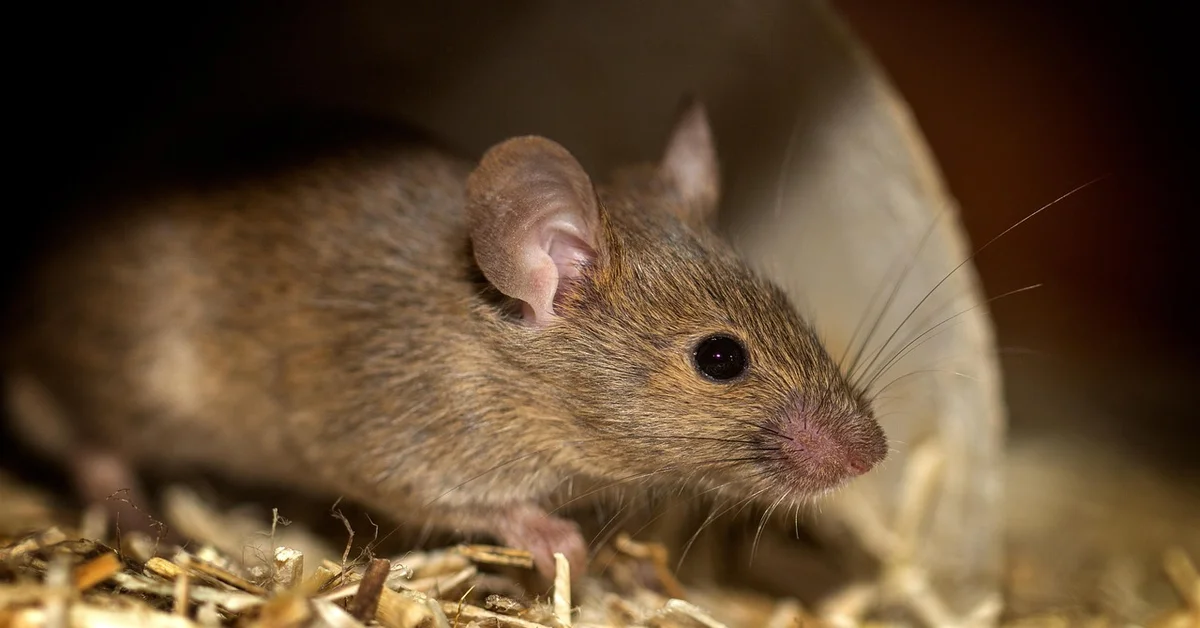
Enriching your mouse’s environment isn’t about stuffing the cage with toys; it’s about creating a space that stimulates their natural behaviors and prevents boredom. Focus on items that encourage foraging, climbing, and nesting to keep their minds and bodies active throughout the day. From my own setup, I’ve seen how a simple rotation of items can prevent habituation and keep even the most curious mouse, like Kenny, engaged for weeks. Next, I’ll highlight the best enrichment toys that stimulate a mouse’s mind. Think puzzle feeders, tunnels, and chew-safe climbing pieces to encourage exploration and problem-solving.
- Provide varied substrates like aspen shavings, paper-based bedding, and a small dig box filled with coconut fiber to satisfy burrowing instincts.
- Include climbing structures such as untreated wood branches, rope ladders, and multi-level platforms to promote physical exercise.
- Offer puzzle feeders or hide small treats like millet sprays in cardboard tubes to mimic natural foraging and reduce food-related stress.
- Introduce safe, chewable items like applewood sticks or loofah chunks to support dental health and provide a constructive outlet for gnawing.
Low-Stress Handling and Interaction Techniques
Building trust with your mice starts with handling that respects their small size and flighty nature. Always approach your mice calmly and let them initiate contact to build a positive association with your presence. I’ve learned that slow, predictable movements work best, especially with a nervous mouse like Jeffery, who appreciates a quiet voice and patient coaxing. This complete guide to taming a scared, skittish mouse walks through step-by-step handling techniques, trust-building exercises, and how to read subtle signs of stress. Use these methods to progress at a pace your mouse is comfortable with.
- Scoop your mouse gently from below using cupped hands rather than grabbing from above, which can trigger a predator response.
- Handle mice in a secure, enclosed area first to prevent falls and escapes, gradually increasing freedom as they become more comfortable.
- Use a small treat, like a piece of their favorite vegetable, to reward calm behavior during and after handling sessions.
- Limit handling time to short, frequent sessions to avoid overwhelming them, and always watch for signs of stress like freezing or rapid grooming.
Recognizing Pain and Implementing Humane Endpoints
Mice are masters at hiding discomfort, so keen observation is your most powerful tool for spotting pain early. Look for subtle changes in behavior, such as reduced activity, hunched posture, or lack of interest in food, which can indicate your mouse needs help. These are the key clues that tell you if your mouse is in pain. Noticing them early lets you seek veterinary care or make comfort adjustments sooner—something I’ve learned with my older mouse Gregory, whose decreased steady movements often signal it’s time for a vet visit or extra care.
- Monitor for physical signs like squinted eyes, ruffled fur, or weight loss, which are common indicators of pain or illness.
- Keep a daily log of eating, drinking, and social interactions to quickly identify deviations from normal patterns.
- Consult a veterinarian experienced with small animals to discuss pain management options, such as safe analgesics or environmental modifications.
- Establish a humane endpoint plan with your vet for severe, untreatable conditions to prevent prolonged suffering, focusing on quality of life over quantity.
Housing Refinements for Better Welfare
Your mouse’s home should be a sanctuary that supports their physical and emotional well-being through thoughtful design. Prioritize space, ventilation, and security to create a habitat where your mice can thrive without constant stress. I’ve refined my own cages over time, adding deeper bedding and multiple hideouts that even my adventurous Kenny enjoys retreating to after a long day of exploration. This is part of my ultimate guide to mouse cages, where I cover the best cage types, bedding, and enrichment ideas. Follow along for practical, step‑by‑step tips to build a safe, stimulating home.
- Choose a cage with solid floors and ample vertical space for climbing, avoiding wire floors that can cause foot injuries.
- Maintain a consistent temperature between 65-75°F and humidity around 40-60% to prevent respiratory issues and keep your mice comfortable.
- Provide multiple hiding spots, such as small igloos, cardboard boxes, or fabric pouches, to reduce competition and give each mouse a safe retreat.
- Use unscented, dust-free bedding changed regularly to minimize ammonia buildup and support respiratory health.
Exploring Replacement in Pet Mouse Care Contexts
Observation Over Intervention
Sometimes the best care involves stepping back and simply watching your mice interact with their world. By observing their natural behaviors without interruption, you gain invaluable insights into their health, preferences, and social dynamics. I’ve spent hours noting how Jeffrey carefully follows his cage mates, which taught me more about mouse social structures than any manual could. These observations help you tell whether a mouse prefers solitude or group living, forming the basis of a mouse social behavior guide. Use that knowledge to tailor housing and introductions accordingly.
- Set up a comfortable viewing spot near the cage to watch daily routines like grooming, playing, and nesting without disturbing them.
- Use a small notebook or digital app to record behaviors that might indicate happiness, stress, or potential health issues over time.
- Resist the urge to “fix” minor squabbles or rearrange the cage too often, as this can disrupt their sense of security and natural problem-solving.
- Learn to interpret body language and vocalizations, such as soft chirps or gentle nudges, to better understand their communication without direct handling.
Learning Through Resources Rather Than Trial and Error
Advancements in mouse care knowledge mean you don’t have to learn everything through potentially stressful experiments on your pets. Leverage books, reputable online forums, and veterinary advice to make informed decisions that prioritize your mice’s well-being from the start. When I first started, relying on expert resources saved me from common mistakes, like using the wrong bedding that could have irritated my mice’s sensitive respiratory systems.
- Consult species-specific care guides from organizations like the American Fancy Rat and Mouse Association for evidence-based husbandry tips.
- Join online communities or local groups where experienced owners share successes and challenges, offering practical advice you can adapt.
- Schedule regular check-ups with a vet to discuss preventive care and address questions before small issues become big problems.
- Use video tutorials and webinars to visualize handling techniques or habitat setups, reducing the need for hands-on practice that might stress your mice.
The Research Context: Why the Three Rs Matter in Science
You might wonder what formal research principles have to do with your life as a mouse owner. The connection is profound, as these principles guide us toward more thoughtful and compassionate care for all animals, including our cherished pets. The “Three Rs” framework provides a powerful ethical compass, pushing us to constantly improve the lives of the animals in our care by minimizing harm and maximizing welfare.
Replacement Technologies Advancing Science
In a laboratory, ‘Replacement’ means seeking methods that avoid using live animals altogether, like sophisticated computer models or cell cultures. For you at home, this concept translates to using clever alternatives that reduce stress for your mice during routine care. Think about how you can replace potentially frightening experiences.
- Instead of chasing a skittish mouse with your hand, use a small cardboard tube or a treat cup to encourage them to move voluntarily.
- Replace loud, startling noises near their habitat with a quieter environment, perhaps using a soft radio for ambient sound.
- Swap out handling sessions when they seem fearful for observation-based bonding, where you simply watch and learn their unique behaviors.
Reduction Through Better Experimental Design
Scientists practice ‘Reduction’ by designing studies that need fewer animals to get reliable results. In your home, this is about reducing unnecessary stressors and interventions to the absolute minimum. Every interaction should have a clear, positive purpose. My mouse, Jeffery, is particularly sensitive, so I’ve learned to consolidate my care tasks.
- Combine spot-cleaning with a quick health check instead of disturbing him multiple times a day.
- Reduce handling duration, opting for several short, positive sessions rather than one long, overwhelming one.
- Limit the number of new items introduced to their cage at one time to prevent sensory overload.
Refinement Standards in Research Settings
‘Refinement’ focuses on enhancing animal well-being by improving everything from housing to procedures. This is where your care can truly shine, by refining your mouse’s daily life to cater to their physical and emotional needs. It’s about moving beyond basic survival to genuine thriving.
- Refine their habitat with deep, burrowable bedding, multiple hiding places, and a variety of textures.
- Refine their diet by offering a diverse mix of appropriate foods beyond a standard lab block, like fresh veggies and occasional protein.
- Refine your interactions by learning their individual communication styles-understanding that a frozen mouse is a scared mouse, not a calm one.
Common Questions About Applying the Three Rs to Pet Mice
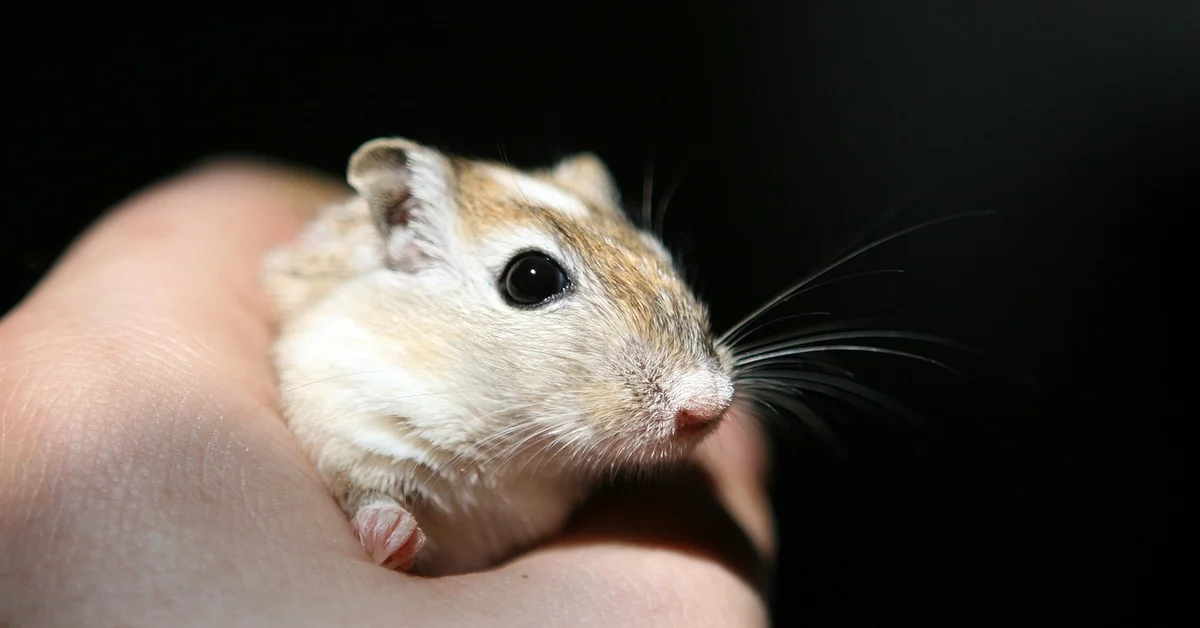
How can I tell if I’m “refining” my mouse’s life effectively? The best indicator is a change in their behavior toward more natural, curious, and relaxed activities. You’ll see less frantic scrambling and more deliberate exploration, comfortable grooming in the open, and the happy, rapid vibration of bruxing. For more tips on understanding mouse behavior, check out the behavior checklist.
Is it possible to reduce handling too much? A bond with a pet mouse is built on trust, not on the quantity of handling, but on the quality of each interaction. Forcing contact is counterproductive. It’s far better to have one positive, treat-associated handling session per day than several that cause fear.
What does ‘replacement’ look like for a single pet owner? It often means replacing your own expectations with an understanding of the mouse’s perspective. You replace the desire to cuddle a sleepy mouse with the joy of watching them build an elaborate nest. You replace the goal of “taming” with the goal of providing a habitat so enriching they express their full natural behavior.
Frequently Asked Questions
List three responsibilities that reflect ethical behavior for mouse pet owners?
Ethical behavior for mouse pet owners includes providing a safe and spacious habitat that allows for natural behaviors like burrowing and climbing, ensuring a balanced diet with fresh water and appropriate nutrients, and regularly monitoring their health and social interactions to prevent stress or illness. By taking these responsibilities seriously, you create a nurturing environment where your mice can thrive, reflecting a commitment to their overall well-being and happiness. If you must find new homes for mouse pups, ethically rehoming them ensures they go to suitable, committed caregivers. This includes screening potential adopters and providing clear care and health information to avoid impulsive or inadequate placements.
Identify three ethical principles starting with the letter R and explain each in the context of pet mouse care?
In pet mouse care, the three R principles are Reduction, which means minimizing stressors like overcrowding or excessive handling to keep populations manageable; Refinement, which involves enhancing their living conditions through enrichment and gentle handling to reduce discomfort; and Replacement, which encourages using observation or tools instead of invasive methods whenever possible. These principles guide owners toward compassionate care, ensuring that each mouse’s life is full and free from unnecessary harm.
Provide three examples that illustrate Replacement, Reduction, and Refinement in pet mouse care?
For Replacement, use a small camera to monitor nighttime activity instead of disturbing your mice with flashlights or direct checks, allowing you to study their behavior without causing stress. In Reduction, schedule combined care tasks-like cleaning and health observations-into one session to minimize daily disruptions and keep their routine calm. With Refinement, add varied textures and hiding spots in their enclosure, such as fleece pouches or paper tunnels, to reduce anxiety and encourage natural exploration, making their daily life more comfortable and engaging.
Final Thoughts
Embracing the spirit of the Three Rs in your home transforms pet ownership from simple maintenance into a thoughtful partnership. Your daily choices become a powerful way to honor the life and comfort of your small companion. This approach builds a deeper, more trusting relationship where your mouse can truly flourish.
Whether it’s choosing a more enriching toy or observing their habits to better meet their needs, every small action counts. This mindful path leads to a happier, healthier life for your pet and a more rewarding experience for you. Your dedication to their well-being is what makes all the difference.
Further Reading & Sources
- Animal Use Alternatives (3Rs) | National Agricultural Library
- How Should the 3 R’s Be Revised and Why? | Journal of Ethics | American Medical Association
- Three Rs (animal research) – Wikipedia
Isabella is a passionate small pet enthusiast with over 8 years of experience in caring for mice. She loves sharing practical tips and heartfelt stories to help fellow mouse owners provide the best care for their tiny companions.
Mice in Science & History