
What is the Mouse Fancy? An Introduction to the World of Exhibiting
Have you ever felt that your bond with your pet mice could blossom into something more shared and celebrated? I’ve been there, watching my own mice like the curious Kenny or calm Gregory, and this guide will gently walk you through the mouse fancy-a welcoming community where admiration for these small companions takes center stage.
We’ll uncover what the mouse fancy truly means and its role in promoting excellent mouse care, break down how exhibitions work and what judges look for, and offer straightforward advice to confidently step into your first show.
Understanding the Mouse Fancy Community
The Mouse Fancy is far more than a hobby; it’s a passionate network of enthusiasts dedicated to the betterment and appreciation of these small companions. This community thrives on shared knowledge, mutual support, and a collective admiration for the unique qualities of fancy mice. You’ll find experienced breeders offering guidance to newcomers and long-time owners swapping stories about their mice’s distinct personalities, much like my own trio with their varied antics.
The History Behind Mouse Exhibiting
Formal mouse exhibiting has roots stretching back to the Victorian era in England, where the keeping of “fancy” mice as pets first became popular. These early enthusiasts began selectively breeding mice for specific colors and coat types, laying the groundwork for the standardized varieties we see today. What started in private drawing rooms evolved into organized clubs and competitive shows, creating a structured way to celebrate and improve the species. The term “fancy” in “fancy mice” refers to the hobby of breeding and showing them—the organized “mouse fancy”—rather than suggesting the animals are ostentatious. This distinction helps explain why breeders emphasized clear standards and distinct varieties.
The core philosophy has always centered on health, temperament, and adherence to a written standard. This historical focus ensures that the well-being of the mouse remains the highest priority in any exhibition setting. It’s a tradition built not on mere competition, but on a profound respect for the animal.
Mouse Breeds and Standardized Varieties
Unlike dogs or cats, the world of fancy mice deals primarily with varieties, not distinct breeds. These varieties are distinguished by their coat type, color, and marking patterns, all carefully defined by a governing standard. From the sleek, glossy-coated Satin to the whimsically curled Rex, the diversity is truly remarkable.
- Coat Types: Standard (short and smooth), Satin (highly glossy), Longhair (Angora), Rex (curly coat and whiskers), and Hairless.
- Color Patterns: Self (one solid color), Tan (a specific underbelly color), Marked (like Broken or Dutch patterns), and Even (like Himalayan).
- Eye Colors: Standard black, Ruby, Pink, and Odd-eyed, each complementing specific coat colors.
Observing my own mice, I see echoes of these standards. Gregory’s rich, dark brown coat exemplifies a classic Self color, while Jeffery’s pure white fur and pink eyes are a textbook example of a Pink-Eyed White variety.
How Breeding Standards Work
A breeding standard is a detailed blueprint that describes the ideal mouse for a specific variety. Judges at a show compare each entered mouse against this written ideal, looking for the closest possible match. This process is meticulous and objective, focusing on the animal’s qualities, not the owner’s reputation. Understanding show standards is therefore key to producing and presenting a winning mouse. It guides breeding choices, grooming, and presentation so you can match the judge’s ideal.
The standard covers every physical aspect in precise detail.
| Category | What Judges Look For |
|---|---|
| Conformation & Condition | A sleek, muscular body free of obesity or thinness; bright, clear eyes; and a clean, glossy coat. |
| Color | Rich, even pigment that matches the variety’s description without any stray or faded patches. |
| Markings | Sharply defined and symmetrical patterns, placed exactly as the standard dictates. |
| Temperament | A mouse that is calm and easy to handle, showing curiosity without excessive fear or aggression. |
The ultimate goal of these standards is to promote the health, vitality, and predictable traits of fancy mice for generations to come. It’s a system that rewards responsible, knowledgeable care above all else.
Preparing Your Mouse for Exhibition
Grooming and Show Preparation Steps
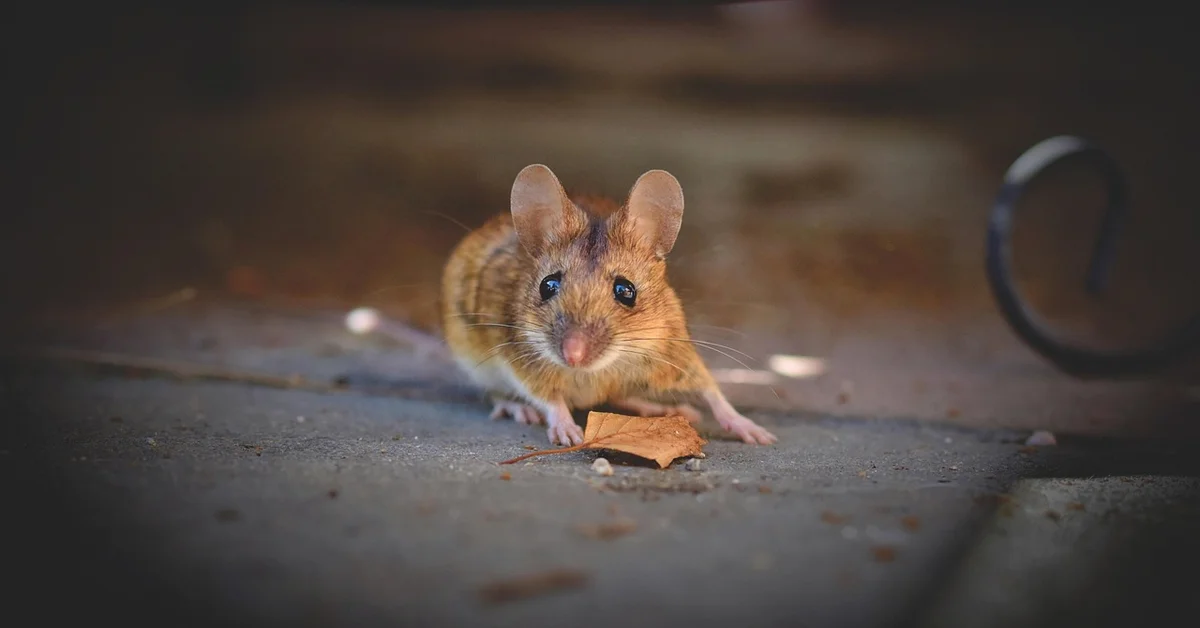
A show-ready mouse is a picture of health and vitality, and achieving that look requires a gentle, consistent routine. Begin your preparation at least two weeks before the event to allow your mouse’s coat to reach its full, natural luster. This isn’t about a last-minute bath; it’s about fostering peak condition from the inside out. Watch for grooming signs like a glossy, tangle-free coat, bright eyes, and clean ears and paws. Those cues tell you your routine is working and when to make small adjustments before show day.
I keep a dedicated show kit for my boys, Kenny, Gregory, and Jeffery, which helps the process feel calm and predictable for them.
- Offer a shallow dish of chinchilla sand a few times a week for dust bathing; this absorbs excess oils and leaves their fur looking fluffy and clean.
- Gently inspect ears, eyes, and nose daily, using a soft, damp cotton swab only if you see any minor debris.
- Check nails and teeth; overgrown nails can be carefully filed with an emery board if they are causing issues, but major dental work is a vet’s job.
- Provide a high-protein diet boost in the weeks leading up to the show, like offering small bits of scrambled egg or mealworms, to support muscle tone and a glossy coat.
- Handle your mouse frequently to ensure they are comfortable being examined from all angles, gently running a finger along their back and sides.
The goal is a mouse that is not just clean, but radiantly healthy and accustomed to being handled with care. Your mouse’s confident demeanor under judge’s hands is just as telling as the quality of its fur. That raises the question of how mice interact with humans and whether they can recognize their owners. In fact, through scent, voice, and repeated handling many mice learn to distinguish and respond differently to familiar people.
Understanding Show Housing and Biosecurity
Show venues are bustling with people and rodents from many different homes, making disease prevention an absolute priority. Biosecurity is the non-negotiable practice of protecting your mouse from illness before, during, and after an exhibition. It requires vigilance and a well-thought-out plan.
I always bring my own everything to a show to create a familiar and safe bubble for my mice.
- Transport your mouse in a secure, well-ventilated carrier with familiar bedding from their home cage to reduce stress.
- At the show, you will transfer your mouse to a provided show tank; these are typically simple, clean enclosures used only for the duration of judging.
- Never share water bottles, food dishes, or toys with other exhibitors, as this is a primary route for transmitting mites or viruses.
- Carry a small bottle of hand sanitizer and use it diligently after touching any surface or tank other than your own.
- Upon returning home, house your mouse in a separate, quarantine cage for at least two weeks to monitor for any signs of illness they may have picked up.
Think of the show tank as a temporary stage, not a home. Your primary responsibility is to be your mouse’s advocate and first line of defense in a novel environment.
What Happens at Mouse Shows and Competitions
Judging Criteria and What Judges Look For
The judge’s table is where months of care and dedication are evaluated against a detailed standard for the specific variety of mouse. Judging is a meticulous process that assesses the entire animal, from the tip of its nose to the end of its tail, for its adherence to an established ideal. It’s less about picking a “favorite” and more about measuring against a blueprint.
Watching judges work is a masterclass in observation. They are looking for a harmonious combination of traits.
- Condition & Health: A vibrant, clean coat, clear bright eyes, and an alert, lively attitude are the foundation. Any sign of illness or poor condition is an immediate disqualification.
- Type & Conformation: This refers to the body shape. Judges want a well-rounded body, a head that is proportionate with a slight curve from nose to skull, and ears that are large, thin, and set well apart.
- Color & Markings: The mouse’s color must be rich, even, and match the standard for its variety. For patterned mice, the symmetry, sharpness, and placement of markings are critically examined.
- Coat Texture: The fur should be very short, sleek, and lie perfectly smooth against the body, feeling like satin to the touch.
- Temperament: While a mouse need not be a cuddle bug, it should be handleable. A mouse that bites the judge or is overly frantic will be penalized.
Every little detail matters, from the evenness of a hooded marking to the graceful arc of the back. Success in the show ring comes from a deep understanding of the standard and a commitment to nurturing every aspect of your mouse’s well-being.
Joining the Mouse Fancy: Getting Started
Entering the world of mouse exhibitions can feel overwhelming, but breaking it down into simple steps makes the process approachable and fun. Starting with a local or online mouse fancy club gives you access to a supportive network of experienced owners who love sharing their passion. They can also help you find rodent clubs and mouse shows near you and point you to online event listings or social media groups. Try searching phrases like “find rodent club mouse show near” or checking local club directories to discover upcoming shows.
Find Your Community
Look for mouse fancy groups on social media or pet forums where members discuss shows and standards. Attending a virtual or in-person meeting lets you ask questions and see how exhibitions work without any pressure.
- Search for regional clubs affiliated with national organizations.
- Join online forums or Facebook groups dedicated to mouse care and showing.
- Reach out to members for mentorship or advice on your first steps.
Learn the Standards
Every mouse breed has specific criteria judges use, from coat color to body shape. Studying these guidelines helps you understand what makes a mouse stand out in competition. These standards are the foundation for understanding fancy mouse breeds, since they spell out the ideal traits for each variety. Learning them makes it easier to recognize, compare, and appreciate different breeds.
- Review breed standards on official mouse fancy websites.
- Observe winning mice at shows to see ideal traits in action.
- Practice evaluating your own mice against these benchmarks at home.
Prepare Your Mice
Getting your mice ready involves more than just good health; it’s about showcasing their unique personalities and features. Regular handling and gentle grooming build trust and ensure your mice are calm and confident during events. When mice are concerned they may groom excessively or, conversely, neglect grooming—both are useful signals of stress. Noticing these habits lets you adjust your handling and grooming to soothe them before a show.
- Handle your mice daily to accustom them to human interaction.
- Provide a nutrient-rich diet to enhance coat shine and overall vitality.
- Set up a mock show environment at home to reduce stress on event day.
Mouse Fancy Dress (The Other Kind)
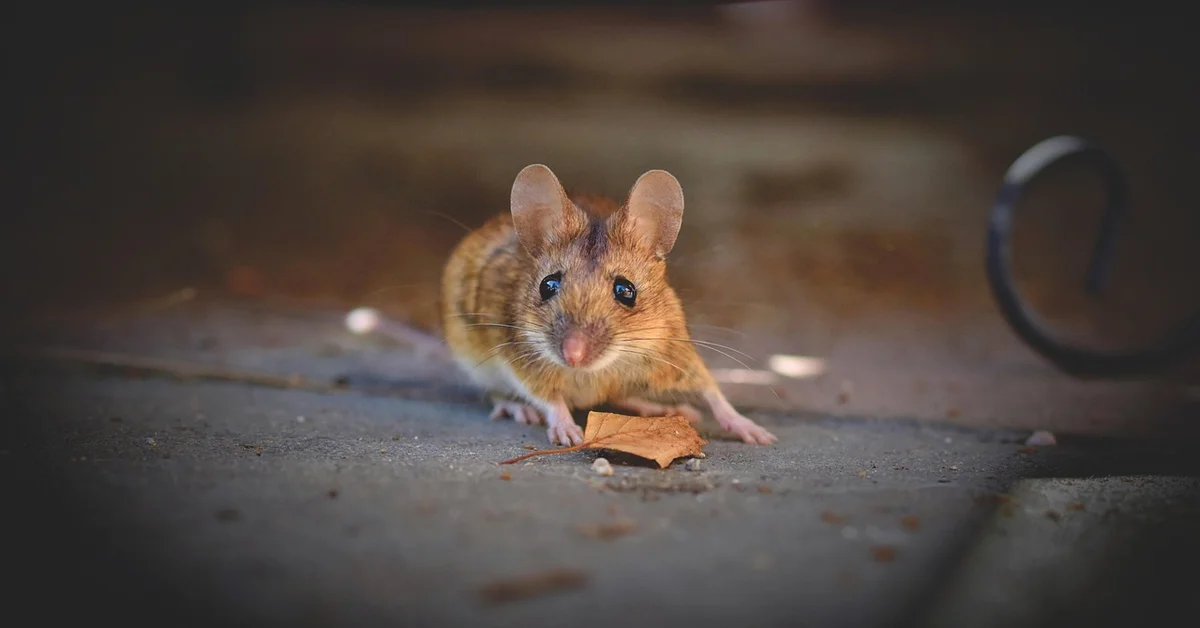
In mouse fancy, ‘dress’ isn’t about costumes but the art of presenting your mouse in peak condition. A well-groomed mouse with a vibrant coat and bright eyes captures attention and reflects your dedicated care.
Coat Care and Grooming
Keeping your mouse’s fur clean and tidy is essential for making a great impression. Regular brushing not only prevents mats but also highlights natural colors and patterns that judges admire. Combining grooming with gentle, regular handling helps tame your mouse so it stays calm during judging. Short, positive sessions will teach it to tolerate brushing and the handling required in the show ring.
- Use a soft-bristled brush for short-haired mice to avoid irritation.
- For long-haired varieties, gentle detangling maintains a flowing appearance.
- Check for skin health during grooming to address any issues early.
Health and Presentation
A mouse’s overall vitality shines through in its posture and energy. Feeding a balanced diet with supplements like flaxseed can boost coat luster and support active behavior.
- Include fresh veggies and protein sources for optimal nutrition.
- Trim nails carefully to prevent scratches and ensure a polished look.
- Monitor weight and activity levels to keep your mouse fit and alert.
Show-Day Readiness
On exhibition day, small details like clean ears and whiskers make a big difference. Arriving early with a calm, prepared mouse helps reduce anxiety for both of you and sets the stage for a positive experience.
- Do a final gentle wipe with a damp cloth to remove any debris.
- Bring familiar bedding or treats to comfort your mouse in new surroundings.
- Stay relaxed-your confidence can influence how your mouse behaves.
Frequently Asked Questions
Is “mouse fancy dress” about costumes for mice?
No, in the context of the mouse fancy community, “dress” refers to the grooming and presentation of your mouse for exhibition, not costumes. It involves ensuring your mouse is in peak health with a glossy coat, clean features, and calm temperament, as judges evaluate based on breed standards and natural appearance. Costumes are not used in shows, as they can stress the animal and interfere with fair judging.
Can I make DIY costumes for my mouse for fun outside of exhibitions?
While DIY costumes might be a creative activity for pet owners, they are not part of formal mouse fancy events. If you choose to dress up your mouse for photos or play, always use safe, non-restrictive materials and supervise closely to prevent injury or stress. However, in exhibitions, the emphasis remains on natural grooming and health, not costumes.
What is Fancy Feast Mousse, and is it suitable for fancy mice?
Fancy Feast Mousse is a wet cat food product made by Purina and is unrelated to the mouse fancy hobby. It is not recommended for mice, as their dietary needs differ significantly from cats-mice require a balanced diet of rodent-specific pellets, fresh vegetables, and occasional protein treats. For show preparation, focus on nutrition that supports coat shine and vitality, as outlined in mouse care guidelines.
Final Thoughts
Stepping into the world of the mouse fancy is less about winning a ribbon and more about joining a community that shares your unique passion. You will connect with people who understand the subtle difference in coat texture and the charming quirks of mouse personalities. You may even observe mouse social hierarchies and learn how to tell who is alpha. Understanding these dominance relationships can help with responsible housing and make conversations with fellow enthusiasts richer.
Every journey starts with a single step, and yours begins with the love you already have for your small companions. Whether you ever step into a show hall or simply enjoy learning more, you are enriching your life and the lives of your mice.
Further Reading & Sources
- Fancy Mouse Breeders’ Association – America’s largest organization of fancy mouse breeders, fanciers, and owners, dedicated to improving and promoting the mouse fancy.
- Fancy mouse – Wikipedia
- MICE Trade Shows – Expos, Trade Fairs & Exhibitions Upcoming in 2025/2026
Isabella is a passionate small pet enthusiast with over 8 years of experience in caring for mice. She loves sharing practical tips and heartfelt stories to help fellow mouse owners provide the best care for their tiny companions.
Mice in Culture & Media