
How Much and How Often to Feed Your Pet Mouse
Have you ever peered into your mouse’s cage, questioning if the amount of food you’re offering supports their health or secretly harms it? Setting the right feeding balance is a common concern, but with a few simple adjustments, you can provide a diet that keeps your mouse energetic and thriving for years. Drawing from my time with curious mice like Kenny and thoughtful ones like Jeffery, I’ll help you craft a feeding plan that feels both natural and nourishing.
This article will walk you through determining the perfect daily food quantity, creating a consistent feeding schedule that aligns with their instincts, and selecting the most beneficial foods for their well-being. You’ll gain the confidence to manage your mouse’s nutrition with ease and precision.
Understanding Daily Food Portions for Pet Mice
Measuring Portions by Mouse Age and Size
Getting the portion size right is less about strict measurements and more about observing your mouse’s body condition. A good starting point is one to two teaspoons of a high-quality lab block or pellet mix per mouse, per day. For my younger, highly active mouse Kenny, I lean towards the full two teaspoons, while my older companion Gregory maintains his perfect weight on just a teaspoon and a half.
Watch their shape from above; you’re aiming for a smooth, tapered body from shoulders to hips, not a round ball or a bony frame. Adjust portions gradually based on what you see. If their sides are bulging, scale back a little. If their hip bones start to feel prominent, add a bit more. This visual check is far more reliable than any fixed number on a scoop.
Breaking Down Diet Composition
A mouse’s diet should be a balanced foundation with thoughtful additions. Think of it like building a healthy plate. Diet influences a mouse’s long-term health, affecting lifespan, weight, and disease risk. Good nutrition helps prevent obesity and chronic problems.
- Staple Base (80-90% of diet): This must be a nutritionally complete lab block or pelleted food. These blocks are formulated to prevent selective eating, where a mouse picks out only the tasty, fatty seeds and leaves the healthy bits behind.
- Healthy Fresh Foods (10-15% of diet): These are your supplements. Offer a tiny piece of vegetable or fruit the size of your mouse’s ear a few times a week. My trio goes wild for a tiny floret of broccoli, a sliver of carrot, or a single blueberry.
- Protein & Treats (5% or less): This includes things like a single mealworm, a small piece of hard-boiled egg, or a pumpkin seed. Treats are for bonding and enrichment, not for filling their bellies. I save sunflower seeds for training moments with Kenny, as they are his ultimate motivator.
How Often Should You Feed Your Pet Mouse?
Daily Feeding Schedule That Actually Works
Mice have fast metabolisms and are natural foragers, which means one big daily meal doesn’t mimic their natural rhythm. The most effective method I’ve found is providing their main lab block portion in the evening, right as they are becoming most active. This aligns with their crepuscular nature and gives them food to explore and gnaw on throughout their waking hours.
In the morning, I do a quick spot check. I remove any uneaten fresh food from the night before to prevent spoilage and scatter a tiny pinch of their seed mix or a single treat puzzle around the cage to encourage natural foraging behavior during their quieter daytime periods.
Managing Multiple Mice Feeding Times
Feeding a group requires a little strategy to ensure everyone gets their fair share. Dominant mice can sometimes hoard food, leaving shyer companions like my Jeffery hungry.
My solution involves a multi-point feeding system that has worked wonders:
- Place food bowls in at least two different areas of the habitat, preferably in opposite corners.
- Use heavy, tip-proof ceramic bowls that can’t be easily dragged into a single hideout.
- Scatter a portion of their daily food directly onto the bedding. This forces the mice to search and graze, preventing one mouse from guarding a single food pile.
- Observe. Watch for a few minutes after feeding to see who goes where. If you notice one mouse consistently being chased away, add a third, more hidden feeding spot.
This approach turns mealtime into a enriching activity rather than a stressful competition. I often see Gregory calmly eating from one bowl while Kenny and Jeffery happily hunt for scattered seeds together, ensuring a peaceful and well-fed mischief.
What Should Your Pet Mouse Actually Eat?
Commercial Pellets and Lab Blocks as Foundation
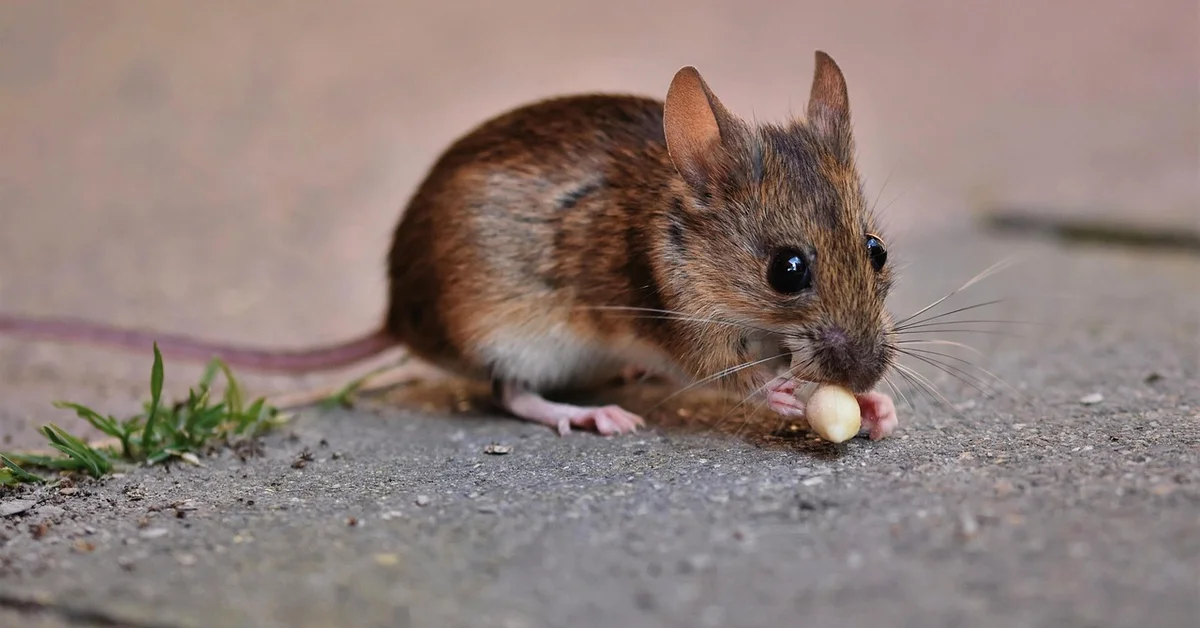
Your mouse’s main meals should center on high-quality commercial pellets or lab blocks designed specifically for mice. These foods provide a balanced mix of protein, fiber, and essential vitamins that prevent selective eating and nutrient gaps. Look for brands with around 14-16% protein and 4-5% fat to support overall health without excess calories. In a seed mixes vs lab blocks deep dive on mouse nutrition, we’ll compare how lab blocks stack up against seed-based diets and explain why blocks usually provide more consistent, balanced nutrition for long-term health.
I always keep a small dish of lab blocks available for Kenny, Gregory, and Jeffery, refilling it daily to ensure they have constant access. Lab blocks are harder and help wear down their ever-growing teeth, which is a natural and necessary part of mouse dental care. Avoid seed mixes as a staple—mice often pick out favorite bits and leave the rest, leading to an unbalanced diet.
Safe Fresh Foods and Healthy Treats
Fresh foods add variety and enrichment to your mouse’s diet, but they should only make up about 10-20% of their total intake. Offer small, bite-sized pieces of vegetables and fruits a few times a week to prevent digestive upset. These treats belong near the top of the mouse food pyramid as occasional supplements, while pellets and seeds form the base. Following the pyramid helps ensure balanced nutrition and prevents overfeeding of sugary fruits. My mice love crunchy veggies like broccoli and carrots, while Jeffery goes wild for a tiny bit of apple or banana.
Healthy treats can include cooked plain pasta, small bits of hard-boiled egg, or unsweetened cereal. Always introduce new foods gradually and watch for any changes in behavior or droppings to ensure they agree with your mouse. You can combine small amounts of these into a simple, balanced treat mix—just chop items finely and use tiny portions. Avoid toxic, sugary, or fatty foods when assembling the mix. Here’s a quick list of mouse-safe options:
- Vegetables: broccoli, peas, spinach, cucumber
- Fruits: apple slices, berries, melon (remove seeds)
- Proteins: cooked chicken, mealworms, plain yogurt
Foods to Avoid Completely
Some human foods are toxic or harmful to mice and must be kept out of their reach. Chocolate, caffeine, and alcohol can cause severe health issues or even be fatal to your tiny friend. Also steer clear of anything high in sugar, salt, or fat, like candy or processed snacks. To help keep them safe, here are common foods you should never feed a mouse. Avoiding these items can prevent accidental poisoning and serious illness.
Onions, garlic, and raw beans contain compounds that can damage a mouse’s red blood cells or digestive system. Sticky foods like peanut butter can pose a choking hazard, so if you offer it, mix it with water to thin it out. Remember, when in doubt, leave it out-your mouse’s safety comes first.
Special Feeding Needs by Life Stage
Feeding Juvenile and Weaning Mice
Young mice, like Jeffery, are growing rapidly and need more frequent meals with higher protein content. Offer a constant supply of lab blocks or crushed pellets to support their development and energy levels. You might notice they eat more often and are always on the move, so never let their food dish run empty.
For weaning mice transitioning from mother’s milk, provide moistened pellets or small amounts of soft foods like oatmeal. This helps them adjust to solid food without stressing their delicate digestive systems. Keep an eye on their weight gain—steady growth is a good sign they’re getting enough nutrition. Remember that babies, pregnant or nursing females, and senior mice have special nutritional needs that may require higher-calorie or modified diets. Consult a veterinarian or an experienced care guide to tailor feeding and supplements for these cases.
Adjusting Portions for Senior Mice
Older mice, such as Gregory, often slow down and may need fewer calories to avoid weight gain. Reduce pellet portions slightly if you notice less activity, and consider softer foods if dental issues arise. Senior mice might appreciate easier-to-eat options like soaked lab blocks or finely chopped veggies.
Monitor their eating habits closely-some older mice become picky or have trouble accessing food dishes. Placing food in multiple low-sided dishes can make mealtime more comfortable for arthritic or less mobile mice. A gentle diet adjustment can help maintain their quality of life as they age.
Pregnant or Nursing Mouse Dietary Changes
If you have a pregnant or nursing mouse, her nutritional demands increase significantly to support her and her litter. Boost her protein intake with extra lab blocks and small amounts of high-protein treats like cooked egg or tofu. Always ensure fresh water is available, as hydration is crucial during this time. For more information, check out our ideal diet for pregnant and nursing does.
Provide constant access to food, as nursing mice eat frequently to produce milk. You might see her consuming up to twice her normal amount, so keep her dish full and offer nutrient-dense options. Avoid over-supplementing with fatty treats; stick to balanced increases to prevent obesity while meeting her elevated needs.
Recognizing Overfeeding and Underfeeding Signs
Warning Signs of Obesity in Pet Mice
An overweight mouse may have a rounded belly, difficulty moving, or labored breathing. You might notice your mouse struggling to climb or groom itself properly, which can lead to other health issues. Feel along their sides-if you can’t easily sense their ribs, it could be a sign of excess weight.
Behavioral changes like lethargy or reduced exploration are common in obese mice. Kenny, for example, became less adventurous when he gained a bit too much weight, so I adjusted his diet and added more exercise options. Regularly weigh your mouse on a small scale to track changes and catch problems early.
Signs Your Mouse Isn’t Getting Enough Food
Underfed mice often appear thin, with prominent hip bones or a tucked-up abdomen. Watch for listlessness, hunched posture, or a dull coat, as these can indicate malnutrition or insufficient calories. They might also become more aggressive around food or hoard scraps excessively.
If your mouse is losing weight or seems weak, increase food availability and consider higher-calorie options temporarily. Jeffery once went through a phase where he wasn’t eating enough, and adding a bit of plain oatmeal helped him regain his energy and cheerful demeanor. Always consult a vet if you’re unsure, as underlying health issues could be at play.
Hydration and Water Management
While food gets most of the attention, proper hydration is the silent partner in your mouse’s health. A clean, constant supply of fresh, clean water is non-negotiable for their tiny, fast-working systems. I check my boys’ water bottles every single day without fail. Even slight contamination or stagnation can lead to illness, so bottles and bowls should be cleaned and refilled daily. Fresh water supports digestion, temperature regulation, and their high metabolisms.
Use a sipper bottle designed for small pets, securely attached to the side of the cage to prevent leaks. Glass bottles are my personal preference as they don’t scratch easily and stay cleaner. You must listen for that gentle “glug-glug” sound when you test the bottle; it confirms the vacuum is working and water is flowing.
Change the water and thoroughly rinse the bottle every day to prevent bacterial slime from building up inside the tube. Once a week, give it a deep clean with a bottle brush and a vinegar solution. If you notice your mouse is constantly at the bottle or not drinking at all, it can be an early sign that a vet visit is needed.
Practical Portion Control Tips and Feeding Strategies

Figuring out the right amount can feel tricky, but a simple strategy eliminates the guesswork. I’ve found that a measured approach prevents both waste and weight issues.
- Use a measuring spoon for consistency. A level teaspoon of a high-quality lab block per mouse, per day, is a fantastic starting point.
- Scatter this main portion of food across the cage bedding instead of using a bowl. This encourages natural foraging behavior and provides mental stimulation.
- Observe your mice for a week. If all food is gone quickly and they seem eager for more, you can offer a tiny bit extra.
- If you consistently find leftover food the next morning, reduce the amount by a small pinch.
My Jeffrey, for instance, is a lighter eater, so I adjust his portion slightly. The goal is an empty food scene by the next feeding time, with no hoarded stashes turning stale. This method keeps my trio at a healthy, active weight.
Making Mealtime Enriching
Feeding time shouldn’t just be about nutrition; it’s a prime opportunity for enrichment. Turning dinner into a puzzle keeps their clever minds sharp and satisfies their instinct to work for food.
I love to hide their daily lab blocks in different spots. Rotating hiding places prevents boredom and turns a simple meal into an exciting treasure hunt. You can use plain cardboard tubes, empty tissue boxes, or even a small, clean terracotta pot.
- Weave a few lab blocks into a sisal rope and hang it from the cage top.
- Place food inside a clean, empty egg carton and close the lid loosely.
- Bury a portion of their food deep within a dig box filled with crinkle paper or safe bedding.
Watching Kenny eagerly figure out a new food puzzle is one of my daily joys. This active engagement helps prevent repetitive behaviors and supports overall well-being. Get creative-your mice will thank you for the challenge!
Frequently Asked Questions
Why do pet mice eat their own poop?
This behavior, known as coprophagy, is normal and beneficial for pet mice. They consume certain soft droppings to reabsorb essential nutrients like B vitamins and vitamin K that were not fully digested the first time, aiding in overall digestive health. As long as your mouse is active and shows no signs of illness, this is not a cause for concern and is a natural part of their diet (coprophagy: why mice eat poop).
How can I introduce new foods to my pet mouse’s diet safely?
Start by offering a tiny amount of the new food, about the size of your mouse’s ear, and monitor for any adverse reactions like diarrhea or lethargy over the next 24 hours. Introduce only one new food at a time to easily identify any sensitivities, and gradually incorporate it into their diet a few times a week if well-tolerated.
What should I do if my pet mouse is a picky eater?
If your mouse selectively eats only certain items, try switching to a nutritionally complete lab block as their staple food to prevent imbalances, and limit high-fat treats like seeds that encourage fussiness. You can also make mealtime more engaging by hiding small pieces of healthy foods in foraging toys to stimulate their natural curiosity and appetite.
Wrapping Up
The most effective feeding strategy for your mouse combines consistent, measured portions with your own daily observation. Stick to a high-quality lab block as the main course, supplement with a small, varied selection of fresh foods, and offer treats sparingly to keep your pet both healthy and happy.
Your careful attention to their eating habits and body condition is the ultimate guide to perfect portioning. Every mouse is an individual, and by watching yours closely, you will naturally learn the ideal routine that keeps them thriving for years to come.
Further Reading & Sources
- What to Feed Pet Mice: Nutritional Guidelines – LittleGrabbies
- How to Feed Your Mouse Effectively – Petswelcome.com
- What To Feed Pet Mice | RSPCA – RSPCA – rspca.org.uk
Isabella is a passionate small pet enthusiast with over 8 years of experience in caring for mice. She loves sharing practical tips and heartfelt stories to help fellow mouse owners provide the best care for their tiny companions.
Diet Basics