
Fox and Fawn Tan Patterns: A Guide for Mouse Enthusiasts
Have you ever found yourself admiring your mouse’s coat but feeling unsure how to distinguish between the elegant Fox and Fawn tan patterns? As someone who has cared for many mice over the years, I know how puzzling these varieties can be at first glance, and I’m here to offer a straightforward way to recognize and appreciate each one.
In this article, you’ll get a clear breakdown of the defining traits of Fox and Fawn patterns, simple steps to identify them, and care insights tailored to mice with these distinctive coats.
Understanding Tan Patterns in Pet Mice
How the Tan Gene Creates These Patterns
The magic behind these beautiful coats boils down to a single gene, a powerful modifier that works on the foundational agouti pattern. Think of the tan gene as a specialized artist that meticulously repaints the mouse’s underside, leaving the back and sides to showcase the base color. It essentially restricts the production of dark pigments, like black and brown, to the top of the mouse, while allowing the lighter, warmer pigments to flourish on the belly and along the sides. This creates that signature, sharp line of demarcation you see running along the mouse’s flank.
I’ve watched this gene express itself in my own mischief, and it’s fascinating to see how it interacts with other color genes. The final appearance of a tan-patterned mouse is a delicate dance between the tan gene and whatever base color the mouse carries. It doesn’t create a new color itself but instead acts as a masterful director, telling the pigments exactly where they can and cannot go on the mouse’s body, resulting in the distinct fox and fawn patterns we adore. A visual guide to mouse color genetics makes these interactions easy to picture, showing how different base colors alter the tan gene’s effects. It helps predict and compare the range of fox and fawn outcomes you might expect.
Fox Tan Pattern: Rich Contrasts and Earthy Tones
What Fox Pattern Mice Look Like
A Fox pattern mouse is a stunning study in contrast, reminiscent of the wild red fox for which it’s named. The most defining feature is a crisp, clean line separating a richly colored back from a pure white or cream underside. Their bellies are not just lightly colored; they are a stark, bright white that makes the top color pop with incredible intensity. The sides of their face and their jawline are also typically this light color, framing their expressive little faces. The Fox is one example of marked mice, a group characterized by sharp, contrasting markings. Related varieties include even and broken Dutch patterns, which also display distinctive white blazes and colored patches.
Looking closer, you’ll notice their fur isn’t a flat, solid color on top. Many Fox pattern mice exhibit a lovely “ticking,” where individual hairs are banded with multiple colors, giving their coat a dynamic, textured appearance. Their ears are often dark, and a dark line, sometimes called a dorsal stripe, can run the length of their spine, adding to their wild and elegant aesthetic. My curious mouse, Kenny, with his light gray base, would look spectacular with this pattern, the white belly highlighting his energetic darts around the cage. You can find this pattern and others in our pet mouse colors and markings guide. It explains how to identify and compare common markings.
Fox Pattern Color Varieties
The Fox pattern is a versatile canvas that looks magnificent on a range of base colors. The pattern itself remains constant, but the topcoat color creates all the variety.
- Black Fox: A jet-black back creates the most dramatic contrast against the snow-white belly. This is a classic and strikingly beautiful combination.
- Chocolate Fox: Imagine a deep, rich milk chocolate back. This variety offers a warmer, softer contrast that is incredibly handsome and less severe than the black.
- Blue Fox: This is one of my personal favorites. The “blue” is actually a soft, slate-gray color that provides a cool, sophisticated contrast with the white undercarriage.
- Dove Fox: A much softer look, with a pale, warm gray back that almost seems to blend gently into the white belly, creating a more subtle and delicate appearance.
The true beauty of the Fox pattern lies in how it intensifies the richness of the base color, making even a common shade like black look exceptionally vibrant and deep. Each variety has its own unique charm, from the bold drama of the Black Fox to the understated elegance of the Dove Fox.
Fawn Tan Pattern: Subtle Warmth and Gentle Hues
What Fawn Pattern Mice Look Like
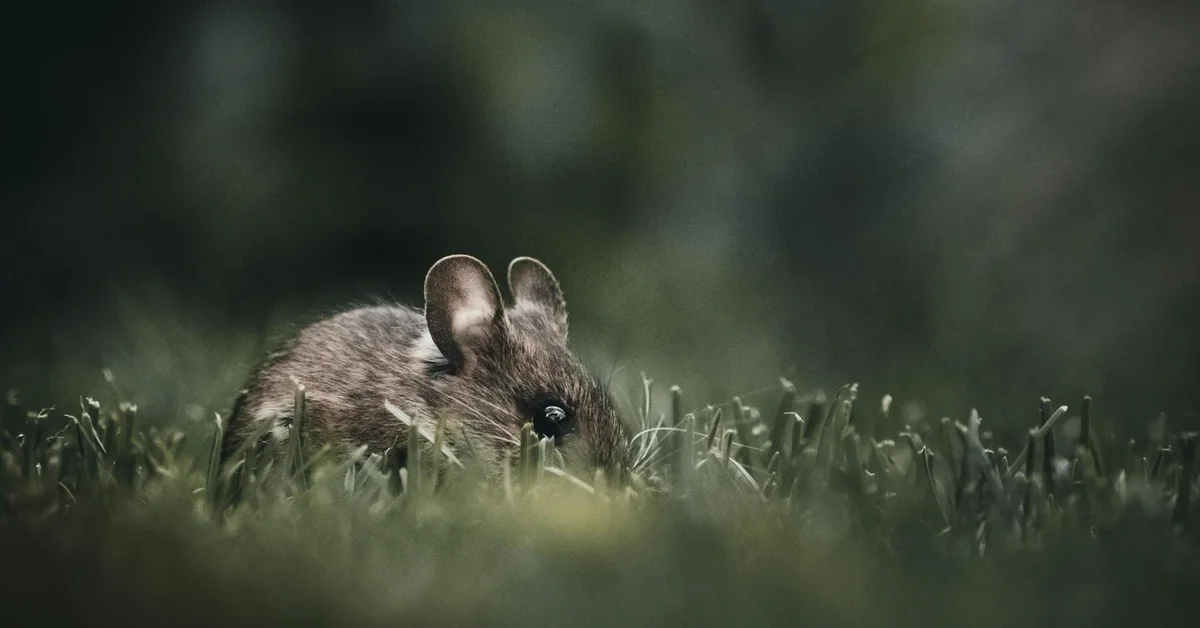
Fawn pattern mice possess a beautifully understated coat that feels like a perpetual, gentle sunrise. The overall impression is one of soft warmth, with a creamy, off-white belly that seamlessly blends into a delicate buff or light tan color across their back and sides. Unlike the stark contrast of other patterns, the Fawn’s colors melt into one another, creating a harmonious and elegant look. I’ve always found their fur has a unique, almost powdery texture that catches the light softly.
Fawn Pattern Color Varieties
The term “fawn” covers a lovely spectrum of earthy, muted tones. While the base is always a warm cream, the overlay can vary significantly.
- Classic Fawn: Features a light, sandy tan overlay. This is the most common and recognizable variety.
- Apricot Fawn: Shows a subtle peachy or apricot blush mixed into the tan, giving the mouse a slightly rosier glow.
- Champagne Fawn: A cooler, very pale tan that almost appears like a light beige or champagne color against the cream base.
- Blue Fawn: A rarer and stunning variant where the tan has a distinct grayish or slate-blue cast, creating a truly unique smoky appearance.
Fox vs Fawn: Spotting the Differences
Side-by-Side Comparison Guide
While both are “tan” patterns, telling a Fox and a Fawn mouse apart becomes second nature once you know what to look for. The key distinction lies in the sharpness of the color separation and the overall intensity of the hues. Think of Fox as bold graphic art and Fawn as a soft watercolor painting.
| Feature | Fox Pattern | Fawn Pattern |
|---|---|---|
| Belly Color | Pure, crisp white | Warm cream or off-white |
| Back/Side Color | Rich, distinct reddish-tan | Soft, muted buff or light tan |
| Color Demarcation | Clear, sharp line of separation | Soft, blended, and gradual transition |
| Overall Vibe | Striking and high-contrast | Subtle, warm, and harmonious |
Living with Fox and Fawn Pattern Mice
Keeping Their Tan Markings Clean
Light-colored fur, especially the pristine white bellies of Fox mice, can show dirt more easily. A clean habitat is your first and most powerful tool for keeping their beautiful coats looking bright. I find that providing a dedicated sand bath with chinchilla dust gives them a natural way to self-clean their fur, absorbing excess oils. For stubborn messes, a soft, damp cloth can be used for gentle spot-cleaning soiled fur, but baths in water are stressful and should be avoided. When you spot-clean soiled fur, focus only on the dirty area and use minimal moisture, blotting gently rather than rubbing. Pat the area dry quickly to prevent chilling.
Best Bedding and Habitat Choices
Your choice of bedding can either enhance or dull the appearance of their lovely tan patterns. Opt for bedding in natural, light colors like undyed paper pulp or white aspen shavings to make their warm fur tones truly pop. Dark bedding, while functional, can make their colors look muddy and hides the subtle beauty of the Fawn pattern. For enrichment, I love using birch wood toys and neutral-colored hides; they are safe for chewing and create a beautiful, natural backdrop that complements their coats perfectly.
Finding Fox and Fawn Pattern Mice
Locating these specific tan pattern varieties can feel like a treasure hunt, as they are not as common as solid-colored or even standard agouti mice. Your most reliable path is through dedicated, ethical mouse breeders who specialize in fancy varieties and maintain detailed pedigree records. I’ve found that breeders who list “fox” or “fawn” in their available litters are your best bet, as they understand the genetics involved. Understanding fancy mouse breeds—their standard colors, patterns, and terminology—helps you interpret pedigrees and breeder listings. That knowledge also makes it easier to choose the right litter and care for the mice properly.
You might also get lucky with small animal rescues, though the specific pattern will rarely be listed. When I was looking for my first fawn mouse, I visited a rescue and simply asked to see their lightest tan or cream-colored mice, which is how I found my dear Gregory. Be prepared to be patient; these beautiful patterns are worth the wait. A good guide to exotic pet mouse species can help you identify which species and color morphs commonly show these patterns and what to expect in care. It can also point you toward reputable breeders and rescue resources.
- Specialty Breeders: Seek out breeders who focus on “fancy” or “show-type” mice. They are most likely to work with and understand these specific color genetics.
- Online Rodent Communities: Forums and social media groups for mouse enthusiasts are excellent places to network and find leads on breeders who have these patterns.
- Rescue Organizations: While a long shot for a specific pattern, you can give a wonderful home to a mouse in need. Describe the fawn or fox coloring to volunteers.
- Ask the Right Questions: When contacting a source, ask not just about color, but about the overall health and temperament of the mouse and its lineage.
Health Considerations for Tan Pattern Mice
It’s a common and understandable question: does a specific coat color or pattern come with inherent health risks? From my experience caring for many mice, including my fawn-colored Gregory, the tan pattern itself does not predispose them to any unique illnesses. Coat colors are determined by dominant and recessive genes, which decide whether a trait appears in offspring. These inheritance patterns generally affect appearance only, not health. Their health is far more dependent on their overall genetics, diet, and environment, just like any other mouse.
That said, the genes responsible for these beautiful tan shades can sometimes be linked to other traits in a mouse’s genetic background. This is why sourcing from a responsible breeder who prioritizes robust health over just color is so vital. A good breeder will be transparent about the general health of their lines. Understanding locus-based mouse color genetics—especially the B, C, D and P loci—helps buyers know how those tan shades are inherited and whether associated alleles might carry linked traits. That knowledge is why responsible breeders may genotype their stock or avoid particular pairings to minimize health risks.
You should focus on the universal signs of a healthy mouse, regardless of its coat.
- Bright, Clear Eyes: Check for any crustiness, swelling, or a constant squint, which can indicate respiratory issues or other infections.
- Clean Ears and Nose: There should be no discharge or redness around these areas. My mouse Jeffery once had a minor respiratory infection, and the first sign was a tiny red spot around his nose.
- A Full, Shiny Coat: A fawn or fox mouse should have a soft, dense coat without any bald patches, flakiness, or signs of parasites.
- Consistent Weight and Appetite: Monitor their eating habits. A sudden loss of interest in food, especially a favorite treat like sunflower seeds, is a red flag.
- Active and Alert Behavior: While Gregory is naturally more sedate than young Kenny, any mouse that becomes lethargic or unresponsive needs immediate attention.
Always have a veterinarian who is experienced with small exotics lined up before you even bring your new mouse home. Establishing this relationship early means you’re prepared to act quickly at the first sign of any health concern, giving your tan-patterned friend the best possible care.
Frequently Asked Questions
Are tan fox fawn patterns unique to mice, or can they be found in cats and dogs?
No, tan fox fawn patterns are specific to mice and are not commonly used to describe coats in cats or dogs. In other pets, similar appearances might result from different genetic mechanisms, such as agouti or tabby patterns in cats, but the terminology and precise traits vary. For mouse care, it’s important to focus on resources tailored to rodent genetics to accurately identify and understand these distinctive patterns.
Can a mouse have a hybrid fox and fawn pattern?
No, a mouse cannot exhibit a hybrid of the fox and fawn patterns because they are distinct expressions of the same tan gene. The tan gene produces either the high-contrast fox pattern with a sharp color separation or the soft-blended fawn pattern, but not an intermediate form. Breeding mice with these patterns will result in offspring that inherit one or the other, based on their genetic makeup.
Do tan fox fawn colors fade or change over a mouse’s lifetime?
Tan fox fawn colors typically remain stable, but factors like aging, diet, and overall health can subtly affect coat vibrancy. Providing a nutrient-rich diet and a clean environment helps maintain their appearance, though some natural lightening may occur with age, similar to other coat types. Regular monitoring ensures any changes are due to normal aging rather than health issues.
Your Journey with Tan Patterns
Fox and fawn patterns are a beautiful reminder of the incredible diversity found within our small companions. Each mouse’s unique coat is a living work of art, telling a subtle story of genetics and individuality right in your own habitat. These names and patterns have a long history among breeders, and in the world of fancy mice they denote established varieties with specific meanings. Knowing that history adds depth to how we appreciate each mouse’s look.
Caring for these special mice is ultimately about appreciating the whole creature, not just the color of its fur. Whether your mouse’s pattern is bold or subtle, the real joy comes from the personality that shines through and the bond you build with attentive, loving care every single day. Mice are social animals and can learn to recognize and respond to their owners by scent, voice and routine. With gentle, consistent handling and positive interactions, many mice will seek out and interact with their favorite humans.
Further Reading & Sources
- Ravelry: Fawn and Fox pattern by YellowBlueDesign by Olya Mikesh
- Fawn and Fox Toys | Knitting Pattern by Olya Mikesh | Brooklyn Tweed
- Fawn and Fox Hats | Knitting Pattern by Olya Mikesh | Brooklyn Tweed
Isabella is a passionate small pet enthusiast with over 8 years of experience in caring for mice. She loves sharing practical tips and heartfelt stories to help fellow mouse owners provide the best care for their tiny companions.
Mice Breeds & Varieties