
Hairless Mouse Care: Essential Skin Moisturizing and Protection Guide
Have you noticed your hairless mouse’s skin looking dry, flaky, or easily irritated, and felt unsure how to help? As a dedicated mouse owner, I’ve navigated these exact concerns and will share proven methods to soothe and safeguard your pet’s delicate skin.
This guide will walk you through practical, step-by-step care routines, including selecting the safest moisturizers for sensitive mouse skin and creating a protective environment to prevent common skin issues.
Understanding Hairless Mouse Skin and Why Protection Matters
Hairless mouse skin is remarkably similar to our own, but without the protective fur coat most animals rely on. Their delicate dermis is constantly exposed, making it prone to dehydration, scratches, and temperature fluctuations. Think of their skin like the palm of your hand, but covering their entire body and far more sensitive to every touch and draft.
Without proper care, this exposure can lead to a cascade of problems. Dry skin can quickly escalate into painful cracking and flaking, creating open pathways for infection. I’ve learned that maintaining a robust skin barrier is the single most important factor in keeping a hairless mouse healthy and comfortable throughout its life. A preventative mouse health guide outlines simple, proactive steps to protect that barrier. Regular moisturizing, clean bedding, and routine checks can prevent minor dryness from becoming serious issues.
- Lacks natural oils and fur for insulation and protection.
- Loses body heat and moisture at an accelerated rate.
- Highly susceptible to abrasions from cage furniture and rough bedding.
- Prone to sunburn if placed in direct sunlight.
Safe Moisturizers and Products for Hairless Mouse Skin
Choosing Vet-Safe Moisturizing Creams and Lotions
Selecting a moisturizer requires a careful eye for ingredients. Your safest bet is always a product specifically formulated for small animals or recommended by an exotic veterinarian. Human lotions often contain fragrances, alcohols, and complex chemicals that can irritate their skin or be toxic if ingested during grooming.
I keep a small tube of a plain, unscented, water-based moisturizer on hand for my boys. Look for products with simple, soothing components like colloidal oatmeal, shea butter, or vitamin E. A tiny dab, warmed between your fingers, is all you need to gently massage into their skin after a cleaning.
- Vetericyn Plus Small Animal Antimicrobial Hydrogel provides soothing moisture and protects minor skin issues.
- Organic, unrefined coconut oil is a fantastic natural option that is safe if licked.
- Aloe vera gel must be 100% pure and free of alcohol, dyes, and lidocaine.
- Apply moisturizer sparingly; a little goes a very long way on their small bodies.
Emollients and Barrier Ointments That Work
For times when their skin needs a little extra help, emollients and barrier ointments are your best friends. These products work by creating a protective, semi-occlusive layer that locks in existing moisture and shields the skin from external irritants. They are thicker than standard lotions and provide longer-lasting relief.
My go-to for a protective shield is a simple petroleum jelly-based ointment. Products like pure petroleum jelly or a dab of olive oil can act as an effective, inexpensive barrier against dry air and minor friction. I find these are particularly useful for Jeffrey, whose anxious nature sometimes leads to over-grooming dry patches.
- Petroleum jelly forms a safe, inert barrier over minor scrapes and dry areas.
- Vitamin A & D Ointment is soothing and promotes skin healing.
- Lanolin-based creams are highly effective but ensure your mouse isn’t allergic with a patch test first.
- Use barrier ointments on specific problem areas, not the entire body, to avoid clogging pores.
Gentle Cleansers and Bathing Products
Bathing a hairless mouse is a delicate operation that should be done infrequently. Frequent washing strips their skin of its essential natural oils, leading to a counterproductive cycle of dryness. Spot cleaning with a warm, damp cloth is often all that’s needed between full baths.
When a bath is necessary, the choice of cleanser is critical. I exclusively use a mild, tear-free baby shampoo or a specially formulated small animal shampoo, diluted significantly with warm water. The goal is to cleanse without disrupting the skin’s delicate pH balance, keeping their bath time short, warm, and stress-free.
- Prepare a shallow basin with a few inches of lukewarm water.
- Add a single drop of gentle cleanser and mix to create a weak solution.
- Support your mouse fully and lower them in, using a soft cloth to wipe their skin.
- Rinse thoroughly with clean, lukewarm water from a separate container.
- Pat them dry immediately with a soft, absorbent towel and keep them in a warm, draft-free area until completely dry.
Daily and Weekly Skin Moisturizing Routines
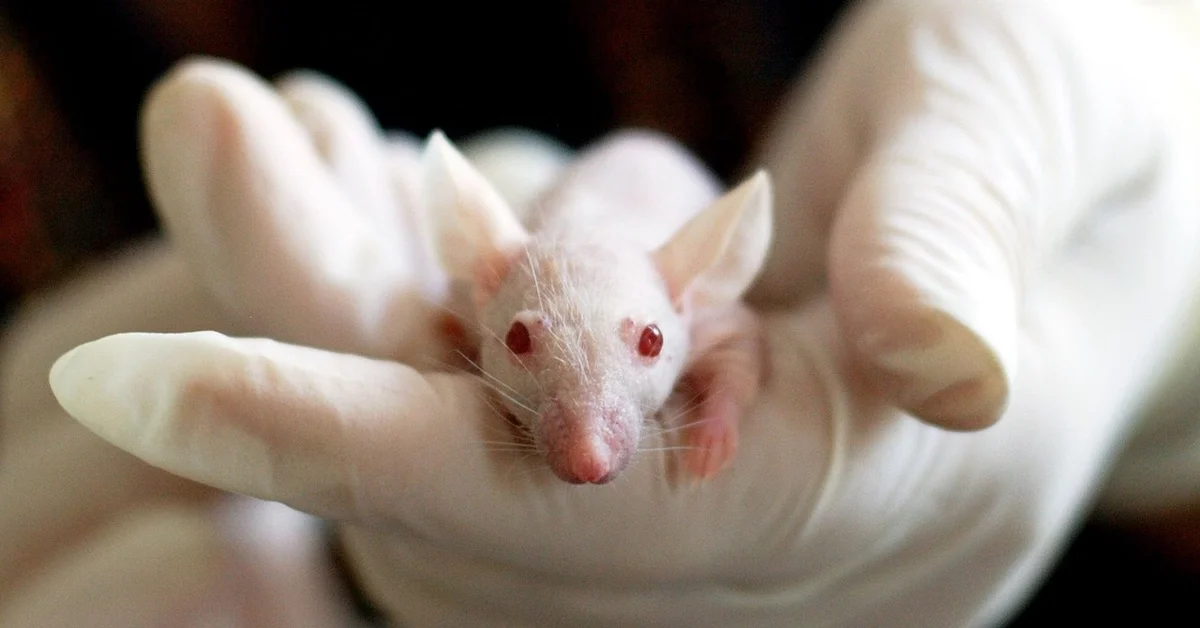
How Often Should You Moisturize Hairless Mouse Skin?
The frequency of moisturizing depends heavily on your home’s climate and your specific mouse’s skin. I find that a daily, very light application works best for most hairless mice, with a more thorough weekly session to address any dryness. In drier winter months or with artificial heating, you might need to moisturize gently twice a day to prevent flaky, tight skin. My mouse Jeffery, for instance, needs a bit more frequent attention than my others, as his skin tends to get dry patches if I’m not diligent.
Watch for these cues to adjust your schedule:
- Flaky or ashy-looking skin means you should increase moisturizing frequency.
- Oily or greasy skin is a sign you are applying too much product or doing it too often.
- Redness or irritation might indicate an allergy to the product, not the schedule.
Step-by-Step Application Technique
Proper technique ensures the moisturizer absorbs without stressing your mouse. The goal is to apply a thin, even layer quickly and calmly, turning skincare into a positive interaction. I always have everything ready before I take my mouse out for a session to keep the process short and sweet.
- Wash your hands thoroughly with unscented soap and warm water.
- Place a tiny, pea-sized amount of your chosen safe moisturizer onto your fingertip.
- Gently hold your mouse in your other hand, supporting its full body.
- Using soft, stroking motions, apply the moisturizer from the back of the neck down the spine, avoiding the face, eyes, and ears entirely.
- Allow your mouse to sit in a warm, safe area for a minute or two while the product absorbs.
Reading Your Mouse’s Skin Condition
Your mouse’s skin is a direct window into its health and comfort. Healthy hairless mouse skin should feel soft and supple, not tight, oily, or rough to the touch. Run your finger gently along their back; you’re aiming for the texture of a soft chamois cloth. Any deviation is a message you need to listen to, especially if it contrasts with their regular grooming habits.
- Dry & Flaky: The most common issue, signaling a need for more frequent or richer moisturizing.
- Red & Inflamed: Can point to an allergy, an infection, or abrasive bedding. This often requires a vet visit.
- Oily & Clogged: You are likely over-moisturizing. Scale back and let the skin balance itself.
- Small Scratches or Scabs: Indicates the cage environment is too rough or cage mates are being too rowdy.
Protecting Hairless Mice from Environmental Damage
Sun Protection and UV Exposure Prevention
Hairless mice have zero natural protection from ultraviolet rays. Direct sunlight, even through a window, can cause serious sunburn on their delicate skin in a surprisingly short amount of time. I never place my mice’s cage near a window where the sun hits directly, and any playtime outside the cage happens in a fully shaded room.
- Use blackout curtains or blinds on windows in the room where the cage is located.
- If you use a full-spectrum light for plants, ensure it is not shining into or directly onto the mouse enclosure.
- There are no safe “sunscreens” for mice, so prevention through cage placement is your only reliable tool.
Temperature Regulation and Heating Solutions
Without a fur coat, hairless mice struggle to maintain their body heat. Providing a consistent, warm environment is not a luxury for a hairless mouse; it is a fundamental requirement for their survival. A cool draft can send them into a dangerous state very quickly. The ambient room temperature should be kept between 75-80°F (24-27°C). This contrasts with the common house mouse, which has a full fur coat and can often survive outdoors in sheltered areas. Hairless mice should never be released or housed outside where temperatures can drop.
Safe heating options I’ve relied on for years include:
- A small, rodent-safe heat pad placed under one corner of the cage, giving them a choice of temperatures.
- A ceramic heat emitter (that produces no light) placed above a section of the cage lid.
- Providing an abundance of soft, paper-based nesting material so they can burrow and create their own warm microclimates.
Humidity Control for Optimal Skin Health
Air that is too dry will suck the moisture straight out of your mouse’s skin. Maintaining a relative humidity level between 40% and 60% makes a dramatic difference in keeping their skin hydrated and comfortable. I keep a simple digital hygrometer right next to the cage to monitor levels constantly. Stable humidity also reduces dust and airborne particles that can carry pathogens. Pair this with routine, careful cage cleaning using gloves and pet-safe disinfectants to help prevent disease transmission.
- In dry climates or during winter, use a cool-mist humidifier in the room, but not pointed directly at the cage.
- If the air becomes too humid (above 65%), you risk promoting bacterial or fungal growth, so ventilation is key.
- Placing a shallow water dish near a heat source in the room can provide a small, localized boost in humidity.
Bedding Choices and Abrasion Prevention
Selecting Soft, Non-Irritating Bedding Materials
The wrong bedding choice can cause constant irritation, tiny cuts, and dry skin. Soft, absorbent, and dust-free paper-based beddings are the undisputed gold standard for hairless mice. I avoid anything with sharp edges, large pieces, or excessive dust that can coat their skin and clog pores. For the best dust-free beddings for mice, choose high-quality paper-based options labeled low-dust or dust-free. They help prevent respiratory issues and keep skin clean and healthy.
- My top choices are: crinkled paper bedding, paper pulp bedding, and soft, shredded tissue paper.
- Materials to strictly avoid include: wood shavings (especially pine and cedar), corn cob bedding, and any bedding with synthetic fibers.
- Provide a deep layer so they can burrow without scraping their skin on the cage floor.
Cage Accessories and Enrichment That Won’t Damage Skin
Every item you put in the cage should pass the “skin test.” Ask yourself if you would be comfortable rubbing the item repeatedly against your own eyelid—if not, it doesn’t belong with a hairless mouse. Smooth surfaces and soft textiles are your best friends here. Use this simple rule throughout the ultimate guide to mouse cages when choosing bedding, hideouts, and toys, ensuring every accessory in the enclosure is gentle and safe for delicate skin.
- Plastic igloos and hides with smooth, seamless interiors.
- Fleece hammocks, sacks, and tubes. Check these daily for loose threads that could wrap around tiny limbs.
- Cardboard tubes and boxes (with any tape or labels removed) are perfect for chewing and hiding.
- Avoid rough ceramic hides, hard plastic wheels with seams, and anything made of wicker or hard wood.
Using Covers and Clothing for Added Protection
For particularly sensitive mice or in cooler environments, a little clothing can be a game-changer. A simple, mouse-sized fleece sweater can provide an extra layer of warmth and protection from minor scrapes during active play. My mouse Kenny, the bold explorer, sometimes wears one when he’s determined to climb everything in sight.
- Use only soft, stretchy fleece. Never use materials that fray easily like felt or loose-knit fabrics.
- The garment must be a simple tube shape with holes for the front legs-no complex outfits.
- Always supervise your mouse while it is wearing clothing and remove it immediately if they seem stressed or are trying to chew it.
- For a simpler solution, drape a piece of soft fleece over their back when you hold them for extra warmth and comfort.
Recognizing and Treating Common Skin Problems
Addressing Dryness and Flaking
Your hairless mouse’s skin should feel supple and smooth, not like crinkled paper. I’ve found that a consistent moisturizing routine is the single most effective defense against uncomfortable dryness. Flaking is often the first sign that their skin is losing moisture too quickly and can precede other skin problems in mice like itching, scabs, and hair loss.
Look for unscented, oil-based moisturizers specifically formulated for small animals or sensitive human babies. Apply a tiny amount with your fingertip, gently massaging it in to encourage circulation and absorption. I do this for my mice every other day, focusing on their backs and rumps where skin is thickest.
- Use a humidifier in the room, especially during dry winter months.
- Provide a shallow, sturdy dish of reptile-grade sphagnum moss soaked in warm water to create a personal humid hide.
- Immediately after a lukewarm bath, pat them mostly dry and apply moisturizer to seal in the moisture.
Managing Skin Irritation and Dermatitis
Redness and persistent scratching signal irritation, which can swiftly evolve into full-blown dermatitis. Bedding is the most frequent culprit, so I always recommend a dust-free paper-based or aspen substrate over wood shavings. Their environment must be impeccably clean, but harsh cleaning chemicals can also cause reactions.
For a mild, red rash, a lukewarm bath with a drop of colloidal oatmeal can provide immense relief. After the bath, a thin layer of pure, food-grade coconut oil acts as a fantastic natural soother and barrier. Watch their behavior closely; if they are obsessively scratching one area, they might need a temporary soft collar to allow the skin to heal.
Wound Care and Minor Injury Treatment
Without a protective fur coat, even a small squabble or a sharp cage decoration can lead to a scrape or cut. The moment you spot a break in the skin, gentle cleaning is your top priority to prevent infection. I keep a small vet-approved antiseptic spray on hand for this exact reason.
My curious Kenny once got a tiny scratch on his side from a new toy. I cleaned it twice daily with a saline solution and applied a vet-recommended antibacterial ointment, and it was fully healed within a few days. Monitor the wound for signs of pus, swelling, or a foul odor, as these indicate a need for professional intervention.
- Flush the wound with a sterile saline solution.
- Apply a tiny amount of an antibiotic ointment safe for small animals.
- Ensure their housing has no sharp edges and that cage mates are not bullying the injured mouse.
Nutrition and Supplements for Healthy Skin
What your hairless mouse eats directly fuels the health and resilience of their skin. A high-quality lab block should form the foundation of their diet, providing a complete and balanced profile of essential nutrients. Think of their food as the building blocks for a strong skin barrier from the inside out.
I always supplement my boys’ diet with skin-supporting treats. A single drop of flaxseed oil mixed into their food a few times a week provides omega-3 fatty acids that dramatically improve skin hydration and elasticity. You can also offer tiny bits of hard-boiled egg or a sliver of avocado for a boost of healthy fats and vitamins.
- Flaxseed oil or a tiny bit of wild-caught salmon for Omega-3s.
- Sunflower seeds (in strict moderation) for Vitamin E.
- Fresh veggies like cucumber and bell pepper for hydration and antioxidants.
When to Seek Veterinary Care for Skin Issues
While many minor issues can be managed at home, some symptoms demand an expert’s eye. Any wound that is deep, won’t stop bleeding, or shows signs of infection like pus or a foul smell requires an immediate vet visit. Your mouse is small, and infections can spread with alarming speed. If you need to take your mouse to a professional, make sure you know how to safely transport sick mice to minimize stress and further injury.
Be vigilant for persistent changes that don’t resolve with your home care. If you notice unusual lumps, bumps that grow rapidly, or large areas of crusting and hair loss (even in hairless breeds), schedule a veterinary appointment without delay. A qualified exotics vet can properly diagnose issues like mites, fungal infections, or more serious conditions that mimic simple dry skin.
- Open wounds or deep scratches that gap open.
- Lethargy or loss of appetite accompanying a skin problem.
- Signs of pain, such as vocalizing when touched or constant trembling.
Frequently Asked Questions
Can I use a moisturizing spray on my hairless mouse?
Moisturizing sprays can be a convenient option for hairless mice, but only if they are specifically formulated for small animals or have vet-approved, gentle ingredients. Avoid any sprays containing alcohol, fragrances, or harsh chemicals, as these can cause irritation or be toxic if licked off during grooming. Apply a light mist from a distance to prevent startling your mouse, focusing on the back and sides, and always ensure the skin is not overly wet to avoid chilling.
Is a moisturizing mousse safe for hairless mouse skin?
Moisturizing mousse is generally not recommended for hairless mice due to its foamy texture, which often includes propellants or additives that could irritate their delicate skin. Instead, stick to simpler, vet-safe options like creams or oils that allow for controlled application. If you do consider a mousse, choose one that is fragrance-free and designed for sensitive skin, but always consult an exotic veterinarian first to ensure it’s safe.
What type of moisturizing mousse is best for dry skin on hairless mice?
For dry skin, a moisturizing mousse labeled for dry skin might seem helpful, but it’s usually better to use straightforward products like pure coconut oil or a vet-recommended cream, as these provide direct hydration without unnecessary ingredients. If you opt for a mousse, select one with simple, soothing components like oatmeal or shea butter, and perform a patch test on a small skin area to check for adverse reactions before full use.
Your Gentle Care Journey
Your consistent, gentle care is the single most powerful factor in keeping your hairless companion’s skin healthy and resilient. By establishing a simple routine of moisturizing and protection, you transform complex needs into manageable, daily acts of love.
Watching your mouse thrive, with smooth skin and bright, curious eyes, is the ultimate reward for your dedication. Regular grooming is one of the clearest signs a mouse is healthy. Look for clean, smooth fur and frequent self‑cleaning — absence of these can signal a problem. Trust your observations, embrace the process, and know that you are providing a wonderful life for your unique little friend.
Further Reading & Sources
- r/PetMice on Reddit: hairless mice
- FVB Hairless mouse – Janvier Labs
- The hairless mouse in skin research – PMC
Isabella is a passionate small pet enthusiast with over 8 years of experience in caring for mice. She loves sharing practical tips and heartfelt stories to help fellow mouse owners provide the best care for their tiny companions.
Mice Grooming