
Preventing Mats in Long-Haired Mice: Easy Grooming Tips
Does your long-haired mouse’s gorgeous coat sometimes turn into a tangled, matted mess that seems impossible to manage? Mats can trap moisture, irritate the skin, and even restrict your mouse’s natural movements, turning their beautiful fur into a source of constant discomfort.
This guide walks you through straightforward, mouse-tested methods to maintain a silky, tangle-free coat. I’ll explain gentle brushing routines, the role of nutrition in fur health, and smart habitat tweaks that drastically reduce mat formation.
Why Long-Haired Mice Develop Mats
Coat Types That Mat Easily
Not all long-haired coats are created equal, and some textures are far more prone to forming tight, uncomfortable knots. The most common culprit is a soft, fine, and dense coat that feels almost like angora, as this delicate hair weaves around itself with the slightest movement. Satin-coated mice, with their extra-fine, shiny hair, are also notorious for developing mats quickly because the individual hairs are thinner and more fragile. I’ve found that mice with a slight wave to their fur can tangle less than those with pin-straight hair, which seems to clump together more readily.
- Fine, Silky Coats: Prone to rapid knotting due to lack of coarseness.
- Satin Coats: Extra-fine hair shafts tangle and break easily.
- Extremely Dense Undercoats: Creates a hidden layer where mats start unseen.
- Long Hair Around the Rear: A high-risk zone from moisture and movement.
Environmental Triggers for Tangling
Your mouse’s home environment plays a massive role in their coat condition, often acting as an invisible comb that either helps or harms. Dusty or overly fibrous bedding is a primary instigator, as loose particles and strands literally weave themselves into the fur, creating a foundation for a mat. Low humidity can cause static, making hairs cling together, while high humidity from a water bowl spill can cause damp fur to clump and felt. My mouse Jeffery, with his cheerful but anxious nature, often gets tiny bedding pieces stuck in his white fur after a particularly vigorous burrowing session. Mice rely on frequent self-grooming—licking, nibbling, and combing with their paws—to remove trapped debris and keep their coat tidy. If the bedding load is too high or the fur is already matted, their grooming can become ineffective or even lead to overgrooming and skin irritation.
- Dusty Paper or Wood Bedding: Particles act like glue between hairs.
- Humidity Extremes: Dry air causes static; dampness causes clumping.
- Cage Accessories with Rough Textures: Ropes, certain fabrics, and rough plastic edges catch and pull hair.
- Frequent Hiding in Enclosed Spaces: Tight entrances and exits rub fur the wrong way repeatedly.
Health and Nutrition Factors
A mouse’s internal health is reflected directly in the sheen and strength of their coat, making diet a frontline defense against matting. A diet deficient in specific proteins and fatty acids will result in brittle, lackluster fur that splits and tangles with far greater ease than healthy, resilient hair. Older mice, like my Gregory, may also groom less meticulously due to arthritis or general stiffness, allowing small snarls to progress into full mats. Underlying skin conditions or parasites can cause excessive scratching or oil production, further compromising the coat’s integrity. These issues commonly present as itching, scabs, and localized hair loss. Determining whether the cause is nutritional, parasitic, or dermatological helps guide appropriate treatment.
- Low-Protein Diets: Hair is primarily protein; without enough, it grows weak.
- Omega-3 and Omega-6 Deficiency: These fatty oils are crucial for skin health and a glossy, tangle-resistant coat.
- Reduced Mobility or Arthritis: Limits a mouse’s ability to self-groom effectively.
- Skin Irritations or Mites: Leads to scratching and broken hairs that knot easily.
Daily Habits That Stop Mats Before They Start
Choosing the Right Bedding for Long-Haired Mice
Your choice of bedding is arguably the most critical decision you can make for a long-haired mouse’s comfort and coat maintenance. You want a substrate that is supremely low-dust and made of short, non-fibrous materials to prevent those tiny hitchhikers from latching onto delicate fur. I’ve had the best success with aspen shavings or high-quality paper bedding that feels soft but doesn’t separate into long, thread-like strands. Avoid fluffy, cotton-like bedding at all costs, as it wraps around limbs and fur dangerously. A deeper layer can also help, as it reduces how often the mouse rubs against the cage floor. Below are the best dust-free bedding options for mice that meet these criteria, selected for low dust, short fibers, and overall safety. I’ll note the pros and cons of each to help you choose the ideal option for your long-haired companion.
| Bedding Type | Pros for Long Hair | Cons to Consider |
|---|---|---|
| Kiln-Dried Aspen | Very low dust, doesn’t cling to fur | Can be less absorbent than paper |
| Low-Dust Paper Bedding | Soft, highly absorbent, minimal static | Must check for long, fibrous strands |
| Hemp or Cabonized Bedding | Excellent odor control, low dust | Can be more expensive |
Cage Setup for Easy Fur Maintenance
Designing your mouse’s habitat with fur care in mind can drastically reduce your daily maintenance and their discomfort. Focus on creating a smooth, snag-free environment by selecting accessories with rounded edges and seamless surfaces that won’t catch and pull on passing fur. I use ceramic hideouts and plastic shelves with drilled holes instead of wire mesh, which is notorious for trapping toes and tails. Place water bottles away from high-traffic lounging areas to prevent accidental drips from dampening their coat, and ensure there’s always a clean, dry space for resting. This is crucial, especially since self-grooming mice need a clean environment to maintain healthy fur.
- Use Solid Surfaces: Choose plastic, ceramic, or wood platforms over wire flooring.
- Select Snag-Free Hides: Smooth entrances and exits prevent rubbing.
- Strategic Water Bottle Placement: Keep it in a corner, not over a sleeping spot.
- Provide a Designated “Grooming” Sand Bath: A small dish of chinchilla sand encourages natural oil distribution.
Creating a Grooming Routine Your Mouse Will Tolerate
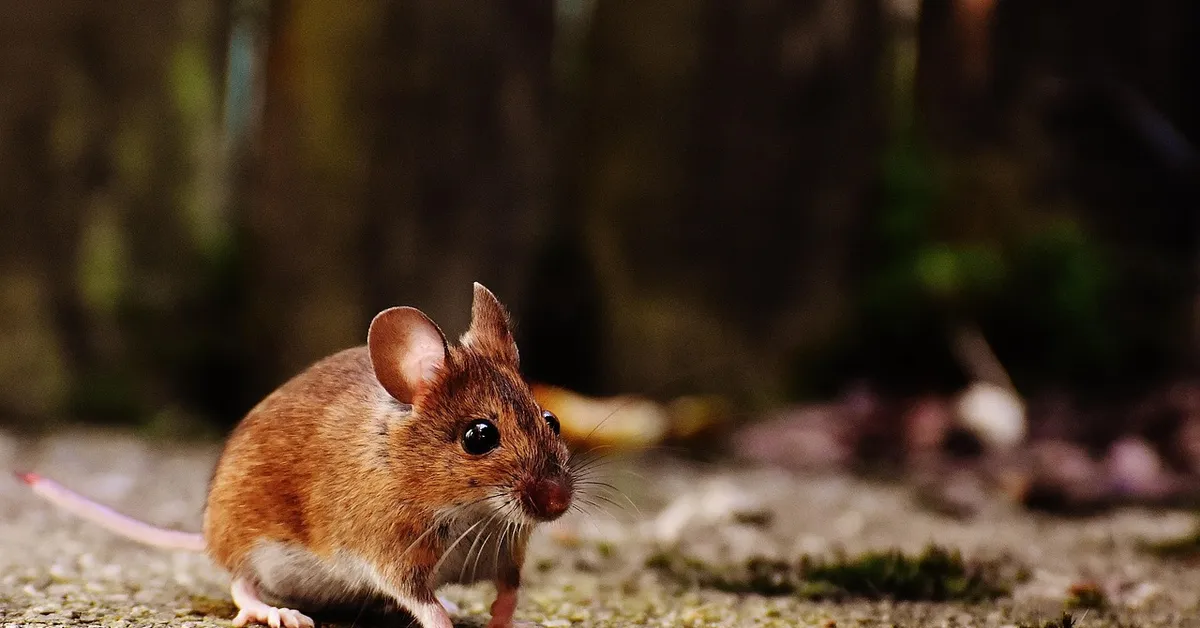
Essential Grooming Tools for Mice
You do not need a complicated kit to keep your long-haired friend looking fabulous. A few simple, mouse-appropriate tools make all the difference between a stressful ordeal and a pleasant bonding session. My own kit consists of a soft-bristled baby toothbrush, which is perfect for their delicate skin, and a fine-toothed metal flea comb designed for kittens. The baby toothbrush feels like a gentle massage, and the flea comb is excellent for catching the earliest signs of tangles before they become problematic mats. I also keep a pair of small, rounded-tip safety scissors on hand for any necessary trims, ensuring they are used with extreme caution.
- A soft-bristled baby toothbrush for gentle daily brushing.
- A fine-toothed metal flea comb (for kittens) to work through minor tangles.
- Small, rounded-tip safety scissors for carefully snipping mats.
- A small dish of your mouse’s favorite treats to reward calm behavior.
How Often to Brush and Check Fur
Consistency is far more valuable than lengthy, infrequent sessions that can overwhelm your pet. A quick, daily check of their coat allows you to spot potential problems when they are easiest to solve. I aim for a full, gentle brush with the baby toothbrush every two to three days for my long-haired mice, but my adventurous Kenny needs a quick once-over daily after his explorations. For a more thorough detangling session with the fine comb, once a week is usually sufficient if you are maintaining the daily routine. Watch your mouse’s behavior; a mouse that is constantly scratching or seems less active might be telling you its fur needs more attention. Use your weekly home health check as the time for a fuller inspection—look at ears, teeth, nails, skin condition, weight and any lumps or discharge. A simple checklist makes these weekly checks quick and helps you catch small issues before they become serious.
- Perform a visual fur check daily, especially after playtime.
- Use a soft brush for a full grooming session every 2-3 days.
- Schedule a more detailed comb-through once a week.
- Increase frequency for very active mice or those with exceptionally fine fur.
Safe Detangling and Mat Removal Methods
Trimming Mats Without Hurting Your Mouse
Discovering a mat can be alarming, but patience will guide you to a safe solution. The golden rule is to never pull or tug on a mat, as their skin is incredibly thin and can tear easily. First, try to gently work the mat apart with your fingers, starting from the very outer edges. If that fails, use your fine-toothed comb to carefully pick at the edges. For stubborn mats, you will need those safety scissors. I slide a finger between the mat and my mouse’s skin to create a protective barrier. Then, with the scissors pointing away from the body, I snip the mat into several smaller sections, which often loosens it enough to comb out. Always have a treat ready to offer after each small snip to keep the experience positive.
- Isolate the matted section from the rest of the fur.
- Attempt to gently loosen the edges with your fingers.
- Use a comb to gently tease the mat apart.
- If cutting is necessary, slide a finger under the mat as a guard.
- Snip the mat into smaller pieces, never cutting it off in one go.
- Reward your mouse generously throughout the process.
When to Seek Vet Care for Matted Fur
There are clear signs that a mat has become a veterinary issue. If the mat is very large, tight against the skin, or located in a sensitive area like near the legs or genitals, it is time to call a professional. A vet should also be consulted if you notice any redness, swelling, or broken skin under the mat, as this can indicate a painful infection. My older mouse, Gregory, developed a severe mat once that I was too nervous to handle, and the vet was able to remove it quickly and safely under mild sedation. It is always better to seek help than to risk injuring your tiny companion.
- The mat is large, tight to the skin, or restricting movement.
- You see any signs of skin irritation, redness, or wetness underneath.
- The mat is in a difficult-to-reach or high-risk area.
- Your mouse shows clear signs of pain or distress when you touch the area.
- Your own attempts to remove the mat have been unsuccessful.
Preventing Mats in Special Situations
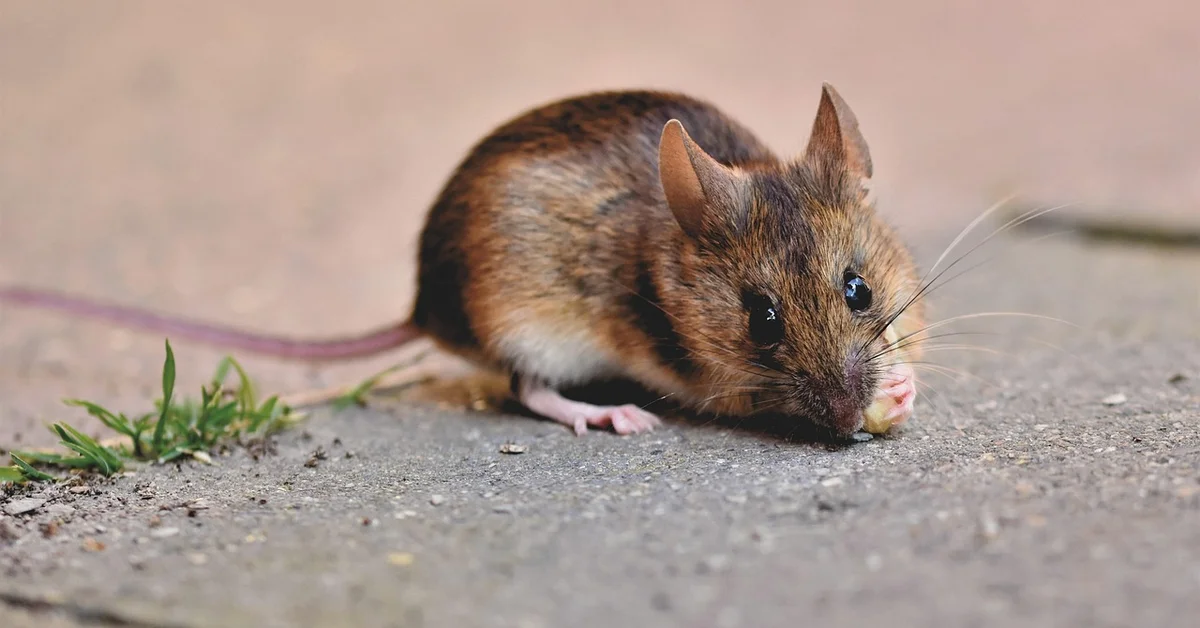
Managing Mats in Older Mice
Senior mice like my Gregory require a more thoughtful and gentle approach to grooming. Older mice often groom themselves less meticulously, making them far more prone to developing stubborn mats. Their skin becomes more fragile and they may have less patience for lengthy handling. I’ve found that increasing the frequency of soft brushing with a baby toothbrush is more effective than occasional intense sessions. Pay extra attention to the “armpit” areas and their underside, as these are common spots they neglect. Sometimes, a slight “sanitary trim” around the rear can help prevent mats from forming in areas soiled by urine or feces, a common issue in less mobile older mice. You should always keep an eye on their grooming habits, especially as they age, and [know when to be concerned](https://measlymouse.fyi/mouse-grooming-habits-when-to-be-concerned).
- Increase gentle brushing frequency to compensate for reduced self-grooming.
- Focus on hard-to-reach areas like the armpits and groin.
- Consider a careful, preventative trim in soil-prone areas.
- Keep handling sessions short and positive to avoid stress.
- Use a warm, damp cloth for spot cleaning between brushes.
Frequently Asked Questions
How can I prevent a mouse pad from sliding?
If you’re using a small mat or pad in your mouse’s enclosure for comfort or cleaning, ensure it stays in place by choosing one with a non-slip backing or placing it under a heavier, secure item like a ceramic hideout. For added stability, you can lightly attach it to the cage floor with pet-safe adhesive strips or ensure the bedding around it is packed down to reduce movement, keeping your mouse’s environment safe and tidy. These small choices can make a big difference in overall cage safety and comfort. For more detailed recommendations on layout, materials, and accessories, see our ultimate guide to mouse cages.
Are sticky mats effective for catching mice?
Sticky mats are not recommended for use with pet mice, as they can cause severe stress, injury, or even death by trapping fur, limbs, or skin. Instead, focus on providing a secure, enriched habitat with appropriate bedding and hiding spots to encourage natural behaviors and prevent escapes, ensuring your mouse remains safe and healthy without the need for harmful traps.
What keeps mice out of drawers?
To prevent pet mice from accessing drawers or other off-limit areas in your home, use sturdy, chew-proof materials like metal or thick plastic for storage, and ensure all gaps are sealed with mouse-proof barriers. Regularly inspect the room for escape routes from their enclosure, and provide plenty of engaging toys and activities within their cage to discourage exploration outside it. This is especially important when you’re storing food to prevent mice from getting to it.
Your Path Forward
By embracing regular, gentle grooming and a nutritious diet, you create a foundation that keeps your long-haired mouse’s coat smooth and free from troublesome mats. Establishing a simple, consistent routine not only prevents discomfort but also strengthens the bond you share with your pet. When preparing for a mouse show, that same routine helps your mouse look its best and stay calm during handling and inspection. Gentle, frequent handling is also essential for taming, making show-day grooming less stressful for both of you.
Trust that your dedication will make a world of difference in your mouse’s daily happiness and health. With patience and attentive care, you can confidently provide a life full of comfort and joy for your long-haired companion. Use a mouse quality-of-life framework to assess key areas like nutrition, mobility, grooming, and behavior. Regularly scoring these areas helps you focus care where it’s needed most.
Further Reading & Sources
- Long-Haired Cat Grooming – Tips for a Healthy Coat – The Environmental Blog
- Tips For Grooming Long-Haired Cats, Jacksonville Vet
- longhair mice have greasy fur
Isabella is a passionate small pet enthusiast with over 8 years of experience in caring for mice. She loves sharing practical tips and heartfelt stories to help fellow mouse owners provide the best care for their tiny companions.
Mice Grooming