
Grooming Don’ts: Common Mistakes to Avoid
Have you ever wondered why your mouse’s coat looks dull or their skin seems irritated, even with regular care?
This guide will walk you through the most frequent grooming errors so you can keep your pet comfortable and healthy. We will cover everything from the dangers of over-bathing and using the wrong tools to handling your mouse safely and recognizing subtle signs of skin distress.
Why Mouse Grooming Care Matters More Than You Think
A well-groomed mouse is more than just a pretty pet; it’s a healthy and content one. Proper grooming habits are your first line of defense in spotting subtle health issues long before they become emergencies. I’ve noticed that a change in the condition of my mouse Jeffery’s coat was the earliest clue to a minor dietary sensitivity, allowing me to adjust his food long before he showed any other signs of discomfort.
This routine care builds a profound trust between you and your tiny companion. Gentle handling for quick inspections transforms you from a giant, scary presence into a source of safety and comfort. My older mouse, Gregory, used to be quite skittish, but our calm, consistent grooming-related interactions have made him far more relaxed during handling.
Overwashing and Overbathing Your Mouse
One of the most common and well-intentioned mistakes is giving your mouse too many baths. Frequent washing strips their fur of essential natural oils, leading to dry, flaky skin and a dull, brittle coat. Mice are fastidiously clean creatures that spend a significant portion of their waking hours self-grooming, much like cats. They use licking and their paws to remove dirt and spread those protective oils, so they generally stay clean without human baths. Bathing disrupts this natural grooming and can cause skin problems.
They simply do not need our help to stay clean under normal circumstances. I reserve full-body cleaning for only the most extreme circumstances, like if a mouse gets into something sticky or toxic that it cannot safely remove itself. For everyday spot cleaning, a soft, slightly damp cloth or a unscented baby wipe is more than sufficient.
The Stress Factor You’re Overlooking
We often forget that the process of bathing is terrifying for a prey animal. Being submerged in water is an intensely stressful experience that can cause a sharp spike in their cortisol levels. This stress can weaken their immune system, making them more susceptible to respiratory infections and other illnesses.
Watch your mouse’s behavior after a bath. Signs of post-bath stress include excessive hiding, frantic over-grooming, or a noticeable loss of appetite. My adventurous mouse Kenny becomes uncharacteristically quiet and withdrawn after any forced cleaning, a clear signal that he needs peace and quiet to recover his composure.
Instead of a bath, provide a sand bath for natural grooming. It’s actually better than wet bathing.
Using Harsh or Expired Grooming Products
A mouse’s system is incredibly delicate and sensitive to chemicals. Using human shampoos, soaps, or even dog/cat shampoos can cause severe skin irritation and allergic reactions. Their skin has a different pH balance than ours, and products formulated for us are much too harsh for them.
Always check the expiration dates on any small animal grooming products you own. Expired products can break down, losing their effectiveness and potentially growing bacteria that could harm your pet. I make it a habit to write the purchase date on any new bottle with a permanent marker.
Your safest bet is to use products specifically designed for small animals or, better yet, just warm water. If you need to clean products safe around mice to clean the habitat, always use small animal-safe ones.
Neglecting Your Mouse’s Nails and When Trimming Goes Wrong
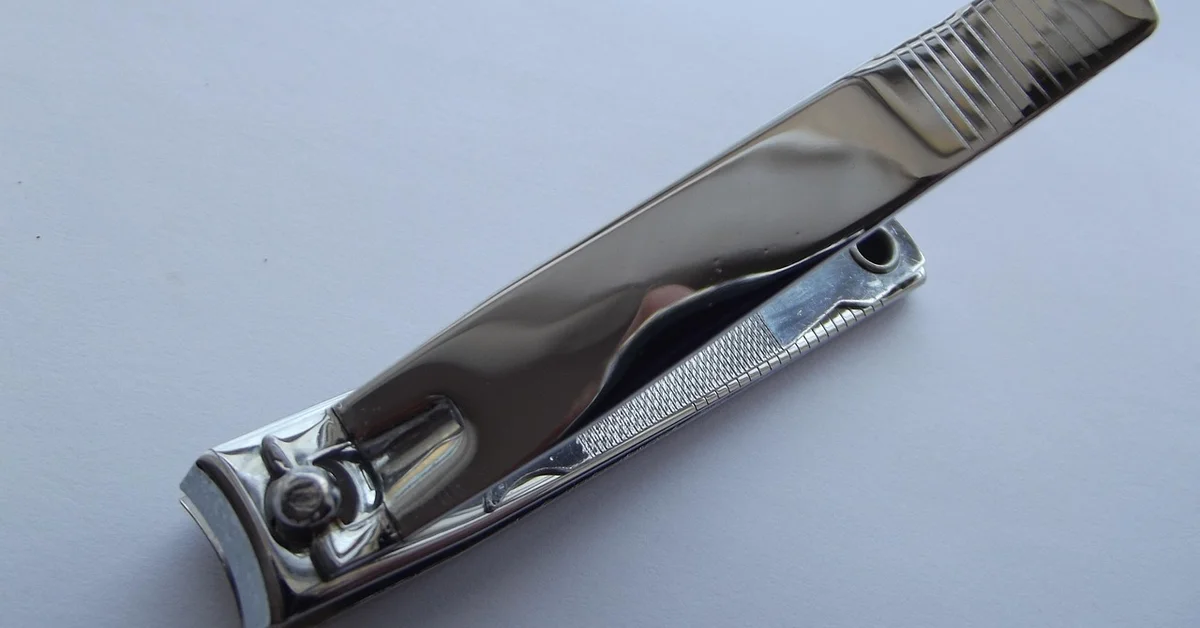
Overgrown nails can curl painfully into footpads, making every step a challenge for your mouse. Regularly checking the length and condition of your mouse’s claws is a fundamental part of responsible ownership. I make it a point to gently examine Kenny’s fast-growing nails during our weekly handling sessions to stay ahead of any issues.
The Wrong Tools and DIY Disasters
Using the incorrect tool for the job is a fast track to a stressful, and potentially harmful, experience. Human nail clippers are far too large and powerful for a mouse’s delicate claws, often crushing the nail rather than cutting it cleanly.
- Human nail clippers can split the nail and cause pain.
- Scissors are imprecise and increase the risk of cutting the quick.
- Emery boards or small pet nail files are the safest choice for gradual, controlled filing.
- Always have styptic powder on hand to instantly stop any bleeding from a nicked quick.
Patience and the right tool transform a frightening chore into a manageable part of your care routine. I learned this the hard way with a previous mouse, and now I only use a small emery board, gently filing Jeffrey’s nails while he’s distracted with a treat.
Ignoring Coat and Skin Health Warning Signs
Your mouse’s coat is a brilliant visual indicator of their overall well-being. A healthy coat lies flat and looks clean, while a puffed-up, greasy, or patchy coat signals that something is wrong.
- Excessive scratching could point to mites or allergies.
- Balding patches, especially around the face and shoulders, often indicate barbering from a cage mate or themselves due to stress.
- Redness, flakiness, or scabs on the skin require a veterinarian’s diagnosis.
- A sudden change in grooming habits, like Gregory stopping his fastidious self-cleaning, is a major red flag.
Your observant eye is the first and best defense against escalating skin and coat problems. Catching these signs early makes treatment simpler and less stressful for your tiny friend.
Overusing Grooming Products and Treatments
A mouse’s skin is incredibly sensitive, and their fastidious self-grooming means anything you put on them will likely end up inside them. More is not better when it comes to mouse grooming aids; in fact, less is almost always more. It’s important to understand their grooming habits to know when to be concerned.
- Avoid medicated shampoos unless specifically prescribed by your vet.
- Never use flea or mite treatments designed for cats or dogs; the dosage is lethal for a mouse.
- Dust-free bedding and a clean habitat are the best preventative “products” for a healthy coat.
- For a truly soiled mouse, a small sand bath intended for chinchillas can work wonders for absorbing grease.
I reserve any form of bathing for absolute emergencies only, preferring to spot-clean with a damp cotton swab if one of my boys gets into something messy.
Poor Handling During Grooming Sessions
How you hold your mouse is just as important as the grooming task itself. A frightened mouse will squirm, jump, and bite to escape, turning a simple check-up into a dangerous situation for both of you. That’s why learning how to safely pick up, hold, and handle your pet mouse is essential. Using calm, confident movements and supporting their body will keep them relaxed and reduce the risk of bites or falls.
- Never hold a mouse by its tail; this can cause degloving, a severe and painful injury.
- Instead, gently scoop them into your cupped hands, allowing them to feel secure.
- For nail checks, let them rest on a flat surface and gently lift one paw at a time.
- Keep sessions extremely short-under two minutes-to prevent stress from building up.
A calm, confident grip makes your mouse feel safe and keeps you in control of the situation. Gregory, my older mouse, appreciates when I support his entire body weight in my palm, which keeps him still and cooperative.
Skipping the Calm Setup and Preparation
Rushing into a grooming session is a recipe for failure. Your mouse picks up on your energy, and if you are hurried or anxious, they will be too. The minutes leading up to handling are critical for setting a peaceful tone.
- Choose a quiet time of day in a small, secure, and escape-proof area.
- Gather all your supplies-treats, emery board, styptic powder-before you even take your mouse out.
- Spend a minute just talking softly and letting them sniff your hands to transition from playtime to grooming time.
- Have a high-value reward, like a sunflower seed for Kenny, ready to offer immediately for calm behavior.
I find that preparing my space mindfully not only relaxes my mice but also centers me, making the entire process smoother and more successful.
Neglecting Scent and Habitat Hygiene Around Grooming
Many owners believe a deep-cleaned cage is the ultimate goal, but for a mouse, this erases their entire sense of security. Their world is built on scent, and a completely sterilized habitat is as disorienting as someone rearranging all the furniture in your home while you were out. I learned this the hard way when a too-thorough clean left my curious mouse, Kenny, frantically re-investigating every corner instead of settling down to his usual evening grooming ritual. This is why it’s crucial to adhere to a proper daily, weekly, and monthly mouse cage cleaning routine that balances cleanliness with leaving some familiar scents behind.
You must strike a careful balance between cleanliness and comfort. Here’s how to maintain that equilibrium:
- Spot-clean daily: Remove soiled bedding and visible waste from high-traffic areas like corners and under the wheel.
- Preserve the “scent soakers”: Leave a portion of the old, clean nesting material and bedding during a full cage clean. This provides a familiar olfactory anchor.
- Avoid heavily perfumed products: Soaps, sprays, and detergents with strong floral or chemical scents can overwhelm their sensitive noses and mask important social cues.
- Schedule full cleans wisely: A complete habitat overhaul should only happen every 1-2 weeks, and never right before or after a stressful event like a vet visit.
Forgetting to Monitor for Parasites and Health Issues
Your mouse’s grooming habits are a live feed into their overall health. A sudden change is often the first and only sign of a problem. Obsessive scratching, barbering (chewing off their own fur or a cagemate’s), or a sudden reluctance to groom are red flags you cannot afford to ignore. My older mouse, Gregory, once developed a small patch of missing fur that I initially dismissed; it turned out to be the start of a mite infestation that required veterinary treatment.
Make a habit of performing a quick visual check during their active hours. Look for these specific signs:
- Visible tiny red or black specks moving through the fur (mites).
- Scabs, especially along the back, neck, or behind the ears.
- Patches of thinning fur or bald spots.
- Reddened or inflamed skin.
- Excessive head shaking or ear scratching.
When DIY Treatments Become Disasters
The internet is filled with well-intentioned but dangerous home remedies for mouse parasites. Applying oils, shampoos, or other substances not specifically formulated for mice can lead to toxic reactions, severe skin irritation, or even hypothermia from disrupting their natural oils. I once witnessed a case where a owner used a dog flea powder, resulting in a tragic outcome for their pet.
Always consult an exotics veterinarian for a proper diagnosis and safe, species-appropriate treatment. What works for a cat or dog can be lethal for a tiny mouse.
How to Avoid These Mouse Grooming Mistakes
Proactive care is the simplest path to preventing grooming-related problems. Integrating gentle observation into your daily routine builds a baseline of what is normal for your specific mice, making it instantly obvious when something is amiss. Daily mouse care routines are essential for spotting such changes early. My Jeffrey, for instance, has a particular way of smoothing his whiskers when he’s content; any deviation from that tells me he might be feeling off.
Follow this simple, consistent routine to keep your mice healthy and well-groomed:
- Daily: Spend five minutes watching your mice during their active period. Note their energy levels and grooming behaviors while you spot-clean the cage.
- Weekly: During a more thorough spot-clean, gently offer a sand bath. Observe if all mice are using it and check for any visible health issues on their bodies.
- Bi-Weekly: Perform a full cage clean, but remember to mix a generous amount of the old, clean bedding back in to preserve their scent map.
- Ongoing: Provide a balanced diet and enrichment. A stressed or malnourished mouse will not groom properly. A bored mouse may over-groom.
Frequently Asked Questions
How can I avoid grooming mistakes in the workplace?
To prevent grooming errors in your mouse’s environment, always prepare a calm, secure area free from distractions and potential hazards. Gather all necessary supplies, like soft towels or emery boards, beforehand to minimize handling time and reduce stress for your pet. This approach helps create a positive experience and lowers the risk of accidents during grooming sessions.
Additionally, maintain a consistent routine by scheduling grooming during your mouse’s active periods in a quiet space. Avoid rushing or introducing loud noises, as this can startle your mouse and lead to poor cooperation or injury. A well-organized setup ensures both you and your mouse remain relaxed and focused.
How can I avoid grooming mistakes with dogs?
When caring for mice, it’s crucial to avoid applying grooming techniques meant for dogs, as their needs differ significantly. For instance, never use dog-specific shampoos or flea treatments on mice, as these can contain harsh chemicals that cause skin irritation or toxicity due to their small size and sensitive systems.
Instead, rely on methods tailored for mice, such as providing a sand bath for natural cleaning and using only products labeled for small animals. Always handle mice gently with cupped hands, unlike the firmer grips sometimes used for dogs, to prevent stress and injury. Adapting your approach to species-specific requirements keeps your mouse safe and healthy.
How can I avoid grooming mistakes?
Start by educating yourself on mouse-specific grooming needs through reliable sources or a veterinarian, and observe your pet’s behavior and coat regularly to catch issues early. Use appropriate tools, like emery boards for nails, and avoid overhandling or frequent baths, which can cause stress and skin problems.
Incorporate preventative measures, such as a balanced diet and clean habitat, to support natural grooming habits. If you’re unsure about a technique or notice unusual signs, seek professional advice rather than experimenting, as proactive care reduces the likelihood of errors and promotes your mouse’s well-being.
Wrapping Up
Ultimately, the best grooming philosophy for your mouse is a gentle, hands-off approach that prioritizes their natural behaviors and comfort. By steering clear of baths, harsh products, and forceful handling, you prevent stress and health issues, allowing your companion to thrive. Mice are naturally meticulous groomers, regularly licking and combing their fur with their paws to stay clean, so observing these self-cleaning mouse grooming behaviors helps you tell when intervention is needed. Supporting that process with clean bedding and minimal interference is usually all the grooming they require.
The most profound grooming routine is built on observation, providing a clean habitat, and letting your mouse’s own meticulous instincts take the lead. Trust in their abilities, and you’ll be rewarded with a happy, healthy, and beautifully self-maintained friend.
Further Reading & Sources
- The 20 WORST Dog Grooming Mistakes to Avoid Making – Sniffin’ Around
- 10 Common Grooming Mistakes and How to Avoid Them
- Dog Grooming: 10 Beginner MISTAKES to Avoid! – YouTube
Isabella is a passionate small pet enthusiast with over 8 years of experience in caring for mice. She loves sharing practical tips and heartfelt stories to help fellow mouse owners provide the best care for their tiny companions.
Mice Grooming