
Preventative Mouse Health: Your Complete Care Guide
Have you ever felt a pang of concern that you might not be spotting the early warnings of health trouble in your petite pet? This guide lays out a straightforward, preventative health plan I rely on to keep my own mice-like the ever-curious Kenny and wise Gregory-thriving through every life stage.
You will find detailed sections on crafting a nutrient-rich diet, designing a stimulating and safe habitat, and recognizing the subtle behavioral shifts that indicate wellness or worry.
Why Your Mice Need a Preventative Health Plan
Understanding Mouse Lifespan and Health Milestones
A pet mouse’s life is a beautiful, fleeting journey, typically spanning just one and a half to two and a half years. This condensed timeline means health changes can occur with startling speed, transforming a minor issue into a critical one in mere days. I’ve learned to view their lives in distinct phases, each with its own unique care requirements. Young mice, like my energetic Kenny, are balls of boundless energy, building muscle and exploring their world. Their primary health focus is on proper growth and preventing injuries from their daring escapades.
As they transition into adulthood, their systems are at their peak, but this is the perfect time to establish routines that will support them in their golden years. Senior mice, like my calm Gregory, experience a natural slowing down, often needing support for joint health and a more easily digestible diet. Recognizing these milestones allows you to anticipate their needs rather than just react to problems, giving you more quality time with your tiny companions.
The Real Cost of Skipping Preventative Care
It’s easy to think, “They look fine today,” and put off that cage deep-clean or skip a thorough once-over. I’ve been there. The true cost of skipping small, daily care tasks isn’t just measured in potential vet bills, but in the distress and discomfort your mouse may silently endure. Mice are prey animals, hardwired by evolution to hide signs of weakness. By the time a health problem is obvious to you, it has often been progressing for some time.
- Financial Strain: Emergency vet visits for respiratory infections or abscesses are significantly more expensive than the cost of maintaining a clean, low-dust habitat.
- Emotional Toll: Watching a pet suffer with a condition that could have been prevented or caught earlier is a heartbreaking experience for any owner.
- Shortened Lifespan: Chronic stress from a poor environment or undetected illness can directly impact your mouse’s longevity, robbing you of precious months together.
Building Your Daily Mouse Health Routine
What to Look for During Daily Observations
This is the cornerstone of preventative care and takes just five minutes. I do it first thing in the morning with my coffee, watching my trio as they wake up. Your goal is to learn what ‘normal’ looks like for each of your mice so you can instantly spot the subtle shifts that signal ‘abnormal’. Jeffery, for instance, has a distinctive, twitchy way of grooming that is completely normal for him, but might be a sign of distress in another mouse.
- Activity Level: Is everyone moving around with their usual energy? A mouse that is hunched, lethargic, or isolated is sending a clear signal.
- Eyes and Nose: Check for any redness, discharge, or squinting. Porphyrin, a red-brown secretion around the eyes or nose, is a major red flag for stress or illness.
- Breathing: Listen carefully. Breathing should be silent. Any wheezing, clicking, or audible effort is a cause for immediate concern.
- Coat and Skin: The fur should be smooth and clean, not puffed up or ruffled. Look for any bald patches, scabs, or signs of parasites.
Daily Nutrition and Hydration Checks
Food and water are the fuel for your mouse’s health, and monitoring them daily provides a wealth of information. A sudden lack of interest in favorite treats, like Kenny ignoring his sunflower seeds, is often the very first sign that something is amiss. I use a simple, heavy ceramic dish for food to prevent tipping and scatter a small portion of their main diet to encourage natural foraging behavior. Making simple, healthy DIY mouse treats at home lets you control ingredients and avoid harmful additives. Offering tiny homemade rewards—like a few pieces of steamed carrot or a balanced seed mix—also helps you monitor appetite and tailor recipes to their needs.
Water is non-negotiable. You must verify every single day that your water bottle is functioning perfectly, with no airlocks and a steady, easy drip when tested. Dehydration can set in frighteningly fast. I also weigh their fresh vegetables before offering them and remove uneaten portions within a few hours to keep the cage clean and prevent spoilage. Noticing that Jeffery has only nibbled his berries, whereas he usually devours them, was my first clue to a minor tooth issue we caught early.
Weekly and Monthly Health Monitoring Tasks
Conducting Weekly Physical Examinations
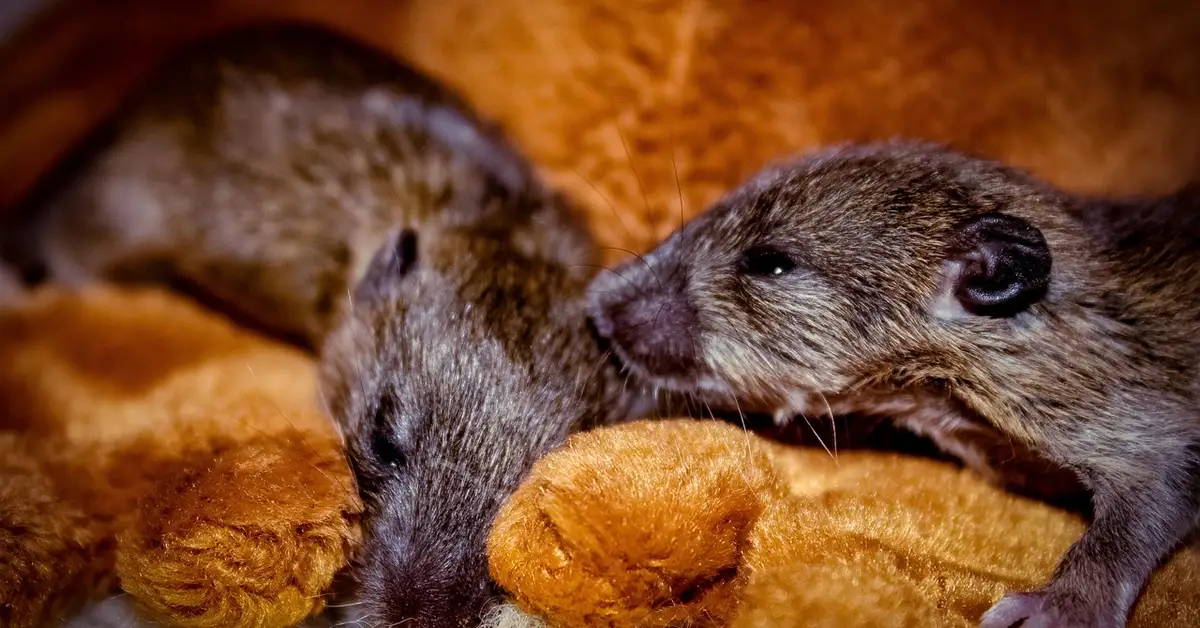
Setting aside just ten minutes each week for a hands-on check can reveal so much about your mouse’s well-being. I gently scoop up each of my boys, one by one, for a quick once-over in a secure, enclosed space like an empty bin cage. This regular ritual helps you spot tiny changes that are easy to miss during casual playtime. Think of it as your weekly home health check for your mouse. During the check, quickly scan coat and skin, eyes and nose, teeth and weight, and note any changes in breathing or movement.
- Run your fingers gently along their body, feeling for any unusual lumps, bumps, or scabs.
- Check their eyes; they should be bright, clear, and fully open without any crusty buildup.
- Look inside their ears for any signs of redness, debris, or mites, which look like tiny moving specks.
- Examine their feet and nails for any redness on the pads (a sign of bumblefoot) or overgrown nails that might need a trim.
- Observe their rear end to ensure it’s clean and free of staining, which can indicate digestive upset.
Monthly Deep-Clean and Habitat Assessment
A thorough monthly clean is about more than just fresh bedding; it’s a prime opportunity to inspect their entire living environment for hazards. I use this time to completely empty Kenny, Gregory, and Jeffery’s cage and give every item a close look. A deep-clean session allows you to spot and remove hidden dangers like chewed sharp edges or moldy food stashes before they cause harm.
- Remove all toys, wheels, and hides for a soap-and-water scrub, rinsing them thoroughly.
- Inspect each item for damage, paying special attention to plastic wheels that can develop sharp cracks.
- Wipe down the entire cage with a pet-safe disinfectant, focusing on corners where moisture collects.
- Check ventilation areas to ensure they are not blocked by bedding or fluff.
- As you reassemble the habitat, rearrange the layout to provide mental stimulation and prevent boredom.
Tracking Weight and Body Condition
Sudden weight loss is one of the earliest and most critical warning signs in a mouse. I use a small kitchen scale to weigh my mice every two weeks, keeping a simple log in a notebook. Consistent weight tracking provides an objective measure of health that is far more reliable than just guessing by looking at them. Even small shifts in weight can indicate dehydration, illness, or dental problems before other symptoms appear. That’s why weighing your mouse regularly is crucial to early detection and timely care.
- Use a digital kitchen scale that measures in grams for the most accuracy.
- Weigh your mouse in a small, secure container to keep them still for a moment.
- A healthy adult mouse typically maintains a very stable weight; any change of more than 10% is a reason for concern.
- Alongside the number, assess their body condition by gently feeling their spine and hips; you should be able to feel them under a thin layer of flesh, but they should not feel sharp or prominent.
Preventing Common Mouse Diseases Through Environment Control
Creating a Respiratory-Healthy Environment
Mice have incredibly sensitive respiratory systems, and the wrong bedding can lead to chronic issues. After trying many options, I found that low-dust paper-based or aspen beddings work best for my crew. The single most impactful change you can make for your mouse’s lung health is selecting a bedding that minimizes dust and ammonia buildup. Choosing bedding that reduces dust and ammonia helps prevent respiratory irritation and infections. Avoid cedar or pine shavings and fragranced litters, which can worsen breathing problems.
- Avoid pine and cedar shavings entirely, as the aromatic oils are toxic to small animals.
- Spot-clean soiled bedding every other day to control ammonia fumes from urine.
- Place the cage in a well-ventilated area, but away from direct drafts from windows or air vents.
- Keep the habitat away from strong smells like air fresheners, candles, or cigarette smoke.
Parasite Prevention and Biosecurity Practices
Preventing an infestation is infinitely easier than treating one. I practice simple biosecurity to keep mites and other pests away from my mice. Freezing new bedding and food for 48 hours before use is a highly effective way to kill any mite eggs or pests that might be hiding within.
- Always quarantine any new mouse for at least two weeks in a separate room before introducing it to your existing pets.
- Wash your hands before and after handling your mice, especially if you have been around other animals.
- Inspect any second-hand toys or cage items meticulously and clean them thoroughly before adding them to the habitat.
- Be observant; watch for excessive scratching or scabbing, which are the first signs of parasites.
Reducing Stress to Prevent Illness
A stressed mouse has a weakened immune system, making them far more susceptible to illness. I’ve noticed that my more anxious mouse, Jeffery, thrives when he has plenty of hiding spots and a predictable routine. Providing a stable, enriching environment is not a luxury; it is a fundamental part of keeping their immune system strong and resilient, especially given the link between stress and illness in mice.
- Ensure there are multiple hides and tunnels so every mouse can have its own private space.
- Avoid sudden, loud noises near their cage and keep other pets from constantly bothering them.
- Offer a consistent day/night cycle and try to interact with them at similar times each day.
- Provide deep bedding for burrowing and foraging toys to encourage natural, stress-relieving behaviors.
Recognizing Early Warning Signs Before They Become Emergencies
Respiratory Distress Signals
Mouse respiratory infections can escalate from a slight sniffle to a severe condition with alarming speed. I listen closely to my mice, as sound is often the first clue. A healthy mouse is a quiet mouse; any audible breathing, clicking, or wheezing is an immediate red flag that demands attention.
- Listen for clicking or chattering sounds coming from their chest or nose, known as “chuffing.”
- Look for porphyrin, a red-brown discharge around their eyes or nose that is often mistaken for blood.
- Observe if they are squinting their eyes or seem to be breathing with noticeable effort, their sides moving heavily.
- Note any lethargy or a hunched posture, as they will often stop moving to conserve energy when struggling to breathe.
Dental Problems and Overgrowth
A mouse’s teeth never stop growing, and misalignment can prevent them from wearing down properly. I check my older mouse Gregory’s teeth monthly because he’s more prone to issues. Difficulty eating, especially dropping food or favoring one side of the mouth, is one of the most telling signs of a developing dental problem. It can often be traced back to malocclusion or overgrown teeth.
- Watch for weight loss despite a good appetite, as they may be hungry but unable to chew effectively.
- Look for excessive drooling or wetness around the chin and neck, called “slobbers.”
- Provide a constant supply of safe chewing materials like wooden blocks or mineral chews to promote natural wear.
- Notice if one incisor appears significantly longer than the other, indicating a potential break or misalignment.
Behavioral Changes That Signal Health Issues
Your mouse’s personality is a powerful health barometer. A shift in behavior is often the very first symptom of an underlying problem. When my bold explorer Kenny suddenly became withdrawn and stopped running on his wheel, I knew something was wrong. You know your mouse’s normal habits better than anyone, so trust your gut when their daily rhythms seem off.
- A social mouse that suddenly starts hiding all the time or an active mouse that becomes lethargic.
- Changes in grooming; a poorly kept coat or failure to groom at all can signal pain or illness.
- Uncharacteristic aggression or irritability when being handled by a normally calm mouse.
- A change in vocalization, like a usually quiet mouse starting to squeak frequently, potentially from discomfort.
Working With an Exotic Animal Veterinarian
What Happens During a Mouse Wellness Exam
A wellness check for your mouse is a proactive, gentle process. The veterinarian will start by simply observing your pet in its carrier to gauge its general demeanor and breathing. This quiet observation period allows the vet to see your mouse’s natural, unhandled state, which provides vital clues about its well-being.
Next comes the hands-on examination. The vet will use a practiced, confident technique to hold your mouse securely. They perform a systematic check from nose to tail.
- Eyes, Ears, and Nose: They look for any discharge, redness, or crustiness that could signal an infection.
- Teeth: They check for proper alignment and length. Overgrown teeth are a common and serious issue.
- Fur and Skin: The vet parts the fur to look for flakiness, parasites, or any lumps and bumps underneath.
- Weight: They will weigh your mouse on a small, precise scale. Sudden weight loss is often the first sign of illness.
- Lungs and Heart: Using a pediatric stethoscope, the vet listens for any unusual sounds like clicking or wheezing.
- Abdomen: A gentle palpation checks for any internal abnormalities or signs of pain.
I always bring a list of questions about my mice’s behavior and diet. Your vet is your partner in care, and no question about your tiny friend is too small.
When Home Care Isn’t Enough
As a dedicated mouse owner, you become an expert in their normal behaviors. This knowledge is your most powerful tool for knowing when to seek help. While you can manage minor issues, some symptoms are clear flags that professional care is needed immediately.
- Lethargy and Hiding: A mouse that stops exploring, playing, or interacting is communicating that something is wrong.
- Rapid Weight Loss: You might feel a prominent spine or see their body become noticeably thinner.
- Labored Breathing: Listen for clicking, wheezing, or you may see their sides moving rapidly as they struggle for air.
- Wetness Around the Neck or Chest: This condition, often called “porphyrin staining” or “chromodacryorrhea,” can look like blood but is a sign of extreme stress or respiratory distress.
- Loss of Appetite or Difficulty Eating: A mouse that shows interest in food but cannot eat may have a dental problem.
- Visible Tumors or Lumps: These can grow surprisingly fast in mice.
Trust your instincts; you know your mouse better than anyone. If your typically bold explorer like Kenny suddenly spends all day curled in a corner, it is time to call the vet. Early intervention can make a tremendous difference in their recovery.
Senior Mouse Care and End-of-Life Planning
Adjusting Care for Aging Mice
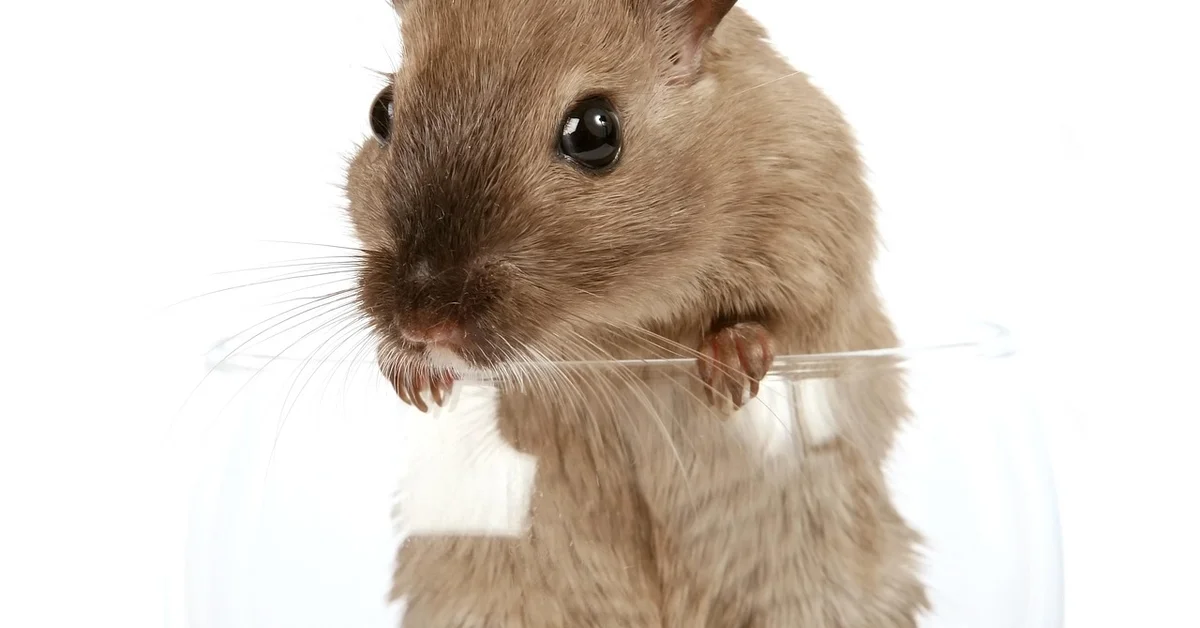
Caring for a senior mouse is a gentle, rewarding phase of pet ownership. Their needs shift subtly, and your care should adapt with them. My older mouse, Gregory, has taught me the value of a slower, more thoughtful approach to his daily routine. This Senior Mouse Care Guide will walk you through practical tips to keep Gregory — and mice like him — comfortable and thriving. You’ll find simple, compassionate steps on diet, enrichment, vet care, and mobility support.
Their habitat is the first place to make changes. Creating a low-impact environment is key to keeping an older mouse comfortable and engaged.
- Lower the Water Bottle: Ensure the spout is easily reachable without stretching.
- Provide Soft Bedding: Offer extra layers of shredded paper or cloth for cozy, supportive nests.
- Simplify the Layout: Use ramps instead of ladders and place food and water closer to their main sleeping area.
- Maintain Warmth: Older mice can struggle to regulate their body temperature. A small, pet-safe heat pad placed under one part of the cage can provide a warm spot.
Their diet may also need tweaking. Softer foods become easier to eat. I often moisten their lab blocks with a bit of water or offer soft-cooked vegetables and oatmeal. Small, frequent meals are often better tolerated than one or two large ones. Keep a close eye on their hydration, as senior mice are prone to dehydration.
Quality of Life Assessment for Senior Mice
This is the most difficult, yet most compassionate, part of sharing your life with a mouse. Their lifespan is short, and considering their quality of life ensures their final days are peaceful and free from suffering. I use a simple, heart-centered checklist to guide my decisions.
Ask yourself these questions daily as your mouse ages:
- Is she still eating and drinking on her own?
- Does she groom herself regularly, or is her coat becoming matted?
- Can she move around her cage to access food, water, and a warm bed without obvious struggle or pain?
- Does she still show interest in her favorite treats or gentle interaction?
- Are there more bad days than good days?
The goal is a life filled with more comfort and contentment than pain or distress. For my cheerful but anxious Jeffery, a “good day” means he still perks up at the sound of a berry container. When those small joys disappear, it is a signal that his comfort is declining. Making an end-of-life plan in advance, including knowing your vet’s emergency hours and policies, relieves the burden of decision-making during a deeply emotional time. It is the final, kindest gift you can give your tiny companion.
Emergency Preparedness and First-Aid Basics
Assembling a Mouse First-Aid Kit
Having a dedicated kit ready is the single most important step you can take for your mouse’s safety. I keep mine in a small, clearly labeled plastic container on a shelf near their habitat. A well-stocked kit turns a moment of panic into a moment of purposeful action.
Your kit should contain items for both assessment and stabilization. You are not aiming to replace veterinary care, but to safely bridge the gap until you get it.
- Critical Contact Info: Your veterinarian’s phone number and address, plus the number for the nearest 24-hour emergency exotic pet clinic. Write this down; don’t just save it in your phone.
- Sterile Saline Solution: This is for flushing eyes or minor wounds. It’s gentle and won’t cause stinging.
- Styptic Powder or Cornstarch: For instantly stopping bleeding from a torn nail or a minor cut. A little applied with a cotton swab works wonders.
- Blunt-Tipped Tweezers and Small Scissors: Useful for carefully removing bedding stuck to a wound or trimming away matted fur.
- Small Syringes (1ml): These are invaluable. You can use them (without the needle) to offer water, critical care food, or liquid medication.
- Soft, Clean Cloths or Gauze Pads: For applying gentle pressure or creating a warm, dark transport environment.
- A Small Travel Carrier: This should be ready to go, lined with a soft, familiar-smelling cloth or paper bedding.
Handling Common Emergencies Until You Reach the Vet
Staying calm is your first and most crucial job. Your mice will sense your energy, and a panicked owner makes for a more stressed patient. Speak to them in a soft, low, and reassuring voice.
If you suspect a breathing issue, like rapid, labored breaths or audible clicking, your immediate goal is to reduce stress and humidity the air. Move the affected mouse, like my curious Kenny, to a smaller, well-ventilated container with minimal bedding. You can place this container in a steamy bathroom for 10-15 minutes, keeping it well away from the actual water.
For a visible wound or bleeding, your focus is on stopping the bleeding and preventing infection. Apply gentle pressure with a gauze pad and use your styptic powder for nail bleeds. Do not attempt to bandage the wound, as mice will simply chew it off.
Digestive distress, like a mouse that is hunched, lethargic, or has a bloated abdomen, requires warmth and hydration. Providing a consistent source of gentle heat is one of the most supportive things you can do for a sick mouse. Fill a sock with uncooked rice, microwave it for short bursts, and place it under half of their transport carrier, ensuring they can move away from the heat if needed. Offer water via syringe if they are not drinking on their own. This is especially important when caring for a sick mouse at home.
Record Keeping and Health Tracking Systems
Think of a health journal not as a chore, but as a detective’s notebook for your mouse’s well-being. I use a simple notebook for my trio, and it has helped me spot subtle trends I would have otherwise missed.
Consistent record keeping transforms vague worries into concrete data you can present to your veterinarian. It provides a baseline of what ‘normal’ looks for each of your unique mice, from the energetic explorer to the calm mentor.
You don’t need anything fancy. A dedicated notebook, a notes app on your phone, or a simple spreadsheet will work perfectly. The key is consistency. I do a quick check-in every evening during treat time.
Track these key details at least once a week, and daily if you notice any changes:
- Weight: Weigh them in grams using a small kitchen scale. A sudden drop is often the first sign of illness.
- Food and Water Intake: Note any changes in appetite or thirst. Is Gregory leaving his favorite aged cheese?
- Behavior and Energy Levels: Is Jeffery more jumpy than usual, or unexpectedly subdued? Is Kenny less adventurous?
- Physical Appearance: Check for bright, clear eyes, a clean nose, a smooth coat, and healthy-looking feet and tail.
- Output: Note the quantity, consistency, and frequency of their droppings.
Here is a simple table format you can adapt. Seeing the information laid out side-by-side makes patterns incredibly clear.
| Date | Mouse | Weight (g) | Appetite | Notes |
|---|---|---|---|---|
| 10/26 | Kenny | 32 | Excellent | Very active, no issues noted. |
| 10/26 | Gregory | 35 | Good | Ate well, seemed calm and content. |
Frequently Asked Questions
How can I incorporate preventative mouse care if I have cats in the household?
Keeping your mice safe from cats starts with a secure, escape-proof habitat. Use a cage with a sturdy, locking lid and bar spacing narrow enough to prevent paws from reaching in. Place the cage in a quiet, elevated area away from where your cat typically lounges or plays to minimize stress, as constant predator presence can weaken your mouse’s immune system and lead to health issues. Avoid placing the cage on the floor or near windows and doors where cats can jump up or peer inside. Instead, choose a high, stable surface—like a shelf or pet stand—in a low-traffic room out of your cat’s sightline.
Additionally, supervise any interactions if your cat is in the same room, and never allow direct contact. Regularly inspect the cage for signs of tampering or damage, and ensure your cat has plenty of enrichment elsewhere to reduce curiosity. This proactive approach helps prevent accidents and keeps your mouse’s environment calm and health-focused.
What should I consider for preventative mouse care when dogs are present?
Dogs can pose a risk through noise, curiosity, or accidental knocks, so focus on creating a stable and secure setup. Choose a heavy, tip-resistant cage placed in a low-traffic area to avoid startling your mice with sudden movements or barking. This reduces stress, which is crucial for preventing illnesses like respiratory infections or digestive upset in sensitive mice.
Train your dog to ignore the mouse’s cage using positive reinforcement, and always monitor them when nearby. Provide plenty of hiding spots and deep bedding in the mouse habitat to help your pets feel safe. By managing these interactions, you support a stress-free environment that aligns with a strong preventative health plan.
Are there any specific preventative mouse care tips for owners in Tennessee?
In Tennessee’s humid climate, focus on controlling moisture and pests to prevent common mouse health issues. Use low-dust, absorbent bedding like aspen or paper-based products, and spot-clean frequently to avoid mold and ammonia buildup, which can lead to respiratory problems. Consider a dehumidifier in the room during humid months to maintain optimal conditions.
Additionally, be vigilant about parasites like mites, which thrive in warmer areas; freeze new bedding and food before use to kill any eggs. Check local exotic veterinarians in advance for routine care, as regional factors might affect availability. Tailoring your approach to Tennessee’s environment helps ensure your mouse stays healthy year-round.
Your Path Forward
Your dedication to a preventative health plan is the single greatest gift you can give your tiny companions. By integrating regular habitat checks, a balanced diet, and mindful observation into your routine, you are building a foundation for a long and vibrant life together. This proactive approach transforms you from a reactive caretaker into a confident guardian.
Trust the bond you share with your mice; your attentive eye will notice the subtle shifts that signal their well-being. You now possess the knowledge to not just care for them, but to truly nurture their health every single day. Here’s to the many joyful, squeaky moments ahead on your journey.
Further Reading & Sources
- Pet Mouse Care Guide: Complete Health Tips
- Health Evaluation of Experimental Laboratory Mice – PMC
- CARING FOR MICE AND RATS ABOUT MICE AND RATS
Isabella is a passionate small pet enthusiast with over 8 years of experience in caring for mice. She loves sharing practical tips and heartfelt stories to help fellow mouse owners provide the best care for their tiny companions.
Preventive Care