
The Victorian Fancy Mouse Craze: How a 19th-Century Hobby Began
Have you ever paused to wonder where our modern passion for keeping pet mice truly started, long before they became common household companions? This guide will transport you back to the bustling drawing rooms and exhibitions of the Victorian era, where the ‘fancy mouse’ phenomenon first captured hearts and laid the groundwork for everything we know today.
You’ll journey through the fascinating history, exploring the social whirlwind that made mice a coveted pet, the early breeding innovations that created diverse colors and traits, and how Victorian care practices directly shaped the compassionate approach we use now.
What Made Mice “Fancy” in Victorian England?
From Rat Catchers to Show Benches
Before they graced velvet-lined cages, most mice were considered common vermin. The journey to becoming “fancy” began with an unlikely group: rat catchers. These men, who made their living clearing pests, were often the first to spot mice with unusual and attractive color variations. They began selectively breeding these unique specimens, transforming a creature of the alley into a creature of beauty. A pure white mouse or a delicate champagne-colored one was no longer just a mouse; it was a living work of art.
The transition into polite society was swift. What started in the pockets of working-class men soon captivated the upper classes. Mice were presented in elaborate miniature cages, sometimes even carved from single walnuts. This shift from pest to prized pet marks one of the most dramatic transformations in the history of animal domestication. It exemplifies how human taste and selective breeding can rewrite an animal’s role. Tracing the Fancy Mouse’s rise shows how social status, craft, and deliberate breeding turned a common nuisance into a companion. The “fancy” in Fancy Mouse wasn’t just about appearance; it was about intention, artistry, and a new way of seeing a common animal.
Why Victorians Fell in Love With Domesticated Mice
Victorians had a deep fascination with nature, collection, and miniature worlds, making the mouse a perfect companion for the era. They were small enough to fit into the most modest city apartments, a crucial factor during intense urbanization. Their small size and minimal needs made them an ideal pet for a society balancing industrial progress with a longing for natural charm. They even started selectively breeding fancy mice to have unique colors and patterns.
The appeal was also deeply sensory and aesthetic. Victorians adored intricate detail, and a mouse’s delicate paws, twitching whiskers, and soft fur provided endless fascination. Fancy mice have fascinated people for centuries.
How Victorian Mouse Clubs Created the Modern Fancy
The Birth of Competitive Mouse Shows
The passion for mice quickly became organized. The first official mouse club, The National Mouse Club, was founded in England in 1895, formalizing what had been a scattered hobby. These clubs created a community where enthusiasts could share knowledge, trade breeding stock, and, most importantly, compete. This early organization laid the foundations of mouse club history, establishing breeding and judging standards that guided enthusiasts for generations. Over time the movement spread beyond Britain, producing local and specialty clubs worldwide. Mouse shows became social events, with owners presenting their best specimens on small, fabric-covered show benches.
Judging was a serious affair. Mice were transferred from their travel cages to numbered, official judging pens for evaluation.
- Each mouse was carefully removed and handled by the judge.
- They were assessed on a strict point system for color, markings, body shape, and condition.
- The winners received prizes and, more importantly, prestige that would increase the value of their bloodlines.
This competitive structure provided a clear goal for breeders and directly fueled the rapid development of new and refined varieties. The drive to win a blue ribbon shaped the fancy mouse into what we know today.
How Breeding Standards Were Established
For competition to be fair, everyone needed to be judging by the same rules. The early mouse clubs took on the monumental task of creating the first official “Standards of Excellence.” These documents were the blueprints for the perfect mouse, describing in precise detail the ideal form for each color and coat type. They assigned points for every feature, from ear shape and eye color to the distribution of markings on a patterned mouse.
This was a revolutionary step. A “good” mouse was no longer just a matter of personal opinion.
- Color Standards: Defined the exact shade required, disqualifying mice with off-colors or unwanted tinges.
- Conformation Standards: Detailed the ideal body shape-a well-rounded body, a head with a slight curve, and bright, bold eyes.
- Marking Standards: For patterned mice like Dutch or Evenly Marked, the placement of colored and white patches was meticulously specified.
This rigorous standardization is the direct ancestor of the care sheets and breed descriptions we use to select our pet mice today. When I look for the robust build of a healthy mouse like Kenny, or the delicate structure of a smaller one like Jeffery, I am unconsciously using a framework built on those Victorian show benches.
Victorian Fancy Mouse Varieties and Selective Breeding
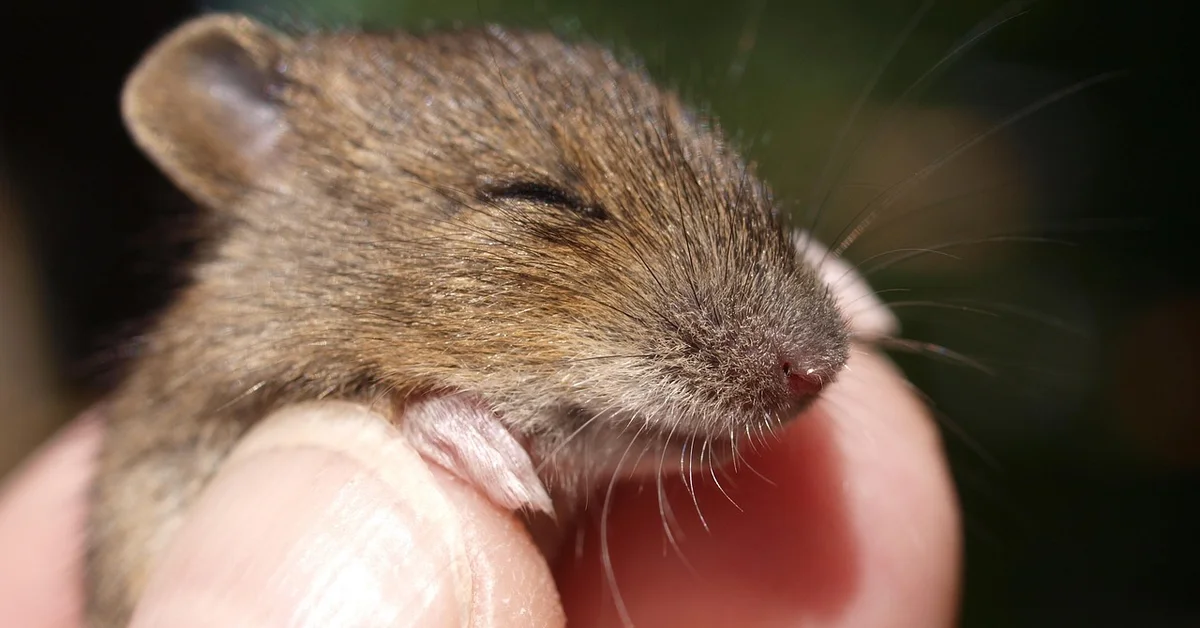
Popular Victorian Coat Colors and Patterns
Victorians adored a diverse palette of mouse colors, meticulously documenting their favorites in stud books. The classic ‘Agouti’-a wild-type brown with a dark stripe down the back-was a foundational favorite, but fanciers passionately pursued more exotic looks. They achieved stunning variations like pure white with black or red eyes, sleek black, delicate fawn, and even a blue dilution of black that gave a soft slate-gray appearance. Beyond solid colors, patterns were highly prized.
- Marked Mice: This category included the beloved ‘Dutch’ pattern with a white blaze and belt, and ‘Broken’ mice with irregular white spotting.
- Tan and Fox Mice: These had a richly colored back (black, blue, or chocolate) with a clean, tan-colored belly, a look I find particularly elegant.
- Odd-Eyes: A rare and sought-after trait where a mouse had one dark eye and one pink or ruby eye, considered a true gem in any collection.
How Victorians Bred for Temperament and Health
Selective breeding in the 19th century wasn’t just about aesthetics; it was the cornerstone of creating the friendly pet mouse we know today. Fanciers quickly learned that the calmest, most curious mice produced offspring who were easier to handle and far more engaging as companions. They would carefully observe their litters, noting which youngsters were first to approach a hand or showed interest in novel objects, much like how my Kenny’s bold nature makes him the first to investigate any new toy. These individuals were chosen as the foundation for the next generation.
Health was a more challenging goal, given the limited veterinary knowledge of the era. Breeders relied on keen observation, selecting the strongest, most vigorous mice from large litters and culling any that showed signs of weakness or chronic respiratory issues. This practice, while harsh by modern standards, established a baseline of hardiness. They understood that a bright-eyed mouse with a glossy coat and plenty of energy was the best candidate for a long, healthy life in the drawing-room cage.
What Victorian Mouse Care Looked Like
Victorian Mouse Housing and Environment
The Victorian mouse abode was a fascinating mix of ingenuity and what we would now consider confinement. The most common housing was a simple, well-ventilated wooden box or a glass aquarium, often referred to as a “vivarium,” which was a step up from the cruel, airless jars of earlier times. Fanciers took great pride in decorating these enclosures, creating miniature landscapes that reflected their tastes.
- Substrate: Fresh, sweet hay or clean straw was the preferred bedding, changed frequently to control odor.
- Enrichment: Small wooden ladders, tiny swings, and hollowed-out logs provided mental stimulation, a primitive recognition of their need for activity.
- Nesting: Shredded paper or wool was often provided for building warm, cozy nests, a comfort my Jeffery would certainly appreciate for his anxious nature.
These cages were typically kept in parlors or studies, where the mice could be observed and enjoyed as living ornaments, a world away from the hidden hutches of farm animals.
Feeding and Health Practices in the Fancy
The Victorian mouse diet was surprisingly varied, though not always perfectly balanced by today’s standards. A staple mixture of oats, canary seed, and a little brown bread formed the core of their meals, supplemented with treats that fanciers discovered their mice adored. They noted a particular fondness for apple pieces, carrot, and the occasional dog biscuit for gnawing. Fresh water was provided in shallow dishes, though spillage was a constant battle.
Health remedies were a blend of folk wisdom and early science. For minor ailments, a drop of cod liver oil might be administered, or the cage would be moved to a sunnier, warmer spot in the room for a “change of air.” Serious illness had few treatments, sadly. The most advanced practice was strict quarantine for any new mouse introduced to a collection, a simple but effective method to prevent the spread of disease that we still follow meticulously today to protect mice like my older, steady Gregory from unexpected illness.
The Decline of the Victorian Mouse Fancy
All vibrant social movements eventually face a turning point, and the Victorian mouse fancy was no exception. The fervor that once filled exhibition halls began to wane as the new century brought profound societal shifts. The outbreak of World War I redirected public attention and resources, making the breeding and showing of small pets a lower priority for many.
The elegant hobby, once a symbol of sophisticated leisure, gradually retreated from the public eye. Changing tastes and the rise of other small animal pets, like hamsters, captured the imagination of a new generation. The meticulous record-keeping of early breeders was sometimes lost, and many beautiful, established lines of mice quietly vanished from the scene.
Yet, the flicker of the fancy never fully went out. A dedicated few continued to cherish and breed their mice, becoming the crucial bridge that carried the legacy forward. They preserved the knowledge, the standards, and, most importantly, the living, breathing animals that would one day spark a renaissance in mouse keeping. Those breeders understood that mice are social animals, thriving in groups and forming strong bonds, so they tended colonies as communities rather than mere specimens. That attention to social welfare helped keep the animals healthy and appealing to future enthusiasts.
How Victorian Fancy Mice Shaped Modern Mouse Keeping
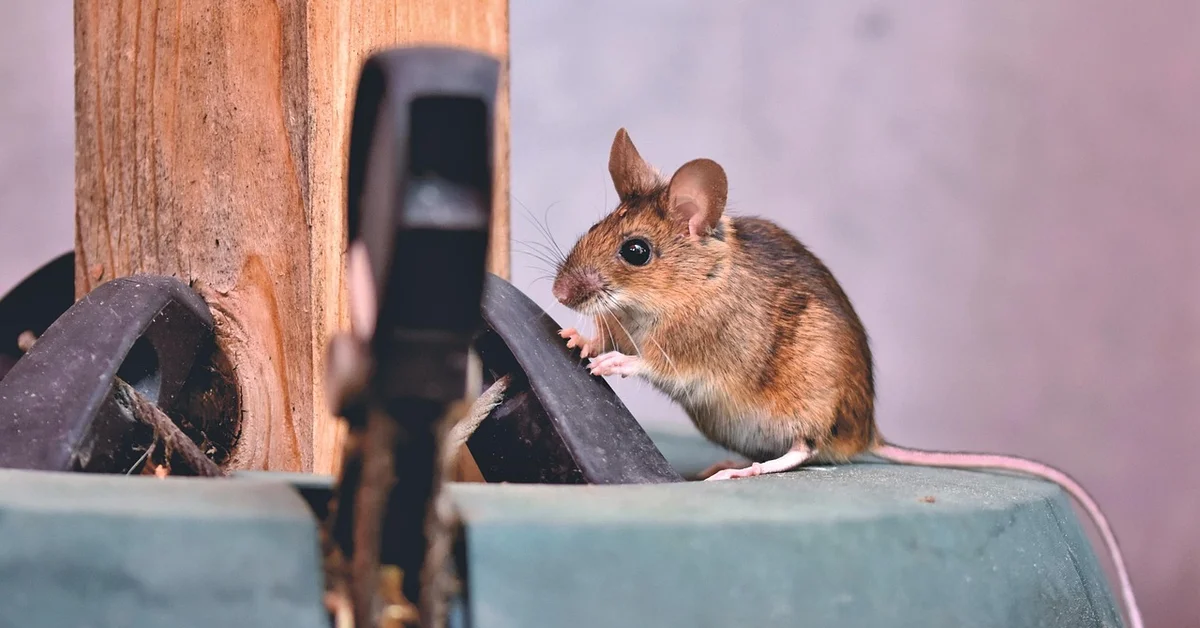
The work of those 19th-century enthusiasts forms the very bedrock of how we care for our pet mice today. Their pioneering efforts transformed the common house mouse into a recognized companion animal with specific needs and merits. We are all inheritors of their passion, whether we realize it or not.
Consider the very notion of selecting for temperament. Victorian breeders prized gentle, handleable mice, a practice that directly benefits every modern owner. Because of their selective work, we can expect our mice to be curious and tolerant of human interaction, not merely wild captives. This raises the question of whether mice can recognize their owners. In practice, many show familiarity — responding to a caregiver’s scent, voice and routine. My own mouse, Kenny, with his bold and inquisitive nature, is a living testament to generations of this careful selection.
Their focus on health and vitality established the foundations of modern murine husbandry. They were the first to truly observe what a thriving mouse required, moving beyond simple sustenance to a concept of holistic well-being. The principles they established-clean housing, a varied diet, and mental stimulation-are the same ones I follow for my trio today.
Victorian Varieties You Can Keep Today
Many of the stunning mice varieties that captivated Victorians are still with us, a beautiful living history you can welcome into your own home. Among these are marked mice — including the striking broken Dutch pattern, with contrasting patches and spots that were especially prized in Victorian shows. Their distinctive markings make them easy to recognize and a favorite among collectors and pet owners.
- Self Mice: These mice are a single, solid color from nose to tail tip. The Victorians adored the sleek, uniform appearance of blacks, chocolates, and whites. My Jeffery, a bright white mouse, would have fit right in at a 19th-century show.
- Marked Mice: This category includes patterns like the “Dutch” mouse, with its distinctive white blaze and saddle, and “Broken” mice, which have patches of color on a white base. The variety is endless and charming.
- Satin and Rex Coats: While the specific genes may be better understood now, the Victorians noted and bred for these unique coats. Satin mice have a spectacular sheen to their fur, while Rex mice have a lovely, soft, wavy coat.
Seeking out these varieties connects you directly to the hobby’s origins. Caring for a mouse whose lineage traces back to a Victorian show bench is a wonderful way to honor the history of our hobby.
Modern Mouse Shows and the Victorian Legacy
The spirit of friendly competition and communal appreciation that defined the Victorian era is alive and well in modern mouse shows. While the venues and some standards have evolved, the core goal remains the same: to celebrate the beauty and quality of fancy mice. It’s all part of the mouse fancy, a community dedicated to the care and exhibition of these charming creatures.
Today’s shows are fantastic events where you can meet fellow enthusiasts and see a breathtaking array of mice. Judges, much like their historical counterparts, carefully assess each animal against a written standard of perfection for its variety.
- Mice are evaluated on criteria like color, markings, body conformation, and condition.
- The atmosphere is one of shared passion, not intense rivalry. It’s a place to learn and share tips.
- You’ll leave with a much deeper appreciation for the diversity and care that goes into breeding these amazing little creatures.
Attending a show gives you a tangible link to the past. You are participating in a tradition of admiration that has continued, unbroken, for well over a century. It’s a delightful experience that any mouse owner should try at least once.
Frequently Asked Questions
Were Victorian fancy mice commonly sold, and how?
In the Victorian era, fancy mice were not sold in commercial pet stores as we know them today. Instead, they were typically acquired through informal networks, such as at mouse club meetings, exhibitions, or directly from breeders and rat catchers who specialized in unique color variations. Enthusiasts would trade or purchase prized specimens based on their rarity and conformity to early breeding standards, often for modest sums that reflected the mouse’s perceived value as a living collectible.
What was the relationship between Victorian fancy mice and rats?
While rat catchers played a key role in discovering and breeding early fancy mice due to their exposure to unusual rodent varieties, rats themselves were not embraced as “fancy” pets in Victorian society. Fancy mice were selectively bred for aesthetics and temperament, becoming drawing-room curiosities, whereas rats remained largely associated with pest control and disease. This distinction underscores how social perceptions and breeding efforts elevated mice into a beloved hobby, while rats were excluded from such fashionable circles.
How did Victorians care for their fancy mice?
Victorian mouse care emphasized basic hygiene and enrichment, with mice housed in well-ventilated wooden boxes or glass aquariums lined with fresh hay or straw. Owners provided simple toys like miniature ladders and swings for mental stimulation, alongside a diet of oats, seeds, and occasional treats like apple pieces. While veterinary knowledge was limited, fanciers relied on observation and home remedies, such as cod liver oil for minor ailments, and practiced quarantine to safeguard their collections from illness.
Carrying the Torch Forward
The Victorian era gave us more than just beautiful cages; it ignited a profound appreciation for the mouse as a companion. Their fascination laid the groundwork for the compassionate, knowledge-based hobby we enjoy today. We are the direct inheritors of that initial spark of wonder. To help modern owners honor that legacy, the Ultimate Guide to Mouse Cages shows how to choose, outfit, and maintain the best enclosures for your pets. It blends historical perspective with practical, welfare-focused advice for today’s caretakers.
Now it’s our turn to honor that legacy. By providing spacious habitats, thoughtful nutrition, and patient companionship, we write the next chapter in this wonderful story. Your journey with these tiny, complex creatures is a beautiful continuation of a tradition built on admiration and care.
Further Reading & Sources
- Fancy mouse – Wikipedia
- Victorian Mouse – Etsy
- Fancy Mice: A Guide to the UK’s Most Charming Small Pets – Vet Verified
Isabella is a passionate small pet enthusiast with over 8 years of experience in caring for mice. She loves sharing practical tips and heartfelt stories to help fellow mouse owners provide the best care for their tiny companions.
Mice in Science & History