
Understanding Genes and Alleles
Have you ever wondered why you share certain traits with your parents or why some characteristics seem to skip generations? I’ll guide you through the basics of genetics in a way that feels like a friendly chat, helping you make sense of how genes and alleles shape who you are.
We’ll explore what genes are and how alleles create variation, dive into real-life examples of inheritance, and break down how these concepts apply to everyday traits.
Why Mouse Genetics Matter for Pet Owners
Knowing a little about your mouse’s genetic blueprint helps you become a more proactive and understanding caretaker. Genetic predispositions can influence everything from their favorite sleeping positions to their long-term health needs. I’ve noticed that my mouse Kenny’s bold, adventurous nature seems to be a family trait, just as Gregory’s calm demeanor is.
Understanding genetics allows you to anticipate potential health issues. Certain coat colors in mice, for instance, are linked to a higher likelihood of obesity or neurological conditions. This knowledge isn’t meant to worry you, but to empower you to provide the best possible care from the very beginning.
It also deepens your appreciation for their unique personalities. Seeing your mice as individuals shaped by a complex mix of genes makes every quirk and habit even more special. The way Jeffery meticulously grooms his whiskers isn’t just a random act; it’s a part of who he is.
Breaking Down the Basics: DNA, Genes, and Chromosomes
Think of your mouse’s genetic material as a detailed instruction manual for building and running their entire body. DNA is the language this manual is written in, a complex code that holds all the information.
Genes are the individual sentences or specific instructions within that manual. Each gene provides the directions for making a particular protein, which in turn determines a specific trait, like fur texture or ear shape.
Chromosomes are the chapters that organize all these genetic sentences. Mice have 20 pairs of chromosomes, and each parent contributes one chromosome to every pair. This is how traits are passed down from mother and father.
- DNA: The fundamental building blocks and genetic alphabet.
- Gene: A specific segment of DNA that codes for a single trait.
- Chromosome: A tightly coiled structure that packages many genes together.
Where Genes Live: Understanding Chromosome and Locus
Every gene has a precise home address within a cell. The chromosome is like the specific street, and the locus is the exact house number where a gene resides. This organized system ensures that genetic instructions are read correctly every time a cell divides.
For any given trait, like coat color, your mouse has two copies of the gene-one on each chromosome in a pair. These two copies can be identical or different, and they interact to produce the final result you see on your pet. The combination at a specific locus is what creates the wonderful variety in our furry friends, especially when considering dominant and recessive genes in mouse coat colors.
When I look at my three mice with their distinct gray, brown, and white coats, I’m seeing the result of different gene combinations at the same loci. This precise genetic location is why traits are inherited in such a predictable, yet beautifully variable, way. In mice, specific loci—commonly labeled b, c, d, and p—control pigment type, intensity, dilution, and pattern. Understanding how alleles at these B, C, D, and P loci interact explains why one mouse is gray, one brown, and one white.
What Exactly Are Alleles?
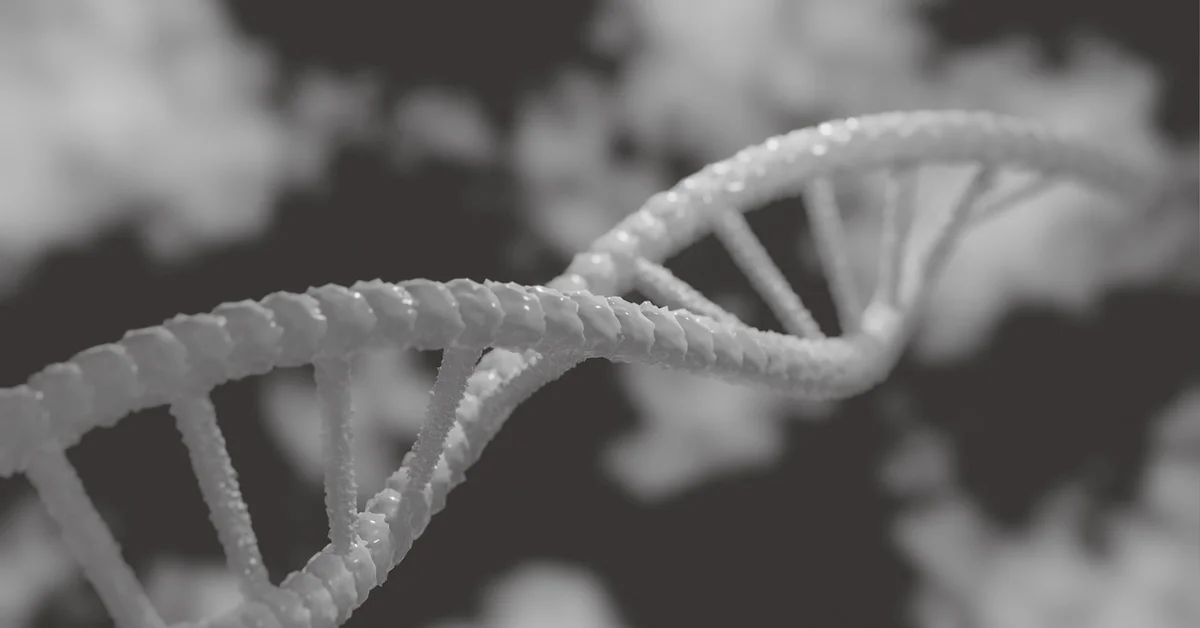
Think of a gene as a specific instruction in your mouse’s DNA blueprint, like the command for “coat color.” An allele is simply one particular version of that instruction-like the specific code for ‘light gray’ versus ‘dark brown’ fur. Every mouse inherits two alleles for each gene, one from each parent, and the combination they get determines the unique traits you see.
How Alleles Create Different Mouse Traits
The variety in your mischief comes directly from the mix of alleles each mouse possesses. My own mice are a perfect example of this beautiful diversity in action.
- Coat Color: Kenny’s light gray coat and Gregory’s dark brown fur are the direct result of them having different combinations of alleles for the pigment-producing genes.
- Behavioral Tendencies: Jeffery’s naturally jumpy, observant nature compared to Gregory’s calm patience can often be traced back to different alleles influencing their temperament and nervous system development.
- Physical Build: The alleles a mouse inherits affect everything from their overall size and ear shape to the length of their whiskers, creating the distinct silhouette of each of your pets.
Observing these small differences is a wonderful way to see genetics playing out right in your own habitat.
Dominant vs Recessive: How Alleles Interact
Not all alleles are created equal in how they express themselves. Some are like a loud, clear voice, and others are like a quiet whisper that only gets heard under specific circumstances.
A dominant allele is that loud voice-it only needs one copy to be present for its trait to be visibly expressed. A recessive allele is the quiet whisper; it will only show itself if a mouse inherits two copies of it, one from each parent. For instance, an allele for a common brown agouti coat is often dominant over an allele for a solid black coat.
Homozygous and Heterozygous Explained
These terms describe the pair of alleles a mouse has for a single gene.
- Homozygous: This means your mouse has two of the *same* allele for a gene (e.g., two alleles for black fur). The trait is very predictable and will be passed on consistently.
- Heterozygous: This means your mouse has two *different* alleles for a gene (e.g., one for black fur and one for white fur). In a heterozygous pair, the dominant allele typically dictates what you see, while the recessive allele is hidden from view.
What Does It Mean When a Mouse Is a Carrier?
A carrier is a mouse that is heterozygous for a recessive trait. It carries the “whisper” of a recessive allele but doesn’t show it because a dominant allele is doing all the talking.
Gregory, with his steady dark coat, could potentially be a carrier for a white coat allele inherited from a grandparent, a piece of genetic history that remains completely invisible in his own appearance. This is a crucial concept, as it explains how traits can seemingly disappear for a generation only to reappear later.
Genotype vs Phenotype: What You See vs What’s Hidden
This is one of the most fascinating parts of mouse genetics. The phenotype is everything you can observe about your mouse—their coat color, their behavior, their size. It’s the physical reality of Kenny, Gregory, and Jeffery. Those behavioral traits make us ask whether mice have individual personalities. Studying phenotype helps researchers separate genetic and environmental influences on those consistent behavioral differences.
The genotype, however, is the complete set of genetic instructions they carry, including all the hidden recessive alleles that aren’t currently visible. The phenotype is the expressed part of the genotype, like a visible tip of a much larger genetic iceberg.
The Relationship Between Genes, Alleles, Genotypes, and Phenotypes
Let’s connect all these concepts into a simple, flowing relationship that determines your mouse’s unique self.
- Gene: The instruction (e.g., “Determine coat color”).
- Alleles: The versions of the instruction (e.g., “Code for Brown” or “Code for White”).
- Genotype: The specific pair of alleles the mouse has (e.g., one “Brown” allele and one “White” allele).
- Phenotype: The physical result you actually see (e.g., a Brown coat, because “Brown” is dominant).
The magic of your mouse’s appearance lies in the complex dance between their hidden genotype and their visible phenotype. This is why two brown-furred mice can produce a surprise white-furred baby if they both were carriers of the hidden recessive allele.
Common Genetic Traits You’ll See in Your Pet Mice
Understanding Wild-Type Mice and Color Variations
Your mouse’s beautiful fur color is a direct window into their genetic makeup. The classic “wild-type” agouti coat—that lovely brownish-gray with dark ticking—is the default setting coded into their genes. Think of the agouti pattern as nature’s perfect camouflage, a genetic heirloom passed down through countless generations. These agouti base coat colors are set by the agouti gene and its alleles, which create the banded hairs that form the foundation of a mouse’s coloration. Other genes then tweak that base, producing the solid, diluted, or intensified shades breeders and pet owners admire. From this base, a single gene change can create the stunning variety we see in our pets.
When you look at a mouse like my Kenny, his light gray coat comes from a dilution gene acting on the base color. A completely white mouse, like Jeffery, often results from a recessive allele that prevents pigment production entirely. Observing these color shifts helps you appreciate the simple, elegant power of a single genetic instruction. You’re not just seeing fur; you’re witnessing a live demonstration of molecular biology in your own hands—especially when you compare the various pet mouse colors and markings.
- Agouti (Wild-type): The original camouflage pattern with banded hairs
- Black: Caused by a recessive mutation that produces solid pigment
- Albino: Pink eyes and white fur from complete lack of pigment
- Dilution Genes: Create shades like blue, champagne, or lilac from base colors
Coat Patterns and Polygenic Traits
Some of the most striking patterns emerge when multiple genes work together in concert. These polygenic traits create the spectacular variety that makes each mouse unique. The intricate dance between several genes creates markings that seem artistically designed rather than genetically programmed. I’ve noticed that mice with complex patterns often have equally complex personalities-perhaps because the genes affecting appearance sometimes influence neurological development too.
My Gregory’s rich, even dark brown coat demonstrates how multiple genes can refine a basic color into something extraordinary. Meanwhile, broken patterns with white spotting show how some genes literally “turn off” pigment production in specific areas. These beautiful accidents of genetics remind us that nature loves variety as much as we do.
- Self: Solid colored mice where one color covers the entire body
- Marked: White spotting patterns ranging from a small blaze to mostly white
- Tan: Dark top with light belly, controlled by specific gene combinations
- Roan: Mixed colored and white hairs creating a peppered appearance
How Inheritance Works: Mendelian Genetics in Mice
Using Punnett Squares to Understand Inheritance
Predicting what traits baby mice might inherit becomes much clearer when you visualize genetics with simple tools. Punnett squares give you a straightforward way to see probability in action. This simple grid system helps demystify why two black-coated mice might occasionally produce agouti babies. I often sketch these squares when new litters arrive-it’s fascinating to see the predictions play out in real, wiggling pups.
Let’s say both parent mice carry one recessive allele for pink-eyed dilution (represented as pp). When you cross them, about 25% of their offspring will visually show this trait. Remember that what you see in your mice’s appearance doesn’t always reveal the hidden genetic possibilities they carry. That calm, brown Gregory might be harboring genes for colors and patterns that would surprise you! A visual guide to mouse color genetics outcomes makes these possibilities clearer by showing which allele combinations yield specific colors and patterns. It’s a helpful tool when predicting what Gregory’s offspring might look like.
Beyond Simple Inheritance: Epistasis and Gene Interactions
Mouse genetics gets truly fascinating when genes start interacting and modifying each other’s effects. Epistasis occurs when one gene masks or changes the expression of another gene entirely. Think of it as genetic teamwork where some genes play supporting roles to others. This explains why the same base color can look dramatically different depending on what other genes are present.
The albino gene is a classic example-it completely overrides all other color genes, resulting in a white mouse regardless of what other color genes they carry. These layered genetic interactions create the wonderful complexity that makes each mouse a unique individual. Even after years of keeping mice, I still encounter surprising combinations that teach me something new about genetic expression.
- Modifier Genes: Fine-tune the intensity or distribution of color
- Epistatic Genes: Can completely hide the effects of other genes
- Pleiotropic Genes: Single genes that affect multiple traits simultaneously
- Complementary Genes: Require multiple genes working together to produce a trait
Genetic Health Considerations in Pet Mice
Recognizing Genetic Health Issues
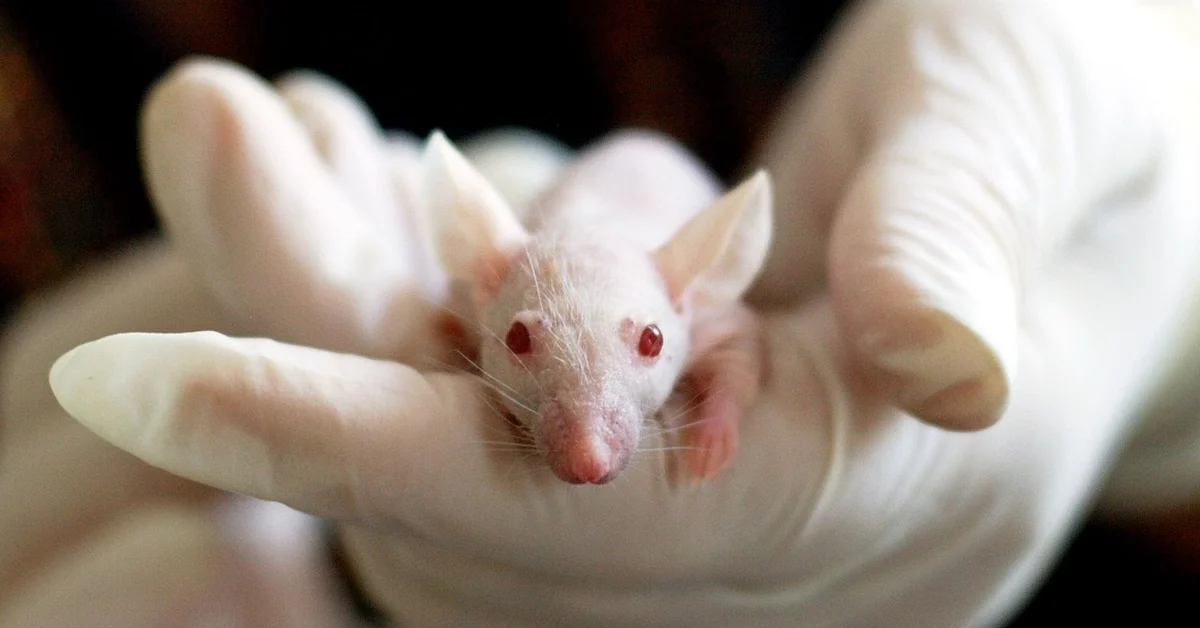
While genetics creates the beautiful diversity we adore, it sometimes brings challenges we need to watch for carefully. Certain coat colors and patterns link to specific health considerations that responsible owners should understand. Being aware of these connections helps you provide the best possible care for your unique mouse. Understanding simple genetics 101 terms — genes, alleles, genotype and phenotype — makes it easier to interpret these links. For mice, knowing this terminology helps you track inherited traits and anticipate associated health risks. I’ve learned that attentive observation often reveals small signs before they become big problems.
Mice with predominantly white coats and dark eyes, for instance, sometimes have a higher incidence of minor neurological issues that might affect coordination. Early recognition of these subtle signs allows for environmental adjustments that keep your mouse comfortable and safe. Simple changes like lowering cage platforms can make a world of difference for a mouse with genetic predispositions.
- Observe coordination and balance during normal activities
- Monitor for unusual head tilting or circling behavior
- Watch hearing responses to familiar sounds
- Check vision accuracy by observing navigation skills
Sex-Linked Traits and Health in Mice
Some genetic characteristics follow different inheritance patterns depending on whether they’re carried by male or female mice. These sex-linked traits create interesting family patterns you might notice across generations. The X chromosome carries unique genetic information that can affect health and appearance differently in males versus females. This explains why some conditions appear more frequently in one sex.
Since male mice have only one X chromosome, any recessive gene on that chromosome will express itself without a second copy to potentially mask it. Understanding these patterns helps you anticipate potential health considerations specific to your mouse’s sex. My little Jeffery, being male, would immediately show any X-linked traits he inherited, while females might carry them silently to pass to future generations.
Females with two X chromosomes can be carriers of recessive conditions without showing symptoms themselves. This genetic balancing act means female mice often serve as guardians of genetic diversity within mouse lineages. Watching how traits pass through your mouse family reveals the elegant complexity of biological inheritance in real time.
Genetic Variation and Mutation in Pet Mice
What Genetic Variation Means for Your Mice
Genetic variation refers to the natural differences in DNA sequences among individual mice, which create the wonderful diversity you see in your pets. This variation is why no two mice are exactly alike, from their coat colors to their playful antics. In my own experience, Kenny’s light gray fur and bold curiosity stem from his unique genetic makeup, while Gregory’s calm demeanor and dark brown coat reflect his own set of genes.
How Mutations Can Occur in Pet Mice
Mutations are changes in a mouse’s DNA that can happen spontaneously or be inherited, leading to new traits. Most mutations are harmless and simply add to the charming quirks of your mouse, like a slightly different fur pattern or eye color. For instance, a mutation might cause a mouse to have a patch of white fur, similar to what I’ve observed in Jeffery, whose cheerful nature shines through his unique appearance. Always monitor your mice for any health changes, as rare mutations could affect their well-being.
- Spontaneous mutations arise randomly and are not passed down unless they occur in reproductive cells.
- Inherited mutations come from parents and can influence traits like coat texture or behavior over generations.
- Environmental factors, such as diet or stress, might occasionally influence mutation rates, though this is uncommon in well-cared-for pets.
Essential Genetics Terms for Mouse Owners
Key Definitions to Help You Understand Your Mice
Grasping basic genetics terms can make you a more informed and empathetic mouse owner. Knowing these concepts helps you appreciate why your mice look and act the way they do, deepening your bond with them. I’ve found that understanding terms like “allele” or “phenotype” makes it easier to discuss care with veterinarians or other enthusiasts. This is especially useful when learning about fancy mouse breeds, where specific colors, markings, and coat types are tied to genetics. It helps you understand breed standards and common mutations so you can choose and care for fancy mice responsibly.
| Term | Simple Explanation |
|---|---|
| Gene | A segment of DNA that carries instructions for a specific trait, such as fur color or temperament. |
| Allele | Different versions of a gene that can result in variations, like light or dark fur in mice. |
| Genotype | The genetic combination an animal has for a particular trait, which you can’t see directly. |
| Phenotype | The observable characteristics, like a mouse’s coat color or energy level, influenced by genes and environment. |
| Dominant Allele | A version of a gene that shows its effect even if only one copy is present, often seen in common traits. |
| Recessive Allele | A version that only appears if two copies are inherited, which might explain rare features in your mice. |
Applying These Terms in Everyday Mouse Care
Use these genetics terms to better interpret your mice’s health and behavior. For example, if a mouse has a recessive allele for a white coat, like Jeffery, it might only show if both parents pass it on. Understanding these genetic traits also helps place individual mice within the broader mice/rodent classification—distinguishing species, subspecies, and common lab or pet strains. This knowledge can help you anticipate potential health issues or simply enjoy the diversity in your mouse family, much like how I’ve learned to appreciate each of my mice’s unique traits without overcomplicating their care.
- Observe phenotypes to note any changes in appearance or behavior that could relate to genetics.
- Discuss genotypes with a vet if you’re concerned about inherited conditions, avoiding breeding topics.
- Celebrate the genetic diversity in your mice, as it makes each one special and resilient.
Frequently Asked Questions
How can a genes and alleles diagram help me understand my mouse’s traits?
A genes and alleles diagram visually represents how genes are located on chromosomes and how different alleles interact to produce traits in your mice. For example, it might show a chromosome with a gene for coat color at a specific locus, and the alleles (like one for agouti and one for black) that determine the final appearance. This can help you see why your mouse has a particular fur pattern or why certain traits might appear in offspring, making genetics easier to grasp without complex text.
What is a genes and alleles worksheet and how is it used in mouse genetics?
A genes and alleles worksheet is a practical tool that lets you apply genetics concepts to your mice through exercises like filling in Punnett squares or tracking trait inheritance. For instance, you could use it to predict the likelihood of coat colors in a litter based on the parents’ alleles, helping you anticipate variations and better understand your pets’ genetic backgrounds. This hands-on approach reinforces learning and makes it easier to discuss observations with other mouse enthusiasts or a vet.
What are some important notes on genes and alleles for mouse pet owners?
Key notes include remembering that alleles are the variations of genes that cause diversity in your mice, such as differences in behavior or coat type, and that recessive alleles can hide in carriers without showing traits. It’s also useful to note that genes and alleles are made of DNA, which acts as the blueprint for all inherited characteristics, so observing your mice’s phenotypes can give clues about their hidden genotypes. Keeping these points in mind helps you appreciate each mouse’s uniqueness and monitor for any genetic health predispositions.
Your Path Forward
Genetics isn’t a distant science but a vibrant, living story playing out in your own habitat. Every unique coat pattern, every quirky behavior, and every health predisposition in your mice is a direct conversation between the genes they inherited. This is especially visible in long-haired Angora mice, where mutations in a few genes produce their distinctive fluffy coats. Studying these traits helps breeders and researchers understand inheritance patterns and gene function.
By observing your companions with this new lens, you become more than an owner-you become an appreciative witness to their biological uniqueness. This knowledge empowers you to provide the most thoughtful, individualized care for the wonderful little creatures sharing your home.
Further Reading & Sources
- Gene vs Allele: Definition, Difference and Comparison
- What’s the Difference Between a Gene and an Allele? | Britannica
- Genes and genetics explained | Better Health Channel
Isabella is a passionate small pet enthusiast with over 8 years of experience in caring for mice. She loves sharing practical tips and heartfelt stories to help fellow mouse owners provide the best care for their tiny companions.
Mice Genetics