
Are Mice Social Animals? Unlocking Their Need for Companionship
Have you ever noticed your pet mouse spending hours alone and wondered if it secretly longs for a friend to share its adventures with? Many owners feel this uncertainty, but observing mice in their natural and domestic settings reveals a deeply ingrained social nature that thrives on interaction.
This guide will walk you through the fascinating social dynamics of mice, offering clear, actionable advice to nurture their well-being. We will explore the benefits of group living, identify key behaviors that signal contentment or stress, and provide practical tips for creating a harmonious multi-mouse habitat.
Why Mice Need Companionship
Mice are not designed for a solitary life. Isolating a mouse is one of the most detrimental things you can do to its overall well-being, impacting both its mental and physical health. In my years of caring for them, I’ve seen how a lone mouse will often become lethargic, over-groom to the point of injury, or simply lose its spark.
Understanding Mouse Social Behavior in the Wild vs Captivity
In the wild, mice live in complex, bustling colonies. These groups provide safety from predators, shared warmth in the nest, and cooperative foraging. This deep-seated instinct for community does not vanish when they become our pets; it simply has nowhere else to direct its energy. A captive mouse without a friend experiences a profound, gnawing loneliness that we, as owners, have a responsibility to prevent. Knowing when mice thrive in groups and when solitary housing is necessary is key. This guide explains mouse social behavior and offers practical advice for caring for both solitary and social mice.
- Wild Instincts: Survival depends on the group. They huddle for warmth, warn each other of danger, and collectively raise young.
- Captive Reality: While we remove the threat of predators, the fundamental need for social interaction remains. A cage is a much smaller world, making the presence-or absence-of a companion even more critical.
- My Experience: I once cared for a lone mouse before I knew better. His entire demeanor changed within days of introducing two carefully chosen companions. He was suddenly brighter, more active, and more engaged with his environment.
How Mouse Social Hierarchy Works
When you have a group of mice, they will naturally form a social structure. This hierarchy is not about bullying, but about establishing a stable and predictable social order that reduces conflict. You’ll often see one mouse emerge as the more confident “alpha,” while others find their comfortable places within the group. If you’re wondering who becomes the alpha, it’s usually the most assertive and socially savvy individual. Look for signs like priority access to food and preferred nesting spots.
My current trio is a perfect example. Kenny, my bold light-gray mouse, is often the initiator, leading the charge into new tunnels. Gregory, the older dark-brown one, is the steady presence who often grooms the others, a classic sign of social bonding. Observing this natural order is a sign of a healthy, functioning group, not a reason for concern.
Common Social Behaviors You’ll Observe
Living with a mischief of mice is like watching a tiny, furry society. Their interactions are subtle but tell you everything about their relationships. Over time you’ll spot consistent differences—some are bold and curious while others stay cautious and reserved. That makes you wonder: do mice have individual personalities?
- Allogrooming: Mice will gently groom each other, especially around the head and neck. This is a primary bonding activity and a sign of affection and social acceptance.
- Huddling and Sleeping Piled Together: You will rarely find them sleeping apart. They sleep in a warm, furry pile for comfort and security. Finding a mouse sleeping alone can be a sign of illness or social exclusion.
- Gentle Nudging and Following: You might see one mouse gently nudging another to move along or to show them a new discovery. My little white mouse, Jeffery, is often seen following Kenny, his quick, hesitant steps mirroring the leader’s path.
- Play Fighting and Tumbling: Young mice, in particular, will engage in playful wrestling and chasing. This is normal and helps them learn social boundaries. The key is that it’s silent and nobody gets hurt.
- Shared Food Hoarding: They will often work together to gather and store food in a communal nest spot, a beautiful remnant of their wild, cooperative foraging instincts.
How Many Mice Should You Keep Together?
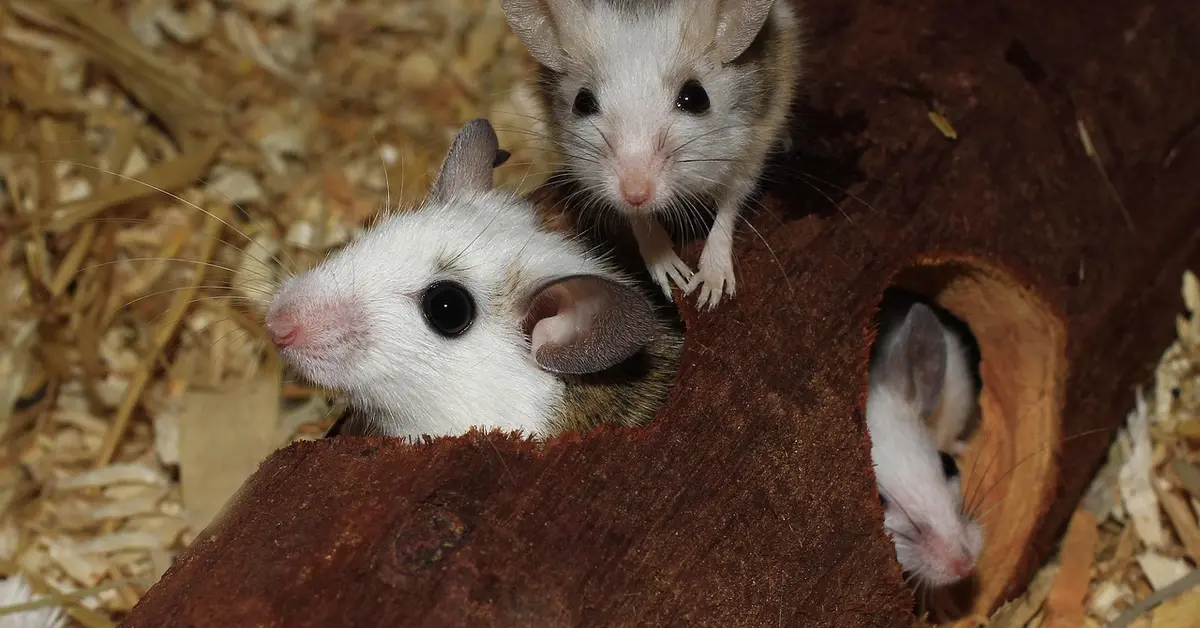
Deciding on the perfect number of mice for your cage is one of the most important choices you’ll make for their well-being. A lone mouse is a profoundly lonely creature, and companionship is not a luxury for them—it’s a fundamental need for their mental and physical health. I’ve found that the social dynamics truly come alive with a small group. This single mouse vs group social needs guide will help you weigh the pros and cons. You’ll find practical tips to meet mice’s social needs whether you keep one or several.
Same-Sex Pairs vs Mixed-Sex Groups
This distinction is absolutely critical for a harmonious and manageable pet mouse experience.
- Same-Sex Groups are Ideal: Housing female mice together is wonderfully straightforward. They form deep, cooperative bonds and create a peaceful, bustling little society. Male mice can also live together, but it requires more careful management from the start.
- Introducing Males Successfully: The key with males is to introduce them when they are very young, ideally from the same litter. My boys, Kenny and Jeffery, were introduced this way and their established hierarchy prevents serious conflict. Introducing unfamiliar adult males is risky and can lead to fierce fighting.
- Avoid Mixed-Sex Groups Entirely: Unless you are a professional breeder with a plan for every single offspring, you must never house males and females together. A single pairing can result in a new litter every three weeks, quickly leading to an overwhelming and unsustainable number of mice.
For most owners, a small group of three to four females is the sweet spot. It provides rich social interaction and spreads out any minor squabbles, creating a more stable environment than a simple pair.
Recognizing Healthy Social Dynamics vs Problems
Learning to interpret your mice’s body language and interactions is like learning a new, silent language. It allows you to see the beautiful tapestry of their relationships and spot any threads that are beginning to fray. Understanding their psychology helps explain why they choose certain toys and how play shapes social bonds. Watching how mice interact with toys reveals signs of stress, curiosity, or hierarchy.
Signs Your Mice Are Socially Bonded
When mice are truly comfortable with each other, their lives are filled with quiet, cooperative rituals. Watching my trio, I see these positive signals every day. These quiet rituals — shared grooming, sleeping in a pile, and coordinated play — are telltale signs of a strong bond between mice.
- Communal Nesting: A big, messy, shared nest where everyone sleeps piled together is the ultimate sign of trust and friendship.
- Allogrooming: You’ll see them gently nibbling and cleaning each other’s faces, ears, and fur. This is a core social behavior that strengthens bonds.
- Peaceful Co-feeding: They eat side-by-side without tension or resource-guarding. One might even hold a treat for another to nibble on.
- Calm Huddling: Finding them resting in a soft, peaceful heap in a hammock or hideout is a clear indicator of a contented group.
Warning Signs of Social Stress or Aggression
Not all interactions are friendly. It’s vital to distinguish normal bickering from harmful aggression that requires your intervention.
- Barbering: One mouse may excessively over-groom another, leading to patches of missing fur, typically on the face or back. This is a sign of dominance or stress.
- Chasing and Cornering: A little playful chase is normal, but if one mouse is relentlessly pursuing another, preventing it from eating or drinking, it’s a serious problem.
- Puffed-Up Fur and Upright Postures: Mice will make themselves look bigger when they feel threatened. This is often a prelude to a fight.
- Vocalizations: Listen for loud, distressed squeaking during interactions, not to be confused with the soft, chattering sounds of happy mice.
- Isolation: If one mouse is consistently alone, hiding away from the group, it may be being bullied or is otherwise unwell.
If you witness persistent, injurious fighting with bloodshed, you must separate the mice immediately to prevent severe injury or death. Sometimes, even with the best introductions, personalities simply clash. Sudden fighting often stems from illness, stress, overcrowding, or shifts in social rank. Identifying the cause will help you choose the right solution—temporary separation, veterinary care, or changes to housing and introductions.
Introducing New Mice Successfully
Bringing a new mouse into an established group is a delicate process that requires patience and a solid plan. Rushing an introduction is the single most common mistake and can lead to serious, lasting conflicts. I’ve learned through trial and error that a slow, methodical approach builds the foundation for a peaceful, happy mischief.
The Split Cage Method: A Step-by-Step Guide
This is the gold standard for mouse introductions. You’ll need a cage with a secure, ventilated divider, like a piece of hardware cloth firmly zip-tied in place. Click here for the best mouse cages.
- Initial Separation: Place the new mouse on one side of the divider and the established group on the other. They can see and smell each other but cannot make physical contact.
- Scent Swapping: After a day or two, swap a handful of bedding from each side to the other. This helps the mice become accustomed to each other’s scent in a non-threatening way. Do this daily.
- Switching Sides: Once you see no signs of intense stress or aggression at the divider, carefully switch which group is on which side. This further mingles their scents throughout the entire living space.
- The First Meeting: After several days of successful scent mingling, remove the divider during a time when you can closely supervise for at least an hour. Do this in a neutral, open space like a dry bathtub or playpen, not in the cage.
- Observe Closely: Some chasing, pinning, and squeaking is normal as they establish a new hierarchy. Watch for true aggression like lunging, biting, or drawn-out fights where fur flies.
- Gradual Integration: If the neutral space meeting goes well, you can attempt to house them together in a thoroughly cleaned cage with all new bedding and rearranged toys. This removes any sense of “territory.”
With my current trio, introducing the young, impulsive Kenny to the calm, older Gregory required a full week of this method. Gregory’s patient nature was a blessing, as he tolerated Kenny’s bold curiosity without escalating into a fight. It taught me that the resident mouse’s personality is just as important as the newcomer’s.
Recognizing Positive vs. Negative Behaviors
Knowing what to look for will tell you if your introduction is on the right track.
- Good Signs: Gentle sniffing, grooming each other, sleeping in a pile, and sharing food.
- Warning Signs: Puffed-up fur, sidling (walking sideways to appear bigger), intense staring, and loud, persistent squeaking.
- Stop Immediately: Any biting that draws blood, rolling ball fights, or relentless, fearful chasing. Separate them and go back a step in the process.
Setting Up Your Cage for Social Mice
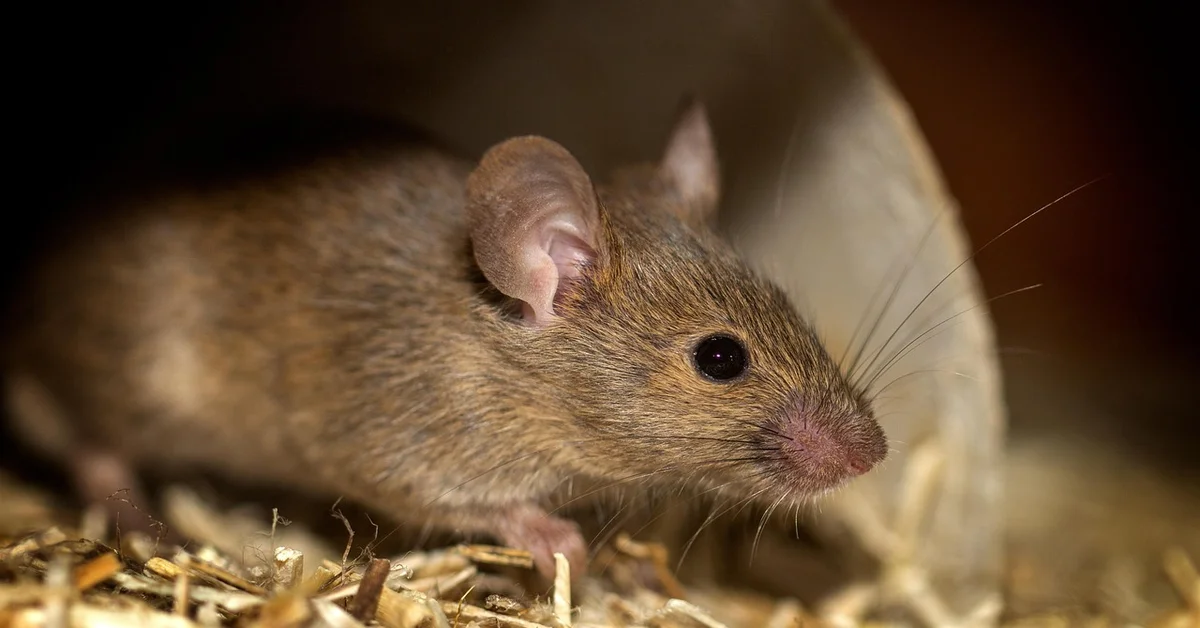
A well-planned habitat is not just a home; it’s a tool for fostering harmony. The right cage setup minimizes competition and provides ample opportunities for your mice to express their natural social behaviors. Think of it as designing a small, mouse-friendly city with plenty of resources for all citizens. Equally important is where you place that “city.” The cage’s location affects noise, temperature, and the mice’s overall stress and social interactions.
Essential Features for a Harmonious Home
- Spaciousness is Paramount: A larger cage is always better for groups. It allows subordinate mice to get away and have their own space, reducing stress and conflict. Aim for a minimum of 10 gallons per mouse, but more is enthusiastically recommended.
- Multiple Food and Water Stations: Place several food bowls and water bottles in different areas of the cage. This prevents a dominant mouse from guarding a single resource and ensures everyone gets their share.
- An Abundance of Hides: Provide more hiding spots than you have mice. Use a variety of types-igloos, wooden houses, coconut huts, tissue boxes, and paper bags. This gives shy mice like my Jeffery safe places to retreat and observe.
- Double (or Triple!) the Wheels: If you include an exercise wheel, get at least two. Mice can be surprisingly possessive of wheels, and having multiples prevents squabbles over this popular piece of equipment.
Enrichment for a Thriving Mischief
Boredom can lead to tension, just as it can with people. A stimulating environment keeps their minds and bodies active.
- Create a Complex Landscape: Use platforms, ropes, branches, and ladders to create multiple levels and pathways. This encourages natural climbing and exploring behaviors.
- Foraging Opportunities: Instead of putting all food in a bowl, scatter some throughout the bedding and hide treats in puzzle toys or toilet paper tubes. This mimics their natural foraging instinct and is a fun group activity.
- Deep Bedding for Burrowing: Provide a deep layer of safe, absorbent bedding-at least 2-3 inches. Mice love to dig complex tunnel systems together, which is a wonderful cooperative behavior. I use a mix of aspen shavings and paper-based bedding.
- Rotating Toys: Keep the environment fresh by rotating a few toys in and out every week. This prevents habituation and keeps their curiosity piqued. A “new” old toy is often just as exciting as a brand-new one.
Frequently Asked Questions
What is the mouse social behavior test?
The mouse social behavior test is a research method used to study interactions between mice in controlled settings. It often involves observing behaviors like social approach, aggression, or cooperation in experiments such as the social interaction test or resident-intruder test, helping scientists understand social bonds and hierarchies.
What are the signs of mice activity?
Signs of mice activity include frequent movement, such as running on wheels, exploring their environment, and foraging for food. You may also notice nesting behaviors, like gathering bedding materials, and chewing on objects, which are natural instincts for maintaining teeth and creating shelter.
What is the behavior of mice?
Mice are naturally curious and active animals, often displaying behaviors like exploring new objects, grooming themselves and others, and engaging in play. They are primarily nocturnal, meaning they are most active during the night, and they communicate through subtle body language, vocalizations, and scent marking to interact with their environment and companions.
Wrapping Up
Mice are profoundly social creatures who find comfort, security, and joy in the company of their own kind. Keeping a single mouse denies them the complex communication and companionship that is fundamental to their well-being. They communicate using scent marks and vocalizations, body language, and ultrasonic vocalizations often inaudible to people, and understanding these signals helps explain why social housing is so important.
By providing a small, harmonious group, you are not just a pet owner; you become the curator of a tiny, thriving community. Watching their unique relationships and daily chatter, from gentle grooming sessions to playful chases, is one of the most rewarding parts of sharing your home with them.
Further Reading & Sources
- Modelling collective behavior in groups of mice housed under semi-naturalistic conditions
- Distinct dynamics of social motivation drive differential social behavior in laboratory rat and mouse strains | Nature Communications
- Neural Circuit Mechanisms of Social Behavior – PMC
Isabella is a passionate small pet enthusiast with over 8 years of experience in caring for mice. She loves sharing practical tips and heartfelt stories to help fellow mouse owners provide the best care for their tiny companions.
Understanding Mice Behavior