
How to Properly Introduce New Mice to an Existing Group
Have you ever felt that nervous flutter in your stomach when considering adding a new mouse to your current crew, unsure if they’ll get along or if conflicts will arise? I understand that concern completely, and in this guide, I’ll walk you through a reliable, gentle process to help your mice form bonds smoothly and avoid common setbacks.
We’ll explore how to set up a neutral space for first meetings, recognize and respond to stress cues, and gradually build positive interactions through scent swapping and supervised play.
Why Quarantine Matters Before Any Introduction
Bringing a new mouse home is thrilling, but that initial excitement needs to be tempered with patience for everyone’s safety. Quarantine is your single most powerful tool for preventing a cascade of health issues that could affect your entire mischief. I learned this the hard way early on, and now I would never skip this step.
Think of quarantine as a protective bubble for both your established mice and the newcomer. New mice can carry invisible illnesses or parasites that don’t show symptoms immediately. A separate, isolated space for a few weeks gives you a clear window to observe their true health. This crucial period allows the new mouse to de-stress from the move and for you to spot any potential problems before they become a group-wide crisis. Follow a clear, step-by-step quarantine protocol to make the process straightforward and effective. The next section outlines practical steps to quarantine new mice safely.
What to Watch for During Quarantine
Your role during quarantine is that of a gentle detective. You’re looking for clues about the new mouse’s overall well-being. Keep their enclosure in a separate room, if possible, and always wash your hands thoroughly between handling different groups. If you need to nurse a sick mouse, set up a quiet hospital cage with soft bedding, easy access to food and water, and a gentle heat source. Monitor them frequently for changes and keep handling to a minimum to reduce stress.
- Respiratory Signs: Listen for frequent sneezing, clicking sounds, or wheezing. Watch for red-brown discharge around the eyes and nose, known as porphyrin.
- Parasites: Look for excessive scratching, scabs on the skin (especially on the back and neck), or visible lice nits (tiny white specks) stuck to the fur.
- Digestive Health: Monitor their droppings. They should be firm and well-formed. Loose or absent droppings can signal distress or illness.
- Energy and Behavior: A healthy mouse will be curious, though perhaps shy at first. Lethargy, hunching, or a puffed-up coat are red flags.
Trust me, the two-week minimum wait feels long, but it pays off in peace of mind and a healthier start for the introduction process. If you notice any of these signs, consult a veterinarian experienced with small animals before proceeding.
Preparing Your Setup: Territory Neutralization and Neutral Space
Mice are deeply territorial creatures, and their sense of smell is their primary map of the world. The existing cage smells like “home” to your current mice, and a new mouse smells like an intruder. The goal is to completely dismantle this established territory and create a brand-new, neutral environment that belongs to no one. This is especially important when trying to reduce mouse odor in the home.
For the initial introductions, you need a neutral space-an area where no mouse has ever played or lived before. A dry, empty bathtub (with a plug in the drain!) or a large plastic storage bin works perfectly. This neutral ground eliminates the “this is my turf” instinct and encourages mice to interact as curious individuals rather than defenders and invaders. Scatter lots of hiding places like cardboard tubes and small boxes with multiple exits so a nervous mouse can always get away.
Simultaneously, you must thoroughly clean the main habitat that will eventually house the whole group. Remove all old bedding, scrub every toy, hide, and platform with a vinegar-and-water solution, and rinse everything well. A deep clean like this removes the scent signatures of the established group, making the cage unfamiliar and neutral to everyone involved.
Bedding Swapping and Scent Mixing Techniques
Before any face-to-face meetings, you can begin the introduction process entirely through scent. This is a non-confrontational way for the mice to get to know each other.
- The Straight Swap: Take a handful of clean, soiled bedding from the established group’s cage and place it into the new mouse’s quarantine cage. Do the reverse with the new mouse’s bedding. This lets them investigate each other’s smells in the safety of their own spaces.
- The Scented Item Exchange: Swap a hideout or a fabric sock that the mice have slept in between the two cages. My mouse Gregory is often a bit grumpy about this at first, sniffing the new scent with intense focus.
- The Vanilla Trick: A tiny drop of pure vanilla extract on the base of each mouse’s back can help. It masks their individual scents briefly, making them all smell the same and reducing immediate territorial aggression.
Watch their reactions during these scent exchanges; curious sniffing is excellent, while frantic over-grooming or barbering can indicate stress. Repeat this process for several days until the mice seem calm and accustomed to the foreign smells. This careful preparation builds a foundation of familiarity, making the first physical introduction far less shocking for everyone.
The First Supervised Meeting: Setting Up for Success
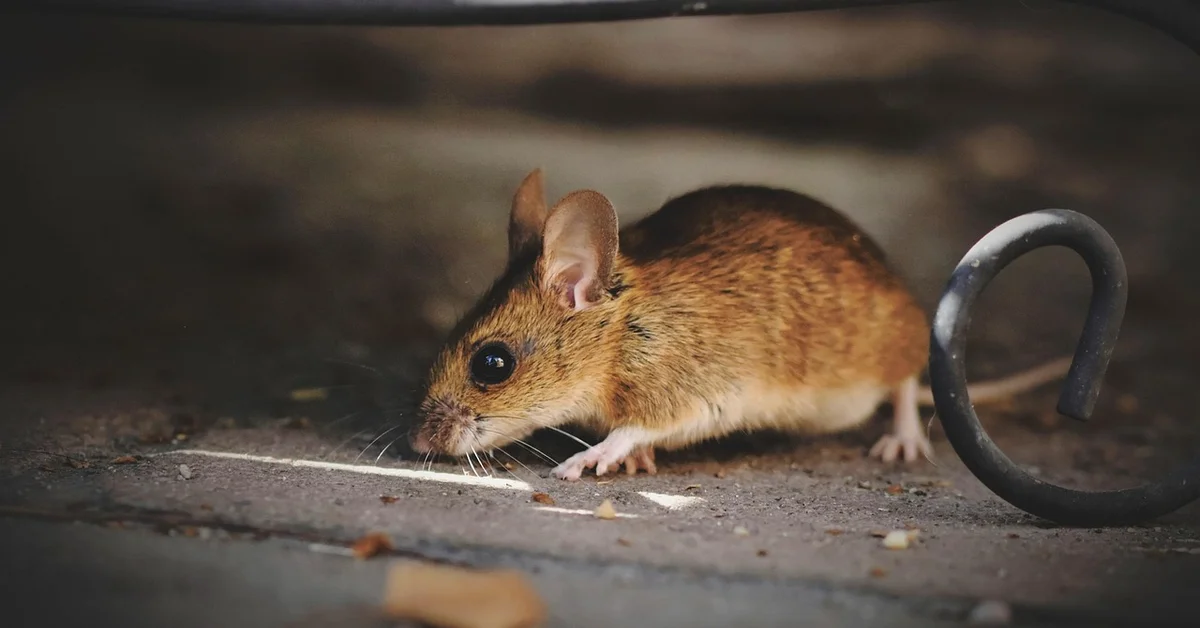
I always treat the first supervised meeting like a first date-you want to set the stage for a positive connection, not a dramatic showdown. Choose a completely neutral space that none of your mice have ever claimed as their own territory. A clean, empty bathtub or a large plastic bin works perfectly for this initial encounter.
Keep these sessions incredibly short, no more than five to ten minutes at first. The goal is a brief, positive sniff-and-greet, not a prolonged social event. I time these sessions carefully and always have a towel or piece of cardboard ready to gently separate anyone if tensions rise. End the session on a high note, before any squabbling begins, and offer a tiny, high-value treat to all mice involved. This builds a positive association with being near each other.
Understanding Normal Dominance Behavior vs. Aggression Signs
It’s completely natural for mice to establish a social hierarchy, and some behaviors that look intense to us are just normal mouse conversation. You’ll likely see a lot of sniffing, some gentle chasing, and a behavior called “barbering,” where one mouse gently nibbles or grooms the fur of another. Normal dominance is about posturing and establishing order, not about causing harm. However, dominance becomes bullying when it’s persistent and leads to injury, weight loss, or one mouse being constantly chased and excluded. Look for wounds, hiding, or poor grooming—those are signs you should intervene and seek advice.
True aggression, however, requires immediate intervention. Watch for these red flags:
- Loud, piercing squeaks that sound distressed, not conversational.
- Puffed-up fur, making a mouse look twice its size.
- Rolling, balled-up fighting where it’s difficult to see which mouse is which.
- Any sign of blood, biting, or persistent, relentless chasing.
In my experience, my bold mouse Kenny often initiates the initial chasing, but it’s my older mouse Gregory’s low, rumbling complaints that tell me when a line is being crossed. Learning to distinguish these vocal and physical cues is your most powerful tool for a safe introduction.
Age and Size Matching: Who Should Meet Whom
While matching mice by exact age and size isn’t always strictly necessary, considering their life stage and temperament is far more critical for long-term harmony. Personality compatibility often outweighs physical similarities. A very large, docile adult might accept a tiny, energetic juvenile much more easily than he would another assertive adult of the same size.
I’ve found that introducing younger mice to a well-established, older group can be surprisingly successful. My elder statesman, Gregory, seems to tolerate the antics of younger mice like Jeffery with a kind of grumpy patience he wouldn’t afford another adult. A calm, older mouse can provide a stabilizing influence, while younger mice bring new energy that can revitalize a group. The key is ensuring no single mouse is so small or timid that it becomes a constant target.
Step-by-Step Gradual Introduction Process
Rushing introductions is the most common mistake I see. This process cannot be hurried. Patience over days, or even a couple of weeks, is your greatest ally.
- Cage-Swapping and Scent Introduction: For several days before any physical meeting, swap a handful of bedding or a few hideouts between the new mouse’s cage and the established group’s cage. This allows them to become familiar with each other’s scent in the safety of their own homes.
- The Split-Cage Method: This is my gold-standard technique. Use a large tank or cage divided securely down the middle with wire mesh. House the groups on either side. They can see, smell, and interact safely through the barrier. Swap which side they are on daily to thoroughly mix scents.
- Begin Supervised Neutral Meetings: After a few days of the split-cage method with no signs of stress, begin the short, supervised meetings in the neutral area as described above.
- Gradually Increase Time Together: As the mice show more tolerance and less intense interest in each other, slowly extend the duration of their neutral-area playdates.
- Full Introduction: Only when you’ve witnessed multiple peaceful, extended sessions do you move them into a meticulously cleaned, fully rearranged permanent home with all new accessories.
Using Enrichment and Hiding Places to Reduce Stress
A bored mouse is a stressed mouse, and stress leads to conflict. During introductions, especially in the new shared home, an enriched environment is non-negotiable. Provide an abundance of hiding spots so that every mouse can have its own private retreat if it feels overwhelmed. I use multiple cardboard boxes, toilet paper tubes, and commercial hideouts. These simple additions are key to a well-designed habitat, and they’re covered in more detail in the ultimate guide to mouse cages, which also explains ideal cage size, layout, and accessory placement.
Scatter food and treats generously throughout the enclosure instead of using a single food bowl. Foraging for food mimics natural behavior and prevents competition over resources. I’ll often smear a little yogurt on a clean rock or hang a spray of millet from the cage top to keep them busy and positively engaged with their new environment, not with picking on each other.
When to Separate: Reading Warning Signs and Separation Protocol
Conflict Resolution During Early Integration
Watching your mice interact for the first time is nerve-wracking, and knowing when to step in is a skill you develop over time. The key is to distinguish between normal social squabbling, which sounds worse than it is, and genuine aggression that requires immediate separation. Normal hierarchy establishment involves chasing, pinning, and loud squeaking, but the mice will disengage quickly and no one gets hurt. It’s important to understand mouse social behavior to make informed decisions.
You need to separate them instantly if you see any of these red flags. Look for fur flying, not just ruffled. Listen for intense, continuous screaming, not brief protest squeaks. Watch for one mouse relentlessly pursuing another who is clearly trying to escape and hide. The most critical sign is a wound, no matter how small; a single drop of blood means the introduction has failed for now.
If you must separate, do so calmly and safely. I keep a thick towel or a small cardboard divider handy for this exact purpose. Gently slide the barrier between the fighting mice to break their line of sight. Never use your bare hands to grab fighting mice, as you will likely get bitten out of redirected fear. Scoop each mouse into a separate temporary container. After a stressful scuffle, give everyone at least 24 to 48 hours to completely calm down before you even think about trying again. Rushing a re-introduction only reinforces the negative association.
Moving Day: Transitioning to the Main Cage Together
Monitoring the First Week of Long-Term Integration
When your mice have spent several neutral territory sessions without any serious fights, it’s time for the big move. This is the most exciting and delicate part of the process. The golden rule for moving day is to make the main cage as unfamiliar as possible to all residents. A clean slate prevents territorial disputes from flaring up.
Follow this checklist for a successful transition:
- Perform a full, deep clean of the main cage using a pet-safe disinfectant.
- Rearrange all the furniture, hides, and platforms into a brand new layout.
- Add entirely new toys and chews that no mouse has ever claimed.
- Scatter a generous amount of food and treats throughout the entire cage to encourage foraging rather than competition.
- Introduce all the mice into the freshly arranged cage at the exact same time.
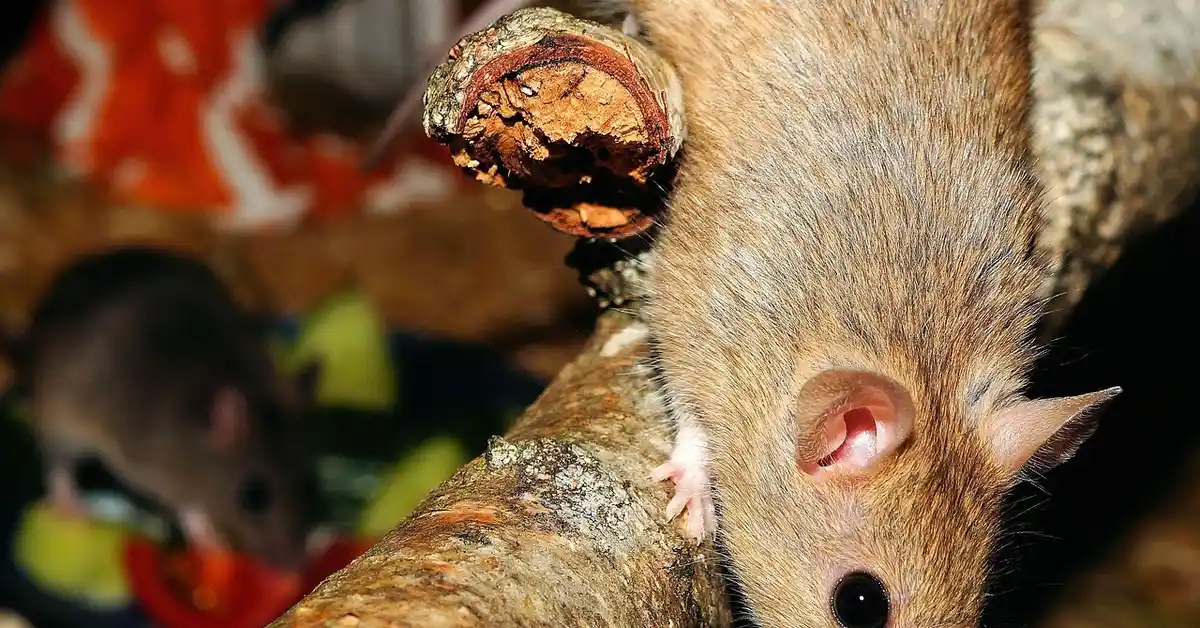
The first week in the new shared home requires vigilant but unobtrusive monitoring. You will see some bickering as they figure out the new group dynamic. It’s perfectly normal to see a bit of barbering, where one mouse gently nibbles the fur of another; this is a social bonding behavior, not aggression. Provide multiple food bowls, water sources, and hides to eliminate resource guarding. I watch my trio, Kenny, Gregory, and Jeffery, to see if they eventually sleep together in a pile-that’s the ultimate sign of a successful bond.
Troubleshooting: When Mice Just Won’t Get Along
Sometimes, despite your best efforts, certain mice are simply not destined to be cage mates. This isn’t a failure on your part; mice have complex personalities and preferences, just like people. Recognizing incompatibility is a responsible part of pet ownership, and forcing a hostile pairing is unfair to everyone involved. Mice do have individual personalities.
If you’ve tried multiple neutral introductions over weeks and the aggression continues unabated, you likely have a permanent problem. An adult male mouse who has lived alone for over a year is often the most difficult to introduce to others, as he has become set in his solitary ways. This is especially problematic when male mice are expected to live together.
Your options when faced with irreconcilable differences are limited but clear. You can maintain a permanent, divided cage with a secure mesh or plexiglass barrier, allowing them to see and smell each other safely. The final option, if you have the space and resources, is to house them in completely separate, full-sized habitats. Providing a peaceful, solitary life is far kinder than subjecting a mouse to the constant stress of a war they cannot win.
Frequently Asked Questions
How long should I quarantine a new mouse before introduction?
A quarantine period of at least two to three weeks is recommended to monitor the new mouse for any hidden illnesses or parasites. This time allows you to observe their health closely and ensure they don’t introduce issues like respiratory infections or mites to your existing group, providing a safer start for everyone involved.
Are there any special considerations when introducing female mice?
Female mice are generally more social and accepting of newcomers than males, but they still require the same careful introduction process. Focus on using neutral spaces and scent swapping to reduce territorial behavior, as even females can display dominance; however, their conflicts are often less intense and resolve more quickly with proper supervision.
What signs indicate that mice are successfully bonded and ready to share a cage?
Successful bonding is shown when mice engage in positive behaviors like sleeping together in a pile, mutual grooming, and sharing resources without aggression. If they interact calmly during supervised meetings and show no signs of stress or fighting over an extended period, they are likely ready to transition to a shared, thoroughly cleaned habitat.
Your Path Forward
Successfully blending your mouse family hinges on your patience and keen observation throughout the entire introductory process. Remember to move at their pace, not yours, and celebrate the small victories like a peaceful first sniff or a shared nap.
Watching my own trio-Kenny, Gregory, and Jeffery-learn to coexist was a masterclass in tiny personalities finding their balance. The reward for your careful effort is a lively, interactive colony where your mice feel secure and content together, turning individual pets into a true little community.
Further Reading & Sources
- r/PetMice on Reddit: Introducing new mice to your current mice??
- How to Introduce Two Pet Mice to the Same Cage – PetHelpful
- How To Bond Mice
Isabella is a passionate small pet enthusiast with over 8 years of experience in caring for mice. She loves sharing practical tips and heartfelt stories to help fellow mouse owners provide the best care for their tiny companions.
Socialization Tips