
The Universal Signs of a Sick Mouse: A Guide
Have you noticed your mouse behaving oddly-perhaps it’s less active or eating differently-and felt that knot of concern in your stomach? This guide is your trusted resource to decode those subtle changes, offering straightforward steps to recognize when your pet needs help.
We’ll explore the most common symptoms, from shifts in grooming and vocalizations to alterations in social behavior and physical condition, equipping you with the knowledge to respond compassionately and effectively.
What Does a Sick Mouse Look Like? The Most Common Warning Signs
Physical Appearance Changes in Sick Mice
A healthy mouse has a sleek, clean coat and bright, curious eyes. One of the very first things I notice when a mouse is unwell is a change in their fur’s texture and appearance. It might look greasy, unkempt, or develop patches of thinning hair. You might see them constantly scratching, which points toward parasites or skin irritation.
Pay close attention to their posture and body condition. A mouse that is hunched over, with its fur puffed up in an attempt to conserve heat, is almost certainly feeling poorly. This is a classic sign of discomfort or pain. These observable cues help you tell if your mouse is in pain. Also look for changes in activity, grooming, or reactions to handling to get a clearer picture. You should also be able to feel their spine and ribs with gentle pressure, but they should not be sharply protruding; significant weight loss is a major red flag.
- Coat Condition: Greasy, ruffled, or matted fur. Bald patches or excessive scratching.
- Body Posture: A hunched back or a constant “puffed-up” appearance to stay warm.
- Weight Loss: Prominent spine and hip bones, a body that feels bony and light.
- Eye and Nose Discharge: Crusty buildup around the eyes or red-brown staining around the nose and eyes (a sign of porphyrin, a stress-related secretion).
- Lumps or Bumps: Any new, unusual swelling on the body that wasn’t there before.
Behavioral Red Flags That Signal Illness
Mice are creatures of habit, and any deviation from their normal routine is worth noting. A sudden lack of interest in food or favorite treats is one of the most telling behavioral shifts. My mouse, Kenny, who normally bolts for a sunflower seed, will completely ignore it if he’s starting to feel sick. This is a serious sign that demands attention.
Watch their social interactions and activity levels closely. Isolation is a powerful indicator of illness; a mouse that suddenly hides away from its cage mates is trying to conceal its vulnerability. Lethargy, or a dramatic drop in energy, is another key sign. Instead of exploring and climbing, a sick mouse will often sit still for long periods, sometimes even sleeping out in the open, which is very unusual for a prey animal. To tell normal relaxation from true lethargy, note how the mouse responds to being approached or offered food — a healthy but tired mouse will usually startle or accept a treat, while a sick one remains listless. Also look for other warning signs like poor grooming, labored breathing, or weight loss that point to illness rather than rest.
- Lethargy and Hiding: A dramatic drop in activity and a new tendency to sleep alone, away from the group.
- Changes in Eating and Drinking: Ignoring food, difficulty chewing, or a sudden increase in water consumption.
- Altered Grooming: Either a complete stop to self-grooming, leading to a messy coat, or obsessive over-grooming in one spot.
- Unusual Vocalizations: Listen for wheezing, sneezing, or any sounds of distress that aren’t part of their normal chatter.
- Loss of Coordination: Stumbling, head tilting, or walking in circles points to neurological or inner ear issues.
Respiratory Signs: When Your Mouse Struggles to Breathe
Respiratory infections are very common in pet mice and can escalate quickly. The sound of your mouse breathing is your most valuable clue; healthy mice are silent breathers. Any audible noise like clicking, wheezing, or congestion is a clear signal of a problem in their lungs or nasal passages.
Look for physical effort in their breathing. Labored breathing, where you can see their sides moving heavily with each breath, is a sign of serious respiratory distress and requires immediate veterinary care. You might also notice frequent sneezing fits or they may rub their nose with their paws repeatedly due to irritation.
- Audible Breathing: Clicking, wheezing, or rattling sounds when they inhale or exhale.
- Labored Breathing: Visible effort from the abdomen and sides to draw breath.
- Sneezing and Nasal Discharge: Frequent sneezing, sometimes with tiny bubbles at the nostrils.
- Porphyrin Staining: Red-brown crust or “tears” around the eyes and nose, often mistaken for blood.
- Loss of Appetite: Difficulty breathing makes it hard for them to eat, leading to a rapid decline.
Digestive and Appetite Warning Signs in Mice
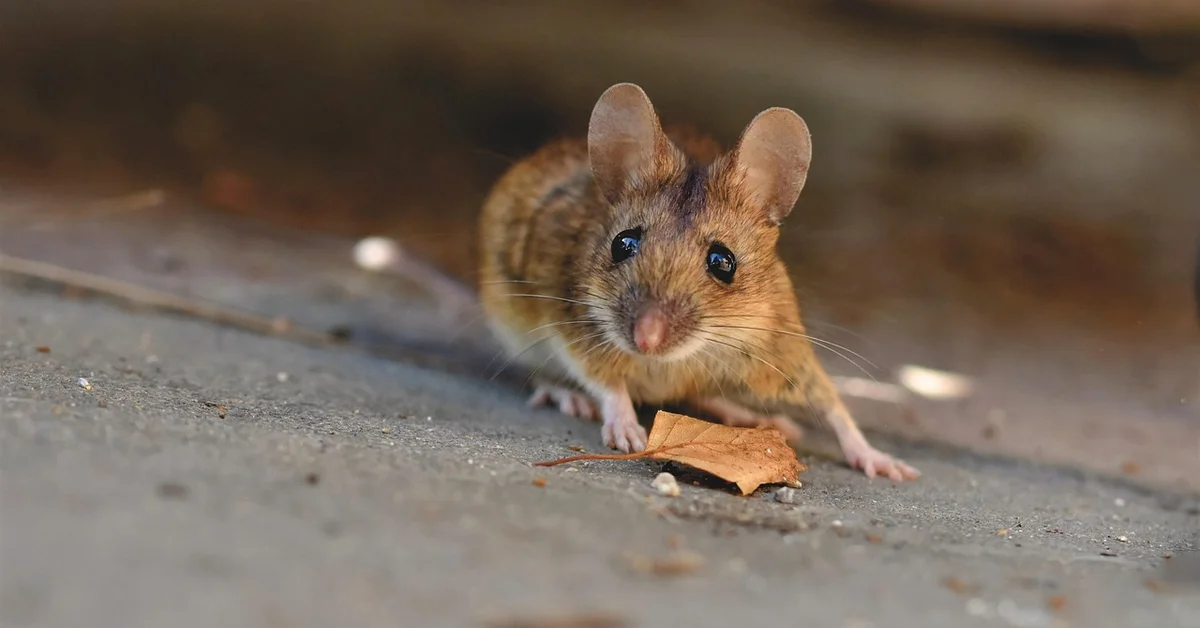
Your mouse’s eating habits are one of the most telling windows into their health. A sudden change in appetite, whether an increase or a drastic decrease, is almost always a red flag that something is wrong internally. I’ve learned to treat any shift in their food bowl as a primary signal to pay closer attention.
Changes in Eating and Drinking
Mice have fast metabolisms and need to eat frequently. When my mouse Gregory once ignored his favorite aged cheese, I knew we had a problem. Watch for these specific behaviors:
- Ignoring favorite treats or previously loved foods.
- Hunched posture while attempting to eat, as if in pain.
- Food hoarding behavior suddenly stopping.
- Drinking significantly more or less water than usual.
- Difficulty picking up or holding food pieces.
Recognizing Diarrhea and Digestive Distress
A healthy mouse produces small, firm, and dry droppings. Wetness around the tail or soft, misshapen droppings are clear indicators of digestive upset or infection. This can dehydrate a tiny body frighteningly fast.
- Look for a soiled or wet bottom, often called “sticky bottom.”
- Check for a bloated or painfully swollen abdomen.
- Listen for unusual gurgling or churning sounds from their belly.
- Note any straining or apparent pain when defecating.
Neurological and Movement Problems: The Serious Signs
Neurological symptoms can be particularly alarming to witness. These signs often point to issues affecting the brain or nervous system and require immediate veterinary attention. They represent a significant deviation from your mouse’s normal coordination and behavior.
When Your Mouse Can’t Move Normally
Any loss of motor control is a serious development. I remember my heart sinking when I saw one of my past mice begin to walk in circles without stopping.
- Circling or tilting the head constantly to one side.
- Dragging one or both back legs, indicating possible paralysis.
- A noticeable head tilt that does not correct itself.
- Tremors, shaking, or seizures.
- Stumbling, falling over, or a complete lack of balance.
- Walking in a wobbly, uncoordinated manner, as if drunk.
Skin, Fur, and External Body Changes
Your mouse’s coat and skin are like a daily health report. A pristine coat that becomes ruffled, patchy, or greasy is your mouse’s way of showing you they don’t feel well enough to groom. This is often one of the very first signs of illness you will notice. When they’re stressed or unwell they may either stop grooming altogether or groom obsessively, leading to bald patches or irritated skin. Watching for these changes helps you know when to seek veterinary care.
Look for these specific external changes:
- Patches of missing fur, often starting on the face or back.
- A “staring” coat, where the fur stands on end instead of lying flat.
- Red, inflamed, or flaky skin, sometimes with visible scratches.
- Small scabs or wounds, which can indicate parasites or fighting.
- Lumps or bumps under the skin that you can feel.
- Dull, thinning, or excessively oily fur.
Dental Problems and Overgrown Teeth
A mouse’s teeth never stop growing, and they rely on gnawing to keep them filed down. Overgrown teeth can prevent a mouse from eating, leading to a painful and rapid decline. My curious mouse Kenny once had a minor malocclusion that needed trimming.
- Noticeable weight loss despite showing interest in food.
- Dropping food or difficulty chewing.
- Pawing at the mouth or face repeatedly.
- Visible misalignment of the front incisors when the mouth is closed.
- Excessive drooling or wetness around the chin and neck.
- Teeth that are visibly curling or growing out to the sides.
What to Do the Moment You Notice Your Mouse Is Sick
Your heart might race when you first spot something off with your tiny friend. Immediately pause and observe your mouse from a distance to avoid stressing them further. Check for changes in their usual behavior, like reduced activity or altered eating habits, which can signal trouble early on.
Should You Isolate Your Sick Mouse?
Isolation is a delicate decision that depends on the symptoms and your mouse’s social dynamics. Separating a sick mouse can prevent illness spread but may cause stress if done unnecessarily. I’ve found that with my curious mouse Kenny, isolation helped when he had a respiratory issue, but for minor concerns, monitoring within the group sufficed.
- Isolate if you notice contagious signs like sneezing, diarrhea, or visible wounds.
- Keep the sick mouse in a quiet, warm, and familiar setup with easy access to food and water.
- Reintroduce slowly once they recover, watching for any aggression or relapse.
Emergency Signs That Need a Vet Right Now
Some symptoms demand immediate professional care to save your mouse’s life. Labored breathing, seizures, or inability to move are red flags that cannot wait. If your mouse collapses or shows bloody discharge, rush them to an exotics vet without delay. When transporting, place the mouse in a small, secure, well-ventilated carrier lined with a soft towel to keep them warm and minimize handling. Call the clinic on the way so staff can prepare for your arrival.
- Rapid weight loss or bloated abdomen
- Lethargy so severe they cannot stand or eat
- Visible injuries or bleeding that does not stop
- Wheezing or gasping for air
Finding and Working with an Exotics Veterinarian
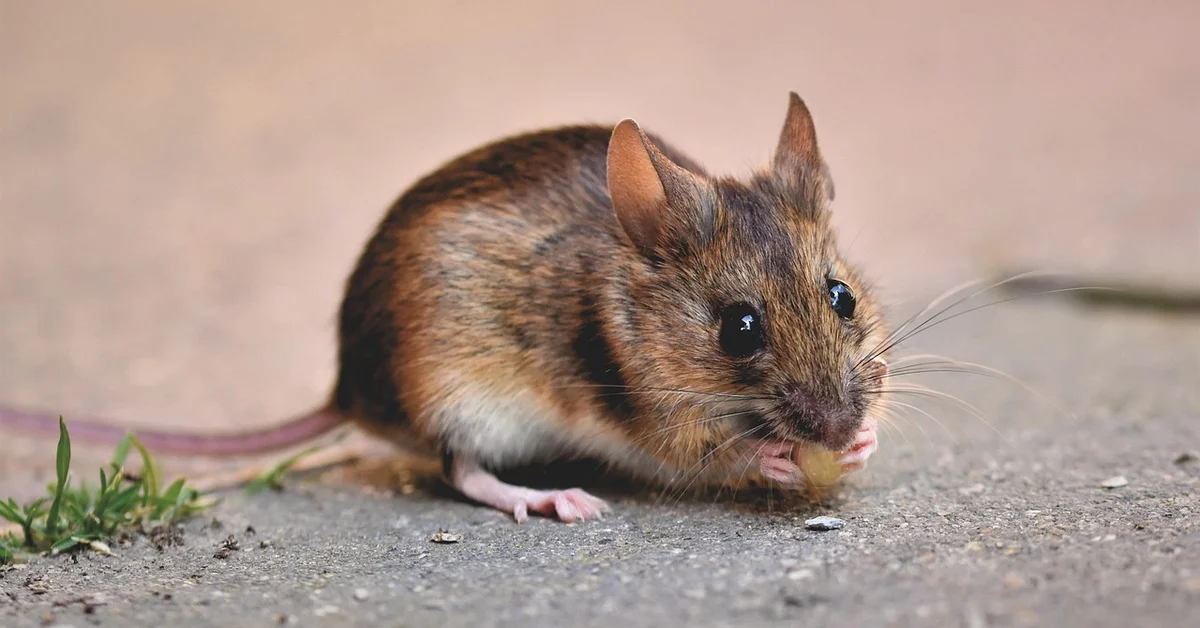
Locating a vet who specializes in small animals like mice is crucial for proper care. Start by searching online for “exotics veterinarian” in your area and read reviews from other rodent owners. Try search phrases like “exotics vet mouse” or “rodent veterinarian” to narrow results and find clinics experienced with mice. Call ahead to confirm they treat mice and ask about emergency hours, as not all clinics handle tiny pets.
Building a good relationship with your vet makes treatments smoother. Bring notes on your mouse’s symptoms, diet, and any changes you’ve noticed to appointments. This helps the vet diagnose issues faster, much like when I detailed Jeffery’s anxious behaviors to pinpoint a minor infection.
What Your Vet Might Do for Your Sick Mouse
Veterinarians use various methods to diagnose and treat mouse illnesses. Your vet may perform a physical exam, take X-rays, or run tests on stool samples to identify problems. Treatments often include antibiotics for infections or fluids for dehydration, tailored to your mouse’s specific needs. At your mouse’s first vet visit, the veterinarian will likely review its medical and housing history, observe behavior, and perform those exams and tests. They will also discuss husbandry tips and any necessary follow-up care.
- Administer medication through oral syringes or injections
- Provide supportive care like warming pads or oxygen therapy
- Recommend dietary changes or supplements for recovery
How to Care for a Sick Mouse at Home
Home care focuses on comfort and monitoring to aid your mouse’s recovery. Keep their environment warm, clean, and stress-free with soft bedding and hiding spots. Offer easy-to-eat foods like moistened pellets or baby food, and ensure fresh water is always available. Consider setting up a small, separate “home hospital cage” so you can monitor the mouse closely and keep it calm. Line it with extra soft bedding, provide gentle warmth, and minimize handling.
Watch for improvements or setbacks daily. Gently handle your mouse only when necessary to check on them, as too much interaction can worsen their condition. I’ve seen Gregory, with his calm nature, respond well to quiet, consistent routines that mimic his preferred stability. It can be a bit stressful for them, so minimal handling is key.
Preventing Illness in Your Mouse Colony
Proactive steps can reduce the risk of sickness spreading among your mice. Maintain a clean habitat by spot-cleaning daily and doing full cage changes weekly to minimize germs. A balanced diet rich in variety supports strong immune systems, so rotate fresh veggies and quality pellets.
- Quarantine new mice for at least two weeks before introducing them
- Avoid overcrowding to prevent stress and resource competition
- Wash your hands before and after handling to limit human-borne bacteria
Frequently Asked Questions
What should I do if I find a sick mouse?
If you suspect your mouse is sick, start by observing it calmly from a distance to avoid causing stress. Check for immediate red flags like labored breathing, seizures, or an inability to move, and contact an exotics veterinarian promptly if these are present. For less urgent cases, ensure the mouse has a warm, quiet space with easy access to food and water, and monitor its condition closely for any changes.
Is my mouse sick?
Your mouse may be sick if it shows consistent changes in its usual habits, such as a sudden lack of interest in food, reduced activity, or social withdrawal. Look for physical clues like a ruffled coat, hunched posture, or discharge around the eyes and nose, as these often indicate underlying health issues that warrant further attention.
What are the symptoms of a sick mouse?
Common symptoms include behavioral shifts like lethargy, hiding, or unusual vocalizations, as well as physical signs such as weight loss, digestive issues like diarrhea, or respiratory problems like wheezing. These changes can point to various illnesses, so it’s important to note any patterns and consult a vet for a proper diagnosis.
Your Path Forward with Your Mouse
Your greatest asset in caring for your mouse is your own attentive observation. You know their normal routines and quirky habits better than anyone, making you the first and best line of defense for their health. A short daily mouse care checklist helps you turn those observations into consistent action. Here are 5 quick tips to guide your daily checks.
Trust that instinct when something seems off, and never hesitate to seek professional veterinary guidance. Your proactive care and quick response are the most powerful tools you have to ensure your small friend enjoys a long, happy, and healthy life by your side.
Further Reading & Sources
- Table: Checking for Signs of Illness in Mice-Merck Veterinary Manual
- About Hantavirus | Hantavirus | CDC
- What Diseases Do Mice & Rodents Carry? Rodent Diseases
Isabella is a passionate small pet enthusiast with over 8 years of experience in caring for mice. She loves sharing practical tips and heartfelt stories to help fellow mouse owners provide the best care for their tiny companions.
Signs of Illness