
Can You Withhold Rent for a Mouse Infestation?
Are you dealing with unwelcome rodent guests in your rental home, feeling frustrated and unsure about your next steps?
This guide clarifies your tenant rights and offers a clear path forward. We’ll explain the legal grounds for rent withholding, how to properly document the issue, and safe strategies to address the problem with your landlord.
Understanding Your Tenant Rights During a Mouse Infestation
Why Mouse Infestations Are Considered a Habitability Issue
As someone who adores my pet mice, I can tell you the difference between a cared-for companion and a wild infestation is vast. Unwanted mice create a genuine health hazard that violates the “warranty of habitability,” a legal promise your landlord makes that your home is safe and livable. These wild rodents can contaminate food prep areas with droppings and urine, creating a risk for diseases like salmonella and hantavirus. Their constant gnawing can damage electrical wiring, which is a serious fire hazard you should never ignore. The noise and anxiety of hearing them scratch inside walls at night also disrupts your right to “quiet enjoyment” of your home.
What Your Landlord Is Legally Required to Do
Your landlord’s responsibility isn’t just to set a single trap. Landlords are generally obligated to provide and maintain a pest-free environment at the start of your tenancy. If an infestation arises later, their duty is to address it effectively and promptly — not just using any old bait or traps. This means a proper course of action, which often includes:
- Hiring a licensed exterminator for a full inspection and treatment plan.
- Sealing all exterior entry points, like gaps around pipes, utility lines, and foundation cracks.
- Ensuring common areas like basements and garbage collection sites are clean and secure.
- Providing proper waste disposal bins that are rodent-proof.
Simply laying down poison bait stations is rarely considered a complete or adequate solution for a significant infestation.
When You Can (and Cannot) Legally Withhold Rent for Mice
States That Allow Rent Withholding for Pest Problems
Rent withholding is a serious legal tool, not a first step. Laws vary dramatically by state, and some do not permit rent withholding for any reason, making it critical to know your local regulations. Many states that do allow it follow a similar pattern: you must provide written notice to your landlord about the issue and give them a “reasonable” amount of time to fix it, typically 14 to 30 days. If they fail to act, you may be permitted to pay your rent into an escrow account held by the court until the problem is resolved. States like California, New York, and Illinois often have specific “repair-and-deduct” or rent withholding statutes, but the exact procedures are strict.
The Eviction Risks You Must Understand
Taking matters into your own hands without following the letter of the law can backfire severely. Withholding rent incorrectly, even for a valid issue, can give your landlord grounds to file for eviction based on non-payment of rent. An eviction on your record can make it incredibly difficult to rent a quality home in the future. You must be able to prove that the infestation is severe, that you notified your landlord in writing, and that you followed your state’s specific legal process to the letter. Never stop paying rent without first consulting a local tenants’ rights organization or a qualified attorney. The financial and housing stability risks are simply too high to guess.
How to Properly Document Your Mouse Problem
Taking Photos and Video Evidence That Holds Up
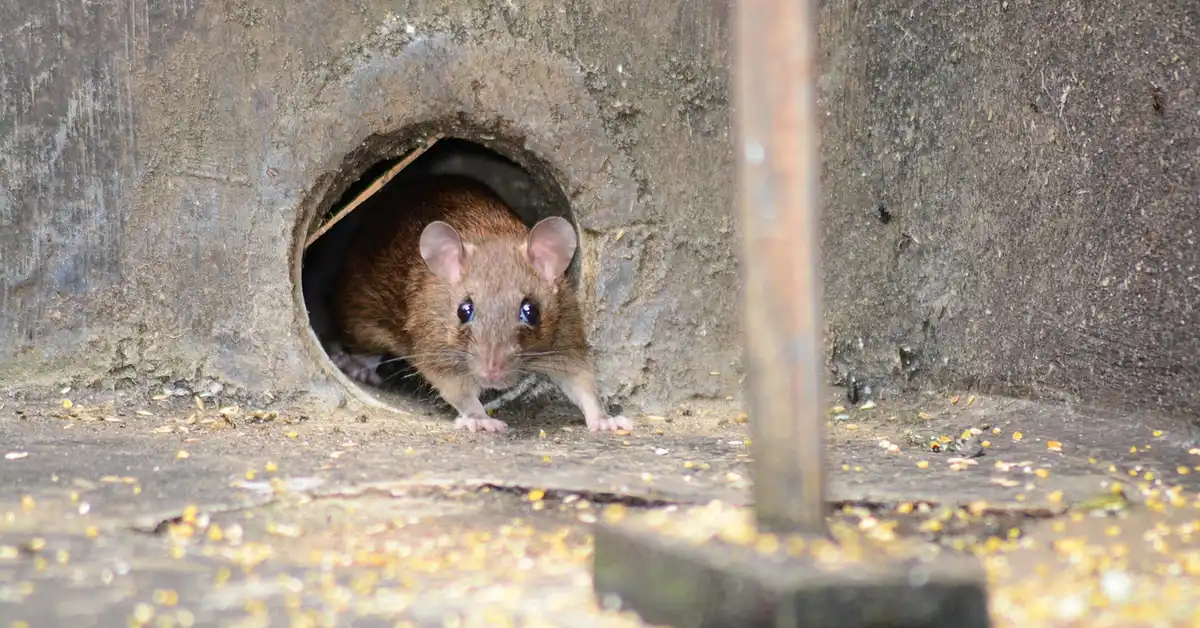
Clear visual proof makes your case undeniable to landlords or housing authorities. Capture multiple angles of droppings, gnaw marks, and nesting sites in well-lit areas to show the extent of the issue. I always use my phone’s video function to record slow pans of affected spots, like behind appliances or along baseboards, since mice are often nocturnal and fleeting. Close-up shots of chew damage on food packaging or wires add weight, while timestamps on media files provide credibility.
In my own home, noticing how my mouse Kenny’s bold explorations left tiny trails helped me recognize similar signs in rental inspections. Videos showing active mice or audible scratching noises can be especially persuasive evidence for urgent action. Avoid blurry or dark footage; natural light or a flashlight improves clarity, and storing files in a cloud backup ensures they’re safe if needed later. Quality matters when capturing footage of your mice.
Written Records and Communication Logs
Keeping a detailed journal turns vague worries into solid facts. Start a log with dates, times, and descriptions of every mouse sighting, including specific locations and any health or safety concerns. I maintain a simple notebook for my pets Gregory and Jeffery, and the same method works for infestations—note things like droppings in kitchen cabinets or noises in walls at night. Noting droppings helps identify the scale and precise locations of contamination. Because mouse droppings can carry health risks, accurate identification guides safe cleanup or a call to pest-control professionals.
- Record the number of mice seen and any damage observed, such as urine stains or shredded insulation.
- Include notes on conversations with neighbors or building managers, summarizing what was said and agreed upon.
- Save all emails, texts, or letters about the problem, organizing them chronologically for easy reference.
This written history builds a timeline that supports your claims if disputes arise, showing you’ve been proactive and thorough. Over time, patterns in the log can reveal if the issue is worsening, helping you decide when to escalate matters.
The Right Way to Notify Your Landlord About Mice
What to Include in Your Written Notice
A well-crafted notice sets the stage for a constructive response. Begin with a polite but firm statement of the problem, attaching your photo and video evidence to illustrate the severity. I’ve found that referencing specific lease clauses about habitability or pest control adds legal weight, so include those if applicable.
- Describe the mouse activity in detail, noting areas like bedrooms or kitchens where it’s most frequent.
- Request a specific action, such as hiring a professional exterminator or sealing entry points, and propose a reasonable deadline.
- Provide your contact information and offer to coordinate access for inspections or repairs.
Keeping the tone respectful but urgent encourages cooperation without sounding confrontational. From my experience, landlords appreciate when tenants outline the issue clearly, as it speeds up resolutions and reduces misunderstandings.
Timeline for Landlord Response
Understanding typical response times helps manage expectations and plan next steps. Most local laws require landlords to address health hazards like mice within a few days to a couple of weeks, depending on the severity. If you don’t hear back within a week, follow up with a phone call or second written notice to reiterate the urgency.
In cases where my own mice Jeffrey’s anxious chirps reminded me of tenant stress, I learned that documenting the lack of response is as vital as the initial report. Check your state or city’s housing codes for exact timelines; some areas mandate repairs within 24 hours for critical issues, while others allow up to 30 days. If the delay continues, this record supports moving to legal alternatives like rent escrow or complaints.
Legal Alternatives to Withholding Rent for Mouse Infestations
Repair and Deduct Remedies
This option lets you fix the problem yourself and subtract the cost from rent, but it must be done correctly. First, ensure your lease and local laws permit repair and deduct, and only use it for essential repairs like sealing holes or setting traps. I’ve used this for minor issues in the past, always keeping receipts and notifying the landlord in writing beforehand.
- Choose repairs that are reasonable and directly address the mouse issue, such as installing door sweeps or cleaning infested areas.
- Deduct only the actual cost of materials or services, and never exceed a set percentage of rent-often capped by law.
- Send the landlord an itemized bill with the reduced rent payment to avoid claims of non-payment.
This approach can resolve problems quickly without legal battles, but misuse may lead to eviction risks, so proceed with caution.
Rent Escrow Accounts
Rent escrow involves paying rent into a court-held account until the landlord makes repairs. This legally protects you from late fees or eviction while forcing the landlord to act, as they can’t access the funds until the issue is fixed. File a request with your local housing court, providing all your documentation to show the mouse problem violates habitability standards. While pursuing escrow, take simple mouse-proofing steps—seal entry points and store food in sealed containers. These measures reduce health risks and help prevent accidents such as chewed electrical wires or tripping hazards while you wait for repairs.
The court will oversee the account and release payments once repairs are verified, ensuring fairness for both parties. I’ve seen this work well in severe infestations, as it maintains your tenant rights without withholding money outright.
Rent Abatement and Reduced Rent Claims
Rent abatement allows you to pay less rent temporarily due to the uninhabitable conditions. Negotiate with your landlord for a reduction based on how much the mouse problem affects your living space, such as if certain rooms are unusable. For example, if kitchens are contaminated, you might argue for a 25% cut until it’s resolved.
- Calculate the reduction fairly, considering the extent of the infestation and any related costs, like spoiled food or cleaning supplies.
- Put the agreement in writing to avoid future disputes, and adjust payments only after mutual consent or a court order.
This method acknowledges the decreased value of your rental without halting payments entirely, keeping you in good standing.
Filing Complaints with Housing Authorities
If your landlord ignores the issue, housing authorities can step in with inspections and orders. Submit a formal complaint detailing the mouse problem, including your photos, videos, and communication logs for a swift investigation. A document mouse problem landlord template can help you organize evidence—photos, videos, dates, and communication—into a clear, professional complaint. Use the template to make sure you include all required details before submitting to housing authorities. Authorities may issue citations or require repairs, and in some cases, they can levy fines against non-compliant landlords.
This path uses government resources to enforce standards, often resulting in faster fixes than going it alone. From my dealings with pet mice, I know that persistent problems need outside help, and housing agencies provide that leverage.
Small Claims Court for Damages
For costs beyond rent, like replacing damaged belongings or medical bills from allergies, small claims court offers recourse. Gather all evidence of expenses linked to the infestation, such as receipts for exterminators or damaged items, and file a claim for reimbursement. Keep claims within the court’s monetary limit, usually a few thousand dollars.
- Prepare a clear presentation of how the mouse problem caused specific damages, using your documentation as proof.
- Attend the hearing ready to explain the situation calmly, focusing on facts rather than emotions.
This legal route can recover your losses and hold landlords accountable, but it requires time and effort, so weigh the benefits against the hassle.
Protecting Your Pet Mice During a Wild Mouse Infestation
Finding wild mice in your home when you have beloved pet mice is a uniquely stressful situation. Your first instinct is to protect your tiny companions, and navigating this requires a careful, deliberate approach. Your pet mice’s safety is the absolute top priority, and their enclosure is their primary fortress. If you also keep other household pets, like cats or dogs, their presence changes how you handle wild mice. Be extra cautious to keep enclosures secure and prevent stress, injury, or disease transmission.
Safe Pest Control Methods When You Have Pet Mice
Conventional pest control is a minefield for a pet mouse owner. Poisons and sticky traps are indiscriminate and pose a grave danger to your pets, even if they never leave their cage. The scents and dust can be harmful. You must employ a strategy that targets the wild intruders without compromising your own animals. Learn how to catch mice while avoiding traps that could harm your pets.
- Focus on Fortification: Your most powerful tool is making your pet’s habitat impenetrable. Use a tank with a tightly secured, ventilated metal mesh lid or a cage with bar spacing no wider than 1/4 inch. Check for and seal any tiny gaps around lid hinges or door latches with pet-safe materials.
- Strategic Trapping: Use live-catch traps exclusively. Place them far away from your pet mice’s enclosure, in areas like behind the refrigerator or in the back of cabinets where you’ve seen wild mouse activity. I check my traps multiple times a day to ensure any captured wild mouse is relocated humanely and promptly.
- Sanitation is Your Shield: Meticulously clean the area around your pet’s cage daily. Vacuum up any scattered food or bedding immediately. Store all your pet mouse food, treats, and bedding in sealed, chew-proof plastic or glass containers. This removes the food source that attracts wild mice in the first place.
- Natural Deterrents: Peppermint oil is a well-known rodent repellent. Soak cotton balls in pure peppermint oil and place them in areas where wild mice enter, ensuring they are completely inaccessible to your pets, as the oil can be irritating. The strong scent can discourage wild mice from settling in.
From my own experience, my curious mouse Kenny became incredibly alert and agitated when a wild mouse was nearby. Observing your pets’ behavior can often be the first clue that you have uninvited wild guests. A calm mouse like Gregory becoming suddenly vigilant is a tell-tale sign.
Understanding Landlord Negligence and Your Next Steps
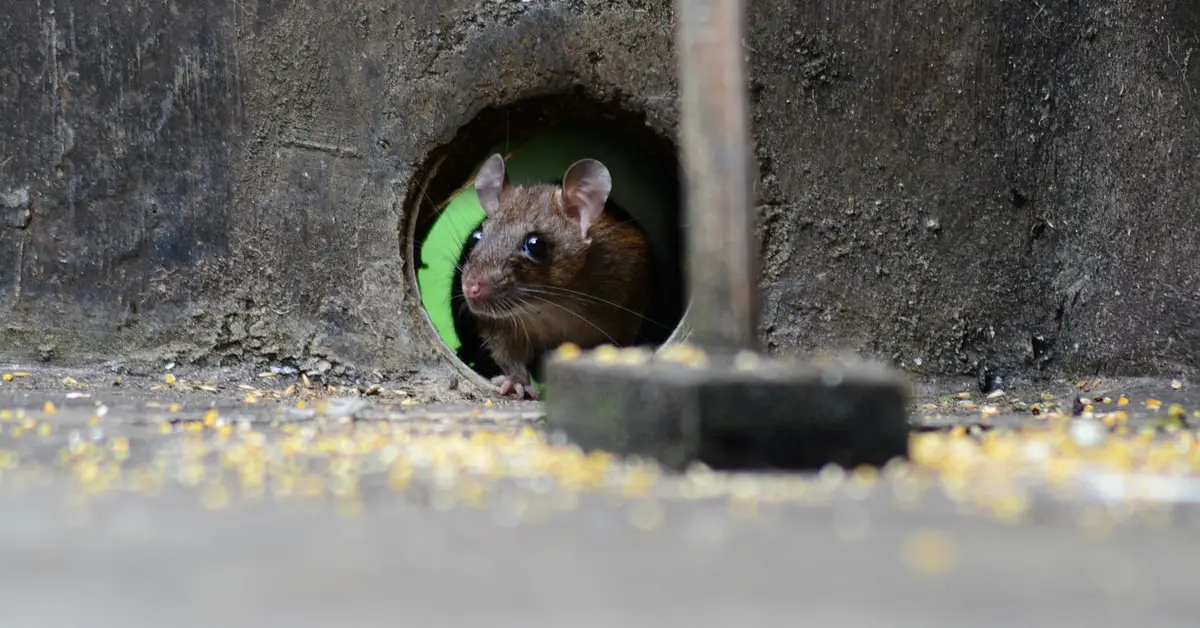
When a mouse problem escalates from a minor nuisance to a health and safety issue, your landlord has a legal responsibility, known as the “warranty of habitability,” to address it. Negligence occurs when they are aware of the problem but fail to take reasonable steps to resolve it in a timely manner. This is in contrast to situations where the responsibility lies with the tenant.
- Document every communication with your landlord regarding the issue. Send emails or letters so you have a written record, and take detailed notes during any phone calls.
- Take clear, dated photos and videos of any evidence: droppings, gnaw marks, or even the mice themselves.
- Keep a log of every incident, noting dates, times, and what you observed. This creates a powerful timeline of the ongoing problem.
A well-documented paper trail is your most valuable asset if you need to escalate your case. It transforms a subjective complaint into an objective, undeniable record of neglect.
When to Seek Legal Aid or Tenant Advocacy
If your landlord remains unresponsive after multiple written requests, it is time to seek outside support. You do not have to navigate this complex and often intimidating process alone.
- Contact a local tenant union or housing advocacy group. These organizations offer free or low-cost advice and can often intervene on your behalf.
- Look into your city’s code enforcement or public health department. You can file a formal complaint, which may trigger an inspection and force your landlord to act.
- Consult with a tenant attorney. Many offer free initial consultations. They can advise you on the specific laws in your area regarding rent withholding or “repair and deduct” actions.
Protecting Yourself from Retaliation
It is an unfortunate reality that some landlords may react poorly to being held accountable. Knowing your rights and taking proactive steps is crucial for your peace of mind.
- Understand that retaliatory actions, such as an eviction notice or a sudden rent increase shortly after you assert your rights, are illegal in most jurisdictions.
- Ensure all your rent payments are up-to-date and that you are not violating any other terms of your lease. This strengthens your position immensely.
- Continue all communication in writing. If a landlord makes a verbal threat, follow up with an email summarizing the conversation. For example: “Following up on our call today, I want to confirm that you stated…”
Your home should be a safe sanctuary for both you and your pets, and the law is designed to protect that fundamental right. Taking measured, documented steps empowers you to resolve the situation without fear.
Frequently Asked Questions
Can I legally withhold rent if my home has a mouse infestation?
Yes, in some states, you may be able to withhold rent if a mouse infestation violates the warranty of habitability and your landlord fails to address it after proper written notice. However, this is not a universal right and must be done strictly according to local laws, often by paying rent into a court-managed escrow account instead of directly to the landlord. Incorrectly withholding rent can lead to eviction, so always verify your state’s regulations and consider consulting a tenants’ rights advocate before taking this step.
What are a landlord’s responsibilities when it comes to mice in a rental property?
Landlords are typically required to provide a pest-free environment at the start of a tenancy and address infestations that arise later, as part of their duty to maintain habitability. This includes taking effective actions like hiring exterminators, sealing entry points, and ensuring clean common areas to prevent recurrence. If they ignore the problem after notification, it may constitute negligence, giving you grounds to pursue legal remedies such as rent abatement or filing a complaint with housing authorities.
How does rent withholding for mice work in Michigan?
In Michigan, tenants might withhold rent for unresolved mouse problems by following specific legal procedures, such as providing written notice and possibly depositing rent into an escrow account with the court until repairs are made. State laws outline steps to ensure this is done properly, protecting you from eviction claims while compelling the landlord to act. Due to variations in local ordinances, it’s essential to review Michigan’s landlord-tenant laws or seek guidance from a local tenant resource center to avoid missteps.
Your Path Forward
Navigating a mouse infestation while being a mouse lover presents a unique emotional challenge. Your feelings are completely valid, and the desire for a safe, clean home for you and your small pets is non-negotiable. Remember the legal steps: document everything thoroughly, provide written notice to your landlord, and understand your tenant rights when dealing with mice in rental property before considering any action like rent withholding.
From my own experience with my boys Kenny, Gregory, and Jeffery, I know that a peaceful home is paramount for everyone’s well-being. Pursue humane removal and exclusion methods first, advocating fiercely for a resolution that respects both your rights as a tenant and the lives of the wild mice. If you find mouse pups, prioritize their welfare and contact local wildlife rehabilitators or rescue groups who can ethically rehome them, such as those outlined in this guide: how to ethically rehome mouse pups. Avoid handling or attempting to raise them yourself unless advised by professionals. You can achieve a mouse-free home through persistent, documented communication without compromising your compassionate values.
Further Reading & Sources
- Responsibility for Mice Infestations: Landlord Liability Explained
- Can I withhold my rent for mice infestation of my apartment? – Legal Answers
- I am wondering if its worth withholding rent for a mouse infestation problem ive been facing as a tenant for almost 6
Isabella is a passionate small pet enthusiast with over 8 years of experience in caring for mice. She loves sharing practical tips and heartfelt stories to help fellow mouse owners provide the best care for their tiny companions.
Household Hazards