
Ganesha’s Sacred Mouse Mount: Symbolism and Stories
Have you ever wondered why Lord Ganesha, the beloved elephant-headed deity, rides a tiny mouse as his divine companion? This guide will illuminate the rich cultural and spiritual significance behind this unexpected pairing, offering clear insights into one of Hinduism’s most intriguing symbols.
We will delve into the mythological tales that explain the mouse’s role, uncover the symbolic meanings tied to humility and power, and examine how this mount reflects Ganesha’s ability to overcome obstacles. You’ll gain a deeper appreciation for the stories that have captivated devotees for generations.
Who Is Mushika? Understanding Ganesha’s Mouse Vahana
In the vibrant tapestry of Hindu mythology, Mushika is far more than a simple rodent; he is the devoted vehicle and constant companion of Lord Ganesha. This relationship beautifully illustrates that even the smallest creature can possess immense spiritual significance and strength. As a mouse owner, I see echoes of this sacred bond in the daily interactions with my own pets, where a tiny being commands great affection and respect.
What Mushika Means in Hindi and Sanskrit
The name ‘Mushika’ has deep roots in ancient languages. In both Sanskrit and Hindi, the word ‘Mushika’ (मूषिक) directly translates to ‘mouse’ or ‘rat,’ grounding this divine figure in a familiar, earthly form. This linguistic simplicity is powerful-it doesn’t disguise or glorify the creature but celebrates its essential nature. It reminds me that we don’t need to look for exotic companions; the magic is right here with our own small friends.
The Story Behind Ganesha and His Mouse Mount
The tale of how Ganesha, the elephant-headed god of wisdom, came to ride a mouse is a story of humility and transformation. Legend says Mushika was not always a gentle vahana. He was once a formidable demon named Kroncha, who could change his size at will and caused great chaos.
Ganesha, using his divine power, subdued the mighty Kroncha. Instead of destroying him, Ganesha offered redemption, transforming the demon into a loyal mouse companion, Mushika. This act teaches us about the power of compassion over punishment. In my own experience, the most “troublesome” mice, like my impulsive Kenny, often become the most endearing once met with patience and understanding.
The symbolism here is profound for any pet owner. Ganesha, a deity of immense size and strength, chooses the smallest of vehicles. This represents the perfect balance of power: the need to control our desires (the mouse) with intelligence and gentleness (Ganesha). It’s a daily practice with my mice—guiding their natural, energetic instincts with a calm and steady hand, much like my older mouse Gregory mentors the younger ones. This symbolism carries into the history and meaning of fancy mice—breeding and caring for them reflects a long human tradition of valuing both their form and character. Knowing that history deepens my appreciation for the bonds I build with each little companion.
The image of Ganesha astride his mouse is a constant, beautiful reminder. True strength isn’t about domination, but about harmonious partnership and the gentle guidance of even the most spirited souls.
What Does Mushika Symbolize in Hindu Mythology?
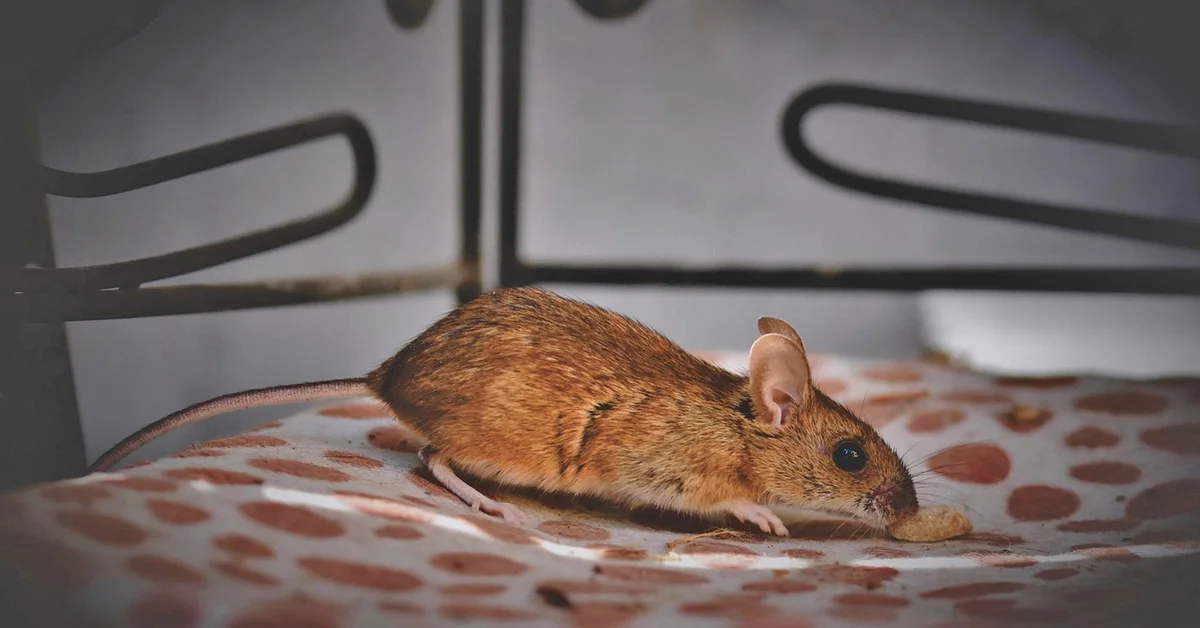
In the rich tapestry of Hindu stories, Mushika, the mouse vahana, is far more than a simple vehicle for Lord Ganesha. This humble creature embodies profound spiritual ideas that resonate deeply with anyone who shares their life with mice. Mushika represents the power to gnaw through all the tough, binding cords of desire and worldly attachment that hold a soul back.
Think of your own mouse’s persistent nature when they work on a puzzle toy or a treat—that relentless focus is a perfect metaphor for the determined effort needed on a spiritual path. The mouse’s ability to slip into the smallest spaces mirrors the soul’s journey into the deepest, most hidden corners of the self. It’s about introspection and confronting what we find there. Just as mice engage thoughtfully with their toys to explore and solve, we too must engage with our inner challenges to grow spiritually.
As a pet owner, I see this symbolism play out in miniature every day. My mouse, Kenny, with his bold and impulsive dashes into new hideouts, perfectly illustrates the idea of confronting the unknown without fear. His curiosity isn’t just play; it’s a tiny, living example of the soul’s quest for knowledge and experience. These small behaviors mirror themes that often show up in dreams. Dreaming about mice can therefore point to curiosity, hidden anxieties, or a gentle nudge to explore parts of yourself.
- Humility and Service: The mighty god chooses the smallest, most unassuming creature, teaching that true strength does not need to boast.
- Control over Desire: Ganesha, as the remover of obstacles, rides upon and therefore masters the restless, desire-driven mind, symbolized by the ever-nibbling mouse.
- Adaptability and Resourcefulness: Just as our pet mice adapt to new cages and situations, Mushika shows us how to navigate life’s challenges with cleverness and grace.
How Mushika Appears in Temple Art and Iconography
Walking through a temple dedicated to Ganesha, you will almost always find Mushika nearby. The artistic representations are wonderfully varied, but certain themes remain constant, offering a visual feast for a mouse admirer’s eyes. The sculptor’s skill brings out the very essence of mouse-like behavior we know so well.
You’ll typically see Mushika depicted in a posture of devoted attention, often looking up at Ganesha, sometimes with a sweet offering like a modak (a sweet dumpling) held between its paws. The most captivating details are in the mouse’s form-the alert, curved ears, the delicate whiskers, and the coiled tail that speaks of contained energy. It’s a form that any mouse owner would recognize in an instant.
In larger statues, Ganesha’s foot might rest gently upon Mushika, not as a sign of cruelty, but as a beautiful symbol of gentle control and harmonious partnership. The mouse is not crushed; it is calm and accepting of its role. This reminds me of my older mouse, Gregory, who has a serene, grounded presence, perfectly content in his place within our little mischief—unlike some mice from myths where the symbolism is more ominous.
- Size and Scale: Mushika is always shown small in relation to Ganesha, emphasizing the themes of humility and the vastness of the divine.
- Material Grandeur: Crafted from stone, metal, or wood, these mice are often polished to a shine by the hands of countless devotees, a testament to their beloved status.
- Dynamic Poses: Some show Mushika actively scurrying, while others capture a moment of perfect stillness, reflecting the dual nature of a mouse’s life-bursts of energy followed by deep, peaceful naps.
Drawing Ganesha’s Mouse: Simple Steps for Mouse Lovers
Capturing the likeness of Mushika is a joyful way to connect with both art and your love for mice. You don’t need to be a professional artist; you just need to observe the little friends in your own cage. Observing them closely will also help you learn the subtle traits that distinguish fancy mouse breeds—coat types, colors, and ear or tail features. The more you notice, the more your art will reflect each breed’s unique character.
Easy Approach for Quick Sketches
Start with basic shapes to build your confident little mouse. This method focuses on the core forms that make a mouse so recognizable and charming. Use a mouse anatomy diagram guide to place features—ears, eyes, limbs, and tail—accurately. That reference will help you translate those shapes into a believable, anatomically coherent character.
- Begin with an oval for the body. Think of a plump grain of rice. This is the main mass of your mouse.
- Add a smaller circle for the head. Connect it smoothly to the body. Remember, a mouse’s neck is very short and often not visible.
- Sketch two large, teardrop-shaped ears. Place them high on the head. They are the most prominent feature, always listening.
- Draw a pointed snout and delicate whiskers. Just a few lines radiating out from the nose give life and curiosity to the face.
- Create the limbs with simple lines and small ovals for feet. Mice have surprisingly delicate hands and feet.
- Finish with a long, thin tail that curls gracefully. The tail balances the composition and adds a sense of movement.
The real secret to a great mouse drawing is to watch your own pets—see the way my mouse Jeffery twitches his nose or how Kenny’s entire body tenses before a dash. Infuse that observed energy into your lines. Your personal connection to these wonderful creatures will shine through in your artwork, making your depiction of Mushika truly special. Those same observations—nose twitches and tense postures—are invaluable when taming a scared, skittish mouse. Learning to read and respect these signals helps you respond calmly and build trust.
Creating a Clay Mushika: A Hands-On Tribute
Working with clay is a wonderfully tactile way to honor the bond you share with your own little companions. This simple, creative process allows you to physically shape your appreciation for these complex creatures. You don’t need to be an artist; the intention is what gives this small sculpture its meaning.
Simple Steps to Shape Your Own Vahana
- Gather air-dry clay, a small bowl of water, and a toothpick or skewer for details.
- Form a small, oval ball for the body, slightly larger than a grape.
- Roll a tiny cone shape for the snout and gently press it onto the body.
- Create two minuscule balls for ears, flatten them, and attach them to the head.
- Use a tiny coil of clay for the tail, curving it around the body for stability.
- With the toothpick, carefully etch delicate lines for whiskers and define the ears.
- Allow your Mushika to dry completely for 24-48 hours, turning it occasionally.
Place your finished creation near your mice’s enclosure as a quiet nod to their cultural significance, especially considering their long history alongside humans. Watching my own mice, like the ever-curious Kenny, investigate this new object with gentle sniffs is a moment of pure connection. It becomes a part of your shared space, a symbol that bridges ancient stories and modern companionship.
Why Mouse Lovers Connect with This Ancient Symbolism
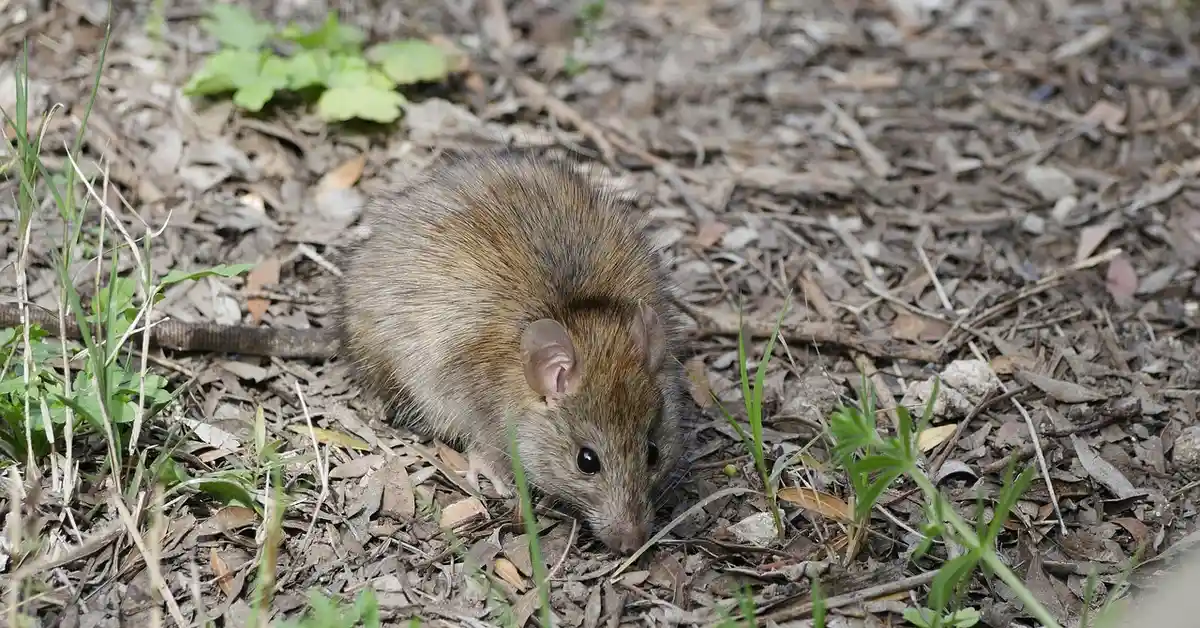
For those of us who share our homes with mice, the story of Mushika resonates on a profoundly personal level. We see past the common misconceptions and recognize the deep intelligence and devotion these narratives celebrate. The symbolism isn’t about a wild, fearsome beast; it’s about a humble, devoted companion of immense capability.
Ganesha, the remover of obstacles, chooses a creature often overlooked and underestimated as his closest ally. This mirrors our own experience of discovering the vast personalities within our small pets-the bold explorer, the calm mentor, the anxious but cheerful friend. My mouse Gregory, with his steady and deliberate nature, embodies the patient wisdom that such a divine vehicle would require.
The Qualities We Recognize in Our Own Mice
- Devotion and Loyalty: Just as Mushika serves Ganesha faithfully, our mice form trusting, affectionate bonds with their human caretakers.
- Strength and Capability: Despite their tiny size, they are surprisingly strong, agile, and capable of navigating complex environments with ease.
- Intelligence and Cunning: Their problem-solving skills when presented with a new toy or puzzle never cease to amaze me, much like the cleverness needed to carry a god.
- Humility and Grounding: Mice keep us present. Watching Jeffrey contentedly nibble a berry is a lesson in appreciating life’s simple, grounding pleasures.
This ancient story validates what every mouse owner knows in their heart. Our pets are not merely small animals; they are complex beings worthy of the reverence and deep affection we give them. This holds true across cultures, as the symbolism of mice is cherished both in Western and Eastern cultures. The tale of Ganesha and his mouse gives a beautiful, historical voice to the special relationship we are so lucky to cultivate every day.
Frequently Asked Questions
What is the name of Ganesha’s mouse?
The mouse mount of Lord Ganesha is called Mushika. In Hindi, it is referred to as मूषिक (Mushika), which simply means ‘mouse’ or ‘rat,’ emphasizing the creature’s humble yet significant role as the deity’s devoted companion and vehicle.
Where can I find images of Ganesha’s mouse?
Images of Mushika are widely available on online platforms dedicated to Hindu art, mythology, and culture, such as digital archives of museums, religious websites, and image-sharing sites. You can also find detailed depictions in temples dedicated to Ganesha, where sculptures and paintings often feature Mushika in various artistic styles, capturing its symbolic essence.
What does Ganesha’s mouse symbolize?
Mushika symbolizes humility, the mastery over desires, and the ability to navigate through life’s obstacles with resourcefulness. As Ganesha’s vahana, it represents the idea that even the smallest beings can embody great spiritual strength and serve a higher purpose, encouraging a balance between power and gentleness. This symbolism often resonates with mouse pet owners, who observe similar traits of intelligence and adaptability in their own tiny companions.
Your Path Forward
Observing your own mice can become a daily reminder of Ganesha’s lessons—finding wisdom in small, curious creatures and overcoming obstacles with patience and play. Their quick movements and intelligent behaviors echo the sacred connection celebrated for centuries. Mice are social animals that live in close-knit groups. Watching their interactions—grooming, play, and quiet communication—underscores lessons of cooperation and mutual support.
By providing a loving home for your small companions, you are honoring a beautiful tradition that sees the divine in every living being. Your care for them is a simple, modern act that carries a profound and ancient respect for life.
Further Reading & Sources
- Ganesha and the Mouse: A Mythological Tale of Friendship and Wisdom – Lord Ganesha
- Lord Ganesh and the Mouse – SWAHA International
- Why is mouse the vahana of Lord Ganesha?
Isabella is a passionate small pet enthusiast with over 8 years of experience in caring for mice. She loves sharing practical tips and heartfelt stories to help fellow mouse owners provide the best care for their tiny companions.
Mice in Culture & Media