
Agouti Gene in Mice: Unlocking Base Coat Color Secrets
Have you ever wondered why your mice have such a stunning variety of coat colors, even within the same litter? The answer lies in a single, powerful genetic instruction manual called the Agouti gene. This guide will walk you through the fascinating science behind your pet’s beautiful fur, transforming complex genetics into simple, relatable concepts.
We will cover the fundamental genetics of base coat colors, explain exactly how the Agouti gene functions to create banded hairs, and detail the stunning spectrum of colors it produces. By the end, you’ll not only understand what gives your own mice their unique look, but you’ll also see their coats in a whole new, appreciative light.
How the Agouti Gene Works in Pet Mice
What Agouti Fur Actually Looks Like on Your Mouse
When you look closely at an agouti mouse, you’ll see that each individual hair is not a single, solid color. Agouti fur features a fascinating banding pattern where each hair has a dark base, a middle band of yellow or red, and a dark tip. This creates a beautiful, natural “peppered” or “salt-and-pepper” effect across your pet’s entire body, reminiscent of wild rodents. From a distance, this blending of colors often presents as a warm, grizzled brown or grey. My mouse Kenny, with his light gray coat, is a perfect example of this; in certain lights, you can see the subtle, multi-toned shimmer of his individual hairs.
This intricate design isn’t just for show-it serves as a form of natural camouflage. The mix of light and dark bands helps break up the mouse’s outline, making it less visible to predators. When you stroke your agouti mouse, you might notice how the coat color seems to shift slightly with the direction of the fur, a direct result of this clever banding. It’s one of nature’s most elegant and practical paint jobs.
The Role of ASIP and MC1R in Creating Mouse Colors
The beautiful agouti pattern is the result of a precise genetic conversation between two key players: the Agouti Signaling Protein (ASIP) and the Melanocortin 1 Receptor (MC1R). Think of MC1R as a factory that can produce two types of pigment-black eumelanin or red/yellow pheomelanin. The ASIP gene acts as the foreman, instructing the factory on which pigment to produce and when.
On a mouse’s body, the ASIP gene is active in a cyclical pattern during hair growth. When ASIP is “on,” it blocks MC1R, causing the hair follicle to produce the lighter pheomelanin (the yellow/red band). When ASIP is “off,” the MC1R receptor is free to function, triggering the production of the darker eumelanin (creating the dark base and tip of the hair). This on-and-off signaling is what creates the characteristic banding on every single hair.
Understanding Genotype and Phenotype in Mouse Coat Colors
When you admire your mouse’s coat, you’re looking at its phenotype-the physical expression of its genes. The genotype is the hidden, two-letter genetic code that your mouse carries for a specific trait, like the agouti gene. A mouse with a visible agouti pattern has at least one copy of the dominant ‘A’ allele. A mouse that appears a solid, self-color like black likely has two copies of the recessive ‘a’ allele, meaning the agouti banding instruction is entirely absent. For more information, you can read about dominant vs recessive genes in mouse coat colors.
It’s entirely possible for a mouse to carry a gene in its genotype that doesn’t show up in its phenotype. A black mouse (aa) can be a silent carrier of the agouti gene, which it can then pass on to its offspring if paired with the right mate. This is why two solid-colored mice can sometimes surprise you with a litter full of beautiful, banded agouti babies!
Dominant, Recessive, and Incomplete Dominance Patterns
Genes follow specific inheritance rules that determine how they show up in your pets.
- Dominant (A): A dominant gene only needs one copy to be visible. The agouti (‘A’) allele is dominant. A mouse with either ‘AA’ or ‘Aa’ will display the agouti banding.
- Recessive (a): A recessive gene needs two copies to be expressed. The non-agouti (‘a’) allele is recessive. A mouse must have ‘aa’ to display a solid, self-colored coat without banding.
- Incomplete Dominance: Some genes don’t follow the simple dominant/recessive rule. With incomplete dominance, an animal with two different alleles may show a blended, intermediate phenotype rather than one fully overriding the other.
Understanding these patterns helps you predict potential coat colors in a litter. Breeding an agouti mouse (AA) to a black mouse (aa) will always result in 100% agouti-looking babies (Aa), as the dominant ‘A’ allele masks the recessive ‘a’. The real surprises come from breeding those agouti-looking offspring together, as they can produce both agouti and solid-colored mice in the next generation. A simple Punnett square makes these outcomes easy to visualize. Refer to the visual guide on mouse color genetics outcomes to compare genotypes and expected coat-color ratios.
The Main Base Coat Colors Created by Agouti Alleles
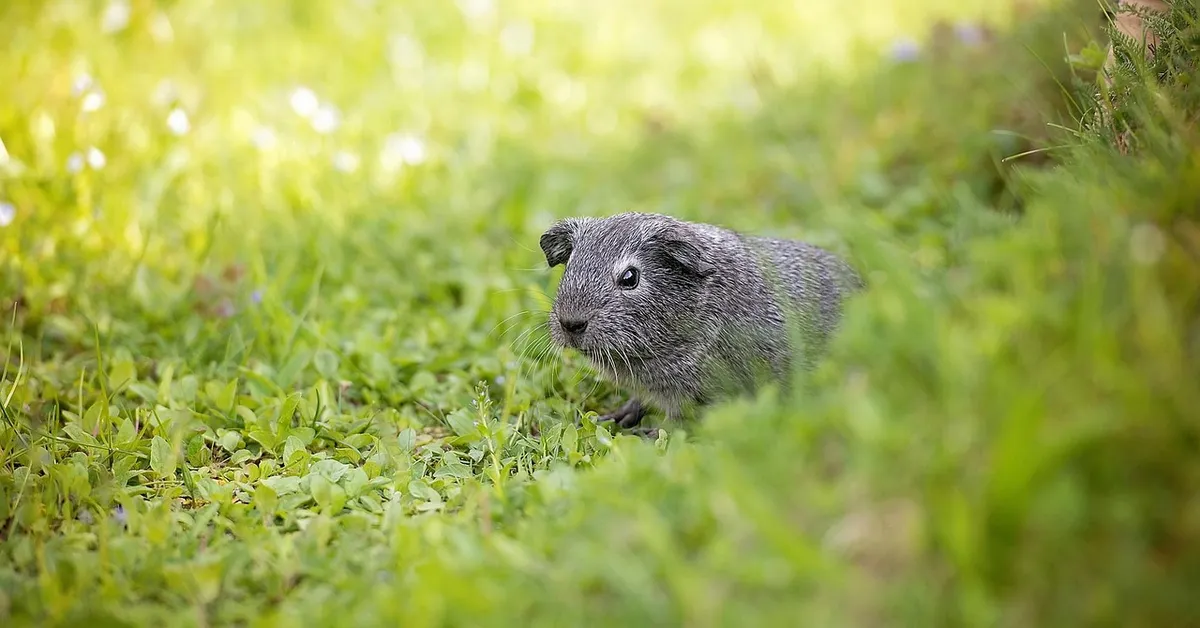
Wild-Type Agouti (A Allele)
This is the classic “mouse” look you’d picture in a children’s book or see in a nature documentary. Each individual hair on a wild-type agouti mouse is banded with multiple colors, typically a dark base, a middle band of rich yellow or red, and a dark tip. This creates a beautiful salt-and-pepper or grizzled appearance that provides perfect camouflage in the wild. In my own mischief, I’ve noticed that this coat seems to come with a certain boldness; my agouti boy, Kenny, is always the first to investigate anything new in the cage. These traits — the banded hairs, grizzled coloration, and even bold behavior — are useful ID markers. See the wild mouse identification area guide for quick pointers on spotting agouti mice in the field.
When you look closely, the magic of this allele becomes clear. The banding isn’t uniform across the body, often resulting in a lighter, cream-colored belly that contrasts with the darker, ticked back. This is the default, dominant agouti pattern, and it serves as the foundation that many other color genes modify.
Black or Non-Agouti (a Allele)
When the non-agouti recessive allele (a) is present in a pair, it effectively “switches off” the banding pattern. Instead of producing multi-colored bands, each hair shaft is filled with a single, solid dark pigment from base to tip. This results in a mouse that can range from a sleek, jet black to a slightly faded blackish-brown, depending on other modifying genes at work.
I’ve always found solid black mice to have a particularly sleek and plush look to their fur. One thing to watch for is that without the grizzling of the agouti pattern, any minor injuries or signs of barbering (where mice chew each other’s fur) can be much more visible on this dark, uniform canvas. This visibility is true for other solid colored mice too—reds, blues and chocolates—all of which show blemishes more clearly against a uniform coat. For breeders and keepers that means regular checks and careful grooming are especially important with solid strains. Their bellies are typically a solid slate gray, lacking the sharp contrast seen in their wild-type cousins.
Tan or Black-and-Tan (a^t Allele)
The black-and-tan pattern is one of the most striking and easily recognizable in fancy mice. This allele creates a dramatic two-tone effect, with a deep black or very dark brown back and a clear, warm tan or cream-colored belly. The division between the two colors is usually very sharp and distinct, running along the mouse’s sides. It’s a recessive allele to the standard agouti (A) but dominant over the solid black (a).
From my experience, this pattern can sometimes be linked to a slightly more assertive personality, though that’s purely anecdotal. The key to a show-quality black-and-tan is the crispness of the line separating the dark top from the light underside, with no smudging or stray dark hairs on the belly.
Recognizing the Saddle Pattern in Tan Mice
Sometimes, the dark “saddle” on a black-and-tan mouse doesn’t cover the entire back. You might see a saddle pattern, where the dark coloration is restricted to a patch over the shoulders and back, like a literal saddle, while the head, haunches, and underside remain tan. This can be a fault in the show ring for a pure black-and-tan, but it’s a charming and common variation in pet mice.
- The saddle should be a solid, well-defined patch of dark fur.
- The transition from the saddle to the tan areas can be more gradual than the sharp side line.
- This pattern highlights how the a^t allele restricts dark pigment to specific areas of the body.
How Other Genes Interact with the Agouti Gene
Dilution Genes and Modified Base Colors
The agouti gene sets the pattern, but dilution genes act like a painter adding water to the pigment. A wild-type agouti mouse carrying two dilute alleles becomes a beautiful blue agouti, where the black pigments are softened to a slate gray, creating a pastel, grizzled effect.
Similarly, a solid black mouse with the dilute gene becomes a soft blue mouse. It’s fascinating to see how these genes work in concert—the agouti decides where the color goes, and the dilution genes decide how intense that color will be. Dilution genes can turn black into blue, and in other genetic backgrounds can “produce lilac from chocolate.” These subtle shifts create the range of blue and lilac shades seen in mice. My mouse Jeffery is a great example; his white coat is the result of other genes completely masking his base agouti color.
Brown Locus Creating Chocolate and Cinnamon Variations
Now, let’s talk about the brown locus (b), which changes the *type* of dark pigment produced. The recessive brown allele (b) transforms black pigment into a rich, warm brown, creating entirely new color names based on the agouti pattern. This is where we get some of the most beloved mouse colors. To fully predict a mouse’s coat you must also consider interactions with other loci — C (color production), D (dilution), and P (pink-eye dilution). Together with b, these loci determine whether pigment is produced, how intense it is, and the final shade.
Here’s how it works:
- A wild-type agouti (A_) mouse that is also brown (bb) is called Cinnamon. Its banded hairs feature brown and tan instead of black and tan.
- A solid black (aa) mouse that is brown (bb) is called Chocolate. It’s a uniform, solid milk-chocolate brown.
- A black-and-tan (a^t_) mouse that is brown (bb) is called Chocolate-and-Tan, sporting a brown “saddle” instead of a black one.
Observing these interactions is like being a genetic detective, figuring out which alleles are working behind the scenes to create the unique mouse snuggling in your hand. My older mouse, Gregory, has the steady patience of a mouse who has seen many color combinations come and go in his time!
Identifying Your Pet Mouse’s Coat Color Genetics
Visual Cues That Reveal Agouti vs Non-Agouti
Spotting the difference between an agouti and a non-agouti mouse is like learning to read nature’s secret code. An agouti coat will have individual hairs that are banded with multiple colors, typically a dark base and a lighter tip, creating a speckled or ‘ticked’ appearance reminiscent of wild deer or rabbits. Run your finger against the grain of the fur; if you see dark underfur with golden or reddish tips, you’re likely looking at an agouti mouse.
Non-agouti mice, often called ‘self’ mice, present a much simpler picture. Their fur is a solid, uniform color from root to tip, with no banding whatsoever, resulting in deep, consistent shades like solid black, chocolate, or blue. Another reliable clue is the belly color. A true agouti mouse will have a clear, silvery-white underside, while a non-agouti mouse’s belly is usually just a lighter version of its main coat color.
How Mouse Coat Colors Change with Age
Watching a mouse’s coat evolve is one of the most fascinating parts of pet ownership. Many baby mice are born with a softer, often darker juvenile coat that they will completely shed as they mature into adults. This first molt can make a young mouse appear scruffy for a week or two, but it’s a perfectly normal process.
As your mouse enters its senior years, you might notice further changes. Just like humans get gray hair, older mice can develop a sprinkling of white or silver hairs throughout their coat, a phenomenon known as ‘silvering’. The vibrant, rich color of a young adult mouse may also fade slightly, becoming a bit more muted or dusty-looking. My older mouse, Gregory, has developed a distinguished salt-and-pepper look in his once-uniform dark brown fur.
When Genetic Testing Can Help Determine Coat Color
For the vast majority of pet owners, genetic testing is an unnecessary expense. You can accurately identify your mouse’s base coat color through careful visual observation of its fur banding and belly color. When learning about fancy mouse breeds, also pay attention to body type, ear shape, and distinctive markings. These visual cues, together with coat color, will help you recognize common fancy breeds.
Genetic testing becomes a consideration in very specific scenarios.
- If you are a dedicated hobbyist breeder aiming to establish a specific, consistent line and need to confirm a mouse carries a hidden recessive gene.
- If a mouse’s phenotype (what you see) is ambiguous and doesn’t clearly point to agouti or non-agouti, which is rare but can happen with certain modifying genes.
- If you are intensely curious and have the budget for it-it’s a for-fun, personal science project rather than a requirement for good pet care.
For simply enjoying and caring for your pet, knowing the visual agouti signature is more than sufficient.
Common Questions About the Agouti Gene in Pet Mice
Can Two Agouti Mice Have Black Babies?
Absolutely, they can! This is one of the most common surprises for new mouse owners. If both agouti parents carry a hidden copy of the non-agouti (a) recessive gene, there is a 25% chance with each pup that they will inherit two non-agouti genes, resulting in a solid black (or other self-colored) baby. The agouti gene (A) is dominant, so it only takes one copy to show the agouti pattern. It’s a perfect example of how genetics can hold hidden surprises.
Why Does My Mouse Look Different Than Its Littermates?
This is completely normal and highlights the beautiful diversity of mouse genetics. A single mouse litter can have multiple fathers, a phenomenon called superfecundation, which immediately introduces a wider variety of genes into the mix. Even with one father, each pup is a unique genetic combination.
Think of it like shuffling a deck of cards. Each pup gets a random half of its genes from each parent, leading to different expressions of color, pattern, and even temperament within the same family. My three boys-Kenny, Gregory, and Jeffery-are all from separate litters, but I’ve seen similar variety in single litters where one is agouti, one is black, and one is a diluted fawn color.
Does Coat Color Affect My Mouse’s Health or Personality?
This is a question I hear often, and the answer brings good news. There is no scientific evidence linking the agouti gene itself to specific personality traits or major health issues in fancy mice. A mouse’s boldness or shyness is shaped by a complex blend of genetics, early socialization, and individual experience, not its coat color.
It’s crucial to distinguish the agouti gene from other, rarer color genes. Some specific mutations, like those causing extreme dilution or albinism, can sometimes be linked to minor health concerns, but the basic agouti vs. non-agouti distinction is purely cosmetic. Your mouse’s vibrant personality is its own unique creation, entirely separate from the beautiful color of its fur.
Frequently Asked Questions
What is the agouti gene coat color?
The agouti gene coat color refers to the base coloration in mammals, including mice, where the Agouti Signaling Protein (ASIP) regulates pigment production in hair follicles. This results in banded hairs with alternating dark eumelanin and light pheomelanin, creating multi-toned shades like wild-type agouti, rather than solid colors. Pattern genes determine the spatial and temporal activity of ASIP and other pigment genes, specifying where those banded hairs form on the body. Together, agouti banding and pattern-gene expression produce distinct markings such as stripes, spots, or belly patches.
How does the agouti gene affect coat color in dogs?
In dogs, the agouti gene operates similarly to in mice, influencing pigment switching to produce banded hairs in patterns like sable or wolf-gray. For instance, the dominant agouti allele in dogs can lead to coats with dark tips and light bases, but its expression varies by breed and interacts with other genes, such as those for merle or brindle.
What is the agouti gene coat pattern?
The agouti gene coat pattern is defined by the cyclical banding on individual hairs, where pigment production alternates between dark and light phases during growth. This creates a speckled or grizzled appearance across the coat, which serves as effective camouflage in wild species and is a hallmark of agouti-based colors in pet mice.
Your Colorful Journey
The beautiful array of colors in your pet mice, from rich agouti bands to sleek self-colors, all traces back to the elegant logic of genetics. You now have a clearer picture of how a few key genes work together to paint your mouse’s unique coat. This mouse colors and markings guide will help you identify common coat types and patterns. Use it to match what you see on your mouse with the genetic mechanisms that create them.
Let this knowledge deepen your appreciation for the living art scurrying in your habitat. Those lovely splotches and stripes are more than just decoration; they are a wonderful, visible reminder of the complex and fascinating creature you care for.
Further Reading & Sources
- Agouti coloration genetics – Wikipedia
- Agouti Gene – an overview | ScienceDirect Topics
- The agouti mouse model: an epigenetic biosensor for nutritional and environmental alterations on the fetal epigenome – PMC
Isabella is a passionate small pet enthusiast with over 8 years of experience in caring for mice. She loves sharing practical tips and heartfelt stories to help fellow mouse owners provide the best care for their tiny companions.
Mice Genetics