
Are Mice Mammals? The Simple Answer
Have you ever watched a mouse and wondered where it truly fits in the grand scheme of the animal world?
This guide will give you a definitive, easy-to-grasp explanation, leaving no room for doubt. We will break down the core features that make an animal a mammal and show you exactly how mice fit every single one of those criteria.
What Makes an Animal a Mammal?
Before we look at our tiny companions, let’s explore what truly defines the mammalian class. It’s a specific biological club with strict membership rules. Mammals are a distinct class of vertebrate animals, all sharing a set of fundamental physical and biological characteristics that set them apart from birds, reptiles, and fish.
The Five Key Mammalian Traits
Every mammal on Earth, from the blue whale to your pet mouse, possesses these five core features.
- Hair or Fur: The presence of hair, even if it’s just whiskers or a slight fuzz, is a hallmark trait no other animal class has.
- Mammary Glands: Females produce milk to nourish their newborn young. This is the feature that gives the entire class its name.
- A Single Jawbone: The dentary bone is the only bone in the mammalian lower jaw, a key difference from reptiles.
- Three Middle Ear Bones: Mammals have the malleus, incus, and stapes-three tiny bones that work together to transmit sound.
- A Neocortex in the Brain: This region of the brain is involved in higher-order functions like sensory perception and spatial reasoning.
Yes, Mice Are Mammals (And Here’s Why)
So, where does your playful pet mouse fit into this picture? Perfectly. Observing my own mice, from Kenny’s soft gray coat to Jeffery’s twitchy whiskers, provides a living demonstration of every single mammalian trait in action. Their furry bodies, the way a mother would care for her pups, and their clear capacity for learning and curiosity all confirm their place in this biological family.
Understanding the Taxonomy of Your Pet Mouse
Taxonomy is simply the science of classification, a way to understand how all life is connected. Knowing your mouse’s full scientific classification helps you appreciate its place in the natural world.
| Classification Level | Name | What It Means for Your Mouse |
|---|---|---|
| Kingdom | Animalia | It is an animal, not a plant or fungus. |
| Phylum | Chordata | It has a spinal cord, a defining feature of vertebrates. |
| Class | Mammalia | This is the core of our discussion! It has fur and produces milk. |
| Order | Rodentia | It is a rodent, meaning it has continuously growing incisors that must be worn down. |
| Family | Muridae | This is the large family of “true” mice and rats. |
| Genus | Mus | The specific genus for the common house mouse. |
| Species | M. musculus | The exact species of the beloved pet mouse. |
This detailed lineage shows that your mouse shares its most fundamental biological blueprint with every other mammal you know and love. The next time you see Gregory methodically grooming his dark brown fur, you’re witnessing a ritual shared by millions of mammalian species across the globe.
Are Mice Rodents or Mammals? (They’re Both)
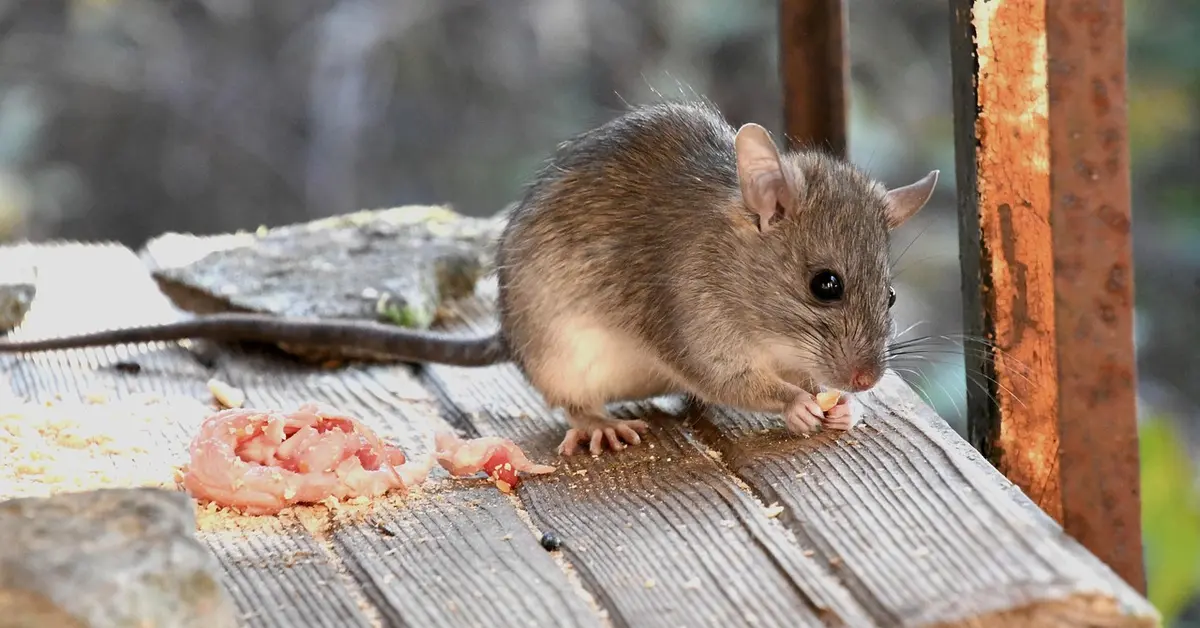
You might wonder how to classify your tiny companion-is a mouse a rodent, a mammal, or both? Mice comfortably belong to both categories, with “rodent” describing their specific family within the broader “mammal” class. Think of it like your own family tree: you’re a human, but you’re also part of a smaller group, like your immediate family. For mice, being a rodent is their special branch on the mammal family tree.
What Being a Rodent Means
Rodents share a set of distinct features that set them apart from other mammals. The most telling sign is their ever-growing front teeth, which require constant gnawing to keep them from overgrowing. If you’ve seen your mouse nibbling on a wooden toy or a chew stick, that’s rodent behavior in action! Here are key rodent traits you can observe in your pet:
- Continuously growing incisors that are sharp and chisel-like
- A diet that often includes seeds, grains, and other hard foods to help wear down teeth
- Typically small to medium size with robust bodies built for scurrying and climbing
- Strong jaw muscles adapted for chewing and gnawing behaviors
From my experience, watching Kenny chew enthusiastically on a cardboard tube reminds me how vital this rodent trait is for his dental health and natural instincts.
How Mouse Physiology Confirms Their Mammal Status
Your mouse’s body is a living testament to its mammalian heritage. Every aspect of their physiology, from how they stay warm to how they care for their young, aligns with what defines a mammal. Observing these traits in your pet can deepen your appreciation for their biological wonders.
Warm-Blooded Temperature Regulation
Mice are endothermic, meaning they generate their own body heat to maintain a steady internal temperature. This warm-blooded nature allows them to be active and playful regardless of the room’s temperature, unlike reptiles that rely on external heat sources. You might notice your mouse seeking out cozy spots in their habitat when it’s chilly or panting slightly if it’s too warm-these are signs of their sophisticated temperature control. Providing nesting material helps them regulate their comfort, much like we put on a sweater or shed a layer.
Fur, Hair, and Skin Structure
Run your finger gently over your mouse’s back, and you’ll feel the soft fur that is a hallmark of mammals. Their coat isn’t just for cuteness; it provides insulation, protection, and sensory input through specialized hairs called vibrissae (whiskers). Mice have hair follicles that produce different types of hair-guard hairs for protection and underfur for warmth. Jeffrey’s white fur, for instance, feels incredibly soft and dense, which helps him stay snug during his more timid moments. Their skin also contains sweat and oil glands, contributing to healthy skin and fur maintenance.
Reproduction and Lactation in Pet Mice
As mammals, mice give birth to live young and produce milk to nourish them. Female mice have mammary glands that allow them to nurse their pups, providing essential nutrients and antibodies in the first weeks of life. While breeding isn’t a focus here, understanding this process highlights their mammalian nature. In a pet setting, you might never see this, but it’s a fundamental trait. Different life stages and conditions—such as pups, pregnant or nursing females, and older mice—require adjusted diets to meet higher energy, protein, calcium, and vitamin needs. Recognizing these special nutritional needs helps ensure health across life stages. Gregory, being older, has a calm demeanor that reflects the nurturing side often seen in mammalian social structures, even if he’s not a parent himself.
Are All Mice Species Mammals?
When we talk about “mice” in the context of common pet species, yes, every single one is a mammal. From the fancy mouse (Mus musculus domestics) you likely have as a pet to wild varieties like deer mice, all true mice fall under the mammal class. This includes their close relatives like rats and hamsters. Sometimes people confuse other small animals with mice, but any creature scientifically classified as a mouse shares those core mammalian traits we’ve discussed. It’s one of the reasons they make such engaging pets-their warm, lively nature stems directly from their mammal biology. If you’re curious about how mice fit within the broader category of rodents, you might find our guide to rodent classification helpful.
Comparing Pet Mice to Other Mammalian Rodents
Are Rats Mammals Too?
Yes, absolutely! Rats are mammals, just like mice. They share the same core biological classification. Both belong to the order Rodentia, which means they are both rodents. Thinking of them as very close cousins can help you understand their similar needs and behaviors. They both have fur, are warm-blooded, give birth to live young, and produce milk for their babies.
From my own experience caring for both, the differences often come down to scale and personality. Rats are notably larger, both in body and brain size, which often makes them easier to train for specific tricks. Mice, like my curious Kenny, are tiny whirlwinds of energy, exploring every nook with lightning speed. A rat’s lifespan is generally longer, often living two to three years, while mice typically live for one to two. This is a significant consideration for any potential pet owner. If you’re trying to tell mice and rats apart, start by noting size, snout shape, tail length and typical behaviors. This guide will walk you through those visual and behavioral clues to help you choose the right pet.
Their social structures also differ in a way that impacts their care. Rats thrive in same-sex pairs or small groups and form incredibly deep bonds with their cage mates and their human. Mice are also social, but their intricate hierarchies can be more delicate. Introducing new mice to an established group requires immense patience and careful monitoring to prevent serious fights. Male mice, especially unrelated adult males, are often more territorial and prone to aggression, so keeping males together can be risky. Many caretakers only house males together if they were raised as littermates or after careful, gradual introductions (or neutering).
What Mice Are Not: Clearing Up Common Confusion
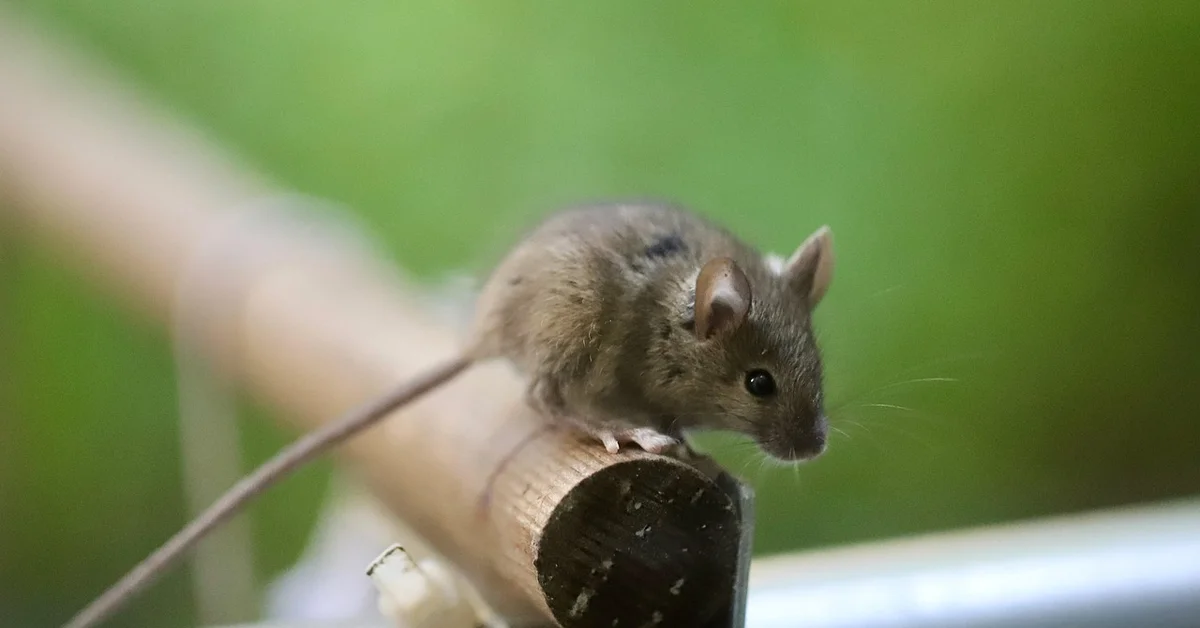
It is easy to mistake other small, scurrying creatures for mice, but the biological distinctions are vast. A common mix-up is with insects, but mice are vertebrates with a backbone, a far cry from the exoskeleton of a bug. The presence of fur and the way they nurse their young are immediate, unmistakable signs of their mammalian nature.
They are also not marsupials, like hamsters or guinea pigs are sometimes mistakenly called. Mice do not have a pouch for carrying their underdeveloped young. Instead, a mother mouse will give birth to a litter of pink, hairless pups that are entirely dependent on her and the nest she has built. These newborns are commonly called “pups” or “pinkies” because of their pink, furless appearance. Watching my mouse Jeffery carefully gather bedding to create a secure, warm spot for his naps reminds me of this deep-rooted nesting instinct.
Here is a quick list of what pet mice definitely are not:
- Not reptiles: They are warm-blooded and lack scales.
- Not amphibians: They do not have a larval stage like a tadpole and live entirely on land.
- Not birds: They do not lay eggs and are covered in fur, not feathers.
Understanding what your pet mouse *is* helps you provide the best care. Their constant need to gnaw, for instance, comes from their continuously growing incisors, a hallmark trait of their rodent family. It’s important to provide them with proper materials to chew on to keep their teeth healthy. Seeing my older mouse, Gregory, methodically work on a wood chewy is a perfect example of this innate rodent behavior in action.
Frequently Asked Questions
Are mice placental mammals?
Yes, mice are placental mammals, belonging to the Eutheria subgroup. This means they have a placenta during gestation, which nourishes the developing embryos and allows for the birth of live, fully formed young. Consequently, mice do not lay eggs—they give birth to live pups. Only a few mammals (monotremes like the platypus and echidna) lay eggs.
As placental mammals, mother mice provide milk to their pups after birth, ensuring they receive essential nutrients and antibodies. This reproductive strategy is a key trait that distinguishes them from other mammal types like marsupials or monotremes. Because they nurse and care for their young, people often ask whether mice ever eat their pups or otherwise fail to breastfeed them. While maternal infanticide or neglect can occur under stress, illness, or inexperience, nursing and protection of the litter is the typical behavior.
Are rats mammals or reptiles?
Rats are mammals, not reptiles. They possess all the defining mammalian characteristics, such as fur, warm-bloodedness, and mammary glands for producing milk to feed their young.
Reptiles, like snakes or lizards, have scales, are cold-blooded, and typically lay eggs, which are features not found in rats. This clear biological distinction confirms rats as part of the mammal class.
Are all mice mammals?
Yes, all species scientifically classified as mice are mammals. This includes common pet mice, such as the fancy mouse, and wild types like deer mice, all of which fall under the class Mammalia. To identify wild mice in North America, look at size, fur color and markings, ear and tail length, and the habitat where you find them. Common regional species include deer mice, white-footed mice, and house mice, each with distinctive traits that help with identification.
They share universal mammalian traits, including hair, mammary glands, and a neocortex in the brain. Any animal referred to as a mouse in a biological context adheres to these core characteristics.
Your Journey with Mice
Knowing that your tiny companions are fellow mammals fundamentally changes the way you perceive and care for them. This biological kinship means you can better understand their needs for warmth, social bonds, and mental engagement, just like any other warm-blooded creature.
Embrace this connection, as it transforms pet ownership from simple maintenance into a truly rewarding relationship. You are now equipped with the knowledge to provide not just a cage, but a home that honors their complex, wonderful nature.
Further Reading & Sources
Isabella is a passionate small pet enthusiast with over 8 years of experience in caring for mice. She loves sharing practical tips and heartfelt stories to help fellow mouse owners provide the best care for their tiny companions.
Mouse Biology & Anatomy