
Mouse Coat Genetics: Rex, Satin & Hairless Explained
Have you ever looked at your mouse’s uniquely textured fur and wondered about the genetics behind their beautiful coat? Understanding these traits transforms how you appreciate and care for your tiny companion.
This guide will walk you through the fascinating world of mouse coat genes. We will cover the defining characteristics of Rex, Satin, and Hairless genes, the special care considerations for each type, and practical tips for identifying these traits in your own pets.
Understanding Rex Coat Genes in Mice
What Rex Fur Looks Like and Feels Like
Rex-coated mice possess a wonderfully unique texture that is unmistakable once you’ve felt it. Their fur is not straight and smooth but forms soft, tight curls and waves, giving them a charmingly tousled appearance. Running your fingers over a Rex mouse feels like touching the softest crushed velvet or a brand-new plush teddy bear. The whiskers are also affected, often curling delightfully, which can sometimes make them appear a little more tentative when navigating new spaces.
From my own experience, my mouse Kenny has a standard coat, but I’ve cared for a lovely Rex named Poppy whose coat was a joy to pet. The density and plushness of the Rex coat provides a wonderfully tactile experience that many owners find incredibly endearing. It’s a coat that invites gentle stroking and seems to hold a bit more warmth, making them extra cozy to hold. Other coat types, like satin and texel, offer different textures and appearances. Satin is sleek and glossy, while the texel has soft, curly fur, so each coat type gives a distinct petting experience.
How the Rex Gene Is Inherited
The genetics behind the Rex coat are fascinating and follow a specific pattern of inheritance. The gene responsible is recessive, meaning a mouse must inherit two copies of the gene-one from each parent-to display the Rex coat.
- A mouse with two copies of the Rex gene (homozygous) will have the full, curly coat.
- A mouse with only one copy of the gene (heterozygous) will have a normal, straight coat but is a carrier of the trait.
- If you breed two carrier mice together, statistically about one in four of their offspring will be a true Rex.
This recessive nature is why you won’t see the Rex trait appear unless both parents contribute the gene. It’s a hidden surprise that can pop up in litters when you least expect it, which is always a delightful discovery for a pet owner.
Understanding Satin Coat Genes in Mice
What Satin Fur Looks Like
If you see a mouse whose fur seems to shimmer and gleam under the light, you are likely looking at a Satin. This coat type doesn’t change the color or pattern but dramatically alters the hair’s texture and light-reflecting properties. The individual hairs are finer and more translucent, which allows light to pass through them, creating a beautiful, glossy sheen that moves with the mouse. Their coat looks like it’s been polished to a high gloss.
I find that Satin coats, like the one my friend’s mouse had, can make even common colors look extraordinary. This luminous quality gives Satin mice an almost ethereal appearance, as if they are lit from within when they scurry across your hands. The fur itself is also exceptionally soft and silky to the touch, making them a true pleasure to interact with.
How the Satin Gene Is Inherited
Similar to the Rex gene, the Satin gene is also inherited in a recessive manner. This genetic trait operates on a simple but strict rule set.
- The satin trait is controlled by a single recessive gene.
- A mouse needs two copies of this gene to express the signature satin sheen.
- A mouse with just one copy will have a normal coat but can pass the gene to its young.
Breeding two Satin mice together will always produce Satin offspring, as both parents can only contribute the Satin gene. It’s a wonderfully predictable trait genetically, which can be helpful for pet owners who are simply curious about the origins of their mouse’s beautiful, shiny coat.
Understanding Hairless Genes in Mice
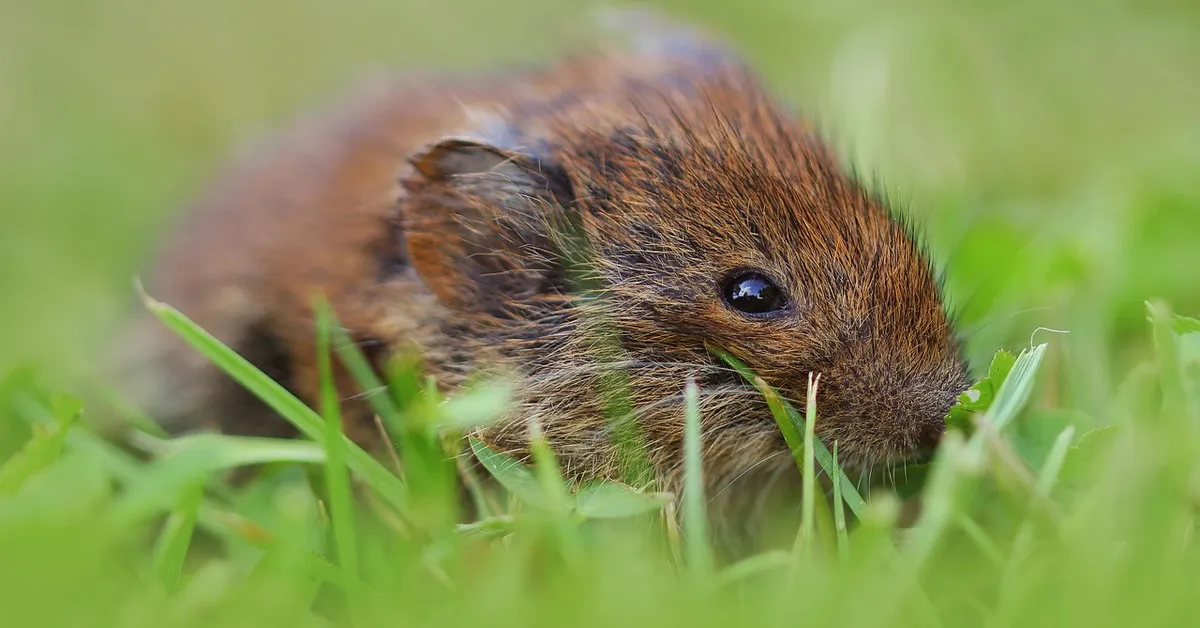
What Hairless Mice Look Like
Hairless mice have smooth, pinkish skin that feels surprisingly soft and warm to the touch, almost like fine suede. You might notice their skin appears slightly wrinkled or has a delicate texture, and they often lack whiskers or have very short, brittle ones. Without fur, their bodies are more exposed, so you can easily see their muscle definition and even the subtle movements beneath their skin.
These mice tend to have larger ears and eyes that stand out prominently against their bare skin. I’ve observed that hairless mice can be more sensitive to temperature changes, so they might seek out warm spots in their habitat more often than their furry friends. Their unique appearance makes them stand out, but it also means they need extra care to stay comfortable.
How the Hairless Gene Is Inherited
The hairless trait in mice is typically passed down through a recessive gene, meaning both parents must carry the gene for a mouse to be born without fur. If only one parent has the hairless gene, the offspring will usually have a normal coat but can still be carriers themselves. This genetic pattern is similar to how some traits skip generations in families.
Breeding two hairless mice together isn’t recommended due to health risks, but understanding inheritance helps you appreciate why some litters might have a mix of coated and hairless babies. In my experience, mice like Jeffery, who has a standard coat, can still carry hidden genes that might show up in future generations if paired with another carrier. It’s a fascinating glimpse into how genetics shape our pets’ appearances.
Recognizing These Coat Types in Your Pet Mice
Telling Rex Apart From Standard Coats
Rex mice have a distinct curly or wavy fur that feels plush and springy, unlike the straight, smooth coat of standard mice. Look for tight curls all over their body, including their whiskers, which often appear crinkled or bent rather than straight. This gives them a charming, tousled look that’s easy to spot once you know what to search for.
When you stroke a Rex mouse, their fur has a resilient bounce-back quality that standard coats lack. I remember noticing this with Kenny, whose light gray Rex coat always seemed to hold its shape even after he’d been burrowing in bedding. If you’re unsure, compare side-by-side-standard fur lies flat, while Rex fur stands out with texture.
Identifying Satin Sheen
Satin-coated mice boast a glossy, iridescent shine that catches the light, making their fur look almost metallic or silk-like. Run your hand along their back, and you’ll feel an exceptionally smooth, sleek surface that reflects light in a way standard coats don’t. This sheen is caused by hollow hair shafts that scatter light, giving them that radiant appearance.
In brighter settings, Satin mice can appear to glow subtly, with colors looking more vibrant and deep. Gregory’s dark brown coat doesn’t have this trait, but I’ve cared for Satins whose fur seemed to change hues depending on the angle you viewed them from. It’s a beautiful mutation that adds a touch of elegance to any mouse family.
Recognizing Hairless and Partial Hairless Mice
Hairless mice are completely furless, while partial hairless types might have sparse patches of fur, often on their face, legs, or tail. You might see thin, uneven hair growth that doesn’t cover the skin fully, giving them a patchy or mottled look. Their skin can be more prone to dryness or minor irritations, so keep an eye out for flakiness or redness.
Partial hairless mice sometimes have a “fuzzy” appearance in certain areas, but it’s inconsistent and doesn’t provide full coverage. In my years of care, I’ve found that these mice benefit from gentle handling to avoid stressing their sensitive skin. Recognizing these variations helps you tailor your care routine to keep them healthy and happy.
Caring for Rex Mice
Grooming Needs for Rex Coats
Rex mice need regular gentle brushing to prevent their curly fur from matting or trapping debris. Use a soft-bristled brush or your fingers to lightly comb through their coat once or twice a week, focusing on areas like the back and sides where tangles can form. This not only keeps them looking neat but also reduces the risk of skin issues hidden beneath the waves.
Their unique fur can hold onto bedding or food particles more easily, so I often do a quick check after playtime. I’ve noticed that Rex mice like Kenny enjoy grooming sessions as bonding time, turning a chore into a pleasant ritual. They also spend a lot of time self-cleaning, using their paws and tongue to remove debris and spread natural oils across their coat. Noticing changes in this routine can help you spot skin or health issues early. Avoid over-brushing, though, as their skin is just as sensitive as other mice’s.
- Brush gently with a small, soft brush to avoid irritation.
- Inspect for mats behind ears and under legs weekly.
- Offer dust-free sand baths occasionally to help maintain coat health.
Bedding and Environment
Choose soft, absorbent bedding like aspen shavings or paper-based products to cushion their delicate skin and reduce friction. Avoid rough or dusty materials that could irritate their curly fur or lead to respiratory problems. Rex mice thrive in environments that balance comfort with cleanliness.
Keep their habitat in a draft-free area with stable temperatures, as extreme changes can stress their unique coats. From my setup, I’ve found that adding extra nesting material like torn-up tissues gives them cozy spots to burrow without aggravating their fur. Regular spot-cleaning helps maintain a hygienic space that supports their grooming efforts.
- Use bedding that’s low-dust and hypoallergenic.
- Provide hideouts with smooth edges to prevent fur snagging.
- Monitor humidity levels to avoid dry skin or static in their coat.
Caring for Satin Mice
Grooming and Coat Maintenance
The satin gene gives a mouse’s coat an incredible, glossy sheen that catches the light beautifully. This stunning effect comes from each hair shaft being hollow, which reflects light differently than a standard coat. To maintain that brilliant luster, a gentle touch is vital. I use a super-soft baby toothbrush for occasional brushing, which helps distribute natural oils without pulling on the delicate hairs. A dust-free, absorbent paper-based bedding is my go-to, as it minimizes debris that can cling to and dull their special fur.
Their unique fur structure means it can sometimes feel a bit thinner than a normal coat. You might notice their skin a little more easily, but this is typical for the satin variety and not necessarily a sign of poor health. I find that a high-quality diet rich in protein and healthy fats, like offering a few sunflower seeds as a treat, helps keep the coat itself strong and healthy from the inside out.
Health Monitoring for Satin Mice
While the satin coat is visually striking, it’s linked to a genetic condition that requires your watchful eye. The same gene that creates the beautiful sheen can, in some mice, lead to a progressive kidney disease known as satin disease. This is why consistent health monitoring is non-negotiable for these glamorous pets.
Be on the lookout for these subtle signs:
- Increased thirst and urination
- Weight loss despite a good appetite
- A coat that loses its signature shine and becomes rough
- Lethargy or less interest in exploration
I make it a habit to weigh my mice weekly; a small digital kitchen scale works perfectly. Catching changes early is your best strategy for managing their comfort and well-being over their lifetime. Even a few grams’ change can be an early sign of illness or stress, so recording weights helps you spot worrying trends. Sharing those weight records with your vet can speed diagnosis and treatment. Regular vet check-ups are also a cornerstone of responsible satin mouse ownership.
Caring for Hairless Mice
Temperature Regulation
Without a protective fur coat, hairless mice lose body heat rapidly. Keeping your hairless mouse warm is arguably the most critical part of their daily care. Their environment should be consistently between 75°F and 80°F (24°C – 27°C). I achieve this by placing a small, rodent-safe heat pad under one part of their enclosure, ensuring they have a warm zone to retreat to and a cooler area to avoid overheating.
Provide an abundance of soft, paper-based nesting material. You’ll often find them burrowed deep into their nest, which is their own clever way of staying cozy. Avoid placing the cage in drafts, direct sunlight, or near air conditioning vents, as temperature fluctuations are very hard on their little bodies.
Skin Care and Protection
Their bare skin is surprisingly soft but also incredibly vulnerable. Think of their skin care routine as similar to caring for a newborn baby’s delicate skin. It can be prone to dryness, minor scratches, and acne. I use a tiny amount of pure, cold-pressed coconut oil once a week to moisturize, which helps prevent flakiness and keeps their skin supple.
Watch for any redness, scabs, or inflamed areas, as these can indicate irritation or a minor infection. Cage cleanliness is paramount, as ammonia from soiled bedding can quickly cause painful burns on their unprotected skin. A thorough cage clean at least once a week is a must. Daily spot-cleaning and regular disinfection of bedding and accessories help prevent waste and germ buildup. Good hygiene reduces the risk of common ailments like respiratory infections, skin irritations, and parasitic infestations.
Grooming and Hygiene
You might think a hairless mouse doesn’t need grooming, but they do! Hairless mice often have overactive oil glands, which can lead to a build-up of dark, waxy material in their nail beds and skin folds. I gently clean their toes and any skin wrinkles with a warm, damp cloth or a cotton swab a few times a week. They also appreciate a shallow, lukewarm “spa day” in a dish of water to help soften and remove this buildup. However, it’s important to know when to be concerned about mouse grooming habits.
Environmental Adjustments
Every part of their home needs to be soft and smooth. Swap out any rough wooden toys or huts for plastic or ceramic alternatives to prevent skin abrasions. I use fleece hammocks and tunnels, which are gentle on their skin and provide extra warmth. Even the water bottle spout should be checked to ensure it isn’t causing chin rub. Their world needs to be a plush, safe haven.
Health Considerations for These Coat Types
Rex Health Concerns
Rex mice, with their wonderfully crinkled fur, are generally robust. The main concern with their lovely wavy coats is that they can be more prone to dry skin and minor skin irritations. The curls can sometimes trap moisture or debris close to the skin. Providing a balanced diet and ensuring their habitat isn’t overly humid helps keep their skin healthy beneath those charming waves.
Satin-Related Health Issues
As mentioned, the primary health consideration is satin disease. This is a recessive genetic disorder, meaning a mouse must inherit the gene from both parents to be affected. Not all satin carriers develop severe symptoms, but being proactive is key. There is no cure, so care focuses on supportive measures like ensuring easy access to water and highly palatable food, and managing any symptoms with the guidance of an exotics veterinarian.
Hairless Health Risks
Hairless mice have a compromised immune system and a faster metabolism to help stay warm. Their greatest vulnerabilities are respiratory infections and skin ailments, so any sign of sneezing or a skin lesion should be taken very seriously. They are also more susceptible to mites, as they lack the fur barrier that other mice have. Any introduction of new bedding or toys should be done cautiously, and I often freeze new items for 24 hours before use to eliminate potential pests.
Can These Genes Combine?
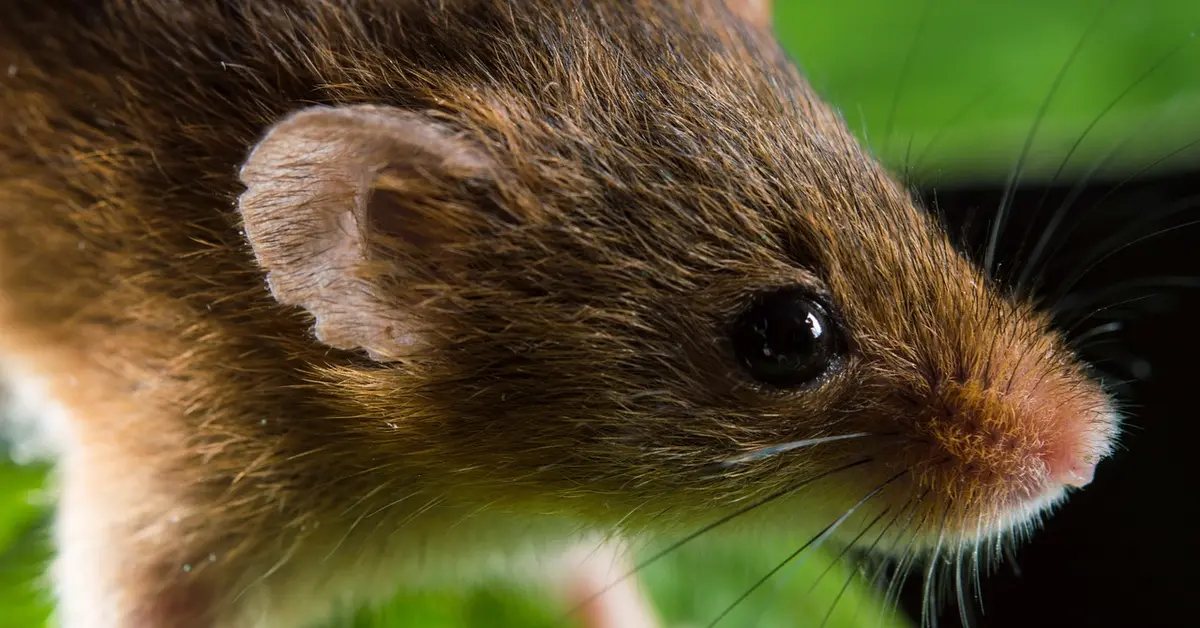
Rex Satin Combinations
Yes, Rex and Satin genes can combine in mice, resulting in a coat that is both curly and exceptionally glossy. This double mutation creates a visually striking mouse with soft, wavy fur that catches the light in a shimmering effect. From my experience, these mice often have a plush, velvety texture that feels delightful to the touch, but their coats may require gentle handling to prevent matting. You might notice that their fur density varies, so regular, light brushing with a soft-bristled brush can help maintain their unique appearance without causing stress. These coat outcomes stem from specific genetic interactions — understanding how Satin, Rex, Longhair and Texel genes influence fur length, curl and sheen helps explain the variety you see. Knowing which traits are dominant or recessive clarifies why some combinations appear more often than others.
- Appearance: Curly, high-sheen fur that can range from tight waves to loose curls.
- Care Needs: Avoid rough handling; provide a dust-free environment to keep their coat clean.
- Health Notes: Generally robust, but monitor for skin irritations due to the combined gene effects.
Rex Hairless and Other Combinations
Combining Rex with Hairless genes is possible, but it often leads to mice with sparse, curly hair or complete baldness, depending on the genetic expression. These combinations can introduce unique challenges, as the lack of fur may make them more sensitive to temperature changes and skin issues. I’ve found that Hairless mice, even with Rex traits, need extra warmth and moisturizing care to prevent dry skin. Other mixes, like Satin Hairless, are rare and typically result in a glossy but hairless appearance, requiring similar specialized attention to keep their skin healthy and protected.
- Rex Hairless: May have patchy, curly hair; prioritize a warm habitat and gentle skin checks.
- Satin Hairless: Glossy skin surface; use hypoallergenic bedding to reduce irritation.
- General Tip: Always consult with a vet familiar with mouse genetics for any combined traits.
Are Rex, Satin, or Hairless Mice Right for You?
Considering Rex Mice as Pets
Rex mice, with their charmingly crinkled fur, are a joy for owners who appreciate texture and a playful demeanor. Their curly coats are low-shedding, which can be a bonus if you or family members have mild allergies, but they still need occasional grooming to avoid tangles. In my care, Rex mice like my curious Kenny have been energetic and social, thriving in enriched environments with plenty of hiding spots. Keep in mind that their unique fur might trap debris more easily, so a clean cage is essential to prevent skin problems.
- Pros: Unique appearance, friendly and active personalities, minimal shedding.
- Cons: Requires gentle brushing, may need extra bedding changes.
- Ideal For: Hands-on owners who enjoy interactive pets and don’t mind a bit of extra upkeep.
Considering Satin Mice as Pets
Satin mice boast a lustrous, smooth coat that gleams under light, making them a visually stunning choice. Their fur is typically easy to maintain with minimal grooming, but it can be prone to showing oils and dirt, so a balanced diet and clean habitat are key. From my observations, Satin mice often have a calm yet inquisitive nature, similar to my steady Gregory, and they do well in calm households. Just be cautious-their shiny coats might attract more attention from other pets, so supervised interactions are wise.
- Pros: Beautiful sheen, generally low-maintenance grooming, adaptable temperament.
- Cons: Coat may require frequent wiping if soiled, potential for higher visibility of health issues.
- Ideal For: Owners seeking a visually appealing mouse with straightforward care routines.
Considering Hairless Mice as Pets
Hairless mice, with their soft, bare skin, demand a dedicated owner ready to address their specific needs. These mice are highly sensitive to cold and drafts, so providing a consistently warm environment with snug hiding places is non-negotiable for their comfort. I’ve cared for Hairless varieties and found that their skin needs regular moisturizing with safe, vet-approved products to prevent cracking. Regularly applying a gentle, fragrance-free moisturizer or barrier balm—approved by a veterinarian—helps maintain hydration and protect against irritation. Soft bedding and protective coverings can also reduce abrasion and minimize sun exposure. They often have sweet, affectionate personalities, but their lack of fur means they’re more vulnerable to scratches and infections, requiring gentle handling and a stress-free home.
- Pros: Unique bonding experience, often very sociable, no fur allergies.
- Cons: High maintenance for temperature and skin care, prone to health issues if neglected.
- Ideal For: Experienced owners who can commit to daily care and monitoring.
These Coat Types in Other Animals
Rex Mutations in Cats and Rabbits
Rex mutations appear in various pets, like cats and rabbits, where they produce curly or wavy fur similar to mice. In Rex rabbits, the plush, dense coat is prized for its softness, while Cornish Rex cats have a distinctive crinkled fur that feels like crushed velvet. These animals often share a need for gentle grooming to maintain their coat’s integrity, much like mice. I’ve noticed that Rex traits across species tend to come with a playful, energetic personality, making them engaging companions for those who enjoy active pets.
- Cats: Cornish and Devon Rex breeds; require regular brushing to prevent matting.
- Rabbits: Standard Rex rabbits; their fur is dense and may need occasional trimming.
- Commonality: All Rex varieties benefit from a controlled environment to protect their unique coats.
Hairless Mutations in Other Pets
Hairless mutations are found in many companion animals, such as Sphynx cats and Chinese Crested dogs, each with care parallels to hairless mice. These pets often need diligent skin care, including bathing and moisturizing, to compensate for the lack of fur’s protective barrier. From what I’ve seen, hairless animals tend to seek warmth and closeness, much like my jumpy Jeffery, and they thrive in homes where owners can provide consistent temperature regulation and affection. Their unique appearance comes with a responsibility to prevent sunburn and skin infections through proactive health measures.
- Cats: Sphynx breeds; require weekly baths and ear cleaning due to oil buildup.
- Dogs: Chinese Crested; need sunscreen for exposed skin and warm clothing in cool weather.
- General Insight: Hairless pets across species often form strong bonds with owners due to their dependency on human care.
Frequently Asked Questions
Is there a Rex Satin Hairless cat?
No, a cat with combined Rex, Satin, and Hairless traits does not exist in standard feline breeds. While cats can have Rex-like coats in breeds such as the Cornish Rex or Devon Rex, and hairless varieties like the Sphynx, the “Satin” gene-responsible for a glossy sheen-is specific to rodents like mice and rabbits. Care for cats with unique coats focuses on breed-specific grooming and health needs rather than these combined genetic traits.
Is there a Rex Satin Hairless dog?
Dogs do not have recognized Rex, Satin, or Hairless combinations as seen in mice. Some breeds, like the Poodle, have curly coats resembling Rex fur, and hairless types such as the Chinese Crested exist, but “Satin” is not a term applied to dog coats. Instead, dog coat care emphasizes breed-specific maintenance, such as regular brushing for curly-haired dogs or skin protection for hairless varieties, without the genetic overlaps found in mice. Consequently, a dog’s coat type affects care needs. Curly-coated dogs need frequent brushing and periodic clipping to prevent mats, while hairless breeds require regular skin care and sun protection.
Is there a Rex Satin Hairless rabbit?
Rex and Satin coat types are well-established in rabbits, with Rex rabbits having plush, curly fur and Satin rabbits displaying a glossy sheen, but a combined Rex Satin Hairless rabbit is not commonly bred or available. Hairless rabbits are rare and often result from specific genetic lines, but introducing multiple traits like Satin sheen would be complex and uncommon. If such a rabbit existed, it would require specialized care for skin sensitivity and temperature regulation, similar to hairless mice. Breed standards and classifications typically list coat type varieties — standard Satin Rex hairless — when describing rabbits. That taxonomy helps explain why a combined Satin–Rex–hairless phenotype would be exceptionally rare.
Your Path Forward
Remember, a mouse’s coat is more than just its appearance—it’s a direct reflection of its genetic blueprint and its unique care requirements. By understanding the specific needs of rex, satin, and hairless varieties, you can provide the thoughtful, tailored care that lets your unique mouse thrive. These differences are central to understanding fancy mouse breeds. Learning them helps you meet each variety’s unique needs.
Embrace the learning process and enjoy the special bond that comes from nurturing a pet with such distinctive traits. Your dedication to understanding their world is the greatest gift you can give your tiny companion, making every discovery a rewarding experience for you both.
Further Reading & Sources
- Hiiret.fi – Breeding
- AFRMA – Colors & Coats – Texel Mice (a.k.a. Long Haired Frizzie)
- Rex mutation – Wikipedia
Isabella is a passionate small pet enthusiast with over 8 years of experience in caring for mice. She loves sharing practical tips and heartfelt stories to help fellow mouse owners provide the best care for their tiny companions.
Mice Genetics