
Genetic Links to Common Health Problems
Have you ever wondered why some health issues, like high blood pressure or asthma, appear to weave through generations of a family? This guide will unravel the science behind inherited traits and offer a clear, compassionate roadmap to help you navigate your own genetic landscape. You will learn how specific genes can influence your susceptibility to widespread conditions and what proactive measures you can take.
In the following sections, we will explore the most common health problems with strong genetic components, how your environment and choices interact with your DNA, and actionable strategies for discussing genetic risks with healthcare providers.
How Genetics Shape Your Mouse’s Health
Understanding Hereditary Traits in Mice
Your mouse’s entire biological blueprint is written in their genes, influencing everything from fur color to disease resistance. Specific genes passed down from parents can create vulnerabilities to certain health conditions, making some mice more prone to illness than others. For instance, mice with certain coat colors, like pure white with red eyes, often carry a gene linked to a higher risk of deafness and vision problems. I’ve observed that my light gray mouse, Kenny, has a boldness that seems tied to his lineage, a trait that unfortunately also comes with a sensitive respiratory system.
- Inherited coat color genes can be linked to neurological and sensory issues.
- Body structure and size are heavily influenced by genetics and can predispose mice to arthritis or obesity.
- Lifespan potential is largely set by genetic factors, though environment plays a crucial role in reaching it.
Gene-Environment Interaction
Genes load the gun, but environment pulls the trigger. A mouse may inherit a genetic tendency for a weak immune system, but poor cage hygiene or a stressful home will activate that potential into real sickness. This interaction is the most powerful factor in your pet’s long-term wellness. My older mouse, Gregory, comes from a line with a known cancer risk, but his calm demeanor and stable, clean environment have so far helped him defy those odds well into his senior years.
- A dusty bedding substrate can trigger a latent genetic predisposition for respiratory infections.
- A high-fat diet will accelerate the development of genetically influenced metabolic disorders.
- Consistent, low-stress handling can positively influence the expression of genes related to anxiety and immune function.
Common Hereditary Health Problems in Pet Mice
Respiratory Issues and Genetic Susceptibility
Some mice are simply born with more delicate lungs. Mycoplasma pulmonis, a common respiratory infection, is far more likely to take hold in mice with a hereditary weakness in their respiratory tracts. You might notice this in a mouse who seems to sniffle or sneeze more often than their cage mates, even in an impeccably clean cage. My little white mouse, Jeffery, requires extra attention to air quality, as he shows signs of this inherited sensitivity with the slightest change in his environment.
- Watch for early signs like frequent sneezing, wheezing, or porphyrin staining around the eyes and nose.
- Mice from pet store lines often have a higher genetic load for respiratory problems due to mass breeding practices.
- Maintaining excellent ventilation and using low-dust bedding is non-negotiable for these susceptible individuals.
Tumor Development and Cancer Risk
Mammary and lymphatic tumors are heartbreakingly common and have a strong genetic component. Female mice are especially prone to mammary tumors, and certain genetic lines will see nearly every individual develop them in old age. These growths can be benign or malignant, but their size and location often impact quality of life. Feeling for small, pea-sized lumps during gentle weekly health checks is one of the best ways to catch them early. Understanding their nature and implications is crucial for proper care.
- Tumors often appear as firm, rapidly growing lumps on the belly, sides, or under the arms.
- Diet can play a role; limiting high-fat seeds and offering a balanced lab block may help manage risk.
- While surgery is an option for some, a mouse’s advanced age and small size often make recovery difficult.
Neurological Conditions
Inherited neurological issues can manifest as odd behaviors or physical limitations. Genes associated with coat color, particularly those creating white spotting or albinism, are frequently tied to problems with inner ear development, leading to head tilting and circling. This condition, known as vestibular disease, isn’t contagious but is a lifelong challenge for the affected mouse. These mice need a simplified cage layout to prevent falls and make food and water easy to find.
- Look for symptoms like spinning in circles, a persistent head tilt, or a lack of coordination.
- These mice can live full lives but may require accommodations like ground-level food dishes and extra padding.
- Sudden onset of these symptoms, however, could indicate an ear infection and requires a vet visit.
Immune System Disorders
A faulty immune system is a silent genetic inheritance that can cause a world of trouble. Some mice are born with immune systems that are either underactive, leaving them vulnerable to every passing bug, or overactive, leading to chronic inflammation and autoimmune issues. This vulnerability is often worsened by chronic stress — a phenomenon researchers refer to as “stress illness in mice” — where prolonged stress triggers or aggravates immune problems. Managing stress through environmental enrichment and gentle care can therefore be as important as nutrition. You might see this in a mouse who constantly has minor skin infections or seems to react poorly to minor scratches. Supporting their immune health through superb nutrition and minimal stress is the best defense.
- Signs include slow wound healing, frequent skin abscesses, and chronic diarrhea.
- Providing a nutrient-rich diet with adequate protein and vitamins is critical for immune support.
- Avoid overcrowding in the cage, as social stress can severely compromise an already fragile immune response.
Metabolic and Organ Problems
The genetic code can also dictate how efficiently a mouse processes food and manages its organs. Just like in people, some mice inherit a tendency toward conditions like diabetes, kidney disease, or liver problems that may not appear until later in life. A mouse might drink and urinate excessively or slowly lose weight despite a good appetite. Gregory, in his old age, now drinks more water than he used to, a sign I monitor closely for potential kidney changes.
- Increased thirst and urination are classic red flags for diabetes or kidney issues.
- A bloated abdomen coupled with weight loss can suggest liver problems.
- Preventative care involves avoiding sugary treats and providing a consistent, high-quality primary diet to reduce metabolic strain.
Physical Traits Linked to Health Concerns
Coat Color and Associated Conditions
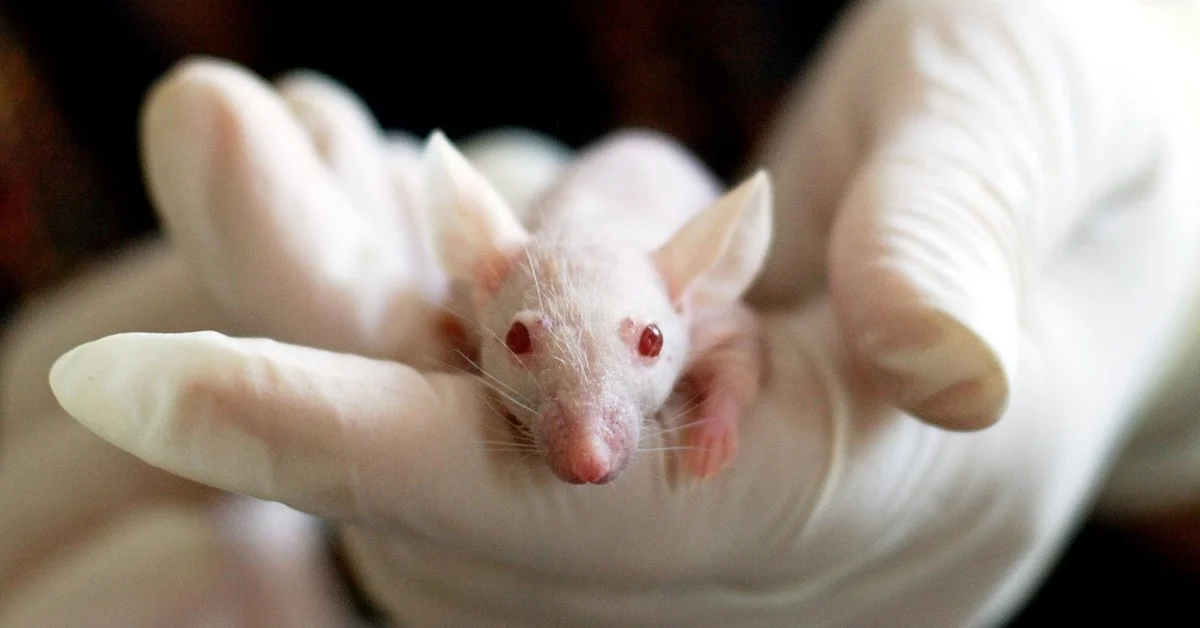
A mouse’s beautiful coat can sometimes be a window into their genetic health blueprint. Lighter-colored mice, especially albinos with pink eyes and white fur, are genetically predisposed to having poorer vision and being more sensitive to bright light. In my own colony, my white mouse Jeffery often startles more easily and seems to navigate more by whisker touch than sight. Darker agouti or black mice tend to have sturdier constitutions, but solid black coats can sometimes be linked to a higher incidence of certain tumors. Observing your mouse’s unique pigmentation is the first step in proactive care.
- Albino (White with Red/Pink Eyes): High likelihood of vision impairment and photophobia.
- Dilute Colors (Champagne, Lilac): Can be associated with a higher risk of respiratory issues.
- Brindle or Patchy Coats: Sometimes linked to complex genetic backgrounds that may include immune system variations.
- Solid Black: While often robust, some genetic lines have a noted predisposition to specific cancers.
Body Structure and Size Variations
The very shape of your mouse can give you vital clues. Extremely small or “runt” mice, while endearing, often have genetic factors that can lead to a weaker immune system and a shorter overall lifespan. I’ve cared for a few smaller mice over the years, and they often required a more watchful eye for weight loss and minor illnesses. Conversely, very large, broad-chested mice can be prone to cardiac strain and joint problems as they age, much like my older gentleman, Gregory, who now prefers low-platform climbing.
Look for these structural signs:
- A pronounced curvature of the spine (kyphosis) can indicate a congenital bone disorder.
- An unusually short or broad head can be a sign of hydrocephalus or other neurological conditions.
- Noticeable asymmetry in the body or a perpetually tilted head warrants a veterinary consultation.
Tail and Limb Abnormalities
A mouse’s tail is a masterpiece of balance, but its form can signal genetic health. A kinked, corkscrewed, or shortened tail is almost always a hereditary trait and can sometimes be linked to more serious internal spinal defects. I once had a mouse with a charming little tail kink who was otherwise healthy, but it’s a feature I always note. Watch their movement, too; a limp or an inability to grip with the front paws can suggest a neurological issue passed down through generations.
- Kinked Tails: A common dominant gene; usually benign but monitor for any changes in mobility.
- Missing or Stub Tails: Often the result of a recessive gene and can be paired with pelvic or hind limb weaknesses.
- Splayed Legs: Where the legs extend out to the sides, indicating potential muscular or skeletal genetic flaws.
Recognizing Genetic Problems in Your Mouse
Early Warning Signs
Catching a genetic issue early can dramatically improve your mouse’s quality of life. You are your mouse’s best advocate, and noticing subtle changes in their behavior or physique is your most powerful tool. Before a condition becomes a crisis, you might see slight weight fluctuations, a minor change in gait, or a new reluctance to perform a favorite activity like climbing. My curious Kenny once started hesitating before his usual acrobatic leaps, which was my first clue to a minor joint issue.
Be vigilant for these initial signals:
- Excessive, frantic scratching or over-grooming a specific spot, which can indicate neurological itching or pain.
- Wheezing or clicking sounds that aren’t linked to a sudden environmental change, pointing to a potential congenital respiratory weakness.
- A sudden, unexplained change in social dynamics, like a previously social mouse becoming withdrawn.
Age-Related Expression of Genetic Conditions
Many hereditary conditions are like time-released capsules, revealing themselves at specific life stages. What might seem like simple ‘slowing down’ in an older mouse can actually be the late-stage expression of a genetic condition that was always present. My calm Gregory developed a slight head tilt in his senior years, a common presentation for certain inner ear and neurological issues that can have a genetic component. Juvenile mice are more likely to show congenital defects, while middle-aged to senior mice often manifest conditions like tumors or organ failure linked to their lineage.
- Juvenile (Weaning to 3 months): Congenital defects like severe malocclusion (overgrown teeth) or obvious physical deformities become apparent.
- Young Adult (3-9 months): Onset of conditions like hereditary epilepsy or early-stage tumors in predisposed lines.
- Adult to Senior (9+ months): High probability for age-related genetic expressions, including widespread tumor growth, heart conditions, and kidney failure.
What You Can Do as a Mouse Owner
Choosing Healthy Mice
When you first meet potential new mice, look beyond their adorable faces and consider their genetic presentation. I always spend at least twenty minutes quietly observing a prospective mouse’s behavior and physical condition before making a choice. A healthy mouse should have bright, clear eyes free of discharge and a clean, dry nose. Their fur should be smooth and lie flat without any bald patches, and you want to see them moving with purpose and coordination, not listing to one side or dragging limbs.
Pay close attention to the entire litter and their living environment. Seeing multiple mice from the same source with similar issues, like chronic sneezing or lethargy, can be a red flag for a deeper genetic or environmental problem. I look for active, curious mice like my Kenny, who immediately showed interest in his surroundings, rather than ones that huddle fearfully in a corner. A reputable source that can tell you about the mouse’s lineage and any known health history is worth its weight in gold — unlike those unfortunate ones you get from sketchy suppliers who don’t prioritize animal welfare.
Environmental Support for Genetic Predispositions
Once your mouse is home, their habitat becomes your primary tool for managing genetic risks. Creating a low-stress, enriching environment is the single most powerful thing you can do to support a mouse with a genetic predisposition to illness. For mice prone to respiratory issues, avoid dusty bedding like pine or cedar shavings and opt for paper-based or aspen options instead. Good ventilation is non-negotiable, but keep the cage away from direct drafts. These simple husbandry steps form the foundation of a preventative mouse health guide. When combined with proper diet, gentle handling, and regular veterinary checks, they help reduce the chance that genetic risks develop into illness.
Tailor the cage setup to your mouse’s specific needs.
- For mice with potential neurological issues (e.g., circling, head tilts), keep climbing structures low to the ground to prevent dangerous falls.
- If you suspect a predisposition to obesity or diabetes, provide a large, multi-level enclosure that encourages constant movement and foraging.
- Offer a varied diet rich in high-quality lab blocks, supplemented with fresh veggies, to support overall robust health from the inside out.
My older mouse, Gregory, thrives on a steady, predictable routine, which I find minimizes stress for any mouse, but especially for those who might be genetically wired for anxiety. For detailed cage recommendations—sizes, bedding, ventilation, and enrichment—see the ultimate guide to mouse cages. Applying those guidelines will help you build a safe, low-stress home that supports Gregory and other mice with special needs.
When to Consult a Vet
Knowing when a symptom is a minor issue versus a genetic problem flaring up is a critical skill. Any sign of labored breathing, such as wheezing or chattering, warrants an immediate vet visit, as respiratory diseases can escalate with terrifying speed. Don’t adopt a “wait and see” approach with these delicate creatures; their small size means they can deteriorate in a matter of hours.
Be vigilant for these specific changes:
- Sudden or significant weight loss, even if the mouse is eating.
- Lumps or bumps that appear and grow rapidly, which could indicate a tumor.
- Changes in gait, coordination, or the development of a head tilt.
- Persistent scratching leading to open wounds, which could point to skin conditions.
Building a relationship with an exotics vet *before* an emergency arises is one of the best proactive steps you can take for your pet’s lifelong health. I found my vet by asking for recommendations from local rodent rescue groups.
The Role of Mouse Genetics in Research
What Research Tells Us About Mouse Genetics
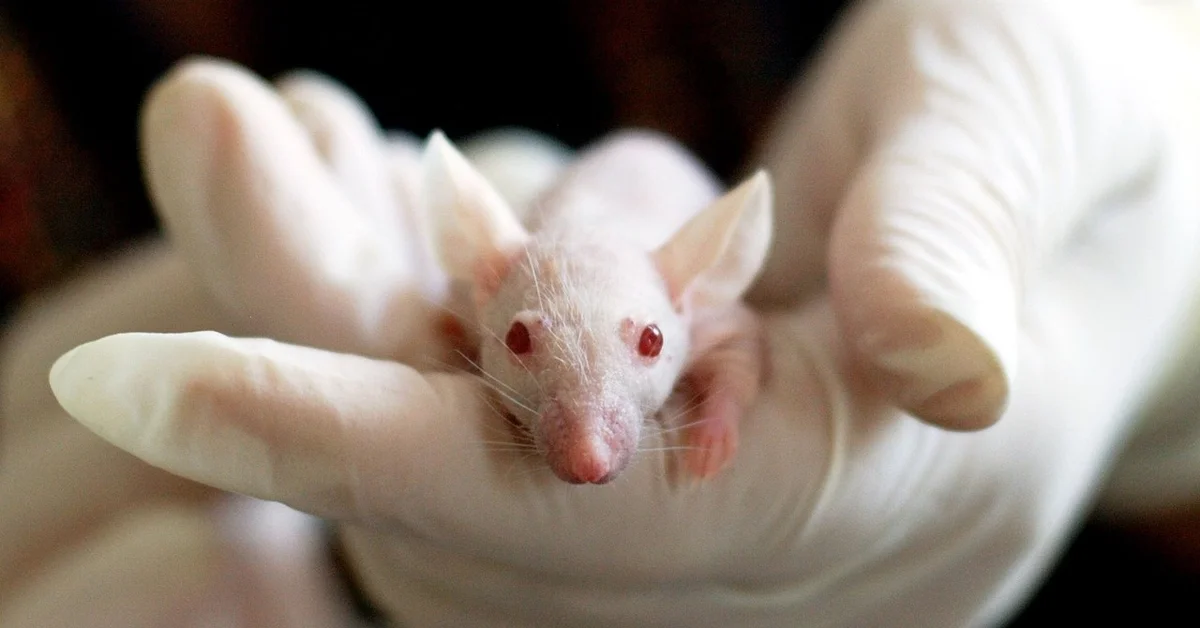
The incredible work done with laboratory mice provides a fascinating, if sometimes sobering, window into what our pet mice might face. Scientific studies have meticulously mapped how specific genes in mice are linked to diseases like cancer, heart conditions, and autoimmune disorders. Researchers use inbred strains where the genetics are nearly identical, allowing them to see how a single gene mutation can manifest as a predictable health problem across an entire population. The Mouse Genome Project has accelerated this effort by cataloging mouse genes and their functions. Because many mouse genes are conserved in humans, these findings often directly inform human disease research, drug development, and clinical diagnostics.
This research gives us a foundational understanding of disease mechanisms. We know, for instance, that certain genetic lines are profoundly predisposed to developing mammary tumors, while others have a higher incidence of malocclusion, where their teeth don’t wear down properly. This knowledge empowers you as an owner to be more observant for early signs of these known issues. The cheerful, sometimes anxious nature of my mouse Jeffery, for example, mirrors research on genetic lines selected for behavioral traits, reminding me that even personality can have a genetic component.
Limitations in Pet Mouse Genetic Knowledge
While lab research is invaluable, it’s crucial to understand its limits for the average pet owner. The genetically uniform lab mouse is a very different creature from the mixed-breed, colorful “fancy” mouse you likely have living in your habitat. Your pet’s genetic background is a complex, unknown tapestry, making it impossible to predict their health with the same certainty as a pure lab strain. Learning about fancy mouse breeds—their coats, colors, and recognized varieties—helps you decode some of that genetic complexity. That knowledge can help you anticipate breed-related health and care needs.
This lack of a genetic roadmap means we often operate on probabilities, not certainties.
- A mouse with a ruby or red-eyed dilute coat color *might* have a slightly higher chance of vision problems, but many live perfectly healthy lives.
- Mice from large-scale pet suppliers often come from colonies with a limited gene pool, which can concentrate both good and bad traits.
- Without a documented pedigree, we are essentially guessing at their genetic legacy based on physical cues and observed health.
A visual guide to mouse color genetics outcomes can help translate coat and eye colors into likely genotypes and inheritance patterns. Use it as a practical reference to make more informed guesses when pedigrees or genetic tests aren’t available.
Embrace this uncertainty by focusing on what you can control: providing an impeccable standard of care that gives every mouse, regardless of its unknown genetics, the best possible chance at a long and vibrant life.
Frequently Asked Questions
What are the genetic risk factors for heart disease?
In pet mice, genetic risk factors for heart disease often stem from inherited body structures, such as a broad chest or large size, which can predispose them to cardiac strain as they age. Certain genetic lines may also carry genes that affect heart muscle strength or blood vessel integrity, increasing susceptibility to conditions like congestive heart failure, especially when combined with poor diet or lack of exercise.
What are the genetic risk factors for anxiety?
Anxiety in mice can be influenced by hereditary traits, with some genetic backgrounds leading to heightened stress responses and skittish behaviors. For example, mice from lines bred for specific coat colors or behavioral traits may inherit a tendency toward nervousness, which can impact their overall well-being and immune function if not managed with a stable, low-stress environment.
What are the genetic risk factors for hypertension?
Hypertension in mice is often linked to genetic predispositions affecting kidney function or metabolic processes, such as those involved in salt and water balance. Mice with a family history of renal issues or diabetes may inherit genes that contribute to high blood pressure, and monitoring for related symptoms like excessive thirst or weight changes can help in early intervention.
Your Path Forward
While genetics can feel like a predetermined script, your daily care is the powerful director that shapes the final performance. By being aware of common hereditary tendencies, you shift from a reactive pet owner to a proactive guardian, spotting subtle changes before they become major concerns.
Your loving observation and consistent, high-quality care are the most potent tools you have to support your mouse’s well-being, regardless of their genetic blueprint. Focus on the joyful moments you share, knowing that your informed and watchful eye is the greatest gift you can give your tiny companion. A mouse quality-of-life framework gives practical criteria—like pain, mobility, appetite, and behavior—to help you turn those observations into clear, compassionate decisions. Use it to track changes over time and guide timely care.
Further Reading & Sources
- Genetic Disorders: What Are They, Types, Symptoms & Causes
- Genetics and Health – Genes, Behavior, and the Social Environment – NCBI Bookshelf
- Understanding genetic links to disease by mapping… | Genomics England
Isabella is a passionate small pet enthusiast with over 8 years of experience in caring for mice. She loves sharing practical tips and heartfelt stories to help fellow mouse owners provide the best care for their tiny companions.
Mice Genetics