
Muscular System: How Mice Move and Climb
Have you ever observed your pet mouse scaling a smooth surface or darting through tunnels with seemingly impossible agility? This guide breaks down the muscular mechanics behind their every leap and climb, giving you a clear picture of what makes them so nimble.
We will explore the specific muscle groups that power their running and jumping, how their unique anatomy supports vertical climbing, and practical observations to help you appreciate your mouse’s daily adventures.
How Mouse Muscles Work: The Basics You Need to Know
Watching a mouse navigate its world is a masterclass in biomechanics, a silent symphony of coordinated contractions and releases. Every leap, twitch, and delicate grip is powered by an intricate muscular system designed for survival and agility. Understanding how these muscles function helps you appreciate the physical prowess of your tiny companion and recognize when something might be amiss.
The Two Types of Muscle Fibers in Your Mouse
Your mouse’s body contains a specialized blend of muscle fibers, each with a distinct job. This mixture is the secret behind their explosive bursts of speed and their surprising endurance during long exploration sessions. These muscles work closely with the mouse’s lightweight, flexible skeleton. Bones, joints, and tendons provide the leverage and support that allow muscles to generate fast, precise movements and sustained activity.
- Fast-Twitch Fibers: These are the powerhouses for sudden, rapid movements. Think of a mouse darting away from a perceived threat or making a lightning-fast jump. Fast-twitch fibers provide the explosive strength for climbing and quick escapes but fatigue relatively quickly. My mouse Kenny relies heavily on these when he impulsively scales the side of his cage.
- Slow-Twitch Fibers: These fibers are the marathon runners. They are used for sustained, low-energy activities like maintaining posture, steady grooming, or carefully nibbling on a treat. Slow-twitch fibers are all about endurance, allowing your mouse to remain active and alert for extended periods without tiring. You’ll see my older mouse, Gregory, using these more often during his deliberate, measured explorations.
How Antagonistic Muscle Pairs Control Movement
Mice don’t have motorized limbs; every single motion is a carefully orchestrated tug-of-war. Movement is controlled by teams of muscles working in opposition, known as antagonistic pairs. When one muscle contracts (the agonist), its partner must relax (the antagonist) to allow the movement to happen.
- Biceps and Triceps: Just like in humans, these pairs control the front legs. To pull themselves up a rope, their biceps contract. To extend the leg for the next grip, the triceps take over.
- Quadriceps and Hamstrings: These powerful pairs in the back legs are the engine for propulsion. The quads extend the leg to push off the ground for a jump, while the hamstrings pull it back for the next step.
- This push-pull system is the fundamental mechanism behind every single step, twitch of the nose, and flick of the tail your mouse makes. It’s a beautiful, biological dance of precision.
What Muscles Do Mice Use to Climb and Grip?
Observing a mouse climb is witnessing a full-body workout. Their ability to scale vertical surfaces and hang from wires is a testament to their specialized muscular anatomy. From powerful shoulders to a prehensile tail, every part is engaged. Those same adaptations—lightweight bodies, fast-twitch muscles, and precise limb coordination—also explain their remarkable speed and agility. Scientists study these traits to learn why mice are so fast and maneuverable.
Front Leg Muscles: Gripping and Pulling Power
The front legs are the primary grappling hooks. A mouse doesn’t just hold on; it actively pulls its entire body weight upward.
- Deltoids and Supraspinatus: These shoulder muscles initiate the upward pull, giving the initial boost to lift the body.
- Brachialis and Biceps Brachii: These are the main flexor muscles that bend the elbow, bringing the mouse closer to the bar or mesh it’s clinging to.
- Flexor Muscles in the Forearms: These are the tiny powerhouses that control the digits and claws, creating a vice-like grip. The strength in their tiny paws is phenomenal, allowing them to support their entire body weight from a single foothold.
Back Leg Muscles: The Propulsion System
While the front legs pull, the back legs provide the powerful push. They are the launching pad for jumps and the stabilizer during a climb.
- Gluteal Muscles: Yes, mice have glutes! These muscles provide powerful extension at the hip, crucial for generating the force needed to leap between platforms.
- Quadriceps: This large group on the front of the thigh is the main extensor of the knee. It straightens the leg to push the body upward during a climb or forward during a run.
- Gastrocnemius and Soleus: These calf muscles control the ankle and provide the final “oomph” in a push-off. This powerful back-leg drive is what allows them to spring onto high ledges with apparent ease.
How Claws and Tail Muscles Support Climbing
The climb isn’t just about the limbs. Two often-overlooked features play critical supporting roles.
- Claws: Their sharp, curved claws are not just for grooming. Claws act as miniature crampons, digging into microscopic imperfections on surfaces to prevent slipping. They provide the final point of contact and security.
- Tail Muscles: The tail is far from a passive rope. It contains a complex set of muscles that allow for incredible dexterity. Your mouse uses its tail as a counterbalance during precarious climbs, much like a tightrope walker uses a pole. It can also wrap lightly around a wire or bar for an extra point of contact, providing stability and confidence mid-ascent. I often see Jeffery’s tail subtly twitching and adjusting as he carefully follows his cage mates up a new toy.
Understanding Mouse Movement Patterns and Gait
How Mice Coordinate Four Legs at Once
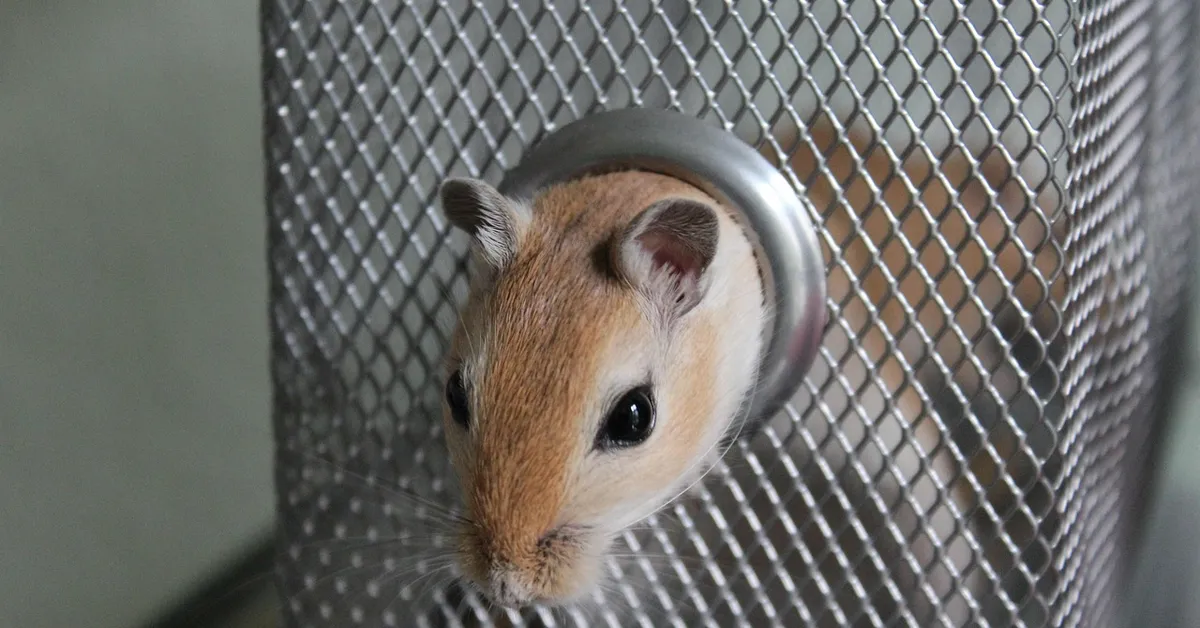
Watching a mouse navigate its world is a masterclass in quadrupedal coordination. They don’t simply walk; they employ a gait known as a diagonal-sequence walk, where the front right and rear left legs move together, followed by the front left and rear right. This creates a stable, triangular base of support at all times, preventing them from tipping over. This intricate legwork provides a stable foundation for their lightning-fast explorations and sudden changes in direction.
When they shift into a run, this coordination becomes a blur. Their gait transitions into a bounding gallop, where their powerful rear legs provide the main propulsive force. The front legs act almost like steering and braking mechanisms. This gallop is an explosive, full-body effort that showcases the incredible power packed into their tiny frames. My mouse Kenny exemplifies this, often bursting across the cage in a series of joyful, powerful leaps.
Climbing Mechanics: Vertical Movement Explained
Mice are phenomenal climbers, a skill powered by more than just their claws. Their entire muscular system works in concert for vertical travel. Climbing is a full-body workout that engages their core, legs, and even their neck muscles for stability and leverage. They use a “four-point contact” method, ensuring three limbs are always securely gripping while the fourth reaches for a new hold. That same coordination supports powerful, precise jumps and makes them fearless explorers of complex terrain. Climbing, jumping, and probing tight spaces together demonstrate the remarkable athleticism of mice.
Their sharp, curved claws provide the primary grip, but they also use their tails for remarkable balance. A mouse’s tail acts as a dynamic counterbalance and a fifth limb. You’ll often see their tail pressed against a vertical surface or wrapped lightly around a bar, providing crucial stability and preventing a backward fall. Because the tail is so important for balance and support, never pick a mouse up by its tail. Doing so can cause pain or injury and interfere with their mobility. Watching my cautious mouse Gregory climb is a lesson in deliberate, calculated movement; each placement of a paw and adjustment of his tail is a thoughtful process.
Recognizing Muscle and Mobility Problems in Your Mice
What Normal Mouse Movement Looks Like
A healthy mouse’s movement should appear fluid, confident, and purposeful. You should observe a clear, smooth gait without any hitches or limping. A normal, healthy mouse moves with a sense of intention and fluid grace, whether it’s a slow exploratory walk or a sudden, playful dash. They should be able to rear up on their hind legs to investigate with a steady posture and groom all parts of their body with ease. These cues form the core of a mouse happy behavior checklist. Use them regularly to monitor your pet’s mood and catch any problems early.
Here are key indicators of normal, healthy mobility:
- Smooth, coordinated walking and running with no visible limp.
- Ability to climb cage bars and navigate toys without slipping or falling.
- Confident hopping and jumping between platforms of reasonable height.
- Strong, steady posture when sitting up on hind legs to eat or look around.
- Effortless grooming, including reaching their back and hindquarters.
Warning Signs of Muscle or Movement Issues
Changes in your mouse’s movement are often the first and most telling sign that something is wrong. Any persistent limp, wobble, or reluctance to move is a clear signal that your mouse needs your attention and possibly a veterinarian’s care. A mouse that is suddenly grounded when it used to be an avid climber is communicating a problem. These changes can indicate pain — watch for reduced grooming, teeth grinding, a hunched posture, or altered eating and breathing. Knowing how to tell if your mouse is in pain helps you get timely veterinary care.
Be vigilant for these specific red flags:
- Visible Limping or Favoring a Limb: This could indicate a sprain, fracture, or pain.
- Dragging Hind Legs: A very serious sign that can point to a spinal injury or neurological issue.
- Head Tilt or Circling: Often associated with an inner ear infection.
- Tremors or Shaking: Can be a sign of pain, neurological distress, or extreme weakness.
- Hunched Posture: A classic sign of pain or discomfort somewhere in the body.
- Inability to Right Itself: If placed on its back, a healthy mouse will quickly flip over.
Early detection of these subtle changes can make a significant difference in managing your pet’s health and comfort. I once noticed my mouse Jeffery was less enthusiastic about climbing and seemed slightly wobbly; a prompt vet visit identified a minor vitamin deficiency that was easily corrected.
Creating Climbing Enrichment That Supports Muscle Health
Best Climbing Surfaces and Angles for Exercise
Your mouse’s habitat needs more than just a flat floor to build strong, resilient muscles. Providing a variety of climbing textures and inclines is the single most effective way to encourage natural movement and full-body conditioning. I’ve found that mixing materials keeps my boys engaged and works different muscle groups. For enrichment beyond the wheel, varied climbing surfaces provide both entertainment and challenge. Pair them with tunnels, chew toys, and foraging puzzles to keep your mice mentally and physically stimulated.
- Natural Textures: Untreated grapevine wood, cork bark, and seagrass ropes offer excellent grip. Their slightly rough surfaces force tiny paw and toe muscles to grip and adjust constantly, building dexterity and strength.
- Varied Angles: Don’t just stack everything vertically. Lean branches and ramps at 45-degree angles to create challenging ascents that are less daunting than a straight-up climb. This builds confidence along with muscle.
- Soft Landings: Always place deep, soft bedding or a plush fleece pad beneath high climbing structures. A safe landing zone encourages bold exploration, as a mouse who isn’t afraid of a fall is a mouse who will exercise more vigorously.
- Forced Detours: Instead of one long ramp, create a climbing wall that requires lateral movement. Attach small platforms, rope bridges, and ladders that force your mouse to change direction, engaging their core and improving balance.
Adapting Climbing Setup for Different Life Stages
A one-size-fits-all approach to climbing enrichment can leave some mice behind or put others at risk. Tailoring your setup to your mouse’s age and physical condition is a fundamental part of responsible ownership. I adjust the terrain for my trio constantly. This ultimate guide to mouse cages explains how to choose and adapt enclosures, accessories, and layouts to suit different ages and abilities. Use it as a roadmap for safe, stimulating setups.
- For Energetic Juveniles (like Jeffery): Young mice are fearless and need complex, multi-level setups to burn energy. Include plenty of wobbly bridges, thin ropes, and nets that challenge their coordination and rapidly developing muscles.
- For Prime Adults (like Kenny): This is the time for maximum challenge. Incorporate tall, sturdy structures like bird ladders and rock-climbing walls made from securely fastened stones. Their muscles are at their peak and can handle the most demanding workouts you can safely provide.
- For Senior Mice (like Gregory): Older mice still need to climb, but the stakes are different. Replace sheer drops with gently sloping ramps. Use wider platforms and lower overall heights. The goal shifts from building muscle to maintaining mobility and joint health without strain.
Supporting Muscle Function in Aging or Recovering Mice
Exercise and Activity Modifications
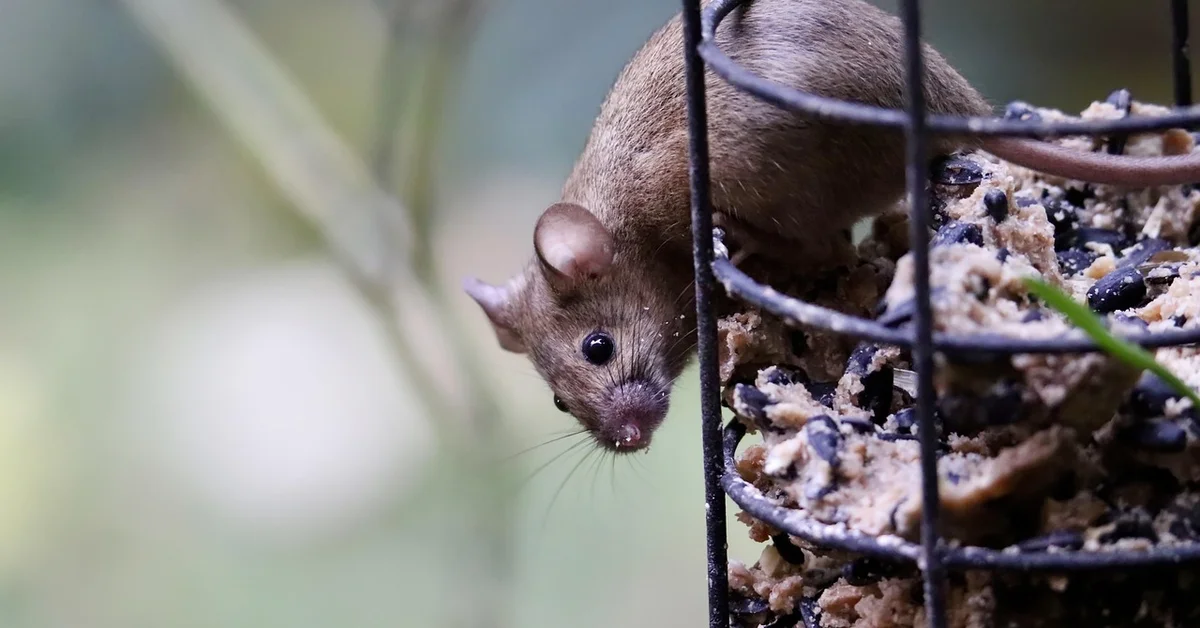
Watching a once-agile mouse slow down is a tender experience that calls for gentle adaptation. The key is to keep them moving in ways that respect their current limits while still providing mental and physical stimulation. I’ve made many small changes for Gregory as he’s gotten older. That included adjusting his cage—lowering ramps, adding softer bedding, and placing food, water, and hiding spots within easy reach. These small modifications helped him stay comfortable and engaged despite his limitations.
- Ramp Everything: Ensure access to every level of the cage via a low-incline ramp, not a ladder. Even a 20-degree slope is easier on aging joints and tired muscles than rungs.
- Create “Activity Stations”: Place food, water, and a cozy nest on different levels, but connected by these gentle ramps. This encourages light, daily movement as part of their routine, not as a separate, exhausting task.
- Focus on Floor-Time: Shift enrichment to a safe, padded play area. Scatter feeding, where you hide small bits of food in crumpled paper or a dig box, encourages foraging that uses leg and back muscles without any climbing at all.
- Passive Physical Therapy: A small, shallow dish of sand or soil can be a wonderful tool. Simply walking across this unstable surface provides mild resistance and helps maintain paw and leg strength.
When Muscle Function Declines: What to Expect
Seeing the signs of muscle aging can be worrying, but knowing what to look for helps you provide better care. Muscle loss in mice is often a gradual process, not a sudden change, and your awareness is their best defense.
- Changes in Gait: You might notice a slight wobble or a wider stance for balance. Your mouse may start to “low-ride,” keeping their belly closer to the ground as they walk, a sign of weakening back and core muscles.
- Difficulty with Grooming: A tell-tale sign is a greasy or ruffled coat, especially over the shoulders and back. When it becomes a physical struggle to twist and contort for grooming, that once-pristine fur will show the first evidence of stiffness.
- Reduced Jumping Power: A mouse who once leaped between platforms may now only attempt the shortest, safest hops. This is a conscious calculation to conserve energy and avoid a painful miscalculation.
- Increased Resting: They will sleep more and engage in vigorous play less. This is normal. Your role is to ensure their waking hours are comfortable and that they can still access all their resources without pain.
Frequently Asked Questions
Which tendons are associated with the mouse climbing muscles?
Tendons play a vital role in connecting muscles to bones, transmitting the force needed for climbing. Key tendons include the flexor tendons in the forelimbs, which allow the digits to curl and grip surfaces securely, and the Achilles tendon in the hindlimbs, which helps transfer power from the calf muscles for pushing off during ascents. These tendons work in harmony with muscles to provide the stability and strength required for your mouse to scale objects in its habitat.
Which joints are involved in mouse climbing movements?
Climbing relies on the coordinated movement of several joints, including the shoulder, elbow, hip, knee, and ankle joints. The shoulder and hip joints offer a wide range of motion for reaching and pulling, while the elbow and knee joints enable the bending and straightening needed to grip and propel the body upward. Fine adjustments in the wrist and ankle joints also contribute to balance and precision, allowing your mouse to navigate vertical or angled surfaces with ease.
How do mouse climbing muscles enable climbing on steep surfaces or mountains?
Mouse climbing muscles, such as the deltoids and quadriceps, provide the explosive power and endurance necessary for steep climbs. The blend of fast-twitch fibers allows for quick, forceful movements to grip and pull, while slow-twitch fibers support sustained effort over time, mimicking the demands of mountainous terrain. Combined with their claws for traction and tail for balance, these muscle groups equip pet mice to handle challenging inclines in enriched environments, though they are more suited to cage structures than actual mountains.
Your Journey with Agile Mice
Witnessing the fluid grace of your mouse in motion is a daily reminder of the incredible muscular engine working beneath their fur. By understanding the mechanics behind their jumps and climbs, you transform from a simple observer into an engaged interpreter of their natural behaviors. This knowledge can also help you capture these moments on video more effectively. This knowledge allows you to see the purpose in every stretch and the athleticism in every scramble up your sleeve.
Let this insight guide you in creating a habitat that celebrates their physical gifts, filled with opportunities for climbing, exploring, and exercising those powerful muscles. Providing the right environment for their natural agility is one of the most rewarding aspects of sharing your life with these captivating little athletes. Enjoy every leap and bound on this wonderful journey together.
Further Reading & Sources
- A Whole-Body Musculoskeletal Model of the Mouse – PMC
- Musculoskeletal Geometry, Muscle Architecture and Functional Specialisations of the Mouse Hindlimb – PMC
- Frontiers | A Dynamic Simulation of Musculoskeletal Function in the Mouse Hindlimb During Trotting Locomotion
Isabella is a passionate small pet enthusiast with over 8 years of experience in caring for mice. She loves sharing practical tips and heartfelt stories to help fellow mouse owners provide the best care for their tiny companions.
Mouse Biology & Anatomy