
The Digestive System: From Mouth to Cecum
Have you ever felt curious or concerned about how your body transforms the food you eat into the energy that fuels your day?
This guide will take you on a clear, easy-to-follow tour of the digestive process, explaining each stage without overwhelming you. We will trace the entire route from the mouth to the cecum, highlighting the critical functions of the esophagus, stomach, and small intestine along the way.
Understanding Your Mouse’s Digestive Anatomy
The Oral Cavity: Where Digestion Begins
Your mouse’s mouth is a bustling workshop, not just for eating but for initial food processing. Their sharp, continuously growing incisors are perfect for gnawing through hard seeds and pellets, an action that also keeps the teeth from overgrowing. I always provide a variety of textures, from crunchy kibble to softer vegetables, to support this natural filing process and prevent dental issues. Saliva mixes with the food, starting the breakdown of simple carbohydrates even before the meal travels further.
The Pharynx and Esophagus: The Transport Pathway
Once chewed, the food bolus makes a quick, one-way trip. The pharynx, or throat, serves as a busy intersection for both food and air, ensuring each goes down the correct pipe. From there, the esophagus uses rhythmic muscle contractions, called peristalsis, to push the food downward. A mouse’s esophagus is surprisingly muscular, designed to move food efficiently from mouth to stomach in a matter of seconds. This is why providing small, manageable pieces is vital to prevent any dangerous blockages in this narrow tube.
The Stomach: Breaking Down Food
Think of your mouse’s stomach as a small, acidic mixing chamber. It secretes powerful gastric juices that begin unraveling proteins and fats. The stomach’s walls churn the food, creating a semi-liquid substance called chyme. Because a mouse’s stomach is relatively small, they are natural grazers, designed to eat many small meals throughout the day and night. I’ve noticed my mouse, Kenny, becomes restless and tries to hoard food if he doesn’t have constant access, a clear sign of his instinct to keep this process running smoothly.
The Small Intestine: The Absorption Powerhouse
This is where the real magic happens. The small intestine is a long, coiled tube where the vast majority of nutrient absorption occurs. Its inner surface is covered in microscopic, finger-like projections called villi, which dramatically increase the surface area for soaking up vitamins, minerals, and simple sugars. The health of these villi is directly linked to the quality of your mouse’s diet, making a balanced, high-quality food non-negotiable. Bile and pancreatic enzymes enter here to finalize the breakdown of fats, proteins, and carbohydrates into usable fuel for your tiny friend.
The Cecum: Your Mouse’s Fermentation Chamber
At the junction of the small and large intestines sits the cecum, a large, pouch-like organ that acts as a dedicated fermentation vat. This is where fibrous plant materials, which are tough to digest, are broken down by a community of specialized microbes. The cecum is the reason your mouse produces two distinct types of droppings: hard, solid waste and soft, nutrient-rich cecotropes that they re-ingest directly from the anus. This process, called coprophagy, is a completely normal and vital behavior that allows them to fully absorb the B vitamins and other nutrients manufactured by their gut bacteria.
The Complete Digestion Process: Following Food Through Your Mouse
Let’s trace the entire incredible journey a sunflower seed takes inside your pet.
- Ingestion and Mastication: Your mouse uses its nimble paws to hold the seed, cracking the shell with its incisors and grinding the inner kernel with its molars.
- The Swift Descent: The mashed seed is formed into a bolus, swallowed, and propelled down the esophagus by powerful muscular waves.
- Acidic Bath and Churning: In the stomach, the seed mash is drenched in acidic juices and mechanically churned for up to several hours, breaking it down further.
- Nutrient Harvest: The resulting liquid chyme is slowly released into the small intestine, where enzymes dismantle it and the villi absorb the liberated nutrients into the bloodstream.
- Fiber Fermentation: Any indigestible fiber and complex carbohydrates move into the cecum, where bacteria ferment them over a longer period.
- Re-ingestion and Final Processing: The mouse consumes the soft, nutrient-packed cecotropes produced from fermentation, sending them back through the digestive system for a second, more efficient absorption of vitamins. The remaining waste is formed into the familiar hard, dry fecal pellets you find in the cage.
Observing your mouse’s eating habits and droppings provides a real-time window into the efficiency of this entire, beautifully complex system. A sudden change is often the first sign that something in this delicate process is amiss. One common behavior to watch for is hoarding—mice often hide food (mice often hide food) in nests or caches. Noting when and why they do this (instinctive caching, perceived shortage, stress, or illness) can help you interpret those early warning signs.
What Healthy Mouse Digestion Looks Like
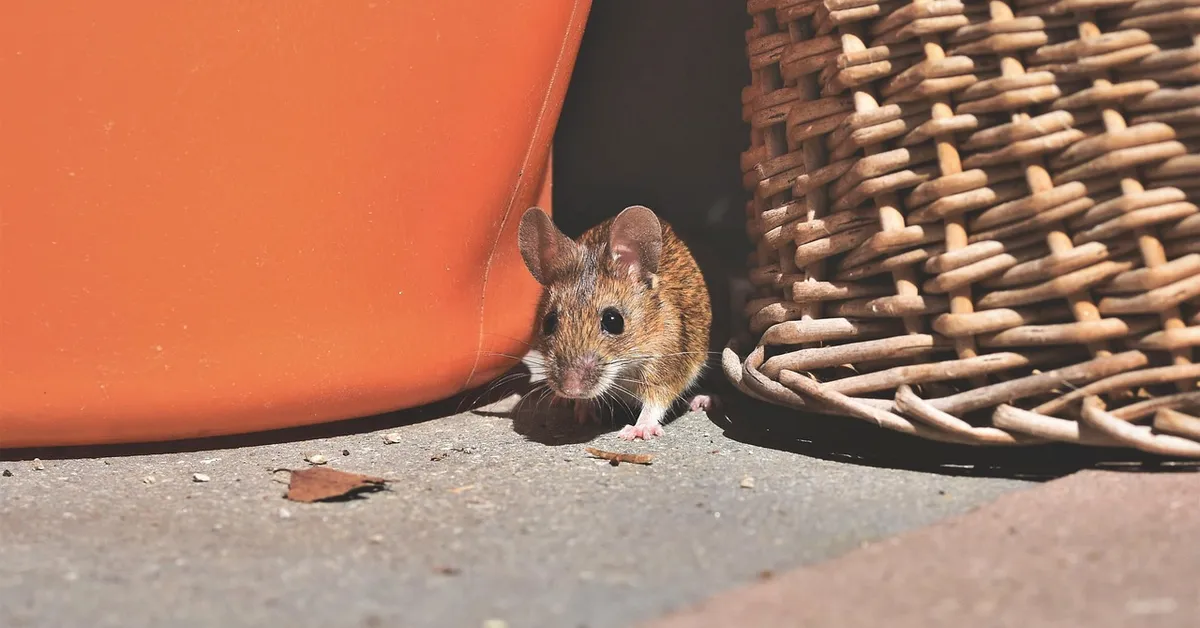
Observing your mouse’s daily habits provides the clearest window into their digestive wellness. A mouse with a happy gut is active, curious, and maintains a consistent weight, with digestion working as a quiet, efficient engine in the background. You’ll notice regular, well-formed droppings that are dark brown, firm, and slightly oval, not too dry and not too soft. This is quite different from the signs you would see with wet tail or diarrhea in mice, which indicate digestive distress.
Their appetite will be steady and enthusiastic. My mouse Kenny, for instance, always has a predictable pattern: he eats, grooms, and then gets the zoomies, a sure sign his system is processing everything smoothly. You should see your mouse eating multiple small meals throughout their active hours, not gorging in one sitting or ignoring their food altogether.
- Consistent, dark brown, solid droppings in their habitat.
- Steady body weight without dramatic fluctuations.
- Normal energy levels for their personality and age.
- A clean, dry bottom with no staining or stuck bedding.
- Regular, audible gnawing on hard foods or chews.
Supporting Your Mouse’s Digestive Health Through Diet
A thoughtfully planned diet is the most powerful tool you have for nurturing your mouse’s internal ecosystem. Think of their meals as building a resilient community inside their gut, where the right foods encourage beneficial microbes to thrive. I’ve found that a varied, high-quality lab block as a staple, supplemented with fresh goodies, creates the perfect balance for my trio. Over time, those dietary choices shape more than digestion—they influence long-term health, vitality, and disease resistance. Consistent good nutrition can help prevent common problems and support a longer, healthier life for your mice.
Foods That Support Gut Microbiota Balance
The tiny organisms in your mouse’s cecum are hard workers, and they need the right fuel to do their job. Prebiotic fibers are non-digestible components that act like fertilizer, helping the good gut bacteria multiply and strengthen. These are found in many simple vegetables and grains.
I always wash and thoroughly dry any fresh food to remove pesticides, and I offer tiny, mouse-sized portions to prevent digestive upset. Introduce any new food in a pea-sized amount and watch for any changes in their droppings over the next 24 hours. My cautious mouse Gregory is my barometer; if he accepts a new food, I know it’s likely a safe bet.
- Excellent Prebiotic Choices: Dandelion greens, chicory root, a tiny flake of plain oats, a small piece of peeled apple.
- Fermented Treats (in minute amounts): A dab of plain, unsweetened yogurt or a piece of sourdough bread crust.
- Fiber-Rich Supports: Cooked and cooled pumpkin, steamed broccoli florets, a single pea.
- What to Limit: High-sugar fruits like grapes and bananas can disrupt the microbial balance if given too often.
Managing Dental Health for Proper Mastication
Digestion truly begins in the mouth, and for a mouse, those ever-growing incisors are the first step. Without proper gnawing, teeth can become overgrown, making it painful to chew and breaking the entire digestive chain. I check my mice’s teeth weekly during handling, looking for the classic orange color and even alignment. I also provide safe chew materials—untreated wood, cardboard, or commercial chew blocks—to help naturally wear their incisors.
My impulsive mouse Kenny once had a minor tooth issue that made him hesitant to eat his hard blocks. Providing a constant supply of safe, hard chewing materials is not a luxury; it is a non-negotiable part of their digestive health regimen. It keeps their teeth filed down and ensures they can properly grind their food into a digestible pulp.
- Always provide a high-quality lab block or pellet that requires gnawing.
- Offer untreated wooden chews, apple wood sticks, or pumice stones.
- Include harder foods in their diet, like an occasional raw sunflower seed (in the shell) or a piece of nut.
- Monitor their eating habits. A mouse that is “pocketing” soft food or dropping hard food may be experiencing dental pain.
Recognizing When Digestion Goes Wrong
Common Digestive Issues in Pet Mice
A healthy mouse is a busy, bustling creature, and their digestive system is a non-stop operation. Observing your mouse’s daily habits is the single most effective way to spot early signs of digestive trouble. A sudden change in energy or appetite is often the first clue that something is amiss internally. Simple at-home checks—like monitoring droppings, appetite, and grooming—make it easy to assess digestive health. Catching changes early lets you seek veterinary care before problems worsen.
Here are some specific digestive problems I’ve encountered over the years:
- Diarrhea (Wet Tail): This is a serious condition. You’ll notice a wet, matted tail area and a foul smell. The mouse will appear lethargic and hunched. It requires immediate veterinary intervention.
- Constipation: A constipated mouse may strain in a corner with little result, have a hard abdomen, and produce small, dry droppings. I find a tiny drop of olive oil or a sliver of high-water-content vegetable like cucumber can sometimes help.
- Bloat: A visibly swollen, tight abdomen is a sign of bloat, often from gas buildup. The mouse will be in clear discomfort and refuse food. This can be caused by eating the wrong foods too quickly.
- Loss of Appetite: A mouse that turns its nose up at a favorite sunflower seed is sending a major distress signal. This can be linked to dental issues, which start the digestive process, or internal discomfort.
Watch their output as closely as their input. Healthy mouse droppings are firm, dark, and oval-shaped. Any deviation—like soft, misshapen, or discolored pellets—is a note in your mental health logbook. My mouse Jeffery once had slightly greenish droppings after a berry binge, a reminder that even harmless treats can temporarily alter their system. It’s occasions like these when you need to know how to identify and manage concerning mouse droppings.
Practical Care Tips for Digestive Wellness
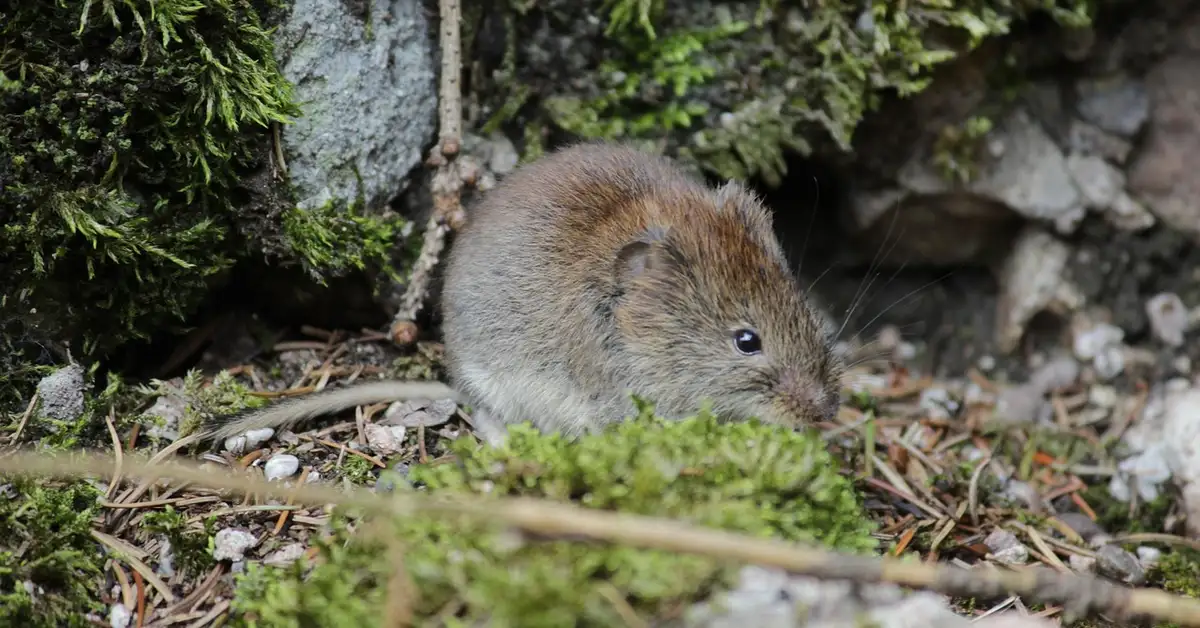
Supporting your mouse’s digestion is about creating a consistent, stress-free routine with the right fuel. A stable environment is just as crucial for gut health as a proper diet. Sudden changes in their home or schedule can cause digestive upsets, much like they can in people. Keeping an eye on your mouse’s droppings is one of the easiest ways to spot those upsets early. This guide explains common poop changes and when to seek care.
Focus on these daily practices for a happy digestive tract:
- Provide a High-Quality Lab Block: This should be the staple of their diet. Lab blocks are scientifically formulated to provide balanced nutrition and encourage the gnawing that keeps their ever-growing teeth in check.
- Offer Fresh Water Daily: Hydration is non-negotiable. Use a drip-free water bottle to keep their water clean and ensure it flows easily. Dehydration quickly leads to constipation.
- Introduce Fresh Foods Slowly: When giving veggies like broccoli or a bit of apple, start with a piece the size of their paw. A sudden influx of new fiber can shock their system.
- Limit High-Fat/Sugar Treats: Seeds and nuts are for training and bonding, not for filling their food dish. Too many can lead to obesity and digestive slowdown.
- Ensure Ample Exercise: A wheel and things to climb promote physical movement, which in turn stimulates healthy gut motility. A sedentary mouse is more prone to digestive issues.
When to Seek Veterinary Care
While many minor issues can resolve with careful home care, some symptoms are red flags demanding professional expertise. Trust your instincts—you know your mouse’s normal behavior better than anyone. If something feels off, it probably is. To tell if your mouse is in pain, watch for changes like reduced appetite, decreased grooming, hunched posture, limping, teeth grinding, or unusual vocalizations. If you notice any of these, seek veterinary advice.
You should contact an exotic vet immediately if you observe any of the following:
- No interest in food or water for more than 12 hours.
- Visible signs of pain, like hunching, squinting, or reluctance to move.
- Prolonged diarrhea or any blood in the droppings.
- A bloated, hard abdomen that doesn’t resolve within a few hours.
- Lethargy so profound the mouse doesn’t retreat when you approach.
Time is of the essence with small animals. Their metabolisms are so fast that a minor problem can become critical in a matter of hours. Having the contact information for an exotic vet saved in your phone is one of the most responsible steps you can take as a pet owner. My calm mouse Gregory once became unusually still, and that quick call made all the difference.
Frequently Asked Questions
How can a labeled diagram of the digestive system aid in understanding my mouse’s anatomy?
A labeled diagram provides a clear visual map of your mouse’s digestive tract, helping you identify key structures like the esophagus, stomach, small intestine, and cecum without relying solely on text descriptions. This can make it easier to grasp the spatial relationships between organs, such as how the cecum connects to the intestines, which is crucial for recognizing normal anatomy versus potential issues during health checks.
For pet owners, referring to a well-labeled diagram from reliable sources, such as veterinary guides or reputable pet care websites, can enhance your ability to discuss concerns with a vet and better understand dietary impacts on specific areas. It serves as a quick reference to complement the article’s explanations, ensuring you can visualize the journey food takes inside your mouse.
Is there a quiz available to test my knowledge of mouse digestive system anatomy?
Quizzes are excellent tools for reinforcing your understanding of mouse digestive anatomy, allowing you to assess your grasp of terms like “villi” or “cecum” after reading the article. You can find pre-made quizzes on educational platforms or create your own using flashcards to focus on areas like organ functions and locations, which helps in retaining information for practical pet care.
By testing yourself, you can identify gaps in knowledge, such as confusing the roles of the stomach versus the small intestine, and revisit the article sections as needed. This active recall strengthens your ability to monitor your mouse’s health, as a solid foundation in anatomy makes it easier to spot deviations from normal digestion.
What are the benefits of using a model to learn about a mouse’s digestive system anatomy?
Using a physical or digital model offers a hands-on way to explore the intricate layout of a mouse’s digestive system, making abstract concepts like the coiled small intestine or pouch-like cecum more tangible. Models often highlight scale and connections between organs, which can deepen your appreciation for how diet affects each part, from mastication in the mouth to fermentation in the cecum.
For mouse owners, models available from science suppliers or online repositories can aid in educating yourself and others, such as during vet visits or when explaining care routines. This visual and tactile approach complements the article by providing a 3D perspective, helping you better understand how to support your pet’s digestive health through informed choices.
Your Journey with Mouse Digestion
Grasping the fundamentals of your mouse’s digestive tract, from the first nibble to the work of the cecum, is one of the most empowering things you can do for their well-being. This knowledge transforms you from a simple observer into an active partner in their health, allowing you to make informed choices about their diet and habitat that directly support their unique biological needs. To put that knowledge into practice, this deep dive review of mouse food examines ingredient quality, nutrient balance, and suitability for different life stages. We’ll compare commercial diets and homemade options so you can choose the best fit for your mouse.
By paying close attention to their eating habits and what they leave behind, you become fluent in the subtle language of their health. This journey of understanding deepens the incredible bond you share, ensuring your tiny companion thrives from the inside out.
Further Reading & Sources
- Your Digestive System & How it Works – NIDDK
- Anatomy Lecture Notes Section 5: The Digestive System
- Physiology, Large Intestine – StatPearls – NCBI Bookshelf
Isabella is a passionate small pet enthusiast with over 8 years of experience in caring for mice. She loves sharing practical tips and heartfelt stories to help fellow mouse owners provide the best care for their tiny companions.
Mouse Biology & Anatomy