
How to Perform a Weekly At-Home Health Check on Your Mouse
Do you ever glance at your mouse and wonder if they’re truly feeling their best, or worry that you might miss subtle signs of discomfort? I’ve been there with my own mice, and this guide will give you a straightforward, reliable way to monitor their health every week, putting those concerns to rest.
You’ll learn how to systematically examine their eyes, ears, fur, body condition, and daily habits, transforming uncertainty into confident care.
Why Weekly Health Monitoring Matters for Your Pet Mouse
Mice are masters of disguise when it comes to illness; in the wild, showing weakness makes them a target. This deeply ingrained instinct means your pet mouse will often hide symptoms until a condition is quite advanced. A weekly check-up is your best defense, allowing you to catch subtle changes long before they become emergencies.
Think of it like a regular car oil change-it’s a small, consistent investment that prevents catastrophic engine failure down the road. Establishing this routine builds a baseline of what is normal for your unique mouse, making any deviation instantly noticeable. I’ve found that my mouse Gregory, for instance, has a very particular way of moving that would be my first clue something was off.
This proactive approach is about more than just physical health. Your weekly session is a dedicated time for bonding, building trust, and showing your mouse they are safe in your care. That peace of mind is priceless for both of you.
What You Need for an At-Home Mouse Health Check
You don’t need a veterinary degree, just a few simple items gathered in one place. Having everything ready before you bring your mouse out creates a calm, efficient process that minimizes stress. A startled, wiggly mouse is hard to examine properly, especially during their first vet visit.
- A small, secure playpen or a towel-lined bathtub (with the drain closed!) to serve as a safe examination area.
- A digital kitchen scale that measures in grams for precise weight tracking.
- A small, clean container to place on the scale so your mouse feels secure.
- A bright but gentle light source, like a small book light or a lamp you can direct.
- A few high-value treats-sunflower seeds or a crumb of aged cheese work wonders for rewarding calm behavior.
- A notepad or a notes app on your phone to record weights and any observations.
Setting Up Your Health Check Routine
Consistency is the secret ingredient for a successful health check. I perform my checks on Sunday evenings, a quiet time when my mice, like Kenny, are typically active but not at their most frantic. Choose a time that works for your schedule and your mice’s natural rhythms.
- Wash your hands thoroughly with unscented soap. Your mouse navigates the world through smell, and strong perfumes or food scents can be overwhelming.
- Set up your playpen or designated area on a stable surface, placing all your supplies within easy reach.
- Gently coax your mouse into a small transport cup or your hands and bring them to the area. Speak to them in a soft, reassuring voice throughout.
- Begin with the least invasive steps, like offering a treat and observing their general demeanor, before moving on to weight and a gentle physical inspection.
- Always end the session on a positive note with another small treat and plenty of praise before returning them to their clean habitat.
This predictable routine teaches your mouse that handling leads to good things, transforming a potential stressor into a neutral or even pleasant experience. My anxious mouse Jeffery now stays much calmer because he knows the drill and trusts the outcome.
Body Condition and Weight Monitoring
What Your Mouse’s Body Should Feel Like
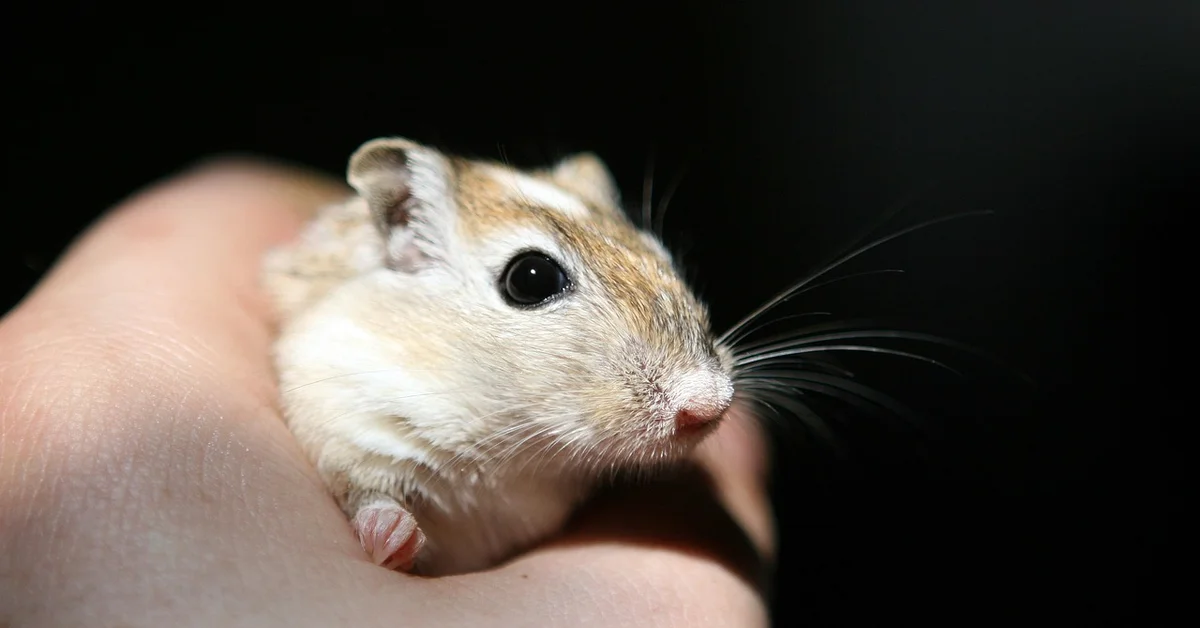
When you gently pick up your mouse, their body should feel firm and substantial, not bony or overly soft. A healthy mouse has a smooth, rounded contour when viewed from above, with no sharp hip bones or a pinched-in waist. You should be able to feel their ribs with a very light press, but they shouldn’t be prominent or sticking out.
I perform a quick check by letting my mouse walk onto my hand and then gently closing my fingers around their body. My mouse Gregory feels solid and well-muscled, a testament to his steady eating habits. Consistency is more important than a single measurement; you’re learning what ‘normal’ feels like for your unique pet. A sudden change, even if they still seem a healthy weight, can be the first clue something is amiss.
- Ideal: Smooth, torpedo-like shape; ribs palpable under a thin fat layer.
- Underweight: Sharp, prominent hips and spine; a clearly visible waist.
- Overweight: A round, bulging belly; difficulty feeling ribs at all.
Coat and Skin Condition Assessment
Common Skin Issues to Watch For
Run a finger gently against the lay of your mouse’s fur. It should part smoothly to reveal clean, pink skin underneath. A pristine coat is glossy, lies flat, and is completely free of bald patches, scabs, or flakes. Pay special attention to areas like the face, neck, and rump, where problems often start.
My young mouse Jeffery once had a small patch of flaky skin behind his ear that I spotted during a weekly check. Regular handling not only builds trust but turns your observant eyes into a powerful diagnostic tool for early skin problems. Catching issues like mites or fungal infections early makes treatment much simpler and less stressful for your tiny friend.
- Mites: Intense scratching, scabs (especially on the neck and shoulders), and a rough, unkempt coat.
- Fungal Infection: Circular patches of hair loss with flaky, sometimes reddened skin.
- Barbering: Strange, neat lines of hair loss, often caused by a cage-mate over-grooming them.
- Allergies/Irritation: Red skin on the feet or belly, potentially from bedding material.
Eye, Ear, and Nose Inspection
Recognizing Respiratory Warning Signs
Your mouse’s eyes should be bright, wide open, and completely clear, with no cloudiness, discharge, or swelling. Their ears need to be clean inside and out, and their nose must be dry. Any moisture around the nostrils, or a red-brown crust called porphyrin, is a major red flag that demands immediate attention.
Mice are masters at hiding illness, so subtle signs are everything. I once noticed my adventurous Kenny was just a little less active and had a faint, almost silent clicking sound when he breathed. Listening closely to your mouse’s breathing when they are calm and resting can reveal the faint clicking or wheezing that signals a respiratory infection. These infections are common and can escalate quickly, so this part of the check is non-negotiable.
- Healthy Signs: Bright, black, beady eyes; clean pink ears; dry nose.
- Sick Signs: Squinting, cloudy eyes; head tilting (ear infection); red discharge from nose or eyes; hunched posture while breathing.
- Critical Signs: Loud, labored breathing; gasping for air; excessive porphyrin staining around the eyes and nose.
Dental and Mouth Examination
A mouse’s teeth never stop growing, making a weekly mouth check a non-negotiable part of your routine. Gently hold your mouse and look for teeth that are even, straight, and a healthy yellow-orange color, not stark white. Misaligned teeth, known as malocclusion, can prevent a mouse from eating properly.
Offer a variety of approved chewing materials like wooden blocks or crunchy treats. I always listen for the sound of their chewing; a consistent, rhythmic crunch means their jaw is working correctly and their teeth are meeting as they should. Providing safe chew options—untreated wood blocks, cardboard, or mineral chews—helps keep their teeth worn to the right length. Pay attention to which materials they prefer and replace chews when they become small or sharp. A mouse that is drooling, has food stuck in its fur, or is suddenly picky with food might be telling you something is wrong in its mouth.
Behavior and Activity Level Observation
Your mouse’s daily habits are a living report card on its wellbeing. Take mental notes each week on their normal rhythms of sleeping, exploring, and interacting with cage mates. A sudden, drastic shift is often the very first sign of an underlying health issue. Make a habit of quick at-home health checks—observe appetite, grooming, weight, breathing, and movement. Regular home checks help you spot problems early and decide when to contact a vet.
A previously social mouse that starts hiding constantly, or a once-playful explorer who becomes lethargic, needs your attention. I pay close attention to changes in grooming; a messy, unkempt coat can signal that a mouse isn’t feeling well enough for its usual meticulous cleaning. Changes in appetite or water consumption are also major red flags that warrant a closer look. When it comes to grooming, know when to be concerned.
Understanding Pain Signals in Mice
Mice are masters at hiding discomfort, a survival instinct from their wild ancestors. You must become a detective for subtle clues. Look for a hunched posture with a puffed-up coat, as this is a classic sign of pain or feeling unwell. They may also squint their eyes or seem reluctant to move. Learn how to tell if your mouse is in pain.
Notice if your mouse is grinding its teeth loudly, a behavior called bruxism, which can indicate distress. Any vocalization you don’t normally hear, like frequent squeaking when handled or moving, is a clear communication that something hurts (Understand what different mouse squeaks and sounds mean). A mouse that flinches or pulls away from a gentle touch in a specific area is pointing you directly to the source of its pain.
Checking Feet, Nails, and Preventing Pododermatitis
Those tiny feet carry your mouse through its entire world, so they deserve a careful look each week. Gently examine the bottoms of the feet for any redness, swelling, or open sores, which are signs of pododermatitis, or bumblefoot or ulcerative pododermatitis. This condition can become serious very quickly if left untreated. In mice this is often called bumblefoot or ulcerative pododermatitis and can be triggered by rough bedding, wire floors, or excess weight. Early detection and prompt veterinary care help prevent complications.
Prevention is always the best medicine. I ensure my mice have a deep layer of soft, absorbent bedding to cushion their feet and to keep their environment dry and clean. For long-term health, I use the best dust-free beddings available—paper-based or kiln-dried aspen are good choices—to reduce respiratory risks. Wire cage floors should be avoided entirely or covered with a solid surface.
- Keep bedding clean and dry to minimize ammonia exposure from urine.
- Provide a varied terrain with solid surfaces, not just soft bedding.
- Check for and trim any overly long nails that could curl and cause problems.
- Remove any rough or sharp objects from the habitat that could cause small cuts.
Fecal and Urinary Health Inspection
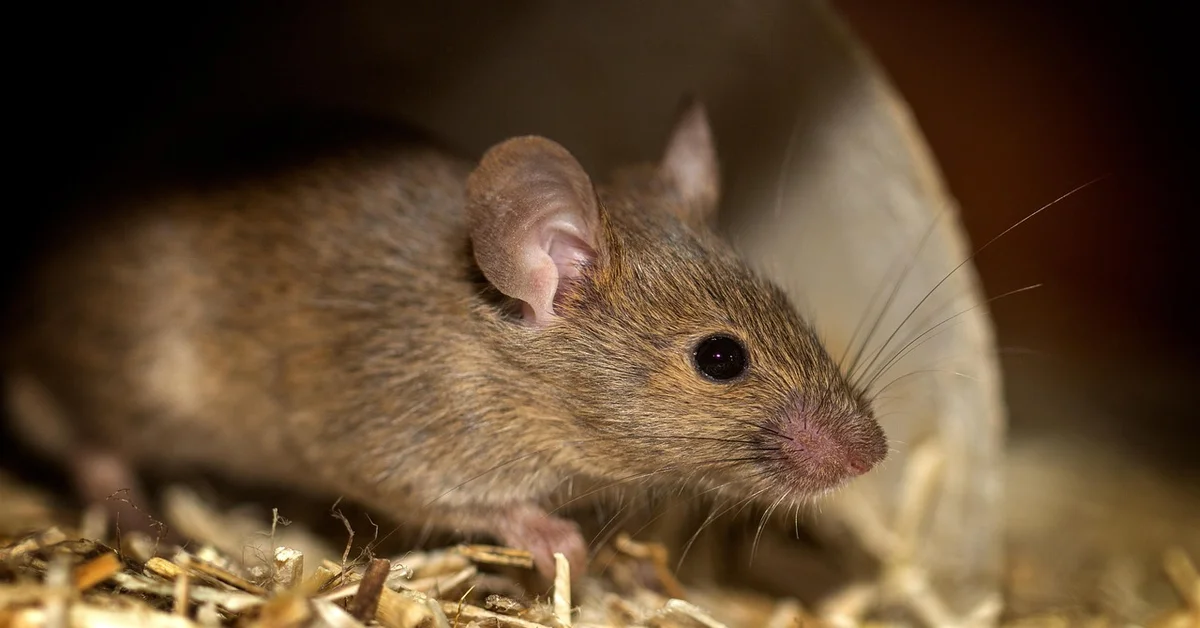
Your mouse’s waste is a direct window into their internal health, and a quick daily glance can alert you to problems long before they become serious. Healthy droppings should be firm, dark, and oval-shaped, resembling tiny, consistent grains of rice. I keep a mental note of what’s normal for each of my boys, as Jeffrey’s can be slightly smaller than Kenny’s, for instance.
Be on the lookout for any of these changes, which warrant a closer watch or a vet visit:
- Soft, sticky, or watery droppings (diarrhea)
- Very small, dry, or crumbly feces
- A complete absence of droppings for several hours
- Droppings strung together with fur or mucus
- Any visible blood
Urine inspection is just as vital. Use a white paper towel to blot fresh urine spots; this makes color changes dramatically easier to see. Normal mouse urine can range from a pale, almost clear yellow to a deeper amber, often leaving a chalky white residue when dry from their high-calcium diet.
- Red or pink-tinged urine is an immediate red flag for blood.
- Urine that is consistently dark brown or overly cloudy can indicate dehydration or infection.
- A noticeable increase in the total volume of urine can point to other health issues.
Hydration Assessment Techniques
Mice are tiny creatures, and even mild dehydration can impact them severely. Since they can’t tell you they’re thirsty, you need to become a detective. The most reliable method I use is the “skin tent” test, which checks their skin’s elasticity. Gently pinch and lift the skin over their shoulders, then release.
- Hold your mouse securely but calmly in one hand.
- Using your thumb and forefinger, gently pinch a fold of skin on the back of their neck or shoulders.
- Release the skin immediately.
- Well-hydrated skin will snap back into place instantly. Skin that retracts slowly or remains tented is a clear sign of dehydration.
Beyond the skin test, incorporate these daily observational checks into your routine:
- Monitor their water bottle levels closely to ensure they are drinking a normal amount each day. A sudden drop or increase in consumption is noteworthy.
- Check for sunken or dull-looking eyes, which can lose their bright, shiny appearance when a mouse is dehydrated.
- Feel the warmth of their ears and paws; dehydration can sometimes cause them to feel cool to the touch.
- Offer water-rich treats like a slice of cucumber or a bit of watermelon to encourage fluid intake, especially during warmer weather.
My older mouse, Gregory, is less active about drinking, so I make a point of watching him extra closely during our weekly checks. Staying proactive about hydration is one of the simplest yet most powerful things you can do for your mouse’s long-term wellness.
Step-by-Step Weekly Health Check Process
Setting aside just ten minutes each week can make a world of difference for your mouse’s wellbeing. Consistency is your greatest tool for catching small issues before they become big problems. I always do my checks on Sunday evenings, when things are quiet and my mice are typically active and curious about my presence.
Creating Your Personal Health Check Checklist
Before you begin, gather your supplies in one place. Having everything ready makes the process smoother and less stressful for both you and your mouse. I keep a small box with these items near their habitat.
- A small, clean towel or fleece square to provide a secure surface
- A pair of small, blunt-tipped scissors (for any potential fur trimming, though rarely needed)
- A digital kitchen scale that measures in grams
- A small dish of a super high-value treat, like a piece of plain cooked pasta or a sunflower seed
- A notepad or a notes app on your phone to record weights and observations
- A small flashlight or your phone’s light
Start by offering a treat and letting your mouse wander onto the towel. This initial interaction sets the tone, so keep your movements slow and your voice calm. I’ve found my mouse Jeffery responds much better if I hum softly while I work.
- Weight and Posture: Gently encourage your mouse into a small container or onto the scale. Record the weight. A sudden drop of even a few grams can be significant. Observe their posture as they move; a hunched back is a red flag.
- Fur and Skin: Part the fur with your fingers, looking closely at the skin. You’re checking for any flakiness, redness, or bald patches. The fur should be smooth and lie flat, not spiky or ruffled.
- Eyes, Nose, and Ears: The eyes should be bright, black, and fully open with no crust or discharge. The nose should be clean and dry, not runny or making whistling sounds. Ears need to be examined for any scabs or mites, which look like tiny moving specks.
- Teeth and Mouth: It can be tricky to see, but watch for any drooling or wetness around the chin, which can indicate dental problems. You can sometimes see the orange front incisors if they yawn or take a treat.
- Movement and Breathing: Watch them walk across the towel. Their movement should be fluid, not limping or wobbly. Listen closely to their breathing; it should be silent, not raspy or clicking.
Emergency Signs That Need Immediate Vet Referral
While weekly checks are for monitoring, some symptoms demand instant action. Trust your gut-if something feels seriously wrong, it’s always better to be safe and seek professional help. Mice are experts at hiding illness, so when signs are visible, they are often quite advanced.
- Visible bleeding from any part of the body or blood in the urine
- Lethargy so profound the mouse does not move when gently touched or offered a favorite food
- Loud, labored, or clicking breathing sounds
- A significant, bloated, or hard abdomen
- Inability to use one or more limbs, dragging back legs, or rolling to one side
- Prolonged squinting of one or both eyes, often with discharge
- Seizures, violent shaking, or spinning in circles
How to Transport Your Mouse to the Veterinarian
A trip to the vet is stressful, but good preparation keeps your mouse safer. The goal is to create a small, secure, and familiar environment for the journey. I have a specific “go-bag” ready for my trio, Kenny, Gregory, and Jeffery, so I’m never scrambling in a panic. I keep a mice travel pack with a secure carrier, cozy bedding, food, water, and a familiar toy to help them feel calm. Having it ready makes trips much smoother for all of us.
- Use a small, secure carrier. A well-ventilated plastic critter carrier or even a small, sturdy cardboard box with air holes punched in the lid works perfectly.
- Line the bottom with a soft, familiar-smelling bedding or a piece of fleece from their cage. This provides comfort and traction.
- Place a small handful of their regular food and a slice of cucumber or apple for hydration. Avoid water bottles that will leak.
- Keep the carrier in the passenger footwell of your car, not on the seat. This area is more stable and less drafty.
- Speak to your mouse in a calm, reassuring voice during the drive. They may not understand the words, but they understand the tone.
Call the veterinary clinic while you are on your way to alert them you are coming with an emergency. A prepared clinic can make the intake process faster and less stressful for your fragile friend.
Frequently Asked Questions
What is a mouse health checker and how can it assist in monitoring my pet’s health?
A mouse health checker refers to any tool, app, or systematic approach that helps you track and assess your pet mouse’s wellbeing over time. Using a dedicated health checker, such as a mobile app with logging features or a printable checklist, can streamline your weekly routine by organizing weight records, behavior notes, and symptom tracking in one place. This makes it easier to identify patterns or subtle changes that might signal health issues, allowing for quicker intervention and better communication with your veterinarian.
Is it possible to conduct a mouse health check online, and what are the limitations?
Yes, you can find online resources like video tutorials, virtual vet consultations, or digital guides to support your at-home health checks. These can provide visual references for normal vs. abnormal signs and offer advice on common issues. However, online checks have limitations-they cannot replace hands-on physical exams or diagnose conditions that require direct observation, such as feeling for body condition or listening to breathing sounds, so always use them as a supplement to, not a replacement for, professional veterinary care.
How can I tell if my mouse is working properly in terms of its daily functions?
To check if your mouse is functioning properly, observe its core daily activities like eating, drinking, moving, and interacting with its environment. A healthy mouse will show consistent interest in food and water, engage in normal exploration and play, and maintain regular grooming habits without signs of strain or avoidance. If you notice abrupt changes, such as lethargy, reluctance to move, or disruptions in routine behaviors, it could indicate an underlying issue that needs further investigation through your weekly health check or a vet visit.
Your Weekly Wellness Ritual
By making this health check a consistent part of your week, you transform from a simple owner into a true guardian for your tiny companion. This routine builds a powerful bond of trust and gives you immense peace of mind, knowing you are actively safeguarding their well-being.
Your attentive eyes are your mouse’s first and best line of defense, and this simple ritual empowers you to catch potential issues early. Trust your instincts-you know your mouse better than anyone, and your dedicated care makes all the difference in their happy, healthy life.
Further Reading & Sources
- 3 Ways to Spot Common Signs of Illness in Mice – wikiHow Pet
- Routine Health Care of Mice – All Other Pets – MSD Veterinary Manual
- Mouse Health Monitoring | Charles River Laboratories
Isabella is a passionate small pet enthusiast with over 8 years of experience in caring for mice. She loves sharing practical tips and heartfelt stories to help fellow mouse owners provide the best care for their tiny companions.
Preventive Care