
Are Supplements or Vitamins Necessary for Pet Mice?
Have you ever wondered if your tiny companions need extra vitamins to stay vibrant and active? Drawing from years of caring for mice, I’ll guide you through the science and practicalities to ease your concerns and offer straightforward advice.
This article will break down the essentials, covering the role of a balanced diet, specific situations where supplements might help, and how to spot nutritional gaps. We’ll examine the benefits and risks of added vitamins, compare different feeding approaches, and share tips for maintaining optimal health without unnecessary extras.
When Pet Mice Don’t Need Extra Vitamins
What a Complete Mouse Diet Actually Looks Like
The foundation of a healthy mouse diet is a high-quality commercial lab block or pellet. These blocks are scientifically formulated to be nutritionally complete, providing the perfect balance of protein, fiber, vitamins, and minerals your mouse needs to thrive. Think of them as the main course that covers all the basics.
My own mice, like the ever-curious Kenny, get their primary nutrition from these blocks. I’ve found that sticking to a reputable brand ensures they receive consistent, balanced nutrition without me having to play chemist with powders and drops. A good lab block should be the bulk of what you see in their food dish every day—especially when compared to some of the mixed and lower-quality mouse foods out there that can’t seem to keep mice satisfied.
How Fresh Foods Fill Nutritional Gaps
Beyond the dry block, fresh foods act as delightful and beneficial supplements. Offering small amounts of fresh vegetables and occasional fruits introduces live enzymes, variety, and hydration that dry food alone can’t provide. This is where you can get creative and watch your mice enjoy different textures and tastes.
I love giving my older mouse, Gregory, a tiny piece of broccoli; he methodically nibbles it down, and it seems to give him a boost. These fresh items are not just treats-they are functional additions that support overall wellness and provide mental stimulation. A little bit of spinach, a sliver of apple, or a single pea can make a world of difference in their daily routine.
Signs Your Mouse Might Need Nutritional Support
Physical Indicators of Nutrient Deficiency
Your mouse’s body will often tell you what it needs if you know what to look for. Keep a watchful eye for these physical changes: You can perform many of these simple checks at home—observing coat condition, breathing, activity, and appetite—to monitor health. Doing regular at‑home checks helps you spot issues early and decide when to seek veterinary care.
- A dull, rough, or patchy coat instead of a sleek, shiny one.
- Lethargy or a noticeable lack of energy during their normally active hours.
- Unexpected weight loss or a feeling of boniness when you gently hold them.
- Squinty eyes or a general look of being unwell.
A healthy mouse should have bright eyes, a soft coat, and enough energy for nightly explorations. If you notice a persistent change in their physical condition, it’s a clear signal that their current diet may be lacking. Consider how diet impacts your mouse’s long-term health to make informed adjustments.
Behavioral Changes That Signal Poor Nutrition
Just like us, when mice don’t feel well, it shows in their behavior. Be alert to these subtle shifts:
- A sudden lack of interest in toys, wheels, or exploring their cage.
- Changes in social dynamics, like increased irritability or hiding from cage mates.
- Over-grooming or, conversely, a decline in self-cleaning habits.
- Hoarding less food or showing less enthusiasm at mealtime.
My little Jeffery, for instance, becomes noticeably more withdrawn and less playful if he’s not feeling his best. Any major shift in your mouse’s normal, cheerful routine is a clue that something is off, and nutrition is a great place to start your investigation.
Life Stages When Supplements May Help
Growing Mice and Calcium Requirements
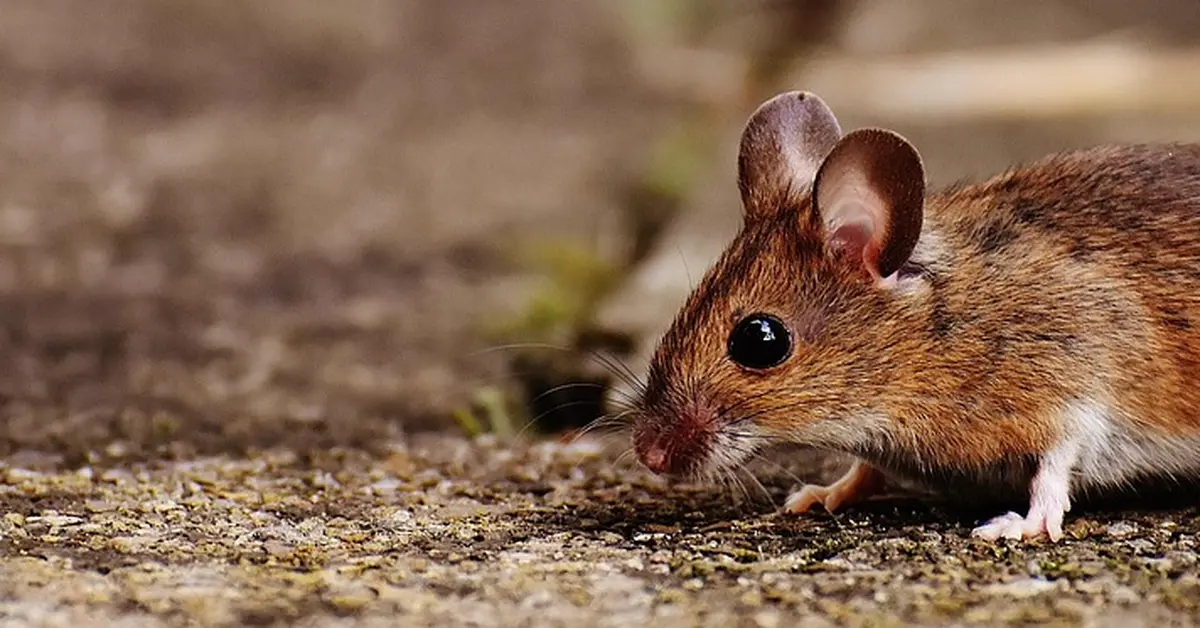
Watching a young mouse grow is a delightful experience, but their rapidly developing bodies have specific nutritional needs. During growth spurts, a mouse’s skeleton is literally being built from scratch, making calcium a non-negotiable part of their diet. I’ve noticed with my own young mouse, Kenny, that his energetic explorations put extra demand on his bones and muscles. A deficiency during this phase can lead to lifelong issues. You can support this natural process by ensuring their primary lab block or pellet is high-quality and considering a tiny, occasional sprinkle of a calcium supplement specifically designed for small pets over their regular food.
Pregnant and Nursing Mice Nutritional Demands
The physical toll of creating and feeding a litter is immense for a mouse. A mother mouse is not just eating for two; she is manufacturing complete nutrition for an entire family, which dramatically increases her need for protein and energy. Her body will pull calcium from her own bones to produce milk if her diet is lacking. While I always recommend consulting a vet for specific advice, providing a slightly higher-protein diet and ensuring constant access to a nutritionally complete base food is the best support you can offer during this demanding time, especially considering the nutritional needs of special cases like pregnant and nursing mice.
Supporting Senior Mice Health
As mice enter their golden years, their metabolism and bodily functions slow down, much like our own. An older mouse like my Gregory often benefits from supportive care that addresses age-related wear and tear, particularly on their joints and digestive system. You might notice they are less active or have a slightly less glossy coat. Their nutritional focus shifts from rapid growth to maintenance and comfort. Gentle support for their aging bodies can make a significant difference in their quality of life, helping them remain comfortable and engaged.
Safe Supplements and Vitamins for Mice
Vitamin D and Calcium Supplementation
These two nutrients work as a powerful team in your mouse’s body. Calcium is essential for strong bones, but without sufficient Vitamin D, your mouse cannot properly absorb it, rendering the calcium ineffective. Many high-quality commercial diets are already fortified with the right balance. If you’re considering extra supplementation, look for products made for small animals. A simple and safe method I’ve used is offering a tiny, occasional piece of cuttlebone for them to gnaw on, which provides both a dental workout and a natural source of calcium.
Probiotics for Digestive Health
A healthy gut is the cornerstone of a healthy mouse. Introducing beneficial bacteria through probiotics can be especially helpful after a course of antibiotics, during times of stress, or for older mice with slower digestion. These good bugs help maintain a balanced intestinal environment, which supports nutrient absorption and overall well-being. You can find probiotic powders designed for small pets, or offer a tiny speck of plain, unsweetened yogurt as a occasional treat, which many mice find delicious.
Omega-3 Fatty Acids for Coat Condition
If you want your mouse to have a gloriously soft and shiny coat, look to Omega-3s. These healthy fats do more than just improve the look of their fur; they also support skin health and provide anti-inflammatory benefits. My mouse Jeffery, who used to have a slightly dull coat, now sports a much softer, brighter white after I introduced a miniscule amount of flaxseed into his diet. You can offer a tiny pinch of crushed flaxseed or a drop of flaxseed oil mixed into their regular food once or twice a week for a noticeable improvement.
Risks of Over-Supplementation in Mice
Fat-Soluble Vitamin Toxicity
Unlike water-soluble vitamins that the body can flush out, fat-soluble vitamins are stored in the body’s tissues. Vitamins A, D, E, and K can accumulate to toxic levels if given in excess, leading to serious health complications and even organ damage. The danger lies in thinking that ‘more is better,’ when with these specific vitamins, balance is everything. This is a primary reason why a well-formulated base diet is so critical-it’s designed to prevent these dangerous imbalances from occurring in the first place.
Mineral Imbalances and Health Problems
Minerals need to exist in a delicate harmony within your mouse’s body. Dosing one mineral, like calcium, without regard for its relationship with others, such as phosphorus, can create a cascade of health issues, including the formation of painful bladder stones. Their tiny bodies are finely tuned systems, and throwing off that balance is surprisingly easy. Always remember that supplements are meant to complement a solid foundation, not replace it. When in doubt, less is almost always more when it comes to supplementing your tiny friend’s diet.
How to Properly Give Supplements to Mice
Calculating Safe Dosages for Small Animals
Giving supplements to a creature as small as a mouse requires a delicate touch and precise measurement. A single extra drop can be the difference between a helpful boost and a harmful overdose for their tiny bodies. I always use a 1ml oral syringe for any liquid supplements, as it allows for the most accurate measurement down to 0.01ml. For my mice, I calculate dosages based on their individual weight, which I check weekly using a small digital kitchen scale.
- Follow Weight-Based Guidelines: Dosages are often listed per gram of body weight. An average adult mouse weighs between 25-40 grams, so a dose for a 30-gram mouse would be significantly smaller than for a 50-gram rat.
- Dilution is Your Friend: If a dose is minuscule, I dilute the supplement with a small amount of distilled water or unflavored pediatric electrolyte solution to make measuring easier and safer.
- Human Supplements Are a Hard No: The concentration in human-grade vitamins is far too high and often contains additives that are unsafe for mice. Always use products formulated specifically for small pets.
- Less is Always More: When in doubt, I err on the side of a slightly lower dose. It’s much safer to provide a marginal benefit than to risk toxicity.
Methods for Getting Mice to Take Supplements
Mice can be surprisingly picky, and trying to force-feed them can damage the trust you’ve worked hard to build. The goal is to make the supplement-taking process a positive, or at least neutral, experience for your skittish friend. My method depends entirely on the mouse’s personality; my bold Kenny will investigate anything, while my cautious Gregory needs a more gentle approach. Target training — a gentle, reward-based technique — is an excellent way to teach mice to approach a target and calmly accept supplements. Below is a step-by-step target training guide for mice, with tips for different personalities.
Here are the techniques that have worked best in my experience:
- The Favorite Food Vehicle: I mix liquid supplements into a tiny, pea-sized amount of a favorite wet food. Baby food (like pureed squash or chicken), unsweetened applesauce, or a bit of soaked lab block paste are perfect for this.
- Precise Hand-Feeding: For a mouse who is comfortable being handled, I put the tiny dose on the end of a toothpick or a clean paintbrush and let them lick it off. This ensures they get the entire dose.
- Water Soluble Solutions: Some powdered supplements can be dissolved in their water bottle. This only works if you are certain they will drink the entire bottle within 24 hours, after which it should be replaced with fresh water to prevent bacterial growth.
- The Distraction Technique: I offer a small, high-value treat like a sunflower seed with one hand while gently administering the supplement with the other from a syringe. The treat distracts them from the unusual process.
What Veterinarians Say About Mouse Supplementation

When to Consult a Vet About Nutrition
While we can do our best as owners, some situations absolutely require a professional opinion. Your first step before starting any supplement regimen should always be a conversation with a qualified exotic veterinarian. They can perform a physical exam and may even recommend specific tests to identify any true deficiencies. From my own vet visits, I’ve learned there are clear signs that warrant a professional consultation.
- Noticeable Physical Changes: This includes a dull, rough coat, hair loss, flaky skin, or overgrown teeth, which can sometimes indicate a nutritional issue.
- Changes in Energy or Behavior: A usually active mouse becoming lethargic, or a friendly mouse becoming withdrawn, can be a red flag.
- Recovery from Illness or Surgery: A vet may prescribe specific supplements to support the immune system and healing process during this vulnerable time.
- Feeding a Homemade Diet: If you are not using a commercially available, nutritionally complete lab block, a vet can help you ensure the diet is balanced.
- The Presence of Young or Pregnant Mice: Their nutritional demands are much higher and more specific, making professional guidance critical.
Questions to Ask Your Exotic Animal Veterinarian
Walking into a vet appointment can be overwhelming, so I always go in with a prepared list of questions. Being an active participant in your mouse’s healthcare helps you become a better advocate for their wellbeing. A good exotic vet will welcome your curiosity and provide clear, understandable answers. For your mouse’s first vet visit, expect a gentle hands-on exam, weight check, and questions about diet, housing, and behavior. Bring your list of concerns and any notes on recent changes so the vet can address them.
Here are the questions I have found most valuable to ask:
- Based on my mouse’s age, health history, and current diet, are there any specific supplements you would recommend?
- What brand and dosage of that supplement do you trust for a mouse of this size?
- What are the specific signs of improvement I should look for to know the supplement is working?
- Conversely, what are the potential side effects or signs of an adverse reaction I need to watch for?
- How long should my mouse be on this supplement? Is it a short-term course or a lifelong addition?
- Could the symptoms I’m seeing be caused by something other than a nutritional deficiency?
Frequently Asked Questions
What do Reddit users recommend for pet mice supplements?
On Reddit communities like r/PetMice, users often share experiences with supplements, commonly suggesting options like small amounts of flaxseed for Omega-3s or probiotic powders designed for small pets. They emphasize using these only if a mouse shows signs of deficiency, such as a dull coat or digestive issues, and always alongside a balanced lab block diet to avoid over-supplementation.
Many Reddit contributors advise consulting a vet before starting any supplement, as individual needs vary. They also highlight the importance of sourcing products specifically for small animals and sharing personal anecdotes about what worked for their mice, like using cuttlebone for calcium or plain yogurt for probiotics.
Where can I find reviews of pet mice supplements?
You can find reliable reviews on specialized pet care websites, such as those focused on small animals or exotic pets, as well as in online forums like MiceCentral or Reddit’s r/PetMice. These platforms often feature user-generated feedback on brand effectiveness, safety, and palatability for mice, especially when it comes to store-bought treats.
Additionally, checking e-commerce sites like Amazon or Chewy for customer ratings and detailed experiences can help, but always cross-reference with expert sources to ensure the information is accurate and not influenced by marketing.
Are supplements formulated for pet mice safe or appropriate for cats?
No, supplements made for pet mice are not safe or appropriate for cats due to significant differences in nutritional requirements and metabolism. Mice supplements are tailored for tiny bodies with specific vitamin and mineral ratios that could be harmful or ineffective for cats, potentially leading to toxicity or deficiencies.
Cats have distinct dietary needs, such as higher taurine levels, so it’s essential to use only cat-specific products recommended by a veterinarian. Always keep supplements species-specific to avoid health risks.
Your Path Forward
A high-quality commercial lab block forms the complete nutritional foundation your mouse needs to thrive. In most situations, this robust base diet eliminates any requirement for additional vitamins or supplements. Your focus is best placed on providing variety through healthy, fresh treats rather than seeking out bottled solutions. That makes it useful to compare lab blocks with seed mixes, since mixes can be imbalanced or overly calorie-dense. A deep dive into seed mixes vs lab blocks will clarify the nutritional trade-offs and help you choose the best long-term diet for your mouse.
Your most valuable tool is your own attentive observation of your mouse’s daily habits and physical condition. Watch for subtle changes in energy, coat quality, and appetite, as these are the true indicators of their well-being. A brief weekly home health check—quickly inspecting weight, eyes, nose, teeth, skin, and mobility—helps you catch issues early. Keep the check gentle and consistent so your mouse stays calm and accustomed to handling. Trust your knowledge of your pet, and always consult an exotics veterinarian before introducing any new supplement to their regimen. My own mouse, Gregory, has maintained excellent health for years on this simple, mindful approach.
Further Reading & Sources
- What to Feed Pet Mice: Nutritional Guidelines – LittleGrabbies
- The Best Nutrition and Diet for Pet Mice |
- Mouse Food | Chewy
Isabella is a passionate small pet enthusiast with over 8 years of experience in caring for mice. She loves sharing practical tips and heartfelt stories to help fellow mouse owners provide the best care for their tiny companions.
Diet Basics