
Learned Helplessness in Pet Mice: The Impact of Barren Environments
Have you ever watched your mouse stop trying to reach a treat or explore a new toy, even when it’s within easy reach? That lingering sense of helplessness can be heartbreaking for any caring owner.
As a longtime mouse enthusiast with companions like Kenny and Jeffery, I’ve seen how environment shapes behavior firsthand. This guide will help you spot the subtle signs of learned helplessness, explain why a barren setup fuels this state, and offer clear, practical ways to build a vibrant home that encourages curiosity and confidence.
What Learned Helplessness Means for Your Pet Mice
The Science Behind Behavioral Despair in Mice
Learned helplessness describes a psychological state where an animal, after repeated exposure to inescapable stress, simply gives up trying. This isn’t a character flaw; it’s a profound neurological shift where the brain learns that effort is futile. In laboratory settings, scientists observe this when mice stop attempting to escape mild stressors, even when an escape route becomes available.
The brain chemistry involved is very real. Chronic, unavoidable stress depletes key neurotransmitters like serotonin and dopamine. These chemical messengers are vital for motivation, mood regulation, and the feeling of reward. When their levels drop, the drive to explore, play, or solve problems dwindles significantly.
You might see this in your own cage as a general lack of interest. A mouse that once eagerly tackled a new puzzle toy might now just sniff it and walk away. This apathy is the clearest sign that their environment is failing to support their mental well-being. From a psychological standpoint, play and interaction with toys are essential ways mice explore, learn, and stay mentally stimulated. Introducing varied, interactive toys can often rekindle curiosity and improve their welfare.
How Research Models Differ from Your Pet’s Reality
It’s vital to understand that the intense laboratory models for this condition are not what you are recreating at home. Researchers induce a state of despair to study depression and anxiety treatments, a necessary but severe process. Your pet mouse is not subjected to electric shocks or forced swimming tests. That said, pet mice can still feel fear and anxiety in everyday situations. You can help a scared mouse with gentle handling, safe hiding places, and a calm, predictable routine.
For a pet mouse, the trigger is far more subtle but just as impactful over time. Your mouse’s “inescapable stress” is a life of relentless monotony and sensory deprivation. The lack of control over their environment—nowhere interesting to go, nothing challenging to do—creates that same core feeling of helplessness. You can learn to spot specific signs—changes in activity, grooming, posture, and social behavior—that indicate chronic stress. Refer to the visual behavioral guide on signs of stress in mice to see what to look for and how to respond.
I’ve noticed this with my own mice. My curious, light-gray fellow, Kenny, will relentlessly test every corner of a new setup. But in a temporary, bare quarantine tank, that brilliant spark of curiosity dims within days, replaced by a listless pacing I now recognize as a search for meaning. Your goal is to provide a life where their actions consistently have positive outcomes.
Why Barren Cages Trigger Helplessness in Mice
What Your Mouse Experiences in an Unstimulating Space
A barren cage is not just boring; it’s a place that actively teaches your mouse that nothing they do matters. Imagine a world where every day is exactly the same, with no surprises, no challenges, and no choices to make. This lack of environmental complexity directly stifles their natural instincts to forage, explore, and hide.
Their daily experience becomes one of profound limitation. Here is what a mouse in a simple cage with only a food bowl and a water bottle is missing: One important example is how they access water. Using a bottle versus a bowl changes drinking behavior and opportunities for natural actions.
- Foraging Frustration: Their most fundamental instinct is to work for food. A bowl of always-available kibble removes this entire purpose-driven activity from their lives.
- Exploration Deficit: Mice are hardwired to map their territory. A flat, open space with no landmarks or tunnels to investigate offers no cognitive cartography.
- Security Anxiety: Without multiple hiding spots and burrowing materials, a mouse feels perpetually exposed and vulnerable, a constant low-grade stress.
- Physical Stagnation: No opportunities to climb, dig, or balance means their bodies weaken and their minds disengage from their physical space.
My older mouse, Gregory, is a calm fellow, but his entire demeanor shifts when his favorite cork log is removed for cleaning. He becomes visibly more anxious and withdrawn until his complex landscape is restored, showing how deeply security is tied to a stimulating environment. A barren cage doesn’t just fail to provide entertainment; it fails to provide a sense of safety and agency.
Recognizing the Warning Signs in Your Mice
Physical and Behavioral Changes to Watch For
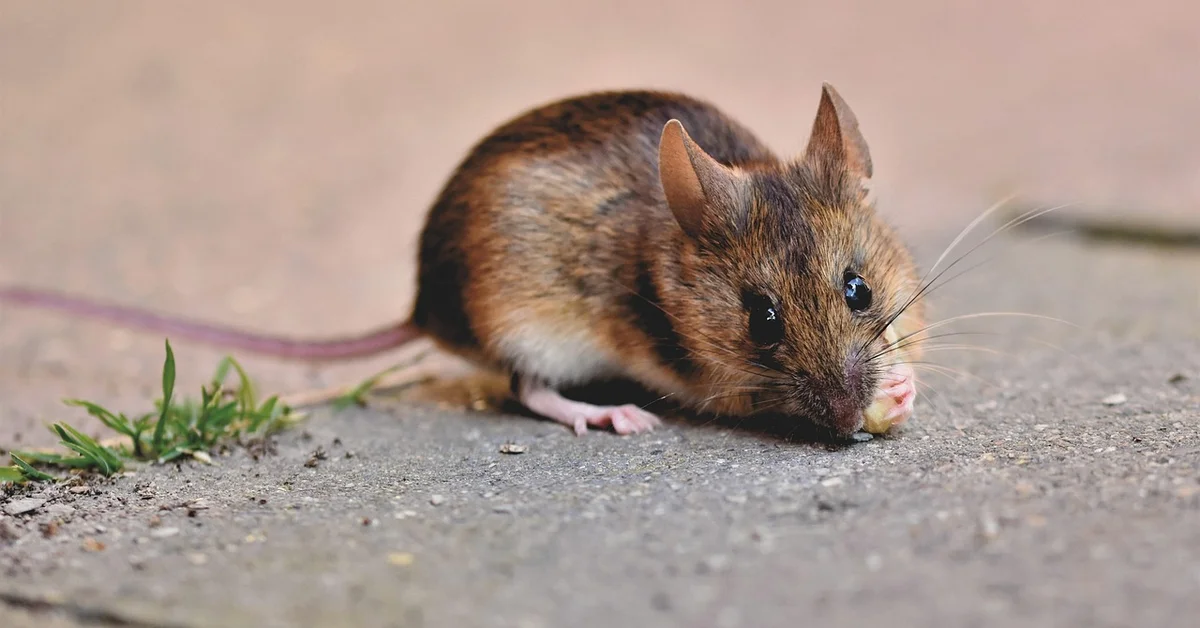
Your mouse won’t use words to tell you they’re struggling, but their body and actions speak volumes if you know how to listen. Observing a shift from a curious, active creature to a passive resident is the most telling sign that their environment is failing them.
- Behavioral Shifts: A previously adventurous mouse, like my Kenny, might stop exploring new objects placed in the cage. You may see a dramatic increase in sleeping hours, even during their normally active dawn and dusk periods. Repetitive, pointless behaviors like barbering (over-grooming themselves or cage mates) or pacing the same path are strong indicators of mental distress.
- Social Changes: A mouse suffering from learned helplessness often withdraws from social interactions. They may stop grooming their friends, huddle alone in a corner instead of the group nest, or show no interest in playful tussling.
- Physical Symptoms: Look for a generally unkempt appearance, as a loss of motivation can extend to self-care. You might notice weight loss from a lack of interest in food, or conversely, weight gain from sheer inactivity. Their eyes may lose their characteristic bright, shiny curiosity.
Early detection of these subtle cues is your greatest tool for preventing a full decline into apathy. My older mouse, Gregory, once went through a phase of inactivity that worried me; it was his way of showing me his world had become too predictable.
How Environmental Enrichment Reverses Helplessness
The beautiful thing about mouse intelligence is its plasticity. A thoughtfully enriched cage doesn’t just add fun—it actively rebuilds neural pathways associated with choice and control. It promotes synaptic growth and even neurogenesis in areas such as the hippocampus, supporting learning and memory. That’s why enrichment is crucial for maintaining a healthy, resilient mouse brain. When a mouse successfully solves a puzzle to get a treat or chooses which hideout to nap in, it reinforces their ability to influence their own world, directly countering the feelings of helplessness.
Essential Cage Upgrades That Restore Motivation
Transforming a barren enclosure into a stimulating habitat focuses on providing opportunities for natural behaviors. Your goal is to create a landscape full of decisions, encouraging your mouse to think, explore, and act.
- Multi-Level Living: Use shelves, ropes, bridges, and ramps to maximize vertical space. Climbing is a fantastic physical and mental workout.
- Substrate for Burrowing: Provide a deep layer of safe bedding like aspen shavings or paper strips. Digging and constructing tunnels is an instinctual behavior that builds confidence.
- Clutter is Good: Fill the floor space with a variety of hides-clay pots, cardboard boxes, and commercial plastic hides. This allows them to choose their resting spot based on mood, temperature, or perceived safety.
- Foraging Opportunities: Never feed all their food in a single bowl. Scatter it throughout the bedding or use puzzle feeders that require manipulation.
DIY Enrichment Ideas on Any Budget
You don’t need a big budget to create a rich environment. Some of the most effective enrichment comes from repurposed household items that spark curiosity and problem-solving.
- Toilet Paper Tube Treasures: Stuff these with hay and a few treats. Your mice will spend happy hours shredding them to get to the prize.
- Cardboard Castle: Use non-toxic glue to stack and connect small cardboard boxes into a multi-room mansion. Cut multiple entrance and exit holes to prevent trapping.
- Digging Box: Fill a shallow, sturdy container with organic soil or coconut fiber. Bury some of their favorite snacks, like a piece of walnut, and watch them become determined little excavators.
- Fabric Forest: Cut strips of untreated, dye-free fabric or fleece and tie them to the cage top, creating a dense, shreddable jungle gym.
I’ve found that my most anxious mouse, Jeffery, gains immense confidence from destroying a carefully crafted cardboard puzzle; it’s a small victory that seems to brighten his entire day.
Rotating Toys and Novelty for Continued Engagement
A permanent setup, no matter how great, will eventually become mundane. The key to long-term mental wellness is a dynamic environment that regularly presents new, solvable challenges.
- The Rotation Schedule: Keep a box of extra toys and hides. Every few days, swap out a few items from the cage with ones from the box. The “new” old items will often be investigated as if they were brand new.
- Novelty Scents: Introduce new, safe scents by rubbing a toy with a piece of fresh basil or cilantro before putting it in, or by placing a pine cone from a pesticide-free area inside for a short period.
- Rearrange the Layout: When you do a full cage clean, put the furniture back in a completely different arrangement. This turns their familiar home into a new territory to map out, which is highly stimulating.
This constant, gentle change prevents habituation and ensures your mice remain active participants in their daily lives, not just passive observers.
Daily Care Practices That Prevent Helplessness
Preventing learned helplessness isn’t about one grand gesture; it’s about the small, consistent choices you make every single day. Your daily routine builds the foundation for a mouse who feels capable and in control of his world. A life filled with predictable care and enriching surprises is the perfect antidote to a barren existence.
Social Interactions and Companion Housing
Mice are profoundly social creatures, and their mental well-being is deeply tied to their companions. Housing a mouse alone is one of the fastest routes to depression and helplessness, as they have no one to groom, play with, or learn from. I’ve seen my trio—Kenny, Gregory, and Jeffery—navigate life as a unit, and their dynamic is a perfect example of social support in action. To help owners make informed choices, I put together a single mouse vs group social needs guide outlining when companionship is essential and how to meet a mouse’s social needs. It will help you weigh the pros and cons of solitary housing versus group living.
- Always House in Groups: A lone mouse is a vulnerable mouse. Keep at least two or three females or a neutered male with females. Male groups can work with immense space and careful, slow introductions from a very young age.
- Provide Multiple Resources: To prevent bullying and ensure everyone feels secure, offer more than one of everything. I always have two water bottles, three food bowls scattered around, and several sleeping huts.
- Observe Their Roles: In my cage, Gregory, the older male, often acts as a calm mentor to the impulsive Kenny, while Jeffery gains confidence by following their lead. Understanding these natural roles helps you spot if one mouse is being excluded or is becoming withdrawn.
- Interactive Playtime: Your presence is part of their social world. Spend time near the cage talking softly. Use a feather or a popsicle stick for them to chase during out-of-cage exploration in a secure playpen.
Creating Predictability with Choice
A predictable routine makes a mouse feel safe, but true empowerment comes from giving him choices within that routine. The goal is to build a life where your mouse can make meaningful decisions, reinforcing his ability to influence his own outcomes. This is the direct opposite of the powerless feeling that defines learned helplessness.
Start with a consistent schedule for the big things. Feed them at roughly the same times each day. Turn their light on and off on a cycle. This reliable framework tells their nervous system that the world is a stable, non-threatening place. Within that structure, you then introduce elements of choice.
- Foraging Over Bowls: Instead of only using a food bowl, hide their daily ration of lab blocks and healthy treats throughout the cage. Scatter it in bedding, stuff it in toilet paper tubes, or use a puzzle ball. This transforms a passive act into an active, rewarding hunt.
- Multi-Exit Hideouts: Choose sleeping huts and hides with at least two entrances/exits. A single-entry hide can feel like a trap if a more dominant cage-mate blocks the door. Multiple exits give them an escape route and a sense of control.
- Variable Pathways: Rearrange the connectors between platforms, swap out a ladder for a rope, or add a new bridge once a week. This keeps their environment novel and challenges them to solve the new “puzzle” of how to get from A to B.
- The “Yes” Space: During out-of-cage time, use a playpen filled with cardboard boxes, tubes, and dig boxes. Let them choose where to explore and what to climb. Your job is to supervise, not to direct their every move.
When to Seek Additional Support for Your Mice
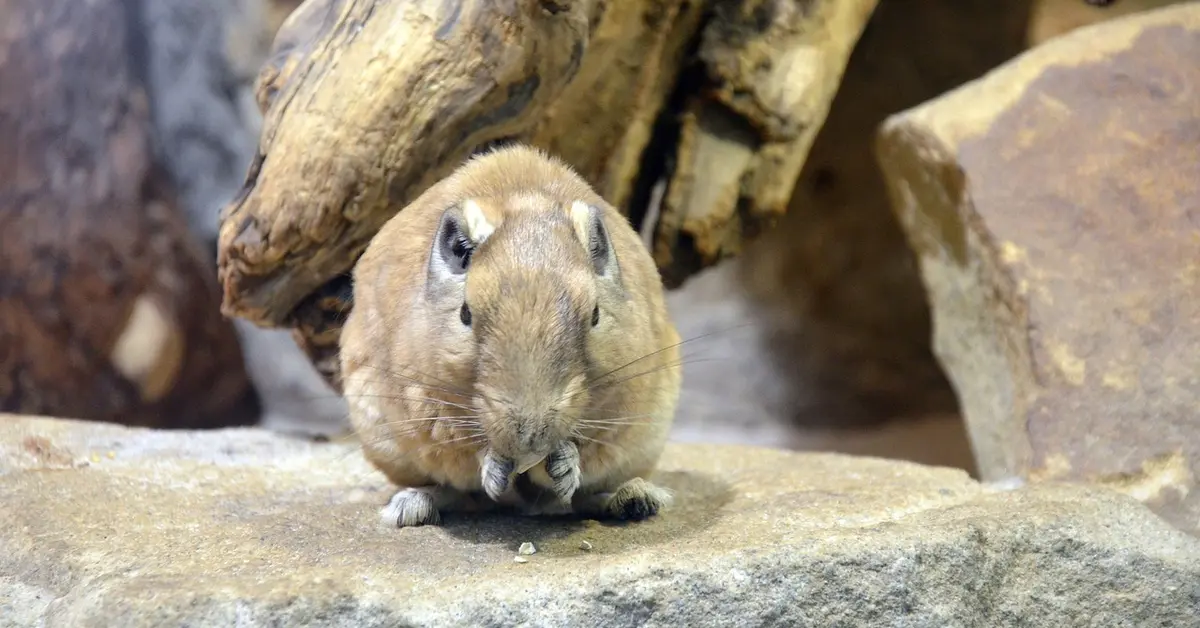
Even with the most thoughtful care, some mice may need a little extra help. Recognizing the subtle signs of deepening helplessness is a critical skill for any mouse owner. It’s not a failure on your part; it’s a sign that you are observant and committed to their well-being. You can start by paying attention to their grooming habits.
Watch for behaviors that persist over several days, especially if they represent a change from your mouse’s normal personality. When checking your mouse’s health at home, keep a short daily log of any changes so you can spot patterns, and if unusual behaviors continue contact your veterinarian.
- Sustained Lethargy and Lack of Grooming: All mice nap, but a mouse who is consistently listless, hunched, or has a greasy, unkempt coat (especially on the back and shoulders) is showing a classic sign of depression.
- Loss of Appetite for Favorite Foods: A mouse who turns down a sunflower seed or a bit of cheese is communicating that something is very wrong. This is a major red flag.
- No Interest in Exploration: If your formerly curious mouse no longer investigates new items in his cage or stays hidden even when the room is quiet, he may have given up on finding positive experiences.
- Excessive Startle Response or, Conversely, No Reaction: A healthy mouse might jump at a sudden noise but then recover. A helpless mouse may either become permanently “jumpy” or show no reaction at all, as if he has accepted that his environment is uncontrollable.
If you notice these signs, your first step is a veterinary check-up to rule out any underlying physical illness, as pain is a common cause of behavioral change. Once health issues are addressed, you can work with your vet or a rodent behaviorist to intensify environmental enrichment and consider positive reinforcement training to rebuild their confidence. Simple tricks like teaching them to touch a target stick can reignite their sense of agency.
Frequently Asked Questions
What is the learned helplessness experiment in mice?
The learned helplessness experiment in mice is a classic laboratory procedure where mice are exposed to an inescapable stressor, such as mild electric shocks in a confined shuttle box. After repeated sessions where escape is impossible, the mice are placed in a new situation where they can avoid the stressor, but many fail to attempt escape, demonstrating that they have learned their efforts are futile.
This paradigm is primarily used in research to model human depression and test potential treatments. For pet mice, it highlights how chronic, uncontrollable stressors-like a barren environment-can lead to similar helpless behaviors, emphasizing the need for enriching habitats that offer choice and control.
How is learned helplessness explained?
Learned helplessness is explained as a psychological phenomenon where an animal or person learns that they cannot control or avoid negative events, leading to passivity and reduced motivation. This occurs after repeated exposure to uncontrollable stressors, which teaches the brain that actions do not influence outcomes.
From a neurological perspective, this state is linked to changes in brain chemistry, such as decreased levels of neurotransmitters like serotonin and dopamine, which regulate mood and motivation. In pet mice, this can result from a lack of environmental stimulation, but providing enrichment can help restore a sense of agency by reinforcing that their behaviors lead to positive results.
What research is being done on learned helplessness?
Current research on learned helplessness explores its underlying neural mechanisms, such as the involvement of brain regions like the prefrontal cortex and hippocampus in stress response and behavioral control. Scientists are studying how genetic factors and environmental influences interact to affect resilience or susceptibility to helplessness.
This research also aims to develop new interventions for depression and anxiety in humans, using animal models to test therapies like antidepressants or cognitive-behavioral strategies. For pet mice, these findings support the importance of environmental enrichment and social housing in preventing helplessness by promoting mental and physical well-being.
Your Path Forward
Your mouse’s world is defined by the habitat you build, a space where every toy and tunnel directly combats the dullness that leads to learned helplessness. By enriching their cage with variety, rotation, and opportunities for natural foraging, you transform their home from a simple container into a dynamic landscape that nurtures their curious spirit. This is exactly what the ultimate guide to mouse cages helps you achieve. It explains how to choose the right layout, materials, and enrichment to build and maintain that ideal environment.
You hold the incredible power to foster a life of active engagement and joyful discovery for your small companion. A vibrant environment doesn’t just prevent apathy; it builds a confident, inquisitive mouse who sees their world as a place full of wonderful things to explore, one crumpled paper ball and hidden treat at a time.
Further Reading & Sources
- Dissociation of Learned Helplessness and Fear Conditioning in Mice: A Mouse Model of Depression – PMC
- Learned helplessness: validity and reliability of depressive-like states in mice – PubMed
- Learned Helplessness in Mice | SpringerLink
Isabella is a passionate small pet enthusiast with over 8 years of experience in caring for mice. She loves sharing practical tips and heartfelt stories to help fellow mouse owners provide the best care for their tiny companions.
Common Behavioral Issues