
Reepicheep and the Heroic Mice of Fantasy Novels
Have you ever felt a surge of admiration for the small, brave characters in stories who prove that heroism isn’t about size, but about the courage in one’s heart?
This article will guide you through the captivating tales of Reepicheep and other valiant mice, highlighting their unique roles and enduring appeal. We’ll explore Reepicheep’s noble journey in Narnia, compare him to other mouse heroes across fantasy literature, and uncover the deeper themes that make these characters so memorable and inspiring.
Who Is Reepicheep and Why Does He Matter to Mouse Owners?
Reepicheep, the valiant mouse from C.S. Lewis’s Chronicles of Narnia, is more than a fictional character; he is a symbol of the immense spirit housed within a tiny body. For those of us who share our homes with pet mice, Reepicheep serves as a wonderful reminder that our small companions possess grand personalities worthy of our deep respect and admiration. His story validates what many mouse owners already know intuitively: size does not dictate the capacity for courage, loyalty, or a distinct sense of self. Observing my own mice, like the ever-curious Kenny, I see reflections of that same boldness, a desire to venture beyond the familiar and claim their territory with confidence.
Reepicheep’s Personality Traits in Your Pet Mice
The noble mouse knight from fantasy is not an anomaly. You can witness shades of his legendary character in the everyday behaviors of your own pet mice if you know what to look for. Their actions, from a tentative sniff to a sudden dash across the cage, are chapters in their own small epics. Recognizing these traits helps us connect with them on a deeper level and provide an environment where their unique spirits can flourish.
The Bold Explorer: Recognizing Courage in Small Mice
Reepicheep’s most defining trait is his unyielding courage and thirst for adventure. This is not merely a literary device. Exploratory behavior is a fundamental sign of a healthy, confident mouse, a clear indicator they feel secure in their environment. You can see this when a mouse methodically investigates a new toy or climbs to the highest point in their enclosure, surveying their domain.
- Confident Posture: A brave mouse holds its head high, with ears forward and whiskers twitching actively, taking in all the information about a new situation.
- Methodical Mapping: They will not simply run wildly; they follow scent trails and use their whiskers to create a mental map of new objects and spaces.
- Overcoming Hesitation: Even a naturally cautious mouse like my Gregory will show bravery by slowly approaching a new food item after a period of careful observation.
Encourage this natural bravery by regularly introducing safe, new items for investigation, such as cardboard tubes or untreated wooden blocks.
Loyalty and Bonding: Your Mouse as a Companion
While Reepicheep’s loyalty was to his king, a pet mouse’s loyalty manifests as a trusting bond with you. Building a bond with a mouse is a quiet, patient process built on consistency and positive associations, not grand gestures. They may not pledge their sword to you, but they will show their trust in subtle, meaningful ways. Responding to those small signals—approaching your hand, accepting a treat, or choosing to sit near you—allows you to deepen your interactions. Over time, these gentle moments grow into a richer, more reciprocal bond with your mouse.
- Recognition and Approach: A mouse that is bonded to you will often come to the front of the cage when you are near, recognizing your scent and sound.
- Accepting Treats: Taking a favorite food, like a sunflower seed or a small bit of cheese, directly from your hand is a major sign of trust.
- Comfort with Handling: A loyal companion will remain calm and curious when being held, perhaps even grooming itself or nibbling gently on a fingernail, showing it feels safe.
This bond is their way of saying you are part of their colony, their safe territory.
The Tiny Duelist: Understanding Play Fighting and Dominance
Reepicheep was ever-ready for a duel, and you will see similar mock-battles in your own mischief. What looks like fierce fighting is often just complex social communication, a way for mice to establish hierarchy and engage in play. It is crucial to distinguish this normal behavior from genuine, harmful aggression.
Playful dueling includes:
- Gentle Wrestling: Mice will tumble and pin each other without causing injury or drawing blood.
- Chasing Without Fear: The chased mouse will not show signs of extreme stress and will often re-engage voluntarily.
- Vocalizations: You might hear high-pitched, bird-like chirps or squeaks during these interactions, which are part of their social dialogue.
True aggression is far less common and is characterized by loud, pained squeaking, frantic fleeing, piloerection (fur standing on end), and actual bites that break the skin. Providing a large, enriching habitat with multiple hideaways, food stations, and water bottles helps minimize serious conflict by reducing competition for resources. Watching my mice, Jeffrey often initiates these playful skirmishes only to dart away with a cheerful squeak, a perfect example of harmless social sparring.
Other Heroic Mice from Fantasy Literature Worth Knowing

Beyond the valiant Reepicheep, fantasy shelves are filled with other whiskered warriors who embody the spirit we see in our own pets. Martin the Warrior from Brian Jacques’ Redwall series is a legendary figure whose bravery and sense of justice inspire entire generations of woodland creatures. His stories are epic sagas of good versus evil, perfect for reading aloud near your mice’s habitat.
For a different kind of courage, consider Despereaux Tilling from Kate DiCamillo’s The Tale of Despereaux. He is a small mouse with enormous ears and an even bigger heart, proving that true heroism lies in being kind, listening to music, and loving a princess. His story beautifully mirrors the gentle, observant nature of many pet mice.
- Matthias of Redwall: A young, impulsive mouse who grows into a heroic protector, much like a bold young mouse exploring its cage for the first time.
- Mrs. Frisby from Mrs. Frisby and the Rats of NIMH: A mother’s quiet, determined courage to save her family showcases a deeply relatable and powerful form of heroism.
- Fievel Mousekewitz from An American Tail: While from film, his journey of perseverance and hope against all odds captures the adventurous spirit perfectly.
Creating a Heroic Environment for Your Adventurous Mice
Your mice may not be sailing to the world’s end, but they possess the same curious, brave hearts as their fictional counterparts. Building an enriching habitat is the first step in letting your tiny heroes live out their own grand tales every single day. A cage should be a launchpad for adventure, not just a place to sleep and eat. This ultimate guide to mouse cages will show you how to choose the right size, materials, and enrichment. Read on for practical setup tips.
Quest-Worthy Cage Layouts and Climbing Challenges
Think of the cage as your mouse’s personal landscape, full of mountains to scale and valleys to explore. I always prioritize vertical space, using ropes, ladders, and branches to create a multi-level world that encourages natural climbing behaviors. My mouse Kenny, the bold explorer, spends hours navigating these aerial pathways, showcasing his athleticism.
- Use multiple platforms connected by safe bridges (wooden or rope) to mimic forest canopies.
- Incorporate cork rounds and grapevine wood to create tunnels and hideaways that feel like ancient, hollowed-out trees.
- Secure bird perches and swings at different heights to test their balance and coordination.
- Rotate the layout every few weeks to present a brand-new “uncharted territory” for them to map.
Treasure Hunts: Foraging and Food Puzzles
No great hero has their treasure handed to them on a platter; they must seek it out. Foraging activities engage your mouse’s intelligent mind and satisfy their innate need to work for food, preventing boredom and promoting natural behaviors. My more cautious mouse, Gregory, seems to genuinely enjoy the thoughtful process of solving a simple puzzle. To put this into practice, I created a DIY foraging toys series — a 10-puzzle challenge for your mouse. It’s a fun way to keep mice like Gregory engaged and learning.
- Scatter their daily seed mix throughout their bedding and hides instead of using a bowl.
- Hide small, healthy treats like a piece of a pumpkin seed inside a sealed, empty toilet paper tube with holes poked in it.
- Create a “digging box” with a shallow container filled with crinkly paper strips or coconut soil and bury their favorite snacks inside.
- Use a small, mouse-safe puzzle ball that dispenses a crumb when rolled correctly.
Safe Sword-Free Play: Toys for Active Mice
While our pets won’t be dueling, they need outlets for their energy and playfulness. The best toys are those that encourage running, climbing, chewing, and nesting—all fundamental parts of a mouse’s daily quest for fulfillment. Toys that challenge their curiosity—like puzzle feeders, tunnels, and foraging toys—also provide valuable mental stimulation. You can find some great options at Toys that challenge their curiosity. I avoid anything with small, sharp, or easily chewed plastic parts.
- A solid, silent spinner wheel is non-negotiable for their nightly running marathons.
- Seagrass balls and mats are perfect for chewing, shredding, and carrying around to build forts.
- Paper bags and cardboard boxes create instant, cheap castles and mazes to conquer.
- A small, shallow dish with chinchilla sand lets them roll and groom, a vital self-care ritual for any busy hero.
Naming Your Mouse After Fantasy Heroes
Choosing a name is a wonderful way to honor the personality of your tiny companion. The right name can feel like a perfect fit, capturing their unique spirit and the grand, albeit small-scale, adventures you share. Observe your mouse for a few days to see what traits shine through. Whether you prefer classic, quirky, or themed picks, the best pet mice names are the ones that match those traits. Here are some creative ideas to spark your imagination.
For a bold, adventurous soul who is always the first to explore, names like Reepicheep, Matthias, or Pikel are fantastic choices. For a wiser, calmer mouse who observes before acting, consider Gregory, Aslan (for a truly majestic presence), or even Gandalf. My own Jeffery, with his cheerful but anxious nature, sometimes reminds me of a hobbit-always a bit nervous but with a heart full of optimism.
- Brave & Bold: Reepicheep, Matthias, Boromir, Eowyn, Buttercup (from Princess Bride)
- Wise & Calm: Gandalf, Obi-Wan, Galadriel, Morpheus, Gregory
- Small & Clever: Bilbo, Fievel, Despereaux, Pippin, Yoda
Understanding Your Mouse’s Inner Hero Through Daily Behavior
Recognizing Individual Personality Types
Just like the brave Reepicheep from fantasy tales, your pet mouse has a unique personality that shines in everyday moments. Observing their daily habits reveals a world of character traits, from bold explorers to cautious mentors. I’ve seen this firsthand with my own mice-Kenny’s impulsive dashes, Gregory’s steady presence, and Jeffery’s cheerful curiosity. Use this simple guide to identify common types:
- Adventurers: Always first to investigate new toys or tunnels, they mimic Reepicheep’s fearless spirit. Watch for quick movements and a love for climbing.
- Guardians: Calm and observant, these mice prefer stable routines and might gently guide others away from perceived dangers.
- Companions: Anxious yet optimistic, they follow the group and show determination through small, persistent efforts like nibbling on treats or nesting materials.
Noticing these patterns helps you tailor care to their needs, making their environment feel like a personalized adventure. Each mouse’s quirks, from Kenny’s seed-hoarding to Jeffery’s soft squeaks, are clues to their inner world. Watching how they play with or avoid certain toys reveals what stimulates or soothes them. Using those insights to choose interactions and enrichment helps support their mental and social wellbeing.
When Your Mouse Shows Faith and Determination
Your mouse’s heroic side emerges in subtle, heartwarming ways that echo the faith of fantasy characters. Look for moments when they overcome fear, like tentatively approaching your hand or mastering a new wheel. In my experience, Gregory’s patient attempts to teach younger mice or Jeffery’s repeated efforts to reach a high shelf show true grit. These little victories are exactly what you’ll learn to encourage in a complete guide to taming a scared, skittish mouse. The steps below offer gentle, practical techniques to build their confidence. Key signs include:
- Persistent nest-building with materials they’ve gathered, even after setbacks.
- Returning to a challenging task, such as solving a puzzle feeder for crumbs.
- Vocalizing softly during exploration, a sign of courage in unfamiliar settings.
These behaviors reflect a deep trust in their environment and you. Celebrating these small victories strengthens your bond and encourages their natural bravery.
What Reepicheep Gets Wrong About Real Mouse Care
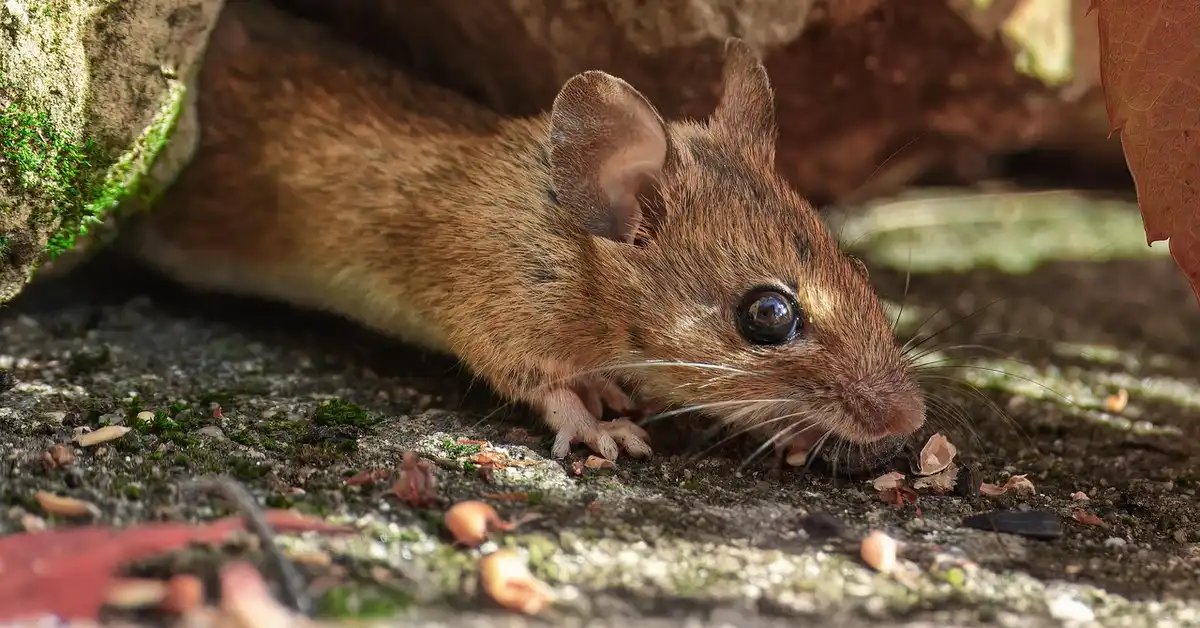
While Reepicheep’s swashbuckling adventures are inspiring, they often misrepresent the gentle reality of mouse care. Fantasy mice might thrive on danger, but real pet mice need safety, routine, and a balanced diet to flourish. If you’re considering a pet mouse, it’s helpful to weigh the pros and cons. They can be affectionate and space-efficient, but require regular socialization, proper housing, and access to veterinary care. Here’s where the stories diverge from practical care:
- Independence vs. Social Needs: Reepicheep often acts alone, but real mice are highly social and can suffer stress without companions. I’ve seen Kenny become restless without Gregory’s calming influence.
- Dietary Myths: Fictional mice eat whatever they find, but pet mice require specific nutrition-seed mixes, fresh veggies, and limited treats to prevent obesity.
- Safety Over Heroics: Climbing tall objects or fighting might seem exciting, but in reality, falls and conflicts can cause injuries. Provide secure habitats with soft bedding and hiding spots.
Understanding these differences helps you create a home where your mouse’s true heroism-like Jeffery’s optimistic resilience-can safely shine. Focus on enriching their life with play, not peril, to keep them healthy and happy.
Frequently Asked Questions
What modifications can I make to my mouse’s care to encourage heroic behavior like Reepicheep’s?
To foster courageous and exploratory traits in your mouse, consider enriching their daily routine with varied stimuli. Introduce novel items like untreated wood blocks or paper tunnels regularly to simulate “quests” that build confidence and problem-solving skills. This approach helps channel their natural curiosity into safe, rewarding activities that mirror the adventurous spirit of fantasy heroes.
Additionally, ensure their habitat allows for physical challenges, such as climbing structures and foraging puzzles, to promote mental and physical agility. Pair these modifications with positive reinforcement, like offering treats during new explorations, to reinforce brave behaviors without causing stress. This balanced care supports their well-being while honoring their inner hero.
How can I adapt handling techniques to reflect the loyalty seen in heroic mice characters?
Building a bond akin to the loyalty in fantasy stories involves patient, consistent handling that respects your mouse’s comfort level. Start with short, gentle sessions where you allow the mouse to approach you, using treats to create positive associations, much like how heroes earn trust through reliable actions. Over time, this fosters a deeper connection and reduces fear.
Avoid forcing interactions, as this can undermine trust; instead, observe their body language for signs of relaxation, such as grooming or taking food calmly. By mirroring the respectful companionship seen in tales of heroic mice, you’ll help your pet feel secure and valued, strengthening your relationship in a way that supports their social nature.
What role does hygiene play in maintaining a healthy environment for an active, heroic mouse?
Proper hygiene is essential for supporting your mouse’s energy and health, much like how a hero relies on a clean base for adventures. Regularly clean their cage to prevent bacterial growth, focusing on removing soiled bedding and sanitizing food/water areas to reduce disease risks. A clean habitat minimizes stress and allows your mouse to focus on exploration and play.
Incorporate safe grooming aids, such as chinchilla sand for dust baths, to help them maintain their coat and overall cleanliness. This routine not only prevents health issues but also encourages natural behaviors, ensuring your mouse stays vibrant and ready for daily “quests” in a safe, hygienic space.
Wrapping Up
The courageous spirit of characters like Reepicheep reminds us to see the grand personality within our own tiny companions. Their fictional adventures highlight the very real bravery, curiosity, and loyalty that mice possess, qualities we get to witness every day in our own habitats.
By observing your pets with this heroic lens, you’ll naturally become a more attentive and creative caretaker. You’ll find new ways to enrich their environment, celebrate their individual quirks, and appreciate the small, magnificent dramas that unfold right in front of you.
Further Reading & Sources
- character analysis – Why is Reepicheep so heroic? – Literature Stack Exchange
- Reepicheep – Wikipedia
- Reepicheep | The Chronicles of Narnia Wiki | Fandom
Isabella is a passionate small pet enthusiast with over 8 years of experience in caring for mice. She loves sharing practical tips and heartfelt stories to help fellow mouse owners provide the best care for their tiny companions.
Mice in Culture & Media