
Mice in Native American Legends: Uncovering Their Folklore and Symbolism
Have you ever wondered how such a small creature as the mouse could hold such significant roles in the stories of Native American cultures? This guide will reveal the intricate ways mice are woven into tribal narratives, offering you a clear and engaging exploration of their symbolic meanings and legendary tales.
You will discover the various symbolic roles mice embody in different tribes, key myths and stories where they appear as clever heroes or humble guides, and how these legends reflect deeper cultural values about nature and community.
The Spiritual Symbolism of Mice in Indigenous Cultures
Mouse Medicine: Lessons from the Smallest Teachers
Many Indigenous traditions view animals as sacred guides, and the mouse offers a profound form of ‘medicine’ or spiritual teaching. Mouse medicine centers on the power of scrutiny, teaching us to pay exquisite attention to the minute details that others might overlook. This mirrors the behavior of our pet mice, who meticulously investigate every new toy, treat, and corner of their habitat. I see this every evening with Kenny, who will spend a full ten minutes systematically deconstructing a new paper tube, noticing folds and textures my human eyes completely miss.
This spiritual perspective encourages a gentle, persistent curiosity. Mouse medicine asks us to be brave in our explorations, even when we feel small, reminding us that great wisdom often comes in quiet, unassuming packages. It’s a beautiful mindset to adopt when observing your own mice; their every action is a lesson in being fully present and engaged with their immediate world. These same qualities—patience, gentleness, and consistent attention—are the foundation of a complete guide to taming a scared, skittish mouse. Applying that mindset alongside practical, step-by-step handling tips helps build the trust needed for a calm, confident companion.
Smallness as Power in Animal Symbolism
In a world that often celebrates the large and loud, mouse symbolism offers a refreshing counter-narrative. Smallness is not a weakness but a unique form of strength, representing the ability to access places and knowledge that are inaccessible to larger beings. Think of how your mouse can vanish into a small hideout or navigate the most intricate tunnel systems you provide. Their size is their superpower.
This symbolism encourages humility and resourcefulness. By honoring the small, we learn that every creature, regardless of size, holds a vital place in the great tapestry of life. Watching my mouse Jeffery, who is the smallest of my trio, confidently follow his larger brothers reminds me that courage isn’t about physical stature but the spirit within.
Mouse Characters in Native American Oral Traditions
The Jumping Mouse: Transformation and Sacrifice
One of the most beloved mouse characters appears in a Northern Plains story about a humble mouse who yearns to see the far-off sacred mountains. The story of Jumping Mouse is a powerful parable about the transformative power of faith and selfless sacrifice. On his long and perilous journey, the mouse repeatedly gives away his own senses-like his sight and hearing-to help other animals in dire need.
His incredible generosity is ultimately rewarded with a magnificent transformation. This story beautifully illustrates that personal growth often requires us to leave our comfort zones and give freely of ourselves, a lesson that resonates deeply with the commitment we make to care for our tiny companions.
Mouse as Trickster and Helper
Beyond the sage teacher, the mouse often appears in oral traditions as a clever trickster figure. Using its small size and wit, the mouse character frequently outsmarts larger, more powerful animals to secure food or achieve a important goal for the community. These stories highlight intelligence and cunning over brute force.
In other tales, the mouse is a crucial helper. A tiny mouse might be the only one who can gnaw through a net to free a captured hero, proving that no helper is ever too small to make a world-changing difference. I’m sometimes reminded of this when my Gregory, the wisest of my group, patiently shows a new mouse the best spots to find hidden food.
Mice in Creation and Origin Stories
Mice play fascinating roles in stories that explain the origins of the world and its customs. In some narratives, a mouse is responsible for bringing fire or a specific crucial seed to the people, often after a much larger animal has failed in the task. Their success lies in their ability to go unnoticed and navigate tight spaces.
Other stories credit mice with shaping the very landscape. It is said that the intricate patterns on some shells or the specific colors of certain sands were created by the artistic scratching and digging of ancient mice. These tales root the mouse firmly in the foundation of the world, granting them a creator status that far exceeds their physical size.
Winter Stories and Harvest Teachings
As seasons turned, mice became important figures in stories told during the long winter nights. These tales often served as reminders about the importance of preparation, community, and respecting the food that sustains life. A common theme involves mice who wisely store food for the winter, contrasting with other animals who do not and suffer for it.
These narratives carry a deep respect for the mouse’s role in the ecosystem. Harvest teachings sometimes include lessons about leaving a small portion of the crop for the mice and other wild creatures, acknowledging our shared existence and interdependence. This ancient practice of gratitude and sharing is a poignant reminder to always be mindful of the creatures we share our homes and our world with.
Native Mouse Species in North American Folklore
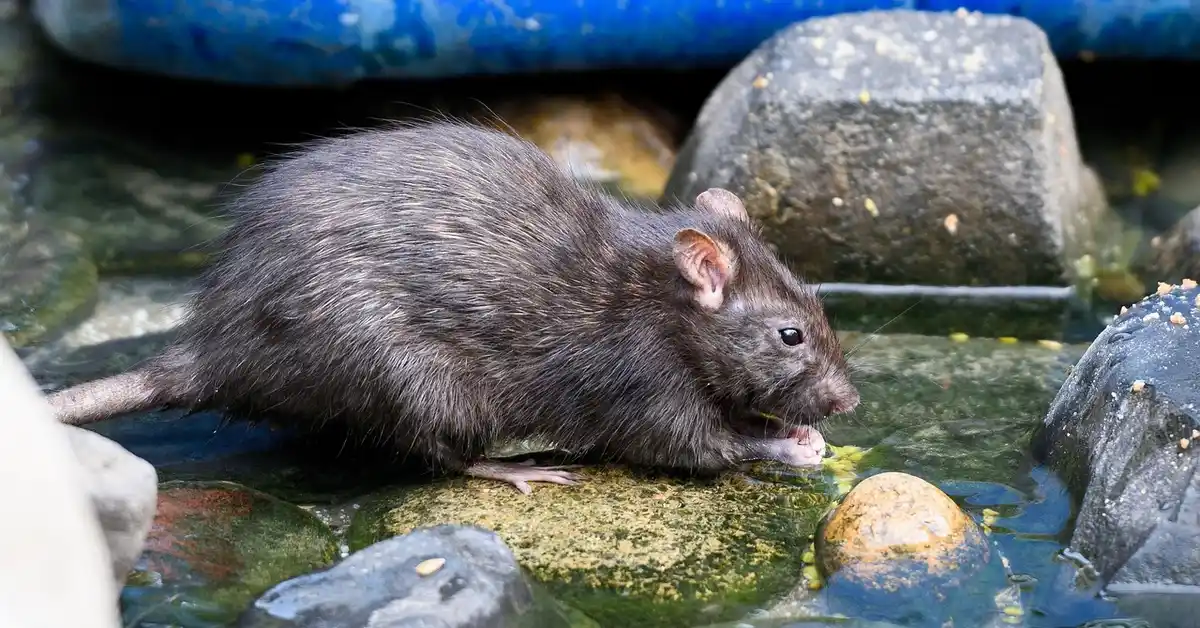
Many of the small creatures scurrying through tribal stories are species you might recognize, even from your own cage. The deer mouse, with its large dark eyes and white underbelly, appears frequently as a clever figure who outsmarts larger animals. Observing my own mice, like the ever-curious Kenny, I see that same quick-witted intelligence celebrated in these ancient tales. Their ability to navigate complex environments and find hidden resources was not just survival; it was a form of wisdom.
Another common figure is the humble field mouse, often portrayed as a community-builder. These stories highlight their intricate tunnel systems and food storage habits, mirroring the complex social structures and preparedness of the tribe itself. Watching my trio interact, I see Gregory’s calm guidance helping the more anxious Jeffery, a beautiful reflection of that communal spirit. The legends remind us that these small beings were never just background characters, but active participants in the world’s balance.
Regional Variations in Mouse Legends Across Tribes
The stories change dramatically depending on the landscape and the challenges faced by the people. In the dense forests of the Northeast, mice are often clever guides who know the secret pathways through the undergrowth.
- Plains Tribes: Here, the mouse is a teacher of humility and preparation, storing food for the harsh winter, a vital lesson for survival.
- Southwestern Tribes: In drier climates, the mouse becomes a symbol of finding abundance in scarcity, a creature that can locate water and seeds where none seem to exist.
- Pacific Northwest Tribes: Mouse figures are frequently weavers or crafters, their nimble paws creating intricate baskets or nets, tying them to themes of artistry and skill.
This regional diversity shows a deep, localized understanding of mouse behavior that modern pet owners can learn from. The way a mouse acts in your home-its curiosity, its nesting habits, its social dynamics-is a modern echo of the traits observed and revered for generations. Whether you’re keeping a solitary mouse or a social group, these insights help you recognize and support their needs. A short guide to solitary vs. social mouse behavior can show owners how to adapt housing, enrichment, and introductions accordingly.
Understanding Mouse Totems and Spirit Animals
If a mouse appears as your totem or spirit animal, it brings powerful messages about your own life. It is not a sign of weakness, but one of immense capability. The mouse totem asks you to pay attention to the small details others overlook, for therein lies your greatest advantage. It’s a call to be observant, resourceful, and quietly persistent in your pursuits. As a mouse spirit animal totem, it invites you to embrace curiosity and subtle strength, showing that modest actions can lead to meaningful change. When the mouse appears, trust your instincts and honor small, steady steps on your spiritual path.
People with a mouse spirit animal are often incredibly perceptive. They notice shifts in mood, subtle changes in their environment, and the unspoken needs of others. This can feel overwhelming, much like I imagine it does for my Jeffery when he startles at a new sound. Learning to manage this sensitivity, to see it as a gift of deep awareness rather than a burden, is a core lesson of the mouse. Noticing signs of stress in mice—such as increased startle responses, changes in grooming, or hiding—helps translate that sensitivity into practical care. A simple visual behavioral guide makes those subtle signals easier to read and respond to.
- Scrutinize the Details: The mouse spirit encourages you to look closer at contracts, relationships, and projects. What tiny element have you missed?
- Build Your Community: Like mice, we thrive in supportive groups. Nurture your connections and don’t be afraid to rely on your “tribe.”
- Embrace Humble Persistence: Grand gestures are not always needed. Consistent, small efforts often yield the most lasting results.
Connecting with this energy can be as simple as spending quiet time watching your own pets. Their daily routines of exploration, care, and rest are a living meditation on the principles the mouse totem represents. It’s a gentle reminder that great power and wisdom often come in the smallest, most humble of packages. For pet mice, providing enrichment toys that stimulate curiosity and problem-solving lets you support and celebrate that cleverness. Puzzle feeders, tunnels, and chewable hides engage their minds and mirror the totem’s resourceful spirit.
How These Stories Can Enrich Your Relationship with Pet Mice
Choosing Respectful Names from Indigenous Mouse Stories
Naming your mouse is the first act of bonding, a chance to honor their spirit with more depth than a simple color-based label. Looking to Indigenous stories for inspiration connects your daily care to a rich cultural heritage of respect for small creatures. You might choose a name that reflects a specific attribute celebrated in folklore. Mice carry varied symbolic meanings across Western and Eastern cultures, as detailed in this resource. In the West they’re often linked with timidity or cunning, while in the East they can symbolize prosperity and cleverness.
For instance, a clever, resourceful mouse who always finds hidden treats could be named after a trickster figure, while a gentle, observant one might suit a name connected to a messenger role. I’ve found that my mouse Jeffery, with his anxious but observant nature, often reminds me of the watchful mice from tales who warn communities of approaching changes. Keeping personality in mind makes it easier to brainstorm the best pet mice names, since combining traits, stories, and playful sounds often yields creative ideas. Try matching quirks to names inspired by myth, occupations, or affectionate nicknames.
- Focus on admirable traits like cleverness, diligence, or community focus.
- Research the specific nation or tribe a story originates from to understand the name’s true meaning and context.
- Avoid using names or words that are considered sacred or reserved for specific cultural ceremonies.
- Let the name be a starting point for learning, prompting you to share the story behind it with visitors.
Teaching Children About Mice Through Folklore
Folklore provides a gentle, narrative bridge for children to learn about pet mice, transforming them from simple pets into fascinating characters with a place in the world. Stories that portray mice as clever helpers or valued community members naturally foster empathy and a sense of responsibility in young caregivers. This narrative approach is far more effective than a list of rules.
When my young nieces visit, I often tell them simplified versions of these tales before we interact with Kenny, Gregory, and Jeffery. It changes their entire approach. They move slowly, speak softly, and watch with wonder, seeing the mice not as toys but as small beings with their own important lives.
- Start with a simple story that highlights a mouse’s positive role, like gathering seeds or delivering a message.
- Connect the story’s theme directly to your pet’s care. “Just like the mouse in the story was a careful gatherer, we must be gentle when we offer Gregory his food.”
- Use the story to explain why we don’t grab or startle our pet mice, framing it as respect for their nature.
- Encourage quiet observation, asking the child what they notice about the mouse’s behavior that reminds them of the story character.
Resources for Learning More About Indigenous Mouse Folklore
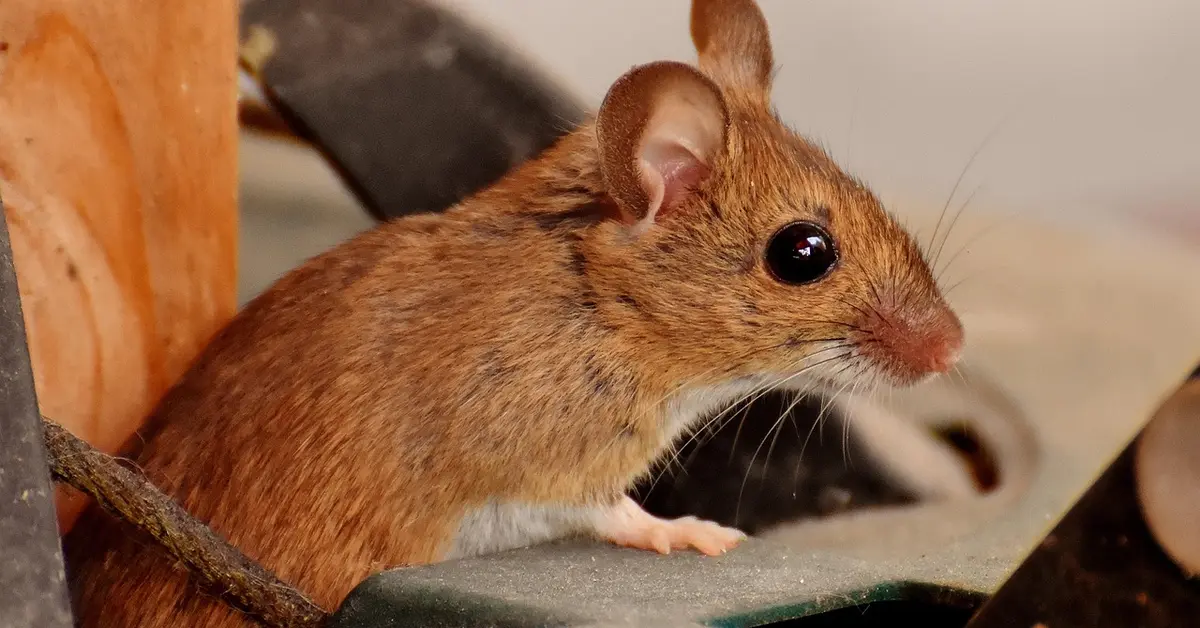
Seeking out these stories is a rewarding journey that deepens your appreciation for your small companions. The most respectful resources are those created by or in direct collaboration with Indigenous storytellers and knowledge keepers. Your local library can be a fantastic starting point, especially in the children’s section where many of these tales are beautifully illustrated.
- Look for books published by Indigenous authors or presses, which ensure cultural accuracy and authenticity.
- Visit the websites or cultural centers of specific Native American tribes; many share their traditional stories online.
- Explore academic databases and museum archives for anthropological collections of folklore, which often include detailed notes.
- Seek out recorded oral storytelling sessions, which preserve the rhythm and heart of these narratives in a way text sometimes cannot.
Remember that these stories are living parts of cultural heritage, not mere curiosities. Approaching them with a mindset of learning and respect honors both the tales and the tiny animals that inspired them. This thoughtful engagement will subtly transform how you see your own mice, adding a layer of wonder to every interaction you share.
Frequently Asked Questions
Are house mice native to North America?
No, house mice (Mus musculus) are not native to North America; they were introduced by European settlers centuries ago. In contrast, native species like deer mice and white-footed mice have long been part of the ecosystem and feature prominently in Indigenous stories, reflecting their adaptability and resourcefulness in the wild. To identify wild mice in North America, look for features like size, fur color and pattern, tail length, and habitat — for example, deer mice often have white underparts and long tails while white-footed mice have pale feet. Field guides or regional range maps can help confirm which species you’ve found.
What do native mice eat in the wild?
Native North American mice, such as deer mice, primarily consume a diet of seeds, nuts, fruits, and insects, which varies with the seasons. For pet owners, this highlights the importance of offering a diverse, balanced diet that mimics their natural foraging habits to support their health and well-being. Knowing what wild mice eat helps owners recreate appropriate food choices and ensures pets receive needed nutrients. It also explains seasonal shifts in preference and availability.
What mice are native to Michigan?
Michigan is home to native species like the deer mouse and white-footed mouse, which are known for their roles in local ecosystems and Indigenous folklore. Learning about these species can help pet owners in the region better understand mouse behavior and create enriching habitats that reflect their natural history.
A Final Reflection
Mice have long been seen as more than just simple creatures; they are woven into the very fabric of cultural stories as clever survivors and quiet teachers. These legends remind us that our small companions carry a legacy of intelligence and resourcefulness, a beautiful echo of the personalities we see in our own pets every day. That raises the question: do mice have individual personalities? Increasingly, both researchers and pet owners observe consistent differences in behavior—such as boldness, curiosity, and sociability—that suggest they do.
Let this deeper connection enrich your time with your mice, adding a layer of wonder to their every burrow and playful chase. Watching my own curious Kenny or thoughtful Gregory, I often see glimpses of that timeless, spirited character celebrated in these ancient tales.
Further Reading & Sources
- Native American Indian Mouse Legends, Meaning and Symbolism from the Myths of Many Tribes
- Mouse Symbolism & Meaning | Spirit, Totem & Power Animal
- Native American Legend : The story of Jumping Mouse.
Isabella is a passionate small pet enthusiast with over 8 years of experience in caring for mice. She loves sharing practical tips and heartfelt stories to help fellow mouse owners provide the best care for their tiny companions.
Mice in Culture & Media