
The Enduring Legacy of Stuart Little
Have you ever wondered how a tiny, well-dressed mouse from a children’s book could carve such a permanent niche in our collective imagination, much like the curious escapades of my own mouse, Kenny? Stuart Little’s story taps into that deep-seated human desire to find courage and belonging in the most unexpected places.
I’m here to guide you through the elements that make Stuart’s tale timeless, offering a clear look at why he remains a cultural touchstone. This article will delve into the character’s literary origins, his evolution across media, and the heartfelt reasons his legacy continues to inspire new generations.
Why Stuart Little Still Matters to Mouse Owners Today
The Original Book That Changed Everything
Before E.B. White put pen to paper, most people saw mice as simple pests to be eradicated. The original “Stuart Little” novel fundamentally shifted that perspective by giving a mouse a rich inner world, a family, and grand ambitions. For those of us who share our homes with these tiny creatures, this wasn’t just a children’s story; it was a validation of what we observed every day.
Stuart’s adventures mirror the real-life curiosity I see in my own mouse, Kenny. His impulsive dash to retrieve a ring is the same spirit that drives a mouse to explore a new cardboard tube with fearless determination. Reading the book allows you to see the world from a mouse’s-eye view, fostering a deeper empathy for their need to explore and problem-solve. It teaches us that courage isn’t about size, but about the heart.
Film Adaptations and Popular Culture Impact
The films brought Stuart’s world to life with a visual warmth that cemented his place in our hearts. Seeing a meticulously crafted mouse home on the big screen directly inspires how we design our own habitats. The movies made mouse ownership visually appealing and relatable, showing the potential for a beautiful, interspecies bond. It moved the conversation from “why would you have a mouse?” to “look at the amazing life you can give them.”
This cultural footprint is powerful. When friends visit and see my mice, Gregory, Jeffery, and Kenny, they often smile and mention Stuart Little. That single character has done more for the positive perception of pet mice than any pamphlet or article ever could. He created a common reference point, a shared understanding that makes explaining our passion for these small pets much easier.
What Are the Stuart Little Legacy Series and Collection?
The “Stuart Little Legacy” refers to the entire ecosystem of products and media that keep the character’s spirit alive. This isn’t just about reprints of the book. The legacy includes everything from special anniversary book editions to plush toys, miniature furniture, and animated series. For a mouse owner, this collection is a treasure trove of inspiration and enrichment ideas.
You can find items that directly translate to mouse care. A tiny Stuart Little armchair can become a novel resting spot in a cage. A small, plush bed designed for a doll can be the perfect, safe nesting material. Always check that any repurposed item is made from safe, non-toxic materials and doesn’t have small parts that could be chewed and swallowed. My Jeffrey adores his tiny, Stuart-themed fabric scrap that he drags into his igloo.
Beyond physical toys, the legacy series includes:
How Stuart Little Changed the Way We See Pet Mice
From Storybook to Real Life Expectations
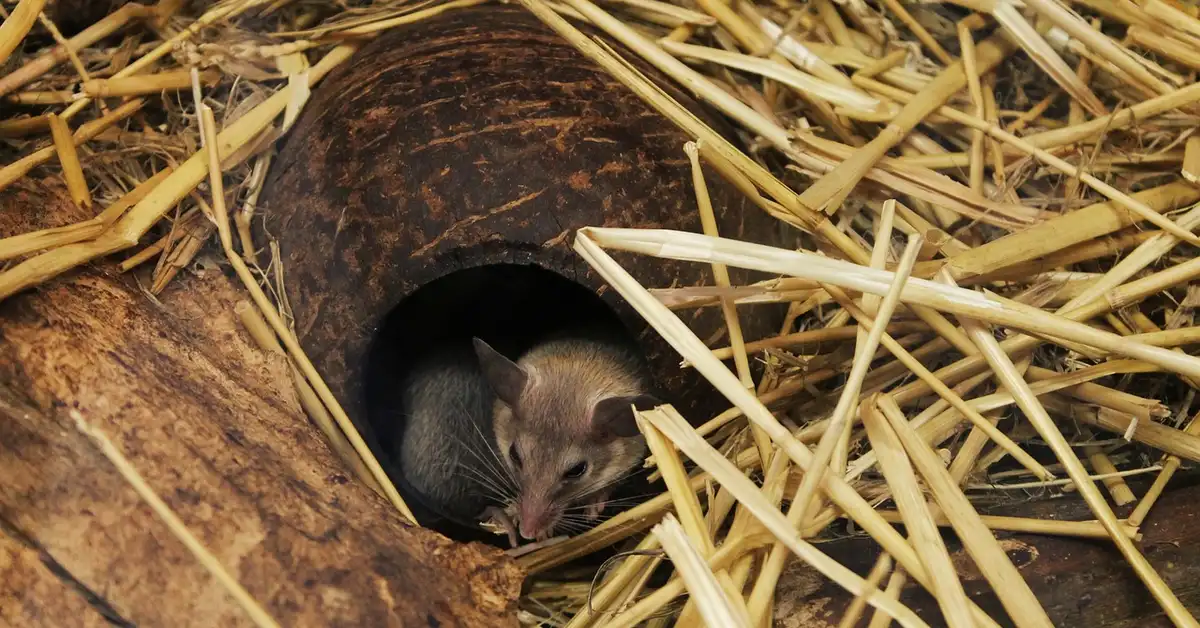
Before Stuart Little scampered onto the scene, many people viewed mice as simple, skittish creatures, but E.B. White’s classic story gave them a voice, a family, and a grand sense of purpose. This charming narrative single-handedly reframed mice as intelligent companions capable of deep bonds and complex emotions. It’s one of those stories that, alongside other iconic mice in children’s literature, shapes our perception of these little creatures. I’ve seen this shift firsthand; new owners often arrive expecting a tiny, clothes-wearing friend, which sets up a beautiful, if slightly fantastical, foundation for a relationship. The key is to embrace the spirit of Stuart—the curiosity and bravery—while understanding that your real-life mouse is a unique individual with its own needs and comforts.
Managing these expectations is one of the first and most important steps in responsible mouse ownership. Your mouse won’t sail a boat or drive a car, but they will display moments of stunning cleverness that feel just as magical. The real magic lies in observing their natural behaviors and learning to appreciate their world on their terms. That includes how they interact with humans and whether they recognize their owners. Mice can learn to trust and respond to familiar people through scent, handling, and routine. I remember hoping my first mouse would be a miniature adventurer, but I found a different, more rewarding joy in watching him meticulously build a nest or carefully choose which treat to eat first.
The Adoption Surge After Stuart Little
The release of the *Stuart Little* films created a noticeable and heartfelt wave of interest in pet mice. Animal shelters and pet stores reported a significant uptick in families seeking a small, furry friend of their own. This “Stuart Little effect” brought countless wonderful mice into loving homes, though it also came with a responsibility for breeders and shelters to educate new owners about proper care. The story opened hearts and homes, creating a generation of mouse enthusiasts who saw the pet in a new, more affectionate light.
This surge had a lasting impact on the pet community, fostering greater awareness and resources for mouse care. We saw a blossoming of online forums, detailed care sheets, and specialized products aimed at improving the lives of these tiny pets. It transformed mouse ownership from a niche hobby into a more mainstream and well-supported practice, all because a fictional mouse captured our collective imagination so completely. Today, prospective owners can more easily weigh the pros and cons of pet mice. These resources make clear both their appeal as small, affordable companions and the specific care challenges they require.
Practical Mouse Care Lessons Inspired by Stuart’s Adventures
Creating Adventures for Your Pet Mice
You don’t need a miniature motorcar to provide a life of excitement for your mouse. Adventure for a mouse is all about novelty and safe exploration within their environment. Regularly redesigning their habitat with new tunnels, platforms, and hiding spots stimulates their minds and satisfies their innate curiosity. I create a new layout for Kenny, Gregory, and Jeffery every weekend, and watching them meticulously investigate every change is a joy.
Consider these simple ideas to bring a sense of adventure into your mouse’s daily routine:
- Foraging Fun: Hide their daily food portion throughout the enclosure instead of using a bowl.
- Novel Textures: Offer new, safe items like a sea grass mat, a ceramic tile, or a cardboard tube filled with hay.
- Supervised Exploration: Create a secure play area outside the cage with PVC pipe tunnels and paper bags to explore under your watchful eye.
These small changes prevent boredom and encourage the natural, inquisitive behaviors that make mice so endearing. Just ensure you have a good base like the right cage for your little adventurer’s home.
Understanding Your Mouse’s Unique Personality
Just like Stuart Little had his own distinct character, every mouse is a unique individual with specific preferences and quirks. Spending quiet time simply observing your mouse is the best way to learn their personal language and build a profound bond. My three boys are a perfect example: Kenny is the bold explorer, Gregory is the patient observer, and Jeffery is the cheerful follower. Recognizing these traits allows me to cater to their individual needs and reduce their stress.
Look for these common personality indicators in your own mice:
- The Bold Leader: Often the first to investigate new items and may gently push cagemates aside.
- The Cautious Observer: Prefers to watch from a safe distance before approaching anything new.
- The Anxious Friend: May startle easily and appreciate more hiding places and a predictable routine.
- The Playful Climber: Constantly on the move, scaling cage walls and utilizing every level of the habitat.
Respecting these personality differences is fundamental to ensuring each of your mice feels secure and content in their home. Yes — mice do exhibit individual personalities, shown by consistent differences in behavior over time. Observing them regularly will help you recognize and respond to each mouse’s unique temperament.
Teaching Tricks and Building Trust
While your mouse won’t be penning letters any time soon, they are highly trainable using positive reinforcement. Training sessions are less about performing tricks and more about building a bridge of communication and trust between you and your pet. The process itself is a wonderful adventure that strengthens your relationship. Start with your mouse’s favorite high-value treat, something they go absolutely wild for, like a tiny piece of walnut or a sunflower seed.
Follow these simple steps to begin:
- Hand-Feeding: Start by offering treats from your open palm inside the cage until they approach comfortably.
- Target Training: Use a chopstick or a pencil as a “target.” When they touch it with their nose, immediately give a treat.
- Shaping Behaviors: Use the target to guide them to turn in a circle or climb onto a small platform.
- Keep it Short: Limit sessions to just a few minutes to keep it fun and prevent frustration.
The goal is a mouse who associates your hand with positive experiences, making handling and health checks much easier for both of you. These simple actions form the core of a target training mice step-by-step guide you can follow; work through each step in order and repeat short sessions regularly until your mouse reliably responds to the target. Jeffery, my most nervous mouse, has become far more confident through our brief, gentle training sessions.
Stuart Little’s Literary Legacy in Mouse Education
E.B. White’s tiny hero did more than just sail a model boat; he gave generations of children a new lens through which to see small creatures. Stuart Little fundamentally shifted the narrative around mice from pests to personalities, fostering a sense of empathy and curiosity that is the very foundation of responsible pet ownership. Before picking up a mouse, many people first learn to care through the pages of a book.
I see this legacy play out in my own home. My mouse, Kenny, with his bold and impulsive nature, often reminds me of Stuart’s adventurous spirit. Watching him navigate a new cardboard maze, I recognize the same spark of intelligence and problem-solving that White so beautifully captured. This fictional representation provides a crucial bridge, helping us attribute complex emotions and intentions to our real-life companions. It makes us better, more observant owners.
Key Educational Themes from the Book
- Resilience in a Big World: Stuart’s journey teaches us that small beings are capable of great courage and adaptability, a vital perspective when creating a safe yet enriching environment for a tiny pet.
- The Value of Resourcefulness: From driving a car to sailing a boat, Stuart’s ingenuity mirrors the natural problem-solving skills of real mice, encouraging us to provide puzzles and foraging opportunities.
- Importance of a Support System: Stuart’s search for Margalo highlights the social needs of creatures, underscoring why pet mice should almost always live in pairs or small, harmonious groups.
Separating Stuart Little Fantasy from Mouse Reality
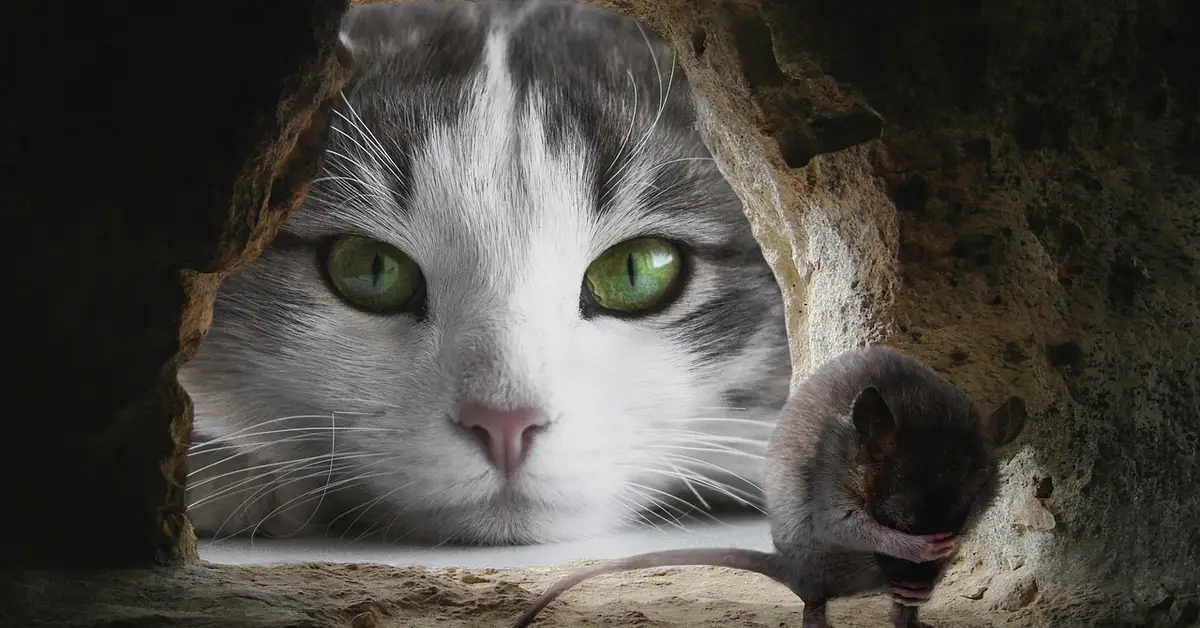
While the book opens our hearts, it’s our responsibility as owners to anchor our care in biological reality. The charming fantasy of a mouse wearing clothes and speaking English can create dangerous misunderstandings about their actual, complex needs. My older mouse, Gregory, with his calm and patient demeanor, is a masterclass in real mouse behavior-he communicates through subtle body language, not words.
Jeffery, my smallest, is a perfect example of a real mouse’s sensory world. His quick, twitchy movements and nervous squeaks are not a sign of silliness but of a prey animal constantly assessing his environment for safety. Understanding these innate behaviors is the first step in moving beyond the storybook and into effective, compassionate care.
Common Fantasies vs. The Facts
- Fantasy: Mice thrive on human food like cake and cookies from a dollhouse.
Reality: A proper diet is a specialized mix of high-quality lab blocks, limited seeds, and fresh vegetables. Sugary or fatty human foods cause severe health issues. - Fantasy: A single mouse is a lonely adventurer.
Reality: Mice are profoundly social and can suffer from depression and stress if kept alone. They need the company of their own kind. - Fantasy: Mice can be easily trained to perform complex tasks like driving.
Reality: While intelligent, mice learn best through positive reinforcement for simple behaviors like coming when called. Their motivations are based on food and safety, not human ambition. - Fantasy: A small, simple cage is sufficient.
Reality: Mice require a large, complex habitat with deep bedding for burrowing, multiple levels for climbing, and a variety of hides to feel secure. A bare cage leads to boredom and poor welfare.
Let Stuart Little inspire your sense of wonder, but let veterinary science and species-specific knowledge guide your daily care. By honoring the real animal behind the beloved character, we give our pets the rich, fulfilling lives they truly deserve.
Frequently Asked Questions
What is the Stuart Little Legacy series?
The Stuart Little Legacy series refers to the various media extensions beyond the original book and films, such as animated television shows and spin-off stories that continue Stuart’s adventures. For mouse owners, this series offers fresh narratives that highlight themes of curiosity and bravery, which can inspire new ways to engage with and understand the playful behaviors of their own pets.
By watching or reading these series, enthusiasts can draw parallels to real-life mouse care, such as designing obstacle courses or fostering a sense of exploration in their habitats, all while enjoying the enduring charm of Stuart’s world.
What is the Stuart Little Legacy collection?
The Stuart Little Legacy collection consists of licensed merchandise and products, including plush toys, miniature home accessories, and themed items that celebrate the character’s story. Mouse caregivers often find creative ways to incorporate safe, non-toxic pieces from this collection into their pets’ enclosures, like using small fabric scraps or doll-sized furniture for enrichment.
This collection not only keeps the spirit of Stuart alive but also serves as a practical resource for enhancing mouse environments, encouraging owners to think innovatively about habitat design while ensuring all items are pet-safe and free of hazards.
What is the Stuart Little Legacy book?
The Stuart Little Legacy book typically refers to special editions or re-releases of E.B. White’s original work, often featuring updated illustrations, annotations, or commemorative content. For those in the mice pet care community, these editions serve as a gentle reminder of the empathy and respect that stories can foster toward small animals.
Reading these books can reinforce the bond between owners and their mice by illustrating the depth of character and intelligence that real mice exhibit, encouraging a more thoughtful and attentive approach to daily care and interaction.
Your Path Forward
Let Stuart Little’s story be a gentle reminder of the immense personality and spirit packed into such a small creature. His enduring legacy isn’t just about a mouse in a book; it’s a celebration of the curiosity, bravery, and unique charm that every real mouse brings into our lives. That admiration is mirrored in the history of fancy mice—domesticated and bred for their colors, temperament, and companionship. Knowing that history adds meaning to why characters like Stuart Little continue to captivate us.
By providing a safe, enriching home filled with patience and care, you aren’t just a pet owner-you’re the guardian of your own real-life adventure. Treasure the quiet moments, the quick glances, and the tiny paws; the most wonderful stories are often the ones we live with our smallest friends.
Further Reading & Sources
Isabella is a passionate small pet enthusiast with over 8 years of experience in caring for mice. She loves sharing practical tips and heartfelt stories to help fellow mouse owners provide the best care for their tiny companions.
Mice in Culture & Media