
Mouse Biology Explained: Eggs, Sweat, and Lactose
Have you ever watched your pet mouse and wondered about the biological mysteries behind their daily habits? Many mouse owners share these same curiosities, and I’ve found that a little knowledge can transform how you care for these fascinating animals.
In this article, I’ll provide clear, reliable answers to common questions, focusing on whether mice lay eggs, how mice handle body temperature and sweating, and the reality of lactose intolerance in mice.
Do Mice Lay Eggs or Give Live Birth?
If you’ve ever watched your mice scurrying around their habitat, this question might have crossed your mind. Mice are placental mammals and give birth to live, fully-formed babies, called pups, not eggs. The entire reproductive process is fascinatingly efficient and happens remarkably fast.
How Mouse Reproduction Works
The journey from conception to birth is a whirlwind in the mouse world. A female mouse’s pregnancy, known as gestation, typically lasts only about 19 to 21 days. After this brief period, she will give birth to a litter. The size of a litter can vary significantly, often ranging from 6 to 12 tiny, pink, hairless pups. These newborns are entirely dependent on their mother for warmth and milk. Below is a week-by-week guide to mouse pregnancy that outlines the key developmental milestones and what to expect during each of the roughly three weeks.
- Gestation Period: Approximately three weeks.
- Litter Size: Commonly between 6 and 12 pups.
- Newborn State: Pups are born blind, deaf, and without fur.
- Weaning Age: Pups are typically weaned and ready to eat solid food at around 3-4 weeks old.
Why People Wonder if Mice Lay Eggs
It’s a surprisingly common curiosity, and there are a few logical reasons for it. Many small creatures that people encounter, like certain lizards, insects, and especially birds, are prolific egg-layers. Since mice are also small and often build nests, the association can be easy to make. The nesting behavior is a powerful instinct, not for eggs, but for creating a safe, warm space to raise vulnerable live young. My own mouse, Jeffery, is a master nest-builder, tirelessly shredding paper to create a perfectly cozy den, a behavior that perfectly illustrates this maternal drive. In the wild, mice set up nests within specific territories and their nesting habits shift with lifecycle stages—from courtship and breeding to rearing pups. Studying these nests helps explain how territory, nesting, and lifecycle needs are all connected.
Do Mice Sweat to Cool Down?
On a warm day, you might notice your mouse seeming a bit lethargic and wonder how they cope with the heat. Mice do not sweat over their bodies like humans do to regulate their temperature; they lack the extensive sweat glands necessary for that. Relying on sweating would be a very inefficient cooling system for a creature of their size. Watch their responsiveness and daily habits. A relaxed mouse will still startle, groom, and eat normally, while a tired or sick mouse will be slow to react, eat less, and may show labored breathing or unusual posture.
How Mice Actually Regulate Their Body Temperature
Since they can’t sweat it out, mice have developed a suite of clever behavioral and physiological tactics to stay comfortable. One such tactic is rolling — a stress-related behavior that may help them relieve tension and signal distress to cage-mates. Researchers study why mice roll to understand how this behavior helps them cope with discomfort and navigate social situations.
- Behavioral Thermoregulation: This is their primary method. They will actively seek out cooler areas of their habitat, sprawl out on a chilled ceramic tile, or burrow into deeper, cooler bedding.
- Vasodilation: They increase blood flow to their ears, tails, and paws, which have minimal fur, to help radiate excess body heat into the air.
- Grooming: Spreading saliva over their fur during grooming acts as a primitive evaporative cooling system as it dries.
- Reduced Activity: You’ll often see them become much less active during the hottest parts of the day, conserving energy and minimizing internal heat production.
Why Your Mouse’s Paws Might Feel Damp
You’re not imagining things if you’ve ever felt slightly moist little feet! While mice don’t sweat from their skin, they do have a small number of sweat glands, called eccrine glands, located primarily on the pads of their paws. These glands aren’t primarily for temperature control. Their main function is likely to increase traction on slippery surfaces and may also play a role in scent marking. So, a little dampness on the feet is normal, but a truly wet or sticky mouse is a sign that something is wrong, and their environment is likely far too humid or hot. Excessive moisture or dirty, abrasive bedding can damage the paw pads. That damage can lead to bumblefoot (ulcerative pododermatitis), a painful bacterial infection that causes swelling, ulcers, and lameness.
Are Mice Lactose Intolerant?
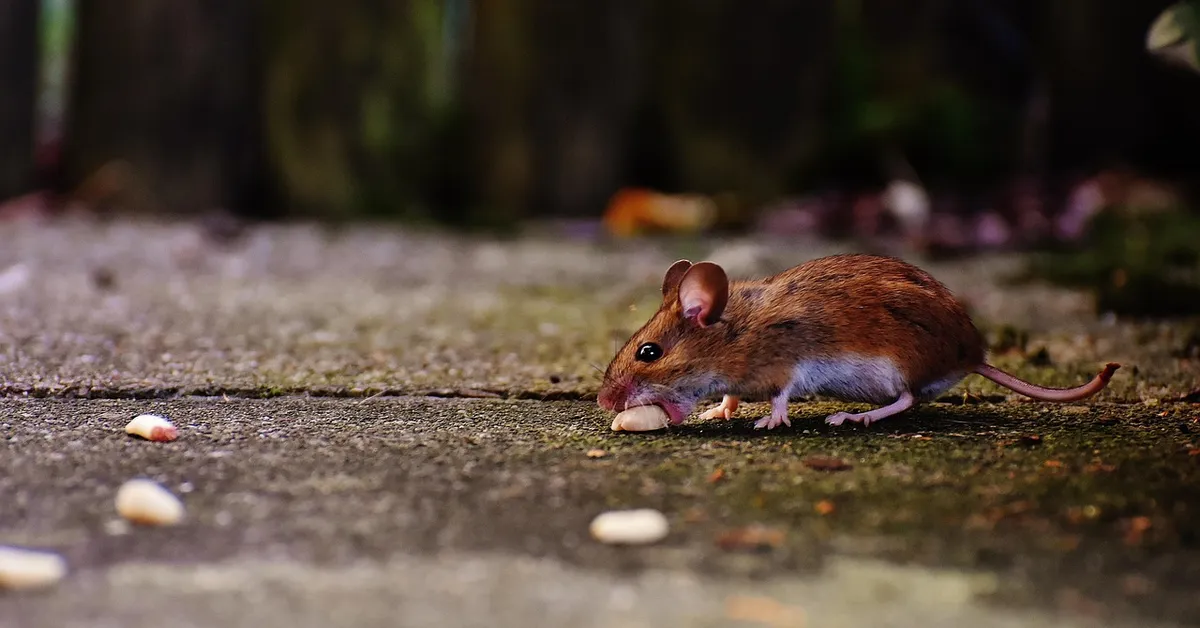
Yes, the vast majority of adult mice are lactose intolerant, and understanding this is a cornerstone of responsible pet ownership. This isn’t a minor dietary preference but a fundamental biological reality that directly impacts their digestive health. Just like many adult humans, their bodies lose the ability to properly break down the sugar found in milk after they are weaned.
Why Baby Mice Can Handle Milk But Adults Can’t
Baby mice, like all infant mammals, produce high levels of an enzyme called lactase. Lactase’s sole job is to break down lactose, the primary sugar in their mother’s milk, into simpler sugars their tiny bodies can absorb for energy and growth. Once a mouse is weaned onto solid foods, the genetic instruction to produce lactase gradually switches off. An adult mouse’s digestive system simply isn’t equipped to handle lactose, viewing it as an undigestible foreign substance.
I’ve observed this natural weaning process firsthand. The transition from milk to solid food is swift and complete. Offering dairy to an adult mouse is akin to giving them a food their body hasn’t been designed to process since infancy.
What Happens When Mice Consume Dairy Products
When a lactose-intolerant mouse eats dairy, the undigested lactose travels to their large intestine, where gut bacteria begin to ferment it. This fermentation process creates gas, leading to painful bloating, cramping, and significant discomfort for your small pet. Furthermore, the presence of this unprocessed sugar draws excess water into the intestines, resulting in diarrhea. You may notice loose, watery droppings or an increase in frequency. Noting these poop changes is an important part of monitoring your mouse’s digestive health.
For a creature as small as a mouse, diarrhea is not just messy; it’s dangerously dehydrating. A single episode of diarrhea can rapidly deplete a mouse’s fluid reserves, posing a serious health risk that requires immediate attention. Fresh, clean water is vital for recovery, helping replace lost fluids and supporting normal bodily functions. Always provide uncontaminated water daily—dirty or stagnant water can worsen illness and delay healing.
Recognizing Lactose Intolerance Signs in Your Pet Mouse
Being able to spot the signs of a negative reaction is your first line of defense. The symptoms can appear relatively quickly after ingestion. Watch for a hunched posture, a bloated or tender abdomen that they might avoid you touching, and a noticeable lack of their usual energy and playfulness. You may also hear faint gurgling sounds from their stomach.
- Loose, watery, or unusually smelly droppings
- A puffed-up appearance and lethargy
- Audible gut gurgles or signs of abdominal pain
- Decreased appetite and water consumption
If you notice any of these symptoms, the most important step is to remove the dairy source immediately and ensure they have plenty of fresh water. Providing a quiet, stress-free environment is crucial to help their sensitive digestive system settle.
How Much Dairy Is Too Much
For an adult mouse, the safe amount of dairy is effectively zero. Their bodies are so small that even a tiny piece of cheese or a lick of yogurt can be enough to trigger a painful and disruptive reaction. There is no “small treat” threshold when it comes to lactose for them.
While some pet owners might note that certain aged, hard cheeses (like cheddar or parmesan) or yogurts with live cultures have trace lactose levels, I firmly believe it’s not worth the risk. A mouse’s diet is already rich and varied without needing to include potentially problematic human foods like dairy. My mouse, Gregory, has never had dairy in his life and thrives on a balanced diet of lab blocks, fresh veggies, and the occasional seed. They simply do not need it.
What to Do If Your Mouse Eats Dairy
Don’t panic if you see your mouse nibble on a bit of cheese. A tiny amount might not cause any issues, but you should watch them closely for the next few hours. Look for signs of a soft belly, unusual stillness, or changes in their droppings, as these can indicate digestive upset. Make sure their water bottle is full and working, as hydration is the most important thing you can provide to help their system process the unfamiliar food. If they seem perfectly fine, consider it a lucky break and choose a different treat next time.
Safe Alternatives to Dairy Treats
You have so many wonderful, mouse-friendly options that are far safer and more exciting than dairy. I love offering my boys a varied menu of these healthy snacks.
- Protein Power: A single, plain, cooked mealworm or a tiny piece of hard-boiled egg provides excellent protein without the stomach trouble.
- Seed & Nut Medley: A single sunflower seed, a sliver of unsalted peanut, or a piece of walnut are high-value treats that my mouse Kenny goes absolutely wild for.
- Veggie Delights: Small pieces of broccoli, a pea, or a carrot shaving are packed with nutrients and provide a satisfying crunch.
- Fruity Bites: A tiny bit of apple (no seeds!), a single blueberry, or a fragment of banana are sweet treats that my mouse Jeffery adores. Always offer fruit sparingly due to the sugar content.
- Whole Grains: Cooked, plain oatmeal or a single piece of whole-wheat pasta are fantastic, bland options that are gentle on sensitive stomachs.
Keeping Your Pet Mouse Comfortable and Healthy
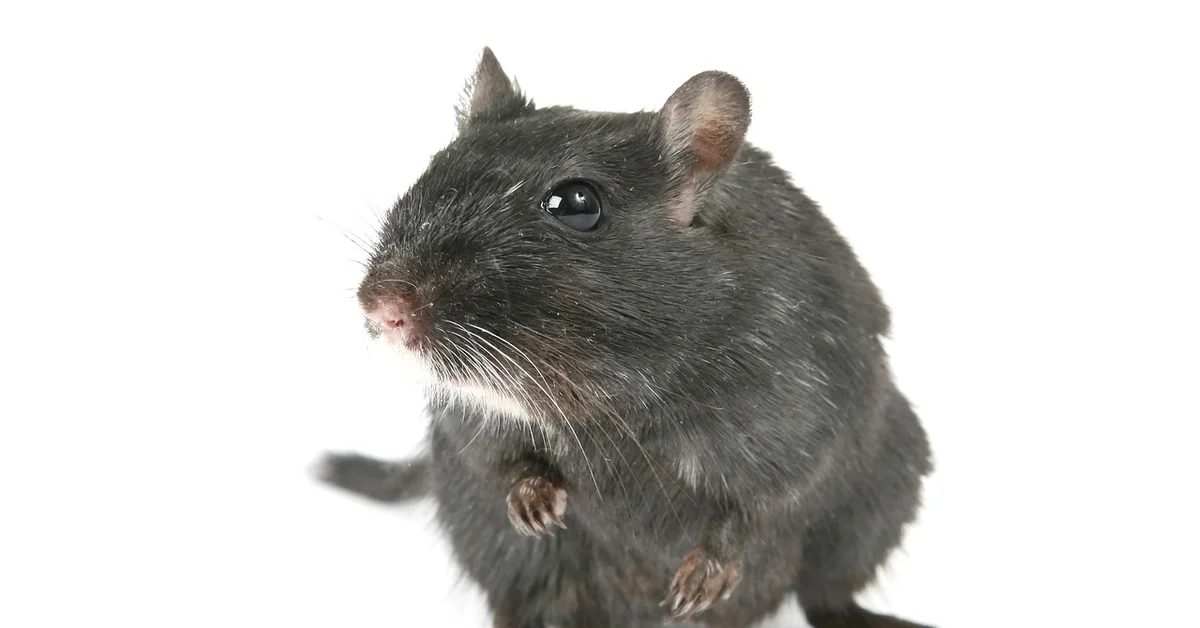
A mouse’s comfort is deeply tied to their biology. Since they can’t sweat, managing their environment is your most important job as an owner. Always position their habitat away from direct sunlight, heating vents, and drafty windows to maintain a stable, comfortable temperature. I keep a small thermometer near my mice’s cage to monitor the ambient temperature, aiming for a steady range that doesn’t fluctuate wildly. It’s just one of the ways to check their health at home.
Provide plenty of bedding for burrowing and different textures for them to explore, like shredded paper and aspen wood shavings. My older mouse, Gregory, especially appreciates a deep layer he can tunnel through for a quiet nap. Good ventilation in the room is also vital to prevent stuffiness and ensure they always have access to fresh air. On unusually warm days, you can place a ceramic tile or a small, frozen water bottle wrapped in a thin cloth in a corner of the cage, giving them a cool spot to lounge against if they feel overheated. When positioning the cage, choose a quiet, well-ventilated spot out of direct sunlight and away from drafts or heat sources. Placing it on a stable, elevated surface at eye level keeps them safe from other pets and makes it easier to monitor their well-being.
Frequently Asked Questions
Do mice lay eggs?
No, mice do not lay eggs. As mammals, they give live birth to fully developed young called pups, which is essential knowledge for pet owners to understand their reproductive behavior and provide appropriate nesting materials.
Do mice sweat?
Mice do not sweat from their skin like humans to cool down. They rely on methods such as seeking shade or spreading saliva through grooming, so pet owners should ensure their habitat has cool areas and good ventilation to prevent overheating.
Are mice lactose intolerant?
Yes, most adult mice are lactose intolerant and cannot digest dairy products properly. Offering alternatives like small pieces of vegetables or cooked eggs can prevent digestive discomfort and keep your pet healthy.
Your Mice Biology Journey
Grasping these core biological facts transforms you from a simple pet owner into a truly understanding mouse guardian. You now know they are mammals that give live birth, regulate their temperature without sweating, and often struggle to digest dairy as they age.
Let this knowledge build your confidence as you observe your own mice’s unique behaviors and preferences. Every squeak, grooming session, and food choice is a small window into their fascinating biological world, enriching the wonderful bond you share. Notice how self-grooming keeps them clean. Changes in grooming habits can also be an early sign of stress or illness.
Further Reading & Sources
- Is there a link between lactose and body odor? | HowStuffWorks
- Genomic Analyses Reveal Why The Platypus Lays Eggs And Sweats Milk | IFLScience
- r/PetMice on Reddit: So I thought I read that mice were ok to drink milk. So I gave her a tiny capful and she loved it
Isabella is a passionate small pet enthusiast with over 8 years of experience in caring for mice. She loves sharing practical tips and heartfelt stories to help fellow mouse owners provide the best care for their tiny companions.
Mouse Biology & Anatomy