
Tom and Jerry: A Mouse Owner’s Look at the Iconic Cat-and-Mouse Chase
Have you ever watched Tom and Jerry’s frantic pursuits and wondered how they stack up against the gentle, curious nature of real pet mice? As someone who has shared my home with mice like the adventurous Kenny and the cheerful Jeffery, I know the cartoon can paint a misleading picture of these intelligent creatures. This guide will bridge the gap between animation and reality, offering a clear perspective on what makes Tom and Jerry timeless while honoring the truth about mouse behavior.
We will explore the show’s enduring appeal, compare its slapstick humor to the actual habits of mice, and highlight why understanding both can deepen your appreciation for the series and for pet mice.
What Is Tom and Jerry and Why Does It Matter to Mouse Owners?
The Origins of the Iconic Cat-and-Mouse Duo
Created by William Hanna and Joseph Barbera, Tom and Jerry first bounded onto screens in 1940 with the short “Puss Gets the Boot.” This wasn’t just another cartoon; it was a masterclass in visual comedy built on a simple, timeless premise. The duo’s seven-decade legacy has fundamentally colored how society perceives the relationship between cats and mice.
The animation style was revolutionary for its time, relying on expressive movement and exaggerated physics rather than dialogue. This choice amplified the physical comedy, making the slapstick violence seem more surreal and less cruel to audiences. This artistic decision created a lasting, though not entirely accurate, impression of mouse behavior for generations of viewers.
How Tom and Jerry Shaped Our View of Pet Mice
For many of us, this cartoon was our first introduction to the idea of a mouse as a clever, even heroic, character. Jerry is portrayed as a quick-witted survivor, constantly outsmarting his larger, slower opponent. This portrayal gives mice a personality and intelligence that real-life pet owners quickly recognize in their own companions. It helped pave the way for later famous animated mice like Fievel from An American Tail and Remy from Ratatouille. Those characters continue the tradition of making small rodents feel brave, resourceful, and relatable.
Observing my own mice, like the ever-inquisitive Kenny, I see echoes of that Jerry-esque curiosity. He’ll carefully survey a new object before deciding on his approach, showing a clear thought process. Yet, the cartoon also creates a significant disconnect between fiction and the delicate reality of pet mouse care. The show’s constant high-stakes chases and violent gags are a far cry from the peaceful, secure environment our tiny friends truly need to thrive.
- Positive Influence: It framed mice as intelligent, resourceful beings worthy of our affection and interest.
- Misleading Portrayal: It normalized a high-stress, predator-prey dynamic that is harmful and frightening for actual pet mice.
- Lasting Impact: It created a cultural touchstone that many new owners must “unlearn” to provide proper, empathetic care.
Understanding Real Mouse Behavior Through the Tom and Jerry Lens
Why Mice Actually Run and Hide (It’s Not Just From Cats)
In the cartoon, Jerry’s sprints are always a direct reaction to Tom. In your home, a mouse’s sudden dash for cover has a much broader vocabulary. Running and hiding are fundamental, instinctual behaviors for mice, hardwired for survival long before a cat ever enters the picture. They are prey animals, and their entire world is built on assessing potential threats.
A sudden noise, a shadow moving too quickly, or even a new smell can trigger this flight response. My mouse Jeffery, for instance, is particularly sensitive; a dropped pen can send him scuttling to his hideout. Providing ample hiding places-like tunnels, igloos, and deep bedding-isn’t a luxury; it’s a critical component of their mental well-being. It allows them to feel safe and in control of their environment, reducing chronic stress.
- They are assessing a new or sudden change in their environment.
- They feel exposed and seek the comfort and security of a confined space.
- They are following a natural instinct to stay near walls and covered pathways (thigmotaxis).
Do Pet Mice Really Love Cheese Like Jerry?
This is perhaps the most enduring myth the show perpetuated. While Jerry was often pictured with a wedge of Swiss, the truth is far less cheesy. In reality, cheese is not a natural part of a mouse’s diet and can actually cause digestive upset if given in large quantities. Their bodies aren’t designed to process high levels of dairy fat.
Mice are omnivores with a strong preference for grains, seeds, and some fruits and vegetables. A high-quality lab block should form the cornerstone of their diet. For treats, my mice go absolutely wild for a tiny piece of cooked plain chicken, a bit of scrambled egg, or the occasional sunflower seed. Gregory, my older gentleman, shows more excitement for a bit of aged cheese than the younger ones, but it remains a very rare, tiny offering. I always ensure these treats fit within the mouse food pyramid diet to keep them well-balanced and healthy.
Their enthusiastic nibbling is better directed toward species-appropriate snacks. Focus on providing variety with safe, healthy options like broccoli florets, small apple pieces, or cooked pasta to see their true culinary joy.
- Staple Diet: A nutritionally complete lab block available at all times.
- Healthy Treats: Fresh vegetables (broccoli, carrot), occasional fruit (apple, banana), and lean proteins (cooked egg, chicken).
- Rare “Jerry” Treats: A minuscule crumb of mild cheese, offered no more than once a month as a special novelty.
Can You Keep Cats and Pet Mice in the Same Home?
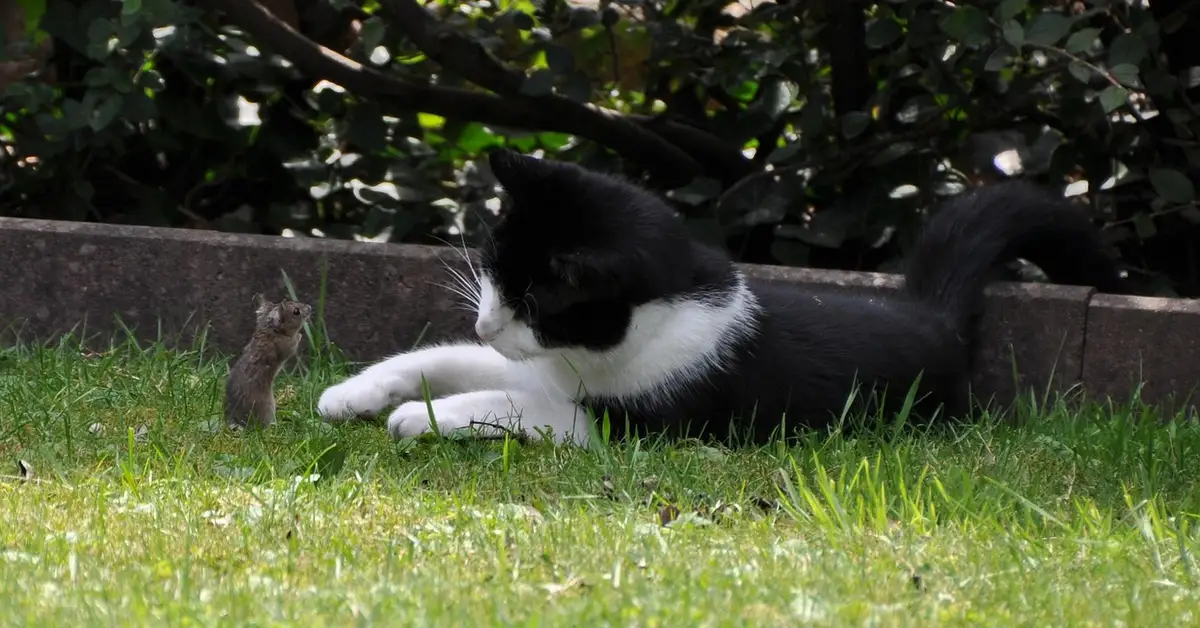
This is perhaps the most common question I receive from new mouse guardians, and my answer is always rooted in realism over cartoon fantasy. While it’s physically possible to house both species under one roof, it requires meticulous planning and constant vigilance to ensure your mice never feel like they’re in an episode of their own lives. I’ve managed this dynamic myself, and it hinges entirely on creating absolute, fail-safe separation. It’s especially crucial when keeping mice with other pets.
What Tom and Jerry Gets Right About Cat Behavior
The classic cartoon brilliantly illustrates core feline instincts that every mouse owner should recognize. Tom’s single-minded focus, his pouncing posture, and the twitch of his tail are not just for comedy—they’re reflections of a predator’s hardwired programming. But prey animals aren’t mere targets—mice also show consistent behavioral differences like boldness, curiosity, or shyness. That raises the question: do mice have individual personalities?
- Prey Drive is Instinctual: A cat’s urge to chase small, fast-moving creatures is not a choice; it’s an innate behavior. The skittering sounds and quick movements of your mice can trigger this drive instantly.
- They are Patient Observers: Like Tom waiting outside a mouse hole, cats will spend hours watching a cage. This isn’t just curiosity; it’s stalking. This constant attention can be a significant, silent stressor for your pets.
- Play Mimics Hunting: What looks like playful batting is practice for a real hunt. Never interpret a cat’s “gentle” interaction with a cage as harmless.
Understanding these behaviors is the first step in respecting the nature of both your predator and prey pets. My cat, for instance, is the sweetest creature in the world-until she hears the rustle of bedding from the rodent room. Her entire body language shifts in a second, a living testament to what the cartoon depicts.
Creating a Safe Environment When Both Species Share Your Space
Safety is not negotiable. Your mouse’s enclosure must be a fortress, a place where they can eat, sleep, and play without a single whiff of predatory threat. That means choosing only safe woods and properly prepared branches for their cage. This guide will help you identify which woods are safe and how to prep branches before adding them to the enclosure.
- Designate a Cat-Free Room: The most effective strategy is to keep your mice in a room your cat cannot access. A simple door is your best tool for peace of mind.
- Invest in an Escape-Proof Enclosure: A tank with a securely locked, ventilated lid is non-negotiable. Bar spacing must be narrow enough that no paw or whisker can intrude-typically less than 1/4 inch.
- Elevate the Cage: Place the habitat on a stable, tall stand. This reduces the “looming” effect and makes it harder for a cat to settle directly on top of it.
- Manage the Scents: A cat’s sense of smell is powerful. Regularly cleaning around the cage helps, but be mindful that your scent on the mice can also attract interest.
My rule is simple: if I am not in the room to supervise, the door is closed and the cat is out. This has allowed my curious Kenny to explore his playpen without ever seeing the feline resident of our home, preserving his bold spirit without risk.
Tom and Jerry-Inspired Enrichment Ideas for Your Pet Mice
While we don’t want our pets reenacting the chase, we can borrow the show’s spirit of adventure and clever problem-solving to create a stimulating environment. An enriched mouse is a happy mouse, and these activities tap directly into their natural instincts to explore, forage, and navigate complex spaces. To bring this idea to life, choose enrichment toys that challenge their curiosity and reward problem-solving. Below are the best enrichment toys for stimulating a mouse’s mind, including puzzle feeders, tunnels, and interactive foraging toys.
Build a “Mouse Hole” Hideaway System
Jerry’s network of hideouts is the epitome of safe, connected spaces. You can recreate this using cardboard tubes, PVC pipes of various diameters, and small cardboard boxes with connecting holes.
- Use toilet paper and paper towel tubes as quick, disposable tunnels.
- Connect small boxes with these tubes to create a multi-room “apartment.”
- Always have at least two entrances/exits to any hideout to prevent one mouse from trapping another.
My mouse Jeffery, who is often a bit anxious, absolutely flourishes when he has a little maze of hideaways to dart through; it gives him a sense of security and control. If your pet mouse seems frightened, offering similar hideaways and a calm, predictable routine can ease its fear and reduce overall anxiety. Gentle handling and quiet, consistent care also go a long way in helping a scared pet feel safe.
Create Obstacle Course “Chase Scenes” for Exercise
Design a safe, predator-free “chase scene” for your mice to navigate during out-of-cage playtime. Use items from around your house to build a mini assault course. When children join in, closely supervise and teach them to handle mice gently—cupped hands, slow movements, and returning them to the cage promptly. Remind kids to wash their hands before and after play and to keep the course low to the ground to avoid falls.
- The Rope Bridge: Suspend a thick piece of rope between two stable platforms.
- The Tube Crawl: Create a tunnel section using a longer cardboard tube or a plastic tunnel from a pet store.
- The Mountain Climb: Pile up some hardcover books for them to scale.
- The Leaping Gap: Place two platforms a short distance apart to encourage a jump.
Watching my energetic Kenny navigate a course like this is pure joy; he approaches each challenge with the determination of a hero on a mission.
Puzzle Feeders and Treat Hunts
Jerry was always outsmarting Tom to get his cheese. Engage your mice’s brilliant little brains by making them work for their food.
- Hide their daily seed mix inside a crumpled brown paper bag or within a sealed cardboard egg carton they have to shred.
- Use a small, clean puzzle ball designed for small animals that dispenses food as they roll it.
- Scatter their food throughout the bedding instead of using a bowl. This encourages natural foraging behavior.
This kind of mental stimulation is just as tiring as physical exercise and can help prevent boredom-related behaviors. My older mouse, Gregory, may move at a more measured pace, but he is the most determined when it comes to solving a food-based puzzle.
Where Can You Watch Tom and Jerry with Your Family?
The classic antics of this duo are more accessible than ever. You can typically find various collections and episodes available for streaming on platforms like Boomerang, HBO Max, and often through rental services like Amazon Prime Video. A quick search on your preferred streaming service will usually yield results, as the series has a permanent home in the streaming world.
Is Tom and Jerry Appropriate for Children Who Own Pet Mice?
This is a nuanced question. The cartoon is a masterpiece of physical comedy, but its portrayal of interspecies dynamics requires context for a young pet owner.
- It’s Cartoon Violence: The anvil drops and explosions are clearly fantastical. Use these moments to discuss the difference between cartoon fiction and real-life animal care.
- Highlight the Friendship: Despite the conflict, Tom and Jerry often show moments of camaraderie. Point out these scenes to emphasize that animals can have complex relationships.
- Reinforce Your Reality: Continuously remind your child that in your home, the mouse is a beloved family member who is always kept safe and separate from any other pets. The cartoon is a silly story, but your pet’s well-being is a serious responsibility.
Watching together provides a fantastic opportunity to talk about empathy, respecting an animal’s nature, and the immense responsibility we have as pet guardians.
What the Tom and Jerry Meme Culture Says About Mouse Popularity
Scrolling through social media, you’ll inevitably find a Tom and Jerry meme capturing a perfectly relatable moment. This enduring digital life reveals something profound about our collective affection for mice. The constant reinvention of Jerry in memes shows how we see our own cleverness and resilience reflected in these small creatures. We don’t just laugh at the cartoon; we identify with the mouse.
Think about the most popular formats: Jerry looking smug after a victory, or the two characters unexpectedly sharing a moment of peace. These scenes resonate because they mirror the complex, intelligent personalities we observe in our own pet mice. My mouse Kenny, for instance, has that same triumphant look after successfully navigating a new cardboard maze. Meme culture has solidified the mouse not as a pest, but as a symbol of wit and tenacity against larger forces.
- Relatability: Memes often show Jerry outsmarting Tom, a dynamic that appeals to anyone who has ever felt like the underdog.
- Emotional Range: From scheming to sympathetic, the memes highlight a full spectrum of emotions we now know pet mice genuinely possess.
- Intelligence Amplification: Viral clips frequently focus on Jerry’s elaborate plans, reinforcing the idea of mice as clever problem-solvers.
Other Characters in the Tom and Jerry Universe
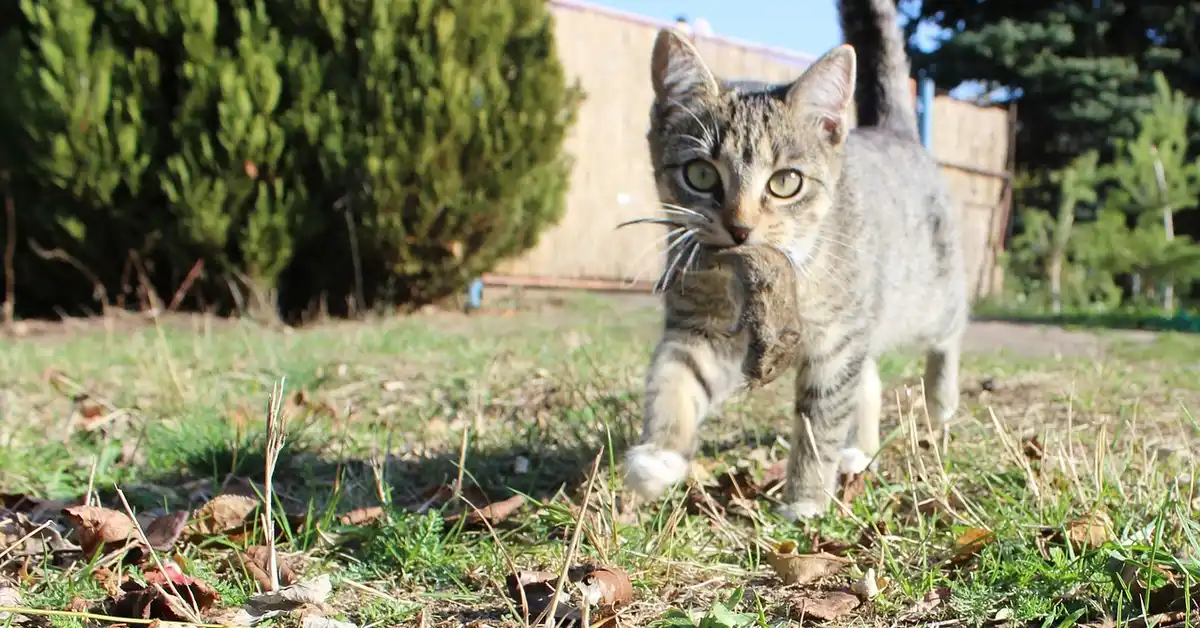
Beyond the famous duo, the world of Tom and Jerry is populated by characters that wonderfully mirror the diverse social dynamics you might see in your own mouse enclosure. Each one offers a parallel to the different personalities that can coexist in a mischief.
Spike the Bulldog, for example, is that grumpy but ultimately soft-hearted presence. He tolerates the chaos but has clear boundaries. This reminds me of my older mouse, Gregory, who maintains a calm, steady authority without ever being truly aggressive. He’s the stable foundation that allows the more energetic mice to thrive.
Then there’s the tiny, meek Jerry cousin, Tuffy (or Nibbles). This character is all about vulnerability and the need for protection. Seeing Jerry care for Tuffy directly parallels how a bonded group of mice will look out for their more timid cage mates. My Jeffery often takes on this role, and it’s touching to see how Kenny and Gregory naturally include and watch over him during playtime.
- Butch the Cat: Represents an external, more volatile threat. In mouse care, this translates to being mindful of loud noises and sudden environmental changes that can stress your pets.
- Quacker the Duckling: Embodies innocent, clumsy energy that disrupts the status quo, much like introducing a new, young mouse to an established group.
- Tom’s Various Owners: These distant, often unseen figures symbolize the larger world that mice must navigate, reminding us to provide a secure and predictable home base.
Observing these interactions in the cartoon can actually make you a more attentive owner. You start to recognize the roles your own mice play and appreciate how their unique traits create a balanced, social ecosystem. It’s a beautiful reminder that every member of your mischief, from the boldest explorer to the most anxious observer, has an important place. You’ll also start to notice how they interact with you — mice can learn to recognize their owners by scent, voice and routine. Noticing these responses strengthens your bond and helps you meet their needs.
Frequently Asked Questions
What is the Tom and Jerry movie?
The Tom and Jerry movie typically refers to various feature-length films that expand on the classic cartoon’s premise, blending the duo’s slapstick chases with longer narratives and sometimes additional characters. These movies, like the 1992 animated film or more recent releases, offer family-friendly entertainment but should be viewed with the understanding that they amplify fictional chaos, which contrasts sharply with the peaceful, secure environment real pet mice need to thrive.
What is Tom and Jerry Tales?
Tom and Jerry Tales is a television series from the 2000s that produced new episodes in the style of the original shorts, focusing on self-contained comedic adventures. For mouse owners, it’s a fun watch that reinforces the clever, resourceful image of Jerry, but it’s essential to remember that real mice thrive on calm, predictable routines rather than the constant high-energy escapades shown on screen.
What is Tom and Jerry: Forbidden Compass?
Tom and Jerry: Forbidden Compass is a direct-to-video movie that follows the pair on a treasure-hunting adventure, introducing new settings and challenges. While it provides lighthearted fun, mouse caregivers can use it as a conversation starter about how real mice, unlike Jerry, require safe, enriching habitats without the stress of unpredictable threats or dramatic pursuits.
Wrapping Up
While Tom and Jerry’s playful rivalry sparks laughter, your real-life mice thrive on gentle care and thoughtful companionship that honors their true nature. Observing their unique quirks and needs transforms pet ownership into a rewarding journey of mutual trust and joy.
Embrace the lessons from their animated adventures to create a home where your mice feel secure, curious, and cherished every day. With patience and attention, you’ll build a bond far richer than any cartoon chase scene. This complete guide to taming a scared, skittish mouse offers gentle, step-by-step methods to build trust. Follow these tips to help nervous flinches turn into confident curiosity.
Further Reading & Sources
- Tom and Jerry: Chase Official Website
- Tom and Jerry: Chase | Tom and Jerry: Chase Wiki | Fandom
- Tom and Jerry: Chase | Tom and Jerry Wiki | Fandom
Isabella is a passionate small pet enthusiast with over 8 years of experience in caring for mice. She loves sharing practical tips and heartfelt stories to help fellow mouse owners provide the best care for their tiny companions.
Mice in Culture & Media