
How to Choose a Humane Wildlife Removal Service
Have you ever discovered a wild animal has made a home in your attic or walls and felt unsure how to resolve the situation without causing stress or harm? Drawing from my own experiences with pet mice like Kenny and Gregory, I understand how vital it is to handle wildlife encounters with care and respect, which is why I created this guide to simplify your search for a compassionate professional.
You’ll find a clear, step-by-step approach to vetting services that align with your values for ethical treatment. This article will detail how to assess a company’s commitment to humane methods, the key credentials to look for, and practical ways to ensure the safety of both the animals and your home.
Why Mouse Pet Owners Need Professional Wildlife Control
When you share your home with pet mice, the arrival of wild rodents presents a unique and delicate challenge. Your empathy for small creatures makes standard pest control feel deeply wrong. Your existing knowledge of mouse behavior becomes a double-edged sword, allowing you to appreciate the complexity of the situation rather than just seeing a simple pest problem. You understand their intelligence and drive to survive.
Wild mice can introduce parasites, illnesses, and immense stress to your cherished pets. A DIY approach often leads to prolonged stress for everyone, including you. Hiring a professional who specializes in humane methods is the most compassionate choice for both your domestic companions and their wild counterparts. It resolves the conflict safely and respectfully, honoring the bond you have with all small life. They can also carry dangerous zoonotic diseases that pose risks to both pets and people. See our wild mice dangerous zoonotic diseases guide for symptoms, prevention, and safe-handling advice.
What Makes Wildlife Removal Truly Humane
True humane removal is a philosophy, not just a set of tools. It respects the intrinsic value of the animal’s life from start to finish. A genuinely humane service focuses on exclusion and prevention, aiming to solve the *why* of the intrusion, not just the *who*. They see the animal not as a nuisance to be eliminated, but as a creature following its instincts, simply in the wrong place.
This approach requires patience and a deep understanding of animal behavior. The goal is a long-term solution that causes the least amount of fear and disruption to the animal. Look for companies that prioritize sealing entry points and modifying habitats over repeated trapping. Their methods should be transparent, and their primary concern should always be the welfare of the animal in their care.
Understanding Live-Capture and Relocation Methods
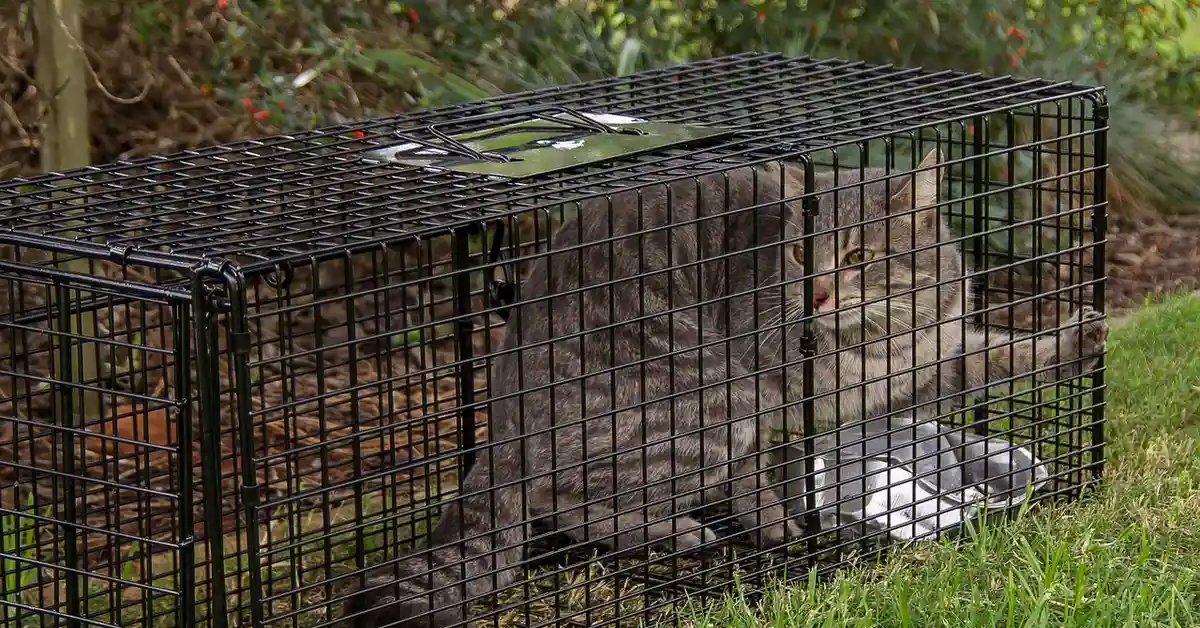
Live-capture is more than just setting a box trap. The details of its execution define its humanity.
- Appropriate Trap Design: Traps must be the correct size, well-ventilated, and checked frequently-ideally every few hours-to minimize the animal’s confinement and distress.
- Strategic Placement: Professionals place traps along runways and in areas of known activity, not just randomly. This increases effectiveness and reduces the time an animal might spend investigating a trap.
- The Critical Relocation Step: Relocation is not simply driving a few blocks away. Animals must be released in a suitable habitat with adequate food, water, and shelter, far enough away to prevent their immediate return. Releasing a mouse into an established rival’s territory is a death sentence.
Why No-Kill Practices Matter for Pet Mouse Owners
For those of us who share our lives with pet mice, the choice for no-kill is deeply personal. We see the individual personalities in our own pets-the curiosity of a Kenny, the calm wisdom of a Gregory-and we know that wild mice possess that same spark of life. Choosing a no-kill service is a direct extension of the compassion we show our own animals every single day. It aligns our actions with our values.
Beyond ethics, there are practical reasons. Lethal control often creates a vacuum effect, where new animals quickly move into the now-available territory. No-kill, exclusion-based methods provide a permanent solution by making your home inherently less attractive to wildlife. It breaks the cycle peacefully, ensuring the safety of your pet mice without compromising your conscience.
It also protects your pets. Poisonous baits and glue traps are indiscriminate and pose a direct threat to curious pets who might find them. Humane wildlife control safeguards your entire household, both the intended family members and the unexpected wild guests.
Essential Qualifications to Verify Before Hiring

Licensing and Certification Requirements
Never hire a wildlife professional without confirming their official credentials first. A valid license proves they have passed state-mandated training on safe and legal wildlife handling procedures. Look for certifications from organizations like the National Wildlife Control Operators Association (NWCOA), which indicates advanced, humane-focused education. I always ask to see a physical or digital copy of their current license; a reputable company will provide it willingly.
- State-issued wildlife control operator license
- NWCOA Certification or similar accredited program
- Membership in professional wildlife management associations
- Proof of ongoing education in humane techniques
Insurance Coverage for Wildlife Removal Work
Accidents can happen, even with the most careful experts. Proper insurance protects you, your home, and the workers from unexpected damage or injury during the removal process. Request a Certificate of Insurance that clearly shows both liability and worker’s compensation coverage. I learned this the hard way years ago when a different contractor caused minor property damage; adequate insurance made the resolution seamless and stress-free.
- General liability insurance of at least $1,000,000
- Current worker’s compensation for all employees on-site
- Proof of insurance provided directly from their provider
Knowledge of Wildlife Relocation Laws
Relocating a wild mouse isn’t as simple as driving it to a nearby park. Many states and municipalities have strict laws governing where and how wildlife can be released to prevent disease spread and ecological disruption. A qualified professional will explain your local regulations in plain language. They should describe approved relocation sites and have a clear plan that complies with all Department of Fish and Wildlife guidelines.
- Understanding of local and state relocation distance requirements
- Knowledge of protected areas and seasonal restrictions
- Procedures for handling potentially sick animals
How to Evaluate a Company’s Humane Approach
Questions That Reveal Their Methods
The terminology a company uses tells you everything about their philosophy. Ask direct, open-ended questions that force them to detail their process rather than just reassuring you. Pay close attention to whether they say “exclusion” and “relocation” or default to “extermination” and “baiting.” When I interviewed services for a past issue, the most compassionate one spent twenty minutes explaining their live-trapping protocol without me even asking.
- “What is your step-by-step process for a typical mouse removal?”
- “Do you use live traps, and what happens to the animal after capture?”
- “How do you ensure non-target animals, like my pet mice, are not harmed?”
- “What is your policy on using poisons or glue traps?”
Red Flags That Signal Inhumane Practices
Some warning signs are immediate deal-breakers for anyone who cares about animal welfare. A company that cannot clearly articulate their humane methods or emphasizes lethal control as a first resort should be avoided completely. Vague answers, pressure to sign a contract immediately, or a refusal to let you observe their work are all major concerns. I once ended a consultation the moment the technician casually mentioned glue traps as a “standard solution.”
- Immediate promotion of poisons or lethal methods
- Unwillingness to explain their techniques in detail
- No clear answer about what happens to the animal after capture
- Heavy focus on cost over compassionate methods
Assessing Experience with Mouse-Specific Situations
How Mouse Removal Differs from Other Wildlife
Mice present unique challenges that require a specialist’s touch. Their small size and rapid breeding cycles mean an effective strategy focuses on exclusion and prevention, not just removing a few individuals. A professional experienced with mice will look for entry points as small as a dime and understand their nocturnal habits. They know that simply trapping a few mice without sealing the home is a temporary fix, as my curious Kenny once proved by finding a gap I thought was too tiny (most likely an entry point or a nesting spot).
- Expertise in identifying and sealing minuscule entry points
- Understanding of mouse behavior and social structure
- Knowledge of safe, species-appropriate live traps
- Focus on long-term exclusion and habitat modification
Protection Strategies for Your Pet Mice During Removal
Your beloved pets’ safety is the highest priority during any wildlife control operation. Create a secure bubble for your pet mice by moving their enclosure to a sealed, quiet room away from all activity. I always move my boys’ cage to a bathroom with the door closed and a towel blocking the bottom gap. Discuss a detailed safety plan with the removal service beforehand, ensuring they know exactly where your pets are located and agree to avoid that area entirely. Make sure you know how to handle your pet mice safely yourself, so you can provide proper care once they’re back in their familiar environment.
- Relocate your pet mouse enclosure to a separate, sealed room
- Use sound-dampening materials to reduce stress from noises
- Provide extra hiding spots and familiar bedding for comfort
- Confirm the removal team will not place traps or devices near the safe room
Understanding the Removal Process and Timeline
Initial Inspection and Assessment
A truly humane professional will start by walking through your home with you, listening carefully to your experiences. They are looking for the subtle signs you might miss, like tiny greasy smudges along baseboards or the faint rustling sounds within walls that indicate active travel routes. This isn’t just about finding the problem; it’s about understanding the mice’s behavior. They should explain exactly what they’ve found, how many mice they suspect are present, and outline a clear, step-by-step plan that prioritizes non-lethal methods first. This initial visit sets the tone for the entire process, establishing trust and a shared goal. They should also review humane no-kill mouse traps—explaining which models work best, where to place them, and how to check and release mice safely. Choosing well-reviewed no-kill traps helps ensure captures are effective and low-stress.
Exclusion and Animal-Proofing Work
This is the heart of humane removal-making your home permanently inaccessible. It’s meticulous work that goes far beyond stuffing steel wool into a hole. The goal is to seal every potential entry point, from the gap under the garage door to the space around utility pipes, using durable materials like copper mesh, hardware cloth, and specialty sealants that rodents cannot chew through. For guidance on how to seal your home effectively, refer to this comprehensive mouse-proofing guide. A quality service will perform this work systematically, often from the roof line down to the foundation. They understand that a mouse can fit through a crack the size of a dime, so their attention to detail must be impeccable to ensure no new visitors can replace the ones being encouraged to leave.
Follow-Up Visits and Monitoring
Humane wildlife control is rarely a one-and-done service. Effective companies schedule follow-up visits to check their one-way doors, inspect the integrity of their exclusion work, and confirm through non-lethal monitoring that the activity has ceased. This timeline can vary from a couple of weeks to over a month, as you patiently allow remaining mice to find the exits but not re-enter. I’ve learned that patience is vital here; rushing this process often leads to failure. A good service will communicate this timeline clearly and provide updates, ensuring you feel supported until the situation is fully resolved. You’ll know the mice are gone when you stop finding fresh droppings, hearing nighttime scurrying, or seeing new gnaw marks. The company’s non‑lethal monitoring (or cameras) should also show no recent activity to confirm the problem is solved.
How to Research Reviews and References
Your online research should be a deep dive, not just a glance at star ratings. Look for patterns in the language reviewers use. Pay close attention to reviews that specifically mention the company’s patience, their willingness to educate the homeowner, and their clear communication throughout a multi-week process. Be wary of services that only have reviews boasting about quick kills; this often indicates a reliance on traps rather than permanent exclusion. Don’t hesitate to directly ask the company for references from past clients who had similar mouse issues. A confident, ethical provider will be happy to connect you with someone who can vouch for their methods and long-term results.
- Search for keywords like “humane,” “exclusion,” “preventative,” and “educational” in reviews.
- Note how companies respond to negative feedback-it reveals their customer service philosophy.
- Ask in local community groups for personal recommendations; word-of-mouth is incredibly valuable.
- Verify their standing with organizations like the National Wildlife Control Operators Association (NWCOA).
What Wildlife Removal Services Cost
The price for professional humane removal is an investment in a permanent solution, not just a temporary fix. While the initial cost is higher than buying a pack of traps, you are paying for expertise, durable materials, and a guarantee that the problem will be solved without harm. DIY options may look appealing for the budget-conscious, but their apparent savings often vanish once you factor in time, repeated purchases, and incomplete solutions. When comparing DIY vs professional pest control, consider long-term cost-benefit: professionals often save money and stress over time by preventing recurrences. Expect a range, but understand that the value lies in the peace of mind and the knowledge that your home is now sealed against future invasions. The alternative—repeatedly dealing with new mice—becomes far more costly and stressful over time.
Factors That Affect Removal Pricing
Several key elements will influence your final bill. The size of your home and the severity of the infestation are the primary drivers, as a larger property with more activity requires more time and materials to secure properly. The location of the nest can also complicate the job, with attics and wall voids requiring more laborious access. The type of warranty offered is another factor; a company that provides a robust, long-term guarantee on their exclusion work often charges more upfront, but it’s a sign of confidence in their craftsmanship.
- Home Square Footage: Larger homes have more perimeter to seal.
- Infestation Severity: More mice mean more entry points and a longer process.
- Structural Complexity: Older homes or those with many additions present more challenges.
- Warranty Length: A longer guarantee on workmanship indicates quality.
When Emergency Service Is Worth the Cost
Most mouse situations allow for a methodical approach, but sometimes you need immediate help. An emergency call is justified if you have a mouse actively in a room with your pet mice, creating a direct risk of disease transmission or stress to your pets. The higher fee for after-hours service covers the technician’s immediate response and their focus on creating a critical barrier to separate the wild intruder from your pets. It’s a premium for instant action and expertise when the well-being of your animal companions is on the line.
Finding Humane Wildlife Removal Services Near You
Locating a service that aligns with your compassionate values requires a bit of detective work. A simple web search for “humane wildlife removal” often yields more targeted results than a generic pest control query. I always cross-reference these findings with reviews on platforms like Google and Yelp, paying close attention to keywords like “live trap,” “no poison,” and “relocation” mentioned by previous customers.
Your local animal shelters and wildlife rehabilitation centers are fantastic, often overlooked resources. These organizations frequently maintain lists of contractors they trust to handle animals with care and respect. Reaching out to them can connect you with professionals who see wildlife as patients, not pests.
Vetting Potential Services: The Crucial Questions
Once you have a shortlist, a direct phone call is your most powerful tool. Don’t hesitate to ask pointed questions. A reputable company will be transparent and happy to explain their methods.
- What is your primary method for capturing mice? The answer must involve live traps. Any mention of glue traps or snap traps is an immediate disqualification.
- Where do you relocate captured animals? They should describe a specific, appropriate habitat several miles away, not just “a field.” Proper relocation ensures the animal’s survival and prevents it from immediately returning.
- Do you offer exclusion services to prevent future entry? True humane removal is about solving the problem, not just the symptom. A good service will find and seal potential entry points.
- Are your methods safe for household pets? This is non-negotiable. They must guarantee their techniques pose no risk to your pet mice, cats, or dogs.
What Happens After Removal Is Complete
The departure of the wild mice is just the beginning of the next phase. Your immediate priority should be a thorough, pet-safe deep clean of the affected area to eliminate scent trails that could attract new visitors. I use a vinegar and water solution, which is effective yet non-toxic for my own curious boys, Kenny and Gregory. Make sure to avoid any cleaning products that are harmful to mice.
A critical, often missed step is monitoring for a brief period afterward. Keep an eye out for any new signs of activity, like droppings or noises in the walls, for about a week post-removal. This confirms the service was successful and that all entry points were properly sealed. I recall a time with a previous mischief where we thought the job was done, only to hear faint scratching a few days later-a lesson in vigilant follow-up.
Restoring Peace for Your Pet Mice
Your captive mice will likely have sensed the stress and commotion. You can help them feel secure again by providing extra hiding spots, their favorite treats, and maintaining a calm, quiet environment. I often find my little Jeffery appreciates a fresh pile of bedding to burrow in after any household disruption. If you keep mice with other pets, be extra cautious—supervise any interactions and keep mice in secure enclosures so they don’t get stressed or harmed. Watch their behavior; a return to normal exploration and play is the best sign that everyone is feeling settled again.
- Conduct a deep clean with pet-safe products.
- Reinforce your pet mice’s habitat security with new hides or tunnels.
- Observe your pets and the previously affected area for several days.
- Maintain your relationship with the removal service for any future questions.
Frequently Asked Questions
What does humane raccoon removal entail?
Humane raccoon removal focuses on live trapping and exclusion methods that prevent harm, using specially designed traps and sealing entry points to discourage return. Since raccoons are larger and more resourceful, professionals prioritize relocating them to suitable habitats away from residential areas, ensuring the safety of all animals, including pet mice, by avoiding toxic baits or inhumane traps that could pose risks.
Is humane squirrel removal similar to mouse removal?
While both emphasize no-kill practices and exclusion, squirrel removal often requires different techniques due to squirrels’ agility and ability to access higher entry points like roofs. For mouse pet owners, it’s crucial to hire a service experienced with various species to ensure methods like one-way doors or deterrents don’t inadvertently stress or endanger pet mice during the process.
How can I locate humane pest removal services near me?
Start by searching online with specific terms like “humane wildlife removal” and filter results based on reviews highlighting live trapping and exclusion. For mouse pet care, prioritize services that explicitly mention experience with small rodents and offer pet-safe guarantees, ensuring they understand the unique needs of households with captive animals like mice.
Your Path Forward
Finding a professional who aligns with your compassionate values is the most critical step. Your choice reflects a deep respect for all life, a principle you already practice every day with your own small companions. This careful selection ensures the wild mice are treated with the same dignity you afford your pets.
With the right service, you can resolve the situation effectively and humanely. You’ll gain peace of mind knowing you’ve protected your home without compromising your kindness, creating a safe environment for everyone involved. Trust the process and your own good judgment.
Further Reading & Sources
- Home – Humane Wildlife Control Inc
- Critter Control – The Best Wildlife Removal Company
- Choosing a wildlife control company for ethical animal removal | Humane World for Animals
Isabella is a passionate small pet enthusiast with over 8 years of experience in caring for mice. She loves sharing practical tips and heartfelt stories to help fellow mouse owners provide the best care for their tiny companions.
Humane Removal & Trapping