
What Is Good Bait for Mice? A Pet Owner’s Guide
Are you finding it tricky to pick treats that reliably draw your pet mouse out for interaction or training? As someone who has cared for mice for years, I will guide you through selecting the most appealing and safe baits that have consistently worked in my own experience.
This article will detail the top food options that mice naturally crave, offer step-by-step methods for using bait to build trust and encourage positive behaviors, and provide key safety tips to protect your mouse’s health.
Why Use Bait Treats for Your Pet Mouse
Using bait treats is about so much more than just giving your mouse a snack. Strategic baiting builds a bridge of trust between you and your tiny companion, transforming a skittish creature into a confident friend. I use bait to encourage my mice during handling sessions, making them associate my hands with wonderful things. It is the perfect tool for training them to come when called or to climb into a transport cup for cage cleaning.
Bait can also be a fantastic form of environmental enrichment. Hiding small, high-value food items encourages their natural foraging instincts and provides crucial mental stimulation. My curious mouse, Kenny, will spend a happy half-hour systematically searching his enclosure for a hidden sunflower seed, which is far better for his mind than simply finding food in a bowl.
What Pet Mice Actually Love to Eat
Understanding a mouse’s palate is key to successful baiting. Their preferences can be as unique as their personalities. Observing what makes your mouse’s whiskers twitch with excitement is the first step to becoming a master bait-provider. In a complete guide to taming a scared, skittish mouse, identifying and offering a favorite treat is one of the gentlest ways to build trust. Use small, patient steps—treats can coax shy mice closer and reinforce calm behavior. What sends one mouse into a frenzy might be politely ignored by another, so a little experimentation is part of the fun.
High-Value Treats That Work Best as Bait
These are the superstar baits, the ones that will have your mouse scurrying over in an instant. These special foods should be used sparingly to maintain their powerful appeal and to prevent health issues. I reserve these for the most important trust-building moments or for hiding in puzzle toys.
- Sunflower and pumpkin seeds (shelled or unshelled)
- Small pieces of unsalted nuts like walnut, peanut, or almond
- Fresh berries like blueberries or raspberries
- Minute scraps of cooked, unseasoned chicken or egg
- Live or dried mealworms and crickets
Moderate-Appeal Bait Options
This category includes healthy, everyday foods that mice enjoy. These reliable options are perfect for daily interaction and for scattering around the cage to promote natural foraging behavior. My mouse Jeffery, who is often a little hesitant, finds great comfort in these familiar foods.
- Small chunks of apple, banana, or broccoli
- Cooked whole grains like oatmeal, brown rice, or quinoa
- Whole-grain pasta or a tiny piece of whole-wheat bread
- Pea flakes or cooked green peas
- Small pieces of carrot or sweet potato
Foods That Seem Like Good Bait But Aren’t
Some foods look like they would be perfect for mice but can be ineffective or downright dangerous. Always err on the side of caution; a mouse’s digestive system is delicate and what is safe for us can be harmful to them. I made the mistake with a previous mouse of offering a small piece of citrus, and the disinterest was palpable. It’s important to know which foods are toxic to mice and should never be fed to them. Items like chocolate and caffeine can be dangerous, so always check before offering human snacks.
- Avoid all citrus fruits like oranges and lemons, as they are too acidic.
- Never give them candy, chocolate, or any processed human sweets.
- Salty foods like chips or pretzels can cause severe dehydration.
- Onions, garlic, and leeks are toxic to mice.
- Iceberg lettuce has very little nutritional value and can cause diarrhea.
- Raw beans and green potato skins contain harmful substances.
Foods You Should Never Use as Mouse Bait

While many human foods seem like tempting treats, several are outright dangerous for your small companion. Chocolate and candy contain theobromine and excessive sugar, both of which can cause severe digestive upset and are toxic to a mouse’s system. Always check a food’s safety before offering it.
- Citrus Fruits: Oranges, lemons, and limes are too acidic and can cause painful mouth sores.
- Raw Beans or Peanuts: These can contain toxins that interfere with nutrient absorption.
- Salty Snacks: Chips or pretzels can lead to fatal dehydration and kidney strain.
- Onions and Garlic: These damage red blood cells and can cause life-threatening anemia.
- Sticky Foods: Peanut butter, while a classic trap bait, is a major choking hazard for pet mice unless spread microscopically thin.
How to Choose the Right Bait for Different Situations
Selecting the perfect morsel isn’t just about what your mouse likes; it’s about what you want to accomplish. The context of your interaction should always guide your choice of bait, turning a simple snack into a powerful tool for communication and care. I’ve found that having a small “bait toolbox” makes every situation smoother.
Best Bait for Taming and Building Trust
When you are first getting to know a nervous mouse, you need a bait that encourages prolonged, positive interaction. Soft, aromatic foods that can be nibbled slowly are perfect for convincing a shy mouse that your hand is a source of good things. My mouse Jeffery, who was very anxious, responded beautifully to this approach.
- Baby food (pure vegetable or meat varieties)
- Mashed banana or avocado
- Cooked, plain pasta
- A tiny dab of yogurt on a spoon
Best Bait for Training and Recall
For teaching tricks or calling your mouse to you, the bait must be quick to eat and incredibly high-value. You want a treat that is consumed in one or two bites so your mouse stays focused on the task, not on chewing. This keeps the training session fast-paced and fun for both of you. Below is a step-by-step guide to target training mice that uses these bite-sized rewards. Use them as quick, consistent reinforcers as you progress through each step.
- Sunflower or pumpkin seeds (Kenny’s absolute favorite)
- Small pieces of unsweetened cereal
- Freeze-dried mealworms or shrimp
- Oat flakes
Best Bait for Handling and Transport
Moving your mouse to a play area or a travel carrier requires a distraction that buys you precious time. A large, engaging item that takes concentrated effort to eat will keep your mouse occupied and calm during the transition. This has been a game-changer for vet visits.
- A small dog kibble piece
- A chunk of hard cheese
- A stick of uncooked pasta (like a ziti tube)
- A small, pet-safe rice cracker
Best Bait for Medication Time
Hiding medication requires a strong-smelling, sticky food that will mask the taste and texture of the medicine. The goal is to find a paste-like substance your mouse will eagerly lick up without detecting the hidden remedy inside. My older mouse, Gregory, never suspected a thing.
- Meat-based baby food
- A tiny amount of cream cheese
- Banana mashed into a smooth paste
- Unsweetened applesauce
How to Present and Portion Bait Treats Properly
Even the world’s best bait can cause problems if offered incorrectly. Proper presentation is just as critical as the food itself, influencing everything from your bond with your mouse to their long-term health. A little strategy here pays off immensely.
Appropriate Serving Sizes for Mouse Treats
Mice are tiny, and their treats should be too. A single treat should be no larger than the size of your mouse’s ear to prevent obesity and ensure they still eat their nutritionally complete main diet. I measure treats not by weight, but by this simple visual rule.
- Seeds: 1-2 seeds per mouse, per day.
- Fruits/Vegetables: A piece the size of a pea.
- Protein (egg, meat): A piece half the size of a pea.
- Paste-like foods: A dab smaller than a matchhead.
Hand-Feeding vs. Placement Techniques
How you give the treat is a message to your mouse. Hand-feeding builds direct trust and reinforces your presence as a positive part of their world, while strategic placement encourages natural foraging behaviors and mental stimulation. I use a mix of both methods daily.
- Hand-Feeding: Ideal for new mice, taming, and reinforcing handling. Hold the treat flat on your palm to avoid accidental nips.
- Strategic Placement: Hide treats in puzzle toys, under paper bedding, or in a clean egg carton to satisfy their instinct to hunt and explore.
Timing Your Bait Offerings
Timing can transform a treat from a simple snack into a powerful tool. The most effective times to offer bait are during your mouse’s natural active periods in the evening and early morning, and never immediately after they have gorged on their regular food. A slightly hungry mouse is a motivated mouse. Professionals often use concentrated high‑attraction baits and pair them with baited traps to maximize attraction and capture. The right bait‑and‑trap combination and placement make all the difference.
- Offer training treats during your scheduled play or interaction time.
- Use high-value bait to lure them out for cage cleaning.
- Avoid offering treats right before their main meal, as it can spoil their appetite.
- Space treats out throughout the day rather than giving many at once.
Making Your Own DIY Mouse Bait Mixes
Simple Seed and Grain Mixes
Creating your own bait blends lets you tailor treats to your mouse’s specific tastes and is far more rewarding than relying on store-bought options. I always start with a base of rolled oats, which are gentle on tiny stomachs and universally accepted by my mischief. Stick to simple, nutritious ingredients—seeds, small bits of dried fruit or a little cooked egg—and avoid sugary or toxic foods. That way you can build a safe, healthy mouse treat mix that supports their diet. From there, you can build a custom mix that will have your mouse eagerly investigating.
- Gregory’s Calm Mix: A base of rolled oats, a few crushed walnuts for healthy fats, and a sprinkle of millet. This is a low-sugar, high-comfort food that my older mouse adores.
- Kenny’s Adventure Blend: Sunflower seeds (his absolute favorite), pumpkin seeds, and a few bits of dried, unsweetened coconut for a textural surprise.
- Jeffery’s Gentle Introduction: Crushed plain puffed rice cereal, a tiny amount of quinoa flakes, and finely crushed, unsalted pretzel bits. The mild flavors are perfect for a more cautious eater.
Special Occasion Treat Recipes
For birthdays or after a particularly stressful event like a cage clean, I love making tiny, special snacks. These “mouse muffins” are a huge hit and allow you to incorporate fresh ingredients in a safe, controlled way. Remember, these are treats and should be given sparingly.
- Preheat your oven to a very low 200°F (93°C).
- In a small bowl, mash one small blueberry and mix it with a teaspoon of baby food (carrot or squash works well).
- Stir in a tablespoon of your mouse’s regular food powder or ground oats until a thick paste forms.
- Drop tiny, pea-sized dots of the mixture onto a parchment-lined baking sheet.
- Bake for 15-20 minutes, just until they are dried out and firm to the touch. Let them cool completely before offering one to your mouse.
Reading Your Mouse’s Response to Different Baits
Signs Your Mouse Loves a Particular Bait
Mice are not subtle when they find something they truly enjoy. The most telling sign is an immediate and dedicated focus, where the mouse will grab the treat and often try to carry it to a secure spot to eat. You might also notice excited bruxing, which is a soft grinding of their teeth that signifies contentment, almost like a cat purring.
- Rapid, purposeful approach towards the bait.
- Using their front paws to grasp the food tightly.
- Returning to the spot where the bait was offered, sniffing intently for more.
Signs Your Mouse Dislikes or Distrusts a Bait
A mouse that is unsure or dislikes a food will give you very clear, if quieter, signals. Jeffery, for instance, will often sniff a new offering and then actively wipe his face and whiskers with his paws, a clear sign of distaste. Ignoring the item completely is another common reaction, especially in more cautious mice.
- A quick sniff followed by turning away or burrowing.
- Pushing the bait away with their nose or paws.
- Flinching back from the scent or texture.
Warning Signs of Overindulgence or Bad Reactions
Even a beloved treat can cause problems if given in excess. Watch for changes in your mouse’s droppings; loose or absent stool can be a direct result of a treat that is too rich or given in too large a quantity. A sudden lack of interest in their regular, healthy food is a major red flag that treats are undermining their balanced diet.
- Lethargy or a bloated-looking abdomen after eating.
- Scratching at the mouth or face excessively, which could indicate a mild allergic reaction.
- Hiding more than usual and refusing all food, not just the new bait.
Troubleshooting When Your Mouse Won’t Accept Bait
Why Some Mice Refuse New Treats
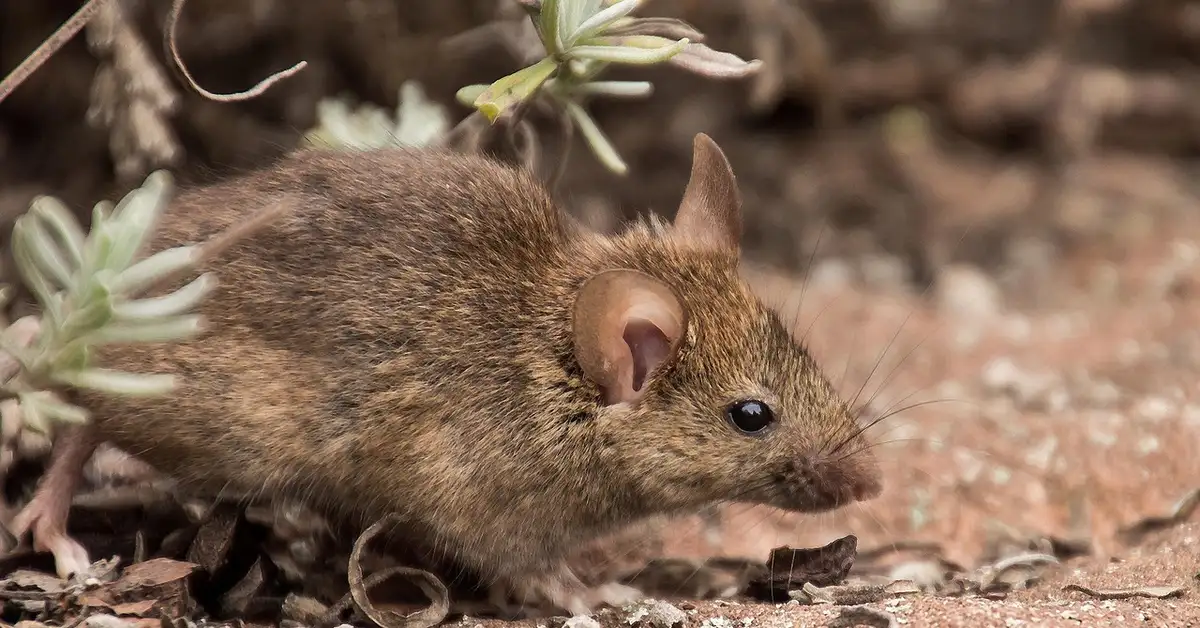
Refusal is rarely about being picky; it’s usually about feeling safe. Mice are neophobic, meaning they have a natural and healthy fear of new things, which extends directly to unfamiliar foods. An older mouse like Gregory is much more set in his ways than a bold youngster like Kenny, and will need more time to trust a novel scent or shape in his environment.
How to Introduce Unfamiliar Bait Successfully
Patience and presentation are everything when introducing a new bait. I’ve had the most success by placing the tiniest crumb of the new treat right next to a familiar, well-loved food item in their dish. This allows them to encounter the new scent in a safe context without feeling pressured.
- Start with a piece the size of a pinhead.
- Place it directly in their food bowl alongside their regular meals.
- Do not hand-feed a new item, as your presence can add to the stress.
- If it’s ignored for a day, remove it and try again in a week. Persistence without pressure is key.
When Bait Refusal Signals Health Issues
While caution is normal, a complete and sudden loss of appetite is not. If your mouse stops eating even their most treasured, high-value baits like sunflower seeds or peanut butter, this is a medical emergency that requires immediate veterinary attention. Mice have incredibly fast metabolisms and cannot go without food for long.
- Consistent refusal of all food and water for more than 12 hours.
- Visible weight loss, a hunched posture, or a ruffled, puffy coat.
- Combined with other symptoms like labored breathing or discharge from the nose or eyes.
Storing and Keeping Bait Fresh and Safe
Proper Storage for Different Bait Types
Storing bait correctly ensures it stays enticing and safe for your mice, and I’ve learned that different types need unique care. Dry baits like seeds and grains thrive in airtight containers kept in a cool, dark spot to prevent moisture and pests. For fresh fruits or vegetables, I use small sealed bags in the fridge, changing them out every couple of days to avoid spoilage. Choose safe fruits for mice—apple (no seeds), pear, banana, melon and berries—cut into small pieces. Avoid citrus, remove pits or seeds, and limit very sugary fruits. Here’s a quick guide to help you organize:
- Seeds and nuts: Store in glass jars or plastic tubs away from heat sources.
- Fresh produce: Refrigerate in breathable containers and check daily for changes.
- Commercial treats: Keep in original packaging or resealable bags to maintain freshness.
From my experience with Kenny’s impulsive nibbling, I always portion bait into small batches to reduce waste and keep everything rotating smoothly.
How to Tell When Bait Has Gone Bad
Recognizing spoiled bait is crucial to prevent health issues, and it’s often about trusting your senses. Look for visible mold, discoloration, or a slimy texture, and trust your nose-if it smells off or sour, it’s no longer safe. A change in texture, like hardening or excessive dryness, can also mean it’s lost its appeal. I once caught Jeffrey hesitating over some berries that had turned mushy, a clear sign they’d overstayed their welcome. Regularly inspect your stash, and when in doubt, replace it to keep your mice happy and healthy.
Where to Source Quality Bait Ingredients
Pet Store Options for Mouse Treats
Pet stores offer reliable, mouse-specific treats that are formulated for safety and nutrition. Opt for brands that use natural ingredients without artificial additives, as these mimic what mice enjoy in the wild. I often pick up seed mixes, dried mealworms, or fortified pellets that Gregory finds comforting. In this healthiest store-bought treats pet mouse review, I’ll focus on ingredient quality and nutritional value. I’ll also note which ones Gregory prefers. Here are some top choices:
- Seed blends with sunflower, millet, or flax for variety.
- Dried fruit or vegetable pieces designed for small pets.
- Protein-rich options like freeze-dried insects for occasional treats.
These items are tested for quality, giving you peace of mind that your mice are getting something both tasty and wholesome.
Human-Grade Foods That Work as Bait
Many everyday foods from your kitchen can double as effective bait, adding variety to your mouse’s diet. Fresh veggies like broccoli florets or carrot shavings, and whole grains like oats or cooked rice, are excellent choices that mice adore. I’ve had success with small bits of apple or banana, but always remove seeds and serve in moderation. Consider these human-grade options:
- Vegetables: Cucumber slices, peas, or spinach leaves.
- Fruits: Berry pieces or melon chunks without rinds.
- Grains: Unsweetened cereal or plain pasta cooked al dente.
Just ensure everything is washed and cut into mouse-sized portions to prevent choking hazards.
What to Avoid When Shopping for Bait
Steering clear of harmful ingredients protects your mice from digestive upset or toxicity. Avoid foods high in sugar, salt, or fat, as well as anything processed or containing artificial sweeteners like xylitol, which can be deadly. I never use chocolate, onions, or raw beans, as these are known to cause health problems. Some common human foods are actually poisonous to mice and can cause severe illness or even death. Knowing which foods are poisonous for mice helps prevent accidental poisoning. Keep this list in mind to stay safe:
- Toxic items: Alcohol, caffeine, or spoiled foods.
- High-risk foods: Dairy in large amounts or anything moldy.
- Unsafe treats: Human junk food or items with sharp edges.
Sticking to simple, natural options ensures your bait is both effective and kind to your mouse’s sensitive system. Mouse bait stations work by securely housing the bait so only mice can reach it, protecting pets and children. They also keep bait fresh and in place so your natural choices remain effective.
Frequently Asked Questions
What is the best mouse bait?
The best mouse bait for pet mice consists of safe, high-value treats that encourage interaction and trust-building without compromising their health. Ideal options include small, nutrient-dense items like seeds or bits of fresh fruit, which can be used strategically during handling or training sessions to reinforce positive behaviors.
It’s important to avoid foods that are toxic or too rich, such as citrus or salty snacks, and to always offer bait in tiny portions to prevent overfeeding. Observing your mouse’s preferences will help you tailor the bait to their tastes for the best results.
What is the best mouse bait food?
The best mouse bait foods are those that are both appealing and nutritious, such as sunflower seeds, small pieces of unsalted nuts, or fresh berries, which mice naturally crave. These should be reserved as special treats to maintain their effectiveness and to ensure your mouse still eats their balanced main diet.
Always introduce new bait foods gradually to avoid digestive issues, and stick to options that are easy to portion, like cooked grains or vegetable bits, to support your mouse’s overall well-being while using them for training or enrichment.
What is the best mouse bait according to Reddit?
According to Reddit communities focused on mouse pet care, many owners swear by high-protein options like mealworms or small bits of cooked chicken as reliable baits for taming and training. Users often emphasize the importance of using these in moderation and pairing them with positive reinforcement to build a strong bond with your mouse.
Reddit discussions also highlight the value of experimenting with different baits, such as pumpkin seeds or fresh veggies, to see what your individual mouse prefers, while always prioritizing safety by avoiding any foods that could cause harm or allergies.
Your Path Forward
Choosing the right treats for your mouse isn’t just about nutrition-it’s a wonderful way to build trust and add joy to their daily routine. Observing which foods make your mouse’s eyes light up can turn treat time into a special bonding moment for both of you.
Remember that every mouse has unique tastes, so feel free to gently experiment with different options to see what they love most. Your patience and attention to their preferences will help create a happy, enriching life for your tiny companion.
Further Reading & Sources
- r/homestead on Reddit: What is the best bait for a mouse trap?
- House Mouse – Baits
- Expert Opinion: What’s the Best Bait for Mouse Traps?
Isabella is a passionate small pet enthusiast with over 8 years of experience in caring for mice. She loves sharing practical tips and heartfelt stories to help fellow mouse owners provide the best care for their tiny companions.
Humane Removal & Trapping