
All-Female Mouse Colonies: Your Simple Care Guide
Are you drawn to the idea of a calm, cohesive mouse group but concerned about managing social harmony? This guide delivers straightforward, actionable advice to help you nurture a thriving all-female colony with confidence.
We will walk you through every step, ensuring you feel prepared and supported. You’ll find clear guidance on selecting compatible mice, designing a stimulating habitat, and establishing a consistent care routine.
Why Choose an All-Female Mouse Colony?
What Are Female Mice Called and Basic Biology
Female mice are formally called does, a term that beautifully captures their gentle and nurturing nature. Their biology is fascinating; unlike many other small pets, does do not experience an estrus cycle in the same obvious way, leading to a more consistent and predictable temperament. This biological difference is a cornerstone of their peaceful colony life.
I’ve found that does typically live longer, healthier lives when housed together, often reaching up to two years or more with proper care. They are intensely social creatures, hardwired for companionship. Keeping a single mouse alone is one of the biggest disservices you can do to these communal animals. Watching my own group, I see their world is built on constant, quiet interaction.
Understanding Female Mouse Behavior and Social Hierarchy
Life in a doe colony is a delicate, intricate dance of relationships. You will rarely see the aggressive, territorial fights common in male groups, but a social structure absolutely exists. It’s more like a subtle, agreed-upon understanding than a battle for dominance.
How Female Mice Establish Their Pecking Order
The process of establishing a hierarchy is subtle and fascinating to observe. It’s not about violence, but about communication and respect.
- Gentle Nudging and Blocking: A more dominant doe might gently push a subordinate away from a food bowl first or block the entrance to a favorite hut. It’s a polite but firm “I was here first.”
- Grooming as a Bond and a Signal: You’ll often see one mouse meticulously grooming another. While this strengthens social bonds, the recipient of the grooming is typically acknowledging the groomer’s higher status.
- Vocalizations: Listen for soft, chirping squeaks during interactions. These are negotiations, not arguments. A sharper, brief squeak usually means “you’re in my space,” and the other mouse will promptly move.
- Scent Marking: Does have scent glands and will rub them on cage furniture and each other. This creates a communal scent, a “group smell” that says, “we are a family unit.”
Introducing a new mouse, like when I introduced young Jeffery to Gregory and Kenny, requires a careful, neutral introduction process. The established hierarchy will shift and re-stabilize, a process that relies on these quiet communications rather than outright conflict. It’s a testament to their sophisticated social intelligence.
Setting Up Housing for Your Doe Colony
Cage Enrichment That Keeps Female Mice Happy
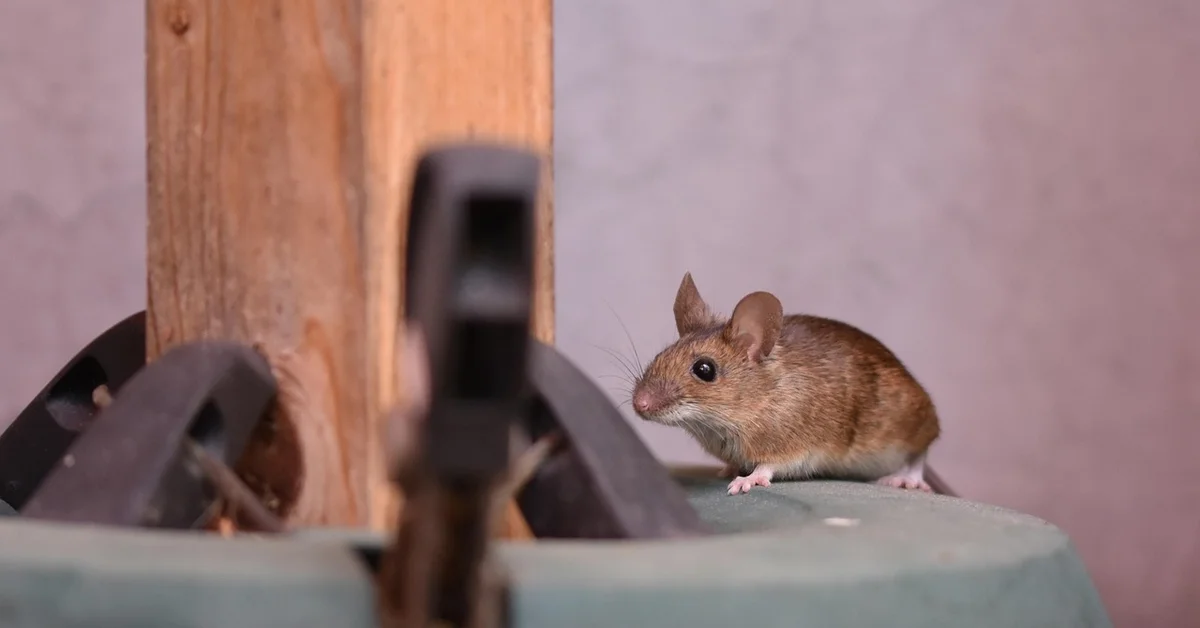
Female mice thrive in environments that mimic their natural curiosity and social nature, so your cage setup should feel like a bustling mouse metropolis. I always aim for a multi-level habitat with plenty of vertical space, as my girls love to climb and survey their domain from up high. Start with a solid base-a tank or wire cage with narrow bar spacing to prevent escapes-and layer in soft, absorbent bedding like aspen shavings or paper-based materials that they can burrow into comfortably. These essentials form the backbone of any ultimate guide to mouse cages, outlining layout, bedding, and safety so you can build the perfect home. Read on for step-by-step setup tips and product recommendations.
Enrichment isn’t just about adding toys; it’s about creating opportunities for exploration and mental stimulation every day. Rotate items like cork logs, cardboard tubes, and wooden ledges weekly to keep their environment fresh and engaging. In my experience, female mice adore items they can shred or rearrange, so I often include untreated wicker balls or hay-stuffed toilet paper rolls that satisfy their nesting instincts. To promote cognitive engagement, choose enrichment that encourages problem-solving and foraging. Puzzle feeders, hide-and-seek treats, and chewable climbing structures are among the best enrichment toys to stimulate a mouse’s mind.
- Provide a sturdy, silent exercise wheel to prevent foot injuries and allow for nighttime zoomies.
- Include multiple hideouts-clay pots, coconut shells, or commercial plastic houses-to reduce competition and give each mouse a private retreat.
- Add foraging puzzles by hiding treats in crumpled paper or puzzle feeders to encourage natural hunting behaviors.
- Incorporate safe climbing structures like rope perches or branches to promote physical activity and reduce boredom.
Observing my own mice, like Kenny who darts through tunnels with glee, reminds me that variety is key to preventing stress and fostering a harmonious colony. Pay attention to how your mice interact with each element-some may prefer high perches while others stick to ground-level nooks-and adjust accordingly to suit their personalities.
How to Introduce Female Mice and Form Social Groups
Managing Age Differences and Group Dynamics
Introducing new female mice requires patience and a methodical approach to ensure smooth social integration without conflicts. Always use a neutral space free of established scents, like a clean bathtub or a new playpen, for the first meetings to minimize territorial behavior. I’ve found that short, supervised sessions over several days help mice acclimate to each other’s presence before moving in together permanently. This is especially important when introducing new mice to an existing group of mice.
Age differences can influence group dynamics, so pair younger, energetic mice with calmer, older ones to balance the colony’s energy. In my group, Gregory’s steady demeanor often grounds impulsive youngsters like Kenny, creating a mentor-like relationship that reduces squabbles. Watch for positive signs like grooming, huddling, or playful chasing, and separate immediately if you see persistent fighting or bullying.
- Start with scent swapping by rubbing a cloth on each mouse and placing it in the other’s cage to familiarize them with each other’s smell.
- Progress to brief, face-to-face meetings in a neutral area, increasing duration as they show comfort.
- Monitor body language closely-relaxed ears and gentle sniffing are good, while puffed fur or loud squeaks signal tension.
- Once they coexist peacefully in neutral ground, thoroughly clean the main cage and rearrange all items before introducing the entire group together.
Female mice form tight-knit hierarchies, so expect some posturing as they establish roles. Providing ample resources-multiple food bowls, water bottles, and hiding spots-helps prevent resource guarding and supports a stable social structure. With time, most doe colonies develop a cohesive bond, much like my trio where Jeffery’s cheerful antics often diffuse any minor tensions.
Daily Care: Feeding, Cleaning, and Colony Maintenance
What to Feed Your Female Mouse Colony
A balanced diet is crucial for keeping your female mice healthy and energetic, focusing on variety and nutrition to meet their high metabolic needs. I rely on a high-quality lab block or pellet as the staple food, supplemented with fresh veggies and occasional protein sources for optimal health. Offer leafy greens like spinach or kale daily, and include small amounts of fruits like apples or berries as treats-but avoid sugary or citrus items that can upset their stomachs.
- Base diet: Commercial mouse pellets fortified with essential vitamins and minerals.
- Fresh vegetables: Broccoli, carrots, and peas provide fiber and hydration.
- Protein boosts: Cooked egg, mealworms, or plain tofu support muscle maintenance.
- Treats in moderation: Sunflower seeds or oat sprays for enrichment without overfeeding.
Observe how your colony eats—some mice, like Jeffery, might be hesitant and need encouragement, while others hoard food. Spread food in multiple locations to reduce competition and ensure every mouse gets her fair share during feeding times. Fresh water should always be available through a bottle with a sipper tube, checked daily for leaks or blockages. Fresh, clean water is essential for proper hydration, digestion and overall health, and can help prevent urinary and kidney issues. Replace the water daily and clean the bottle regularly to minimize bacterial buildup.
Cleaning Schedules That Work for Doe Colonies
Maintaining cleanliness in a doe colony involves a balance between hygiene and preserving their scent markings, which are vital for social stability. I perform spot cleans every day or two, removing soiled bedding and uneaten food to keep the cage fresh without disrupting their environment too much. A simple schedule helps: daily spot cleans, weekly partial bedding changes and light disinfection of high-use areas, and monthly full cage clean-outs. This prevents buildup while keeping their scent cues intact. Use a small scoop or gloves to target dirty areas, especially around nesting spots and under favorite hideouts.
A full cage clean is necessary weekly or biweekly, depending on the colony size and cage type. When doing a deep clean, I save a handful of old, unsoiled bedding to mix with the new, helping maintain familiar scents that reduce stress after the clean. Before starting a deep clean of the mouse cage, transfer your mice to a safe temporary enclosure and remove toys, shelters, and dishes to clean them separately. Scrub all surfaces with a vinegar-water solution, rinse thoroughly, and dry completely before adding fresh bedding and reintroducing your mice.
- Daily: Check water bottles, remove spoiled food, and tidy high-traffic areas.
- Every 2-3 days: Spot clean bedding in corners and under enrichment items.
- Weekly: Replace all bedding, wash accessories, and sanitize the cage base.
- Monthly: Inspect and clean ventilation areas or cage bars to prevent buildup.
Adjust the schedule based on your mice’s habits-colonies with older mice like Gregory may produce less waste, while active groups need more frequent attention. Keeping a consistent routine helps your mice feel secure and promotes a healthy, odor-free home for your entire doe family.
Preventing and Managing Health Issues in Female Mice
Recognizing Stress and Behavioral Problems
Female mice are incredibly social, but their close-knit communities can sometimes develop friction. Watch for subtle changes in grooming, eating habits, or sleep cycles as these are often the first whispers of a problem. Understanding grooming habits can help you detect early signs of stress or illness. A mouse that suddenly stops grooming herself or is being barbered (having her fur nibbled) by cage mates is sending a clear signal.
Barbering is a common stress-related behavior where one mouse chews the fur of another. I’ve observed this in my own group; Gregory, my older mouse, sometimes gets a neatly trimmed patch on his back, though he doesn’t seem to mind. In other words, barbering explains why mice chew fur: it’s often driven by social dominance, anxiety, boredom, or scent-marking rather than illness. Identifying the cause helps you decide whether to change groupings, reduce stressors, or add enrichment. Providing extra enrichment like cardboard tubes and foraging toys can redirect this nervous energy and ease social tension.
- Excessive chasing or cornering of one individual.
- Hiding for prolonged periods and avoiding interaction.
- A sudden increase in aggressive squeaking during normal activities.
- Over-grooming leading to bald spots or skin irritation.
Respiratory infections are a frequent health challenge. A mouse with a respiratory issue might make a soft clicking sound, squint her eyes, or breathe with noticeable effort from her sides. I keep a small, clean travel cage on hand just in case someone needs a quiet, separate space to recover away from the bustle of the main colony.
Avoiding Unwanted Pregnancies and Managing Reproductive Health
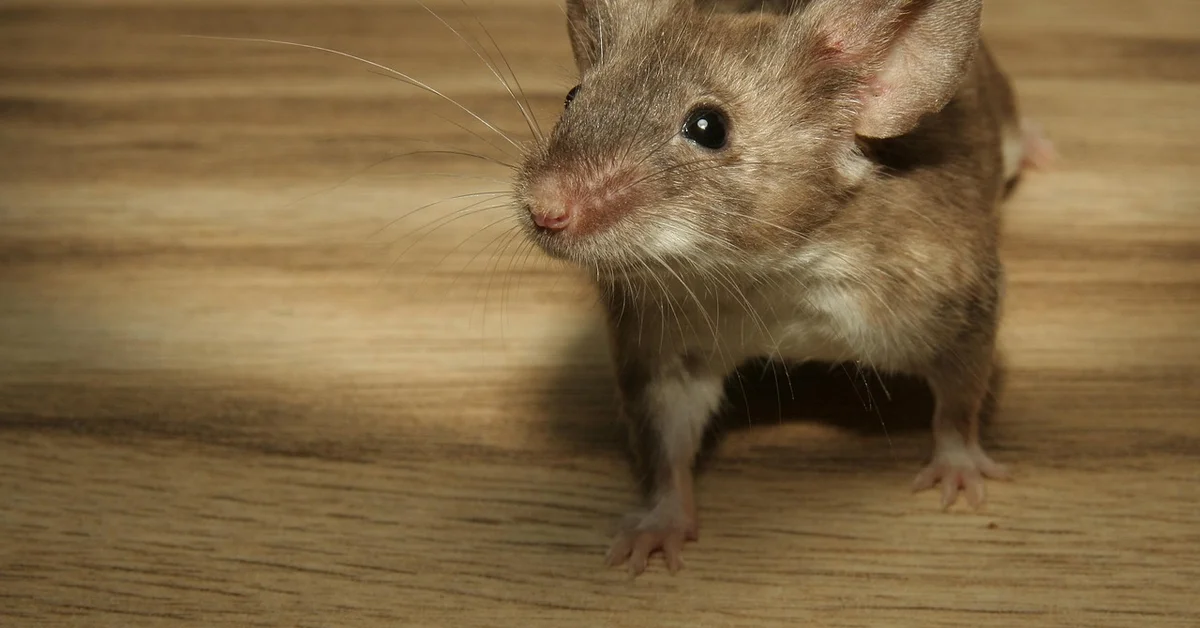
The most critical step in maintaining an all-female colony happens before you even bring them home. Always purchase your mice from a reputable source that can confidently confirm their sex. I learned this lesson early on; a well-meaning pet store employee’s mistake is how I ended up with my first surprise litter.
If you are introducing a new mouse to your established group, a second opinion on her sex is invaluable. A quick, gentle visual check for a greater anogenital distance is the most reliable at-home method to confirm you have a female. Males have a much more noticeable space between the two openings.
- Females have a very small anogenital distance, almost appearing as a single area.
- Around five weeks of age, male mice will have clearly descended testicles.
- Females have visible nipples running in two rows along their belly, which males lack.
Unlike many other pets, female mice do not go through a heat cycle that requires special management. Their reproductive health is generally straightforward, with the primary focus being on preventing mammary tumors as they age through a healthy diet and environment. A balanced diet low in fat and high in variety is your best defense. Still, mammary tumors are common in older female mice. Every owner should know the warning signs—small lumps, changes in grooming, or reduced activity—and consult a veterinarian if they appear.
Record Keeping and Long-Term Colony Management
A simple notebook or digital document dedicated to your mice is one of the most powerful tools for long-term care. Keeping a basic log helps you spot patterns in behavior and health that are easy to miss day-to-day. I note things like who is sleeping where, any minor squabbles, and who seems most interested in new toys.
I track three main things for each of my mice: weight, notable behaviors, and any health observations. Weighing your mice every two weeks with a small kitchen scale provides an objective measure of their well-being that can alert you to hidden illness. A sudden weight drop, even in a lively mouse like Kenny, is always a cause for closer attention.
- Record each mouse’s weight on a bi-weekly schedule.
- Jot down the dates of cage deep-cleans and any changes you make to the setup.
- Note the introduction of any new foods and the colony’s reaction.
- Document any vet visits, including the reason and prescribed treatment.
As your colony ages, this record becomes a precious history. This log transforms from a simple health tracker into a cherished chronicle of your colony’s unique personality and shared life. It helps you make informed decisions, like when to introduce younger companions to an aging group, ensuring a smooth and stable social structure for years to come.
Frequently Asked Questions
Are all mice in a doe colony female?
Yes, in a properly maintained all-female (doe) colony, every mouse is female. This is crucial to prevent unintended breeding and to support the calm, cooperative social structure that female mice naturally exhibit. Accidentally introducing a male can lead to pregnancies and disrupt the group’s harmony, so always verify the sex of each mouse before adding them to the colony.
Can any species of mice be kept in all-female colonies?
This guide is tailored for common domestic mice (Mus musculus), which are ideal for all-female colonies due to their social and non-aggressive tendencies. Other mouse species may have different behavioral patterns or social needs, so it’s essential to research specific species-like fancy or feeder mice-before assuming they will thrive in similar all-female setups. Always consult reliable sources or experts for species-specific advice.
Are there all-female species of mice?
No, there are no naturally occurring all-female species of mice; all mouse species include both males and females in the wild. The term “all-female” in pet care refers to intentionally grouping only female mice together in captivity to avoid breeding and capitalize on their peaceful, social nature for a stable and manageable colony.
Your Path Forward
Creating a peaceful, all-female mouse colony is an incredibly rewarding experience that brings a unique, gentle dynamic into your home. The key to a happy group lies in thoughtful introductions, providing ample space and enrichment, and being a calm, observant presence in their lives. Watching their intricate social bonds form is a genuine privilege.
Trust your observations and lean into the process; your patience will be rewarded with a fascinating, bustling little community. You now have the foundational knowledge to build a thriving environment where your does can explore, play, and rest together in harmony. Enjoy every moment of this wonderful journey into mouse companionship.
Further Reading & Sources
- Mouse Breeding colony management – IACUC | UW-La Crosse
- Mouse Colony Management | Research Animal Resources and Compliance | University of Wisconsin-Madison
- Colony Planning | The Jackson Laboratory
Isabella is a passionate small pet enthusiast with over 8 years of experience in caring for mice. She loves sharing practical tips and heartfelt stories to help fellow mouse owners provide the best care for their tiny companions.
Socialization Tips