
Designer Mice Unpacked: Understanding Knockout and Transgenic Models
Have you ever heard the terms “knockout” or “transgenic” in conversations about mice and felt a wave of confusion about what they really mean for our tiny companions? As a devoted mouse owner who has cared for curious explorers like Kenny and thoughtful observers like Jeffery, I know that unraveling these scientific labels can feel overwhelming at first glance.
This guide will gently walk you through the essentials of designer mice, turning complex jargon into clear, relatable knowledge. You will learn exactly what knockout and transgenic models are, how they are created, and the specific roles they play in advancing scientific understanding-all while keeping the focus on factual explanation and accessible insight.
Understanding Knockout Mice: Gene Deletion Explained
When scientists want to study what happens when a specific gene is missing, they turn to knockout mice, where a targeted gene is completely deactivated. This gene deletion helps researchers observe how the absence of that gene affects the mouse’s health, behavior, or development. Think of it like removing a single ingredient from a recipe to see how the dish changes-it reveals the gene’s role in a clear, direct way.
How Knockout Mice Are Created
Creating knockout mice involves a precise, multi-step process that starts in the lab. Scientists use embryonic stem cells to introduce a modified version of the gene that doesn’t function, which is then inserted into mouse embryos. Here’s a simplified breakdown of the typical steps:
- Identify the target gene to be deactivated.
- Engineer a DNA construct that disrupts the gene’s function.
- Introduce this construct into mouse embryonic stem cells.
- Select cells where the gene is successfully knocked out.
- Inject these cells into early mouse embryos.
- Breed the resulting mice to produce offspring with the deleted gene in all cells.
This method allows for studying gene functions in a controlled setting, much like how I’ve noticed subtle changes in my own mice’s behaviors when their environment shifts. By observing knockout models, we gain insights into genetic diseases and biological pathways.
Conditional Knockout Systems: Cre-LoxP Technology
Not all gene deletions need to happen everywhere in the body-conditional systems like Cre-LoxP allow for precise control over when and where a gene is turned off. This technology uses special DNA sequences called LoxP sites that flank the target gene, and an enzyme called Cre recombinase that cuts out the gene only when activated. Imagine having a light switch that you can flip in just one room of your house instead of the whole building. Key elements include:
- LoxP sites: Short DNA sequences that act as markers around the gene.
- Cre recombinase: An enzyme that recognizes LoxP and removes the gene between them.
- Inducible systems: Cre can be triggered by specific drugs, diets, or developmental stages.
This approach minimizes unintended effects and lets researchers study gene roles in specific tissues or life stages. It’s a game-changer for understanding complex traits without disrupting the mouse’s overall well-being. These methods are central to basic genetics 101 terminology for mice — terms like “conditional knockout,” “Cre‑lox,” “transgene,” and “allele” describe how genes are controlled and studied. Knowing these basics makes it easier to understand reported mouse phenotypes and experimental results.
Understanding Transgenic Mice: Gene Addition Explained
Transgenic mice are designed by adding foreign genes to their DNA, allowing scientists to explore how extra genes influence characteristics. Unlike knockouts that remove genes, transgenics introduce new ones, often to model human diseases or test therapies. It’s like giving a mouse a new tool in its genetic toolbox to see how it handles the addition.
How Transgenic Mice Are Generated
The generation of transgenic mice typically begins with microinjecting DNA into fertilized eggs. This injected DNA integrates randomly into the mouse genome, leading to offspring that carry and express the added gene. The process can be outlined in a few key stages:
- Isolate the gene of interest, often from another species.
- Microinject this gene into the pronucleus of a mouse egg.
- Implant the engineered eggs into surrogate mothers.
- Screen born pups for successful gene integration.
- Breed positive individuals to establish transgenic lines.
In my experience, watching how my mice adapt to small changes reminds me of how transgenics can show varied responses to new genes. This method helps in developing models for conditions like cancer or immune disorders, providing valuable preclinical data.
Knockout vs Transgenic Mice: Key Differences
While both knockout and transgenic mice are vital in research, they serve distinct purposes based on whether genes are deleted or added. Knockout models focus on loss-of-function studies, revealing what happens when a gene is absent, whereas transgenic models emphasize gain-of-function, showing effects of gene overexpression. Here’s a quick comparison to highlight their roles:
- Gene manipulation: Knockouts remove genes; transgenics add them.
- Primary use: Knockouts study gene necessity; transgenics study gene effects when present.
- Applications: Knockouts often model recessive diseases; transgenics can mimic dominant traits or test gene therapies.
- Control: Conditional knockouts offer spatiotemporal precision; transgenics may have variable expression based on integration site.
Understanding these differences helps in choosing the right model for specific research questions. Both approaches deepen our knowledge of genetics, much like how observing my mice’s unique personalities-like Kenny’s bold explorations-teaches me about individual variability.
Are Designer Mice GMO? What This Means for Pet Owners
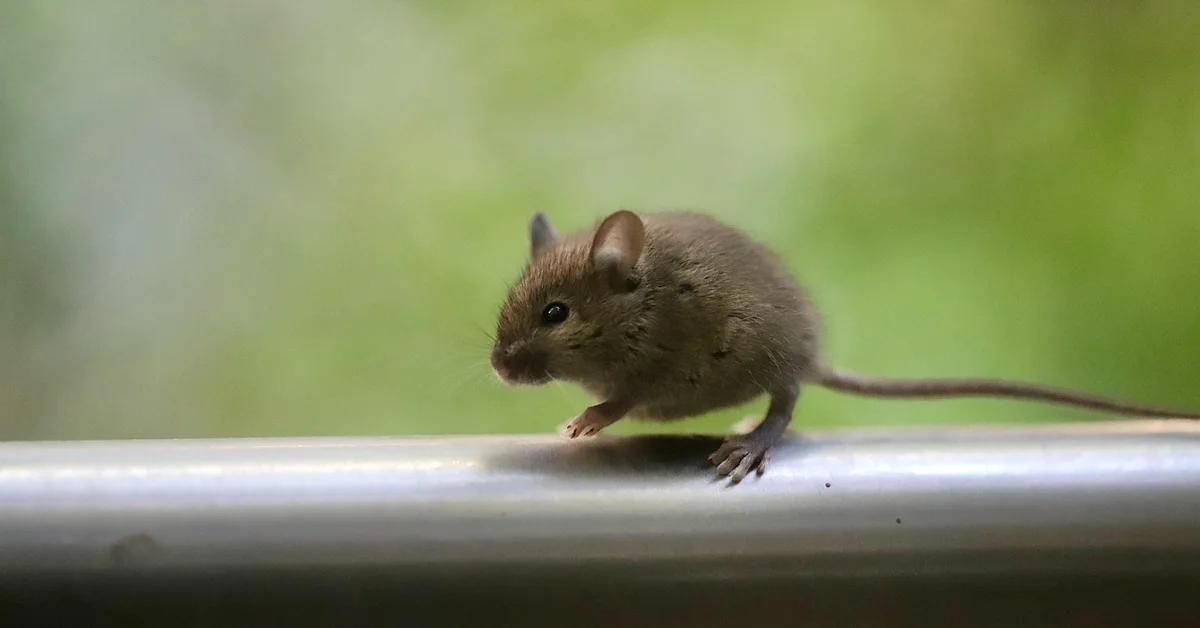
Yes, designer mice are a type of genetically modified organism, or GMO. This simply means scientists have intentionally altered their genetic code, the fundamental instruction manual that dictates everything from fur color to disease susceptibility. For you as a pet owner, this term is less about laboratory jargon and more about understanding the unique living being in your care. One practical example is coat color: a few well-studied loci—commonly called B, C, D and P—determine pigment type, intensity and pattern. Understanding how these loci interact helps explain why designer mice show specific colors or markings.
Think of their DNA like a complex recipe book. In a knockout mouse, researchers have “crossed out” a specific ingredient (a gene) to see what happens. A transgenic mouse has a whole “new sentence” or instruction added from another species. These genetic tweaks create a mouse with a very specific biological purpose, which directly shapes the kind of companion they become in your home. They are not inherently dangerous or unnatural; they are precisely engineered, which requires equally precise care.
Caring for Knockout and Transgenic Mice as Pets
Welcoming a designer mouse means committing to a pet with a known biological history. Their care is not one-size-fits-all; it is a tailored approach based on their specific genetic background. You become both a loving guardian and an informed observer, attuned to their unique needs. Knowing a fancy mouse’s history — its recorded lineage and breeding background — helps you anticipate traits and potential health risks. That pedigree information is a key part of caring for fancy mice.
Health Challenges in Designer Mice
The very reason these mice were created often points to their potential health vulnerabilities. A knockout mouse might lack a gene crucial for a robust immune system, while a transgenic model could be predisposed to developing certain tumors. Proactive, preventative health monitoring becomes your most important tool, far more effective than waiting for an illness to appear. This preventative mouse health guide outlines practical steps—routine screening, environmental control, and early intervention—to spot problems before they progress. Follow these measures to protect animal welfare and preserve reliable experimental data.
- Immune System Support: Many models have compromised immunity. Use paper-based, dust-free bedding and clean the habitat frequently to minimize pathogen load. I avoid wood shavings entirely for my more sensitive mice.
- Specialized Diets: Some genetic lines require nutritional support. You might need to provide high-protein recovery foods or supplements recommended by the rescue organization or your vet.
- Lifespan Awareness: Understand that your mouse’s lifespan may be different from a standard pet store mouse. Some models are bred to age rapidly or develop conditions early, making every moment precious.
- Veterinary Partnership: Establish a relationship with an exotics vet who is comfortable discussing genetic conditions. Be prepared to share your mouse’s background for the most accurate care.
| Model Type | Common Health Focus | Owner Action |
|---|---|---|
| Immunodeficient Knockout | Respiratory infections, slow wound healing | Sterilize toys & hides weekly; isolate from other pets |
| Oncology Transgenic | Tumor development, weight loss | Weekly body checks for lumps; provide soft, easy-to-eat foods |
| Neurological Model | Seizures, coordination issues | Low-profile habitat setup; avoid tall falls |
Behavioral and Social Needs
Genetic modifications can subtly or significantly influence a mouse’s personality and social instincts. Observing your mouse without preconceived notions is vital—let their behavior, not their genetic label, tell you who they are. That naturally raises the question of whether mice have individual personalities. Both research and everyday observation show consistent behavioral differences between mice. My mouse Jeffery, for instance, is naturally more anxious, so I’ve built him a habitat with plenty of covered tunnels and hideouts to make him feel secure.
- Social Dynamics: Always research if your specific model can be housed with others. Some immunodeficient mice must live alone to stay healthy, which means you must become their primary source of social interaction through daily handling and play.
- Environmental Enrichment: Standard toys might not suffice. Puzzle feeders that encourage natural foraging can be excellent for mental stimulation, especially for models that may be prone to cognitive decline.
- Activity Level Adjustments: A mouse engineered for muscle weakness will not be a avid climber. Tailor the habitat to their physical reality with ramps, low platforms, and plenty of flat space to explore safely.
- Routine and Patience: Changes can be more stressful for these sensitive animals. Consistency in your daily interactions, from feeding times to handling, builds a foundation of trust that helps them thrive.
Where Designer Mice Come From: Research to Rescue
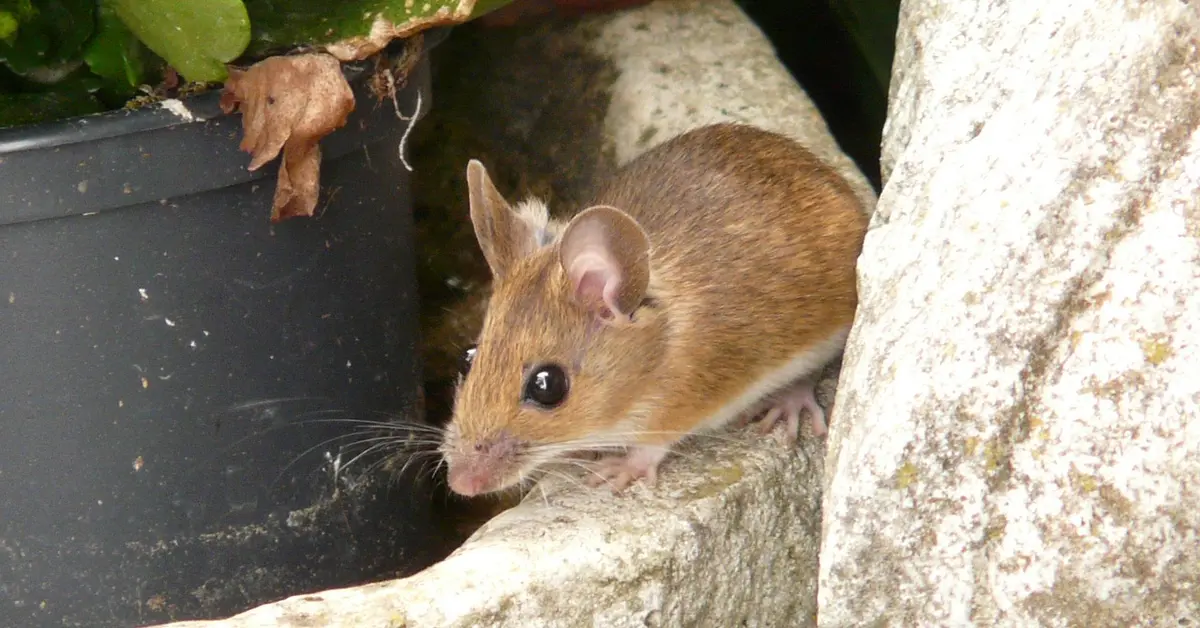
Nearly all designer mice in the pet trade begin their lives in scientific research facilities. When a study concludes, these animals need homes, and a wonderful network of rescue organizations steps in to coordinate their adoption. These rescues prioritize humane rehoming of mouse pups. They follow welfare-focused protocols—health checks, socialization, and careful adopter screening—to match young animals with responsible caregivers. This is the most common and ethical pathway to owning one of these unique pets.
These rescues work tirelessly to assess the health and temperament of each mouse. They possess the crucial background information about the genetic line, which is your roadmap to providing appropriate lifelong care. If you choose to buy instead of adopt, seek an ethical breeder who prioritizes health, temperament, and transparent genetic records. Both rescues and ethical breeders can provide the information you need to give your mouse the best lifelong care. Adopting from them gives a deserving animal a comfortable retirement and you a remarkably special companion.
Should You Adopt a Designer Mouse?
Adopting a designer mouse is a deeply rewarding experience, but it is not the right choice for every home. You are making a commitment to provide specialized care for an animal with a known medical history, which can be both challenging and incredibly fulfilling.
- Choose adoption if: You are an experienced mouse owner comfortable with potential health issues. You have the time and financial resources for possible vet visits. You want to provide a loving retirement for an animal that contributed to science.
- Reconsider if: You are a first-time mouse owner. Your budget for pet care is very limited. You are seeking a predictable, low-maintenance pet for a young child.
I have adopted retired research mice, and the bond is profound. There is a unique satisfaction in offering a soft landing and a life of simple pleasures to a creature with such a complex history. Over time they show signs of a strong bond — mutual grooming, huddling, and shared nesting become frequent. Watching those small gestures makes the partnership tangible. It is a partnership built on compassion and understanding.
Frequently Asked Questions
What are knockout transgenic mice?
Knockout transgenic mice are advanced models where both gene deletion (knockout) and gene addition (transgenic) techniques are combined in a single mouse. This allows researchers to study complex interactions, such as how adding a new gene affects an organism when another gene is missing, providing insights into multifaceted diseases or biological pathways. For pet owners, these mice may have highly specialized care requirements due to their intricate genetic background, necessitating close monitoring for compounded health issues and tailored environmental enrichment.
How does the GMO status of knockout mice impact their care as pets?
Knockout mice are genetically modified organisms (GMOs), meaning their DNA has been intentionally altered to deactivate specific genes, which directly influences their health and well-being as pets. This genetic modification often results in predictable vulnerabilities, such as a weakened immune system or predisposition to certain conditions, requiring owners to provide proactive care like sterile habitats, specialized diets, and regular veterinary check-ups to ensure a good quality of life.
What does a knockout mice generation diagram illustrate?
A knockout mice generation diagram visually outlines the step-by-step process of creating these mice, typically showing key stages like gene targeting in embryonic stem cells, embryo injection, and breeding to produce offspring with the desired gene deletion. For pet owners, understanding this diagram can highlight the precision involved in their mouse’s background, emphasizing why specific health monitoring and care practices are essential based on the targeted genetic changes.
Your Path Forward
While the science behind knockout and transgenic mice is complex, the core of their care remains beautifully simple: they are living creatures first and scientific marvels second. Your dedication to understanding their unique needs is the most powerful tool for their well-being. In the tightly controlled environment of research labs, factors like light cycles, temperature, and enrichment directly shape their daily lives. Appreciating how these controls affect behavior and health helps you provide care that supports both welfare and sound science.
Embrace the learning process, connect with communities who share your passion, and let your curiosity be guided by compassion. Providing a safe, enriching, and loving home is the ultimate expression of care for any mouse, no matter its genetic background.
Further Reading & Sources
- Transgenic or Knockout Mouse?
- Transgenic and Knockout Mouse | Duke Cancer Institute
- Transgenic mice: beyond the knockout – PMC
Isabella is a passionate small pet enthusiast with over 8 years of experience in caring for mice. She loves sharing practical tips and heartfelt stories to help fellow mouse owners provide the best care for their tiny companions.
Mice Genetics