
How Mice Help Unravel Alzheimer’s Disease Mysteries
Have you ever considered how a creature as small and seemingly simple as a mouse could hold answers to one of humanity’s most complex neurological challenges? Watching my own mice-Kenny’s bold curiosity, Gregory’s steady patience, and Jeffery’s observant nature-has given me a deep appreciation for their cognitive depth, and this guide will clearly explain how scientists leverage these traits to combat disorders like Alzheimer’s.
You will learn why mice are uniquely suited for neurological research, explore the specific techniques used to model Alzheimer’s in mice, and see how these studies pave the way for potential human treatments.
Why Scientists Choose Mice for Alzheimer’s Research
What Makes Mouse Brains Suitable for Studying Human Neurological Disorders
Mouse brains share a surprising amount of architecture with our own, featuring similar regions like the hippocampus that are vital for memory formation. Their neural pathways and chemical messengers function in ways we can directly compare to human brain activity, providing a clear window into neurological processes. This biological kinship allows researchers to observe how diseases progress in a controlled, observable system.
Their compact size and rapid reproductive cycle are significant advantages in a laboratory setting. Scientists can study the effects of a potential treatment across an entire lifespan in a relatively short period, accelerating the pace of discovery dramatically. This efficiency is crucial when searching for therapies for a disease that develops over decades in humans.
From my experience caring for my mice, I’ve seen their complex social behaviors and ability to learn tricks and navigate mazes. Observing my own mouse, Kenny, solve a puzzle for a sunflower seed gives me a small, personal glimpse into the cognitive abilities that make them such powerful models for studying learning and memory loss. Watching how they play with toys and interact with cage-mates reveals social cognition and motivation. Incorporating play-based tasks and objects into experiments lets psychologists probe learning, memory, and social behavior. Their behavioral complexity provides meaningful data that goes far beyond simple cellular analysis.
How Scientists Create Alzheimer’s Mouse Models
Transgenic Mice With Amyloid Beta Pathology
These mice are genetically engineered to produce human versions of proteins that form amyloid plaques, the sticky clumps found in the brains of Alzheimer’s patients. Researchers insert human genes associated with amyloid production, causing the mice to develop these hallmark brain lesions as they age. This allows scientists to test drugs designed to prevent or clear these problematic plaques.
The progression of symptoms in these mice is carefully mapped. We can watch them develop memory deficits in maze tests, mirroring the cognitive decline seen in humans, which provides a clear timeline for testing interventions. These behavioral changes correspond to measurable alterations in the mouse nervous system and brain, allowing us to link symptoms with underlying neural pathology. Imaging and histological studies let researchers trace which brain regions and circuits are compromised over time. It’s a heartbreaking but necessary process to understand the disease’s trajectory.
Tau Pathology Mouse Models
While amyloid plaques are one key feature, tangled tau proteins inside nerve cells are another major culprit in Alzheimer’s. Specialized mouse models are created to focus on this “tauopathy,” where the internal skeleton of brain cells collapses, leading to cell death. This helps researchers distinguish between the effects of plaques and tangles.
These models are vital for understanding the full picture. Studying tau mice helps us develop treatments that might stabilize the structure of neurons themselves, offering a different therapeutic approach than just targeting amyloid. It’s like reinforcing the framework of a house instead of just cleaning the walls.
Gene Editing Techniques Used in Creating Research Mice
Modern science uses incredibly precise tools like CRISPR-Cas9 to alter mouse DNA. This gene-editing technology acts like a pair of molecular scissors, allowing scientists to cut and paste specific genes with remarkable accuracy to create tailored disease models. It’s a far cry from older, less precise methods.
The process involves several key steps:
- Identifying the specific human gene mutation linked to Alzheimer’s risk.
- Designing a genetic “package” that introduces this mutation into mouse embryonic cells.
- Implanting these modified embryos into surrogate mothers.
- Breeding the offspring to establish a stable line of research mice that carry the desired genetic trait.
This precise genetic tailoring means we can study the impact of a single, specific error in the genetic code, isolating its role in the complex cascade of Alzheimer’s disease. The care and ethical considerations behind creating these animals are extensive, ensuring their well-being is a top priority throughout the research process.
Testing Methods: How Researchers Assess Cognitive Changes in Mice
Memory and Learning Tests
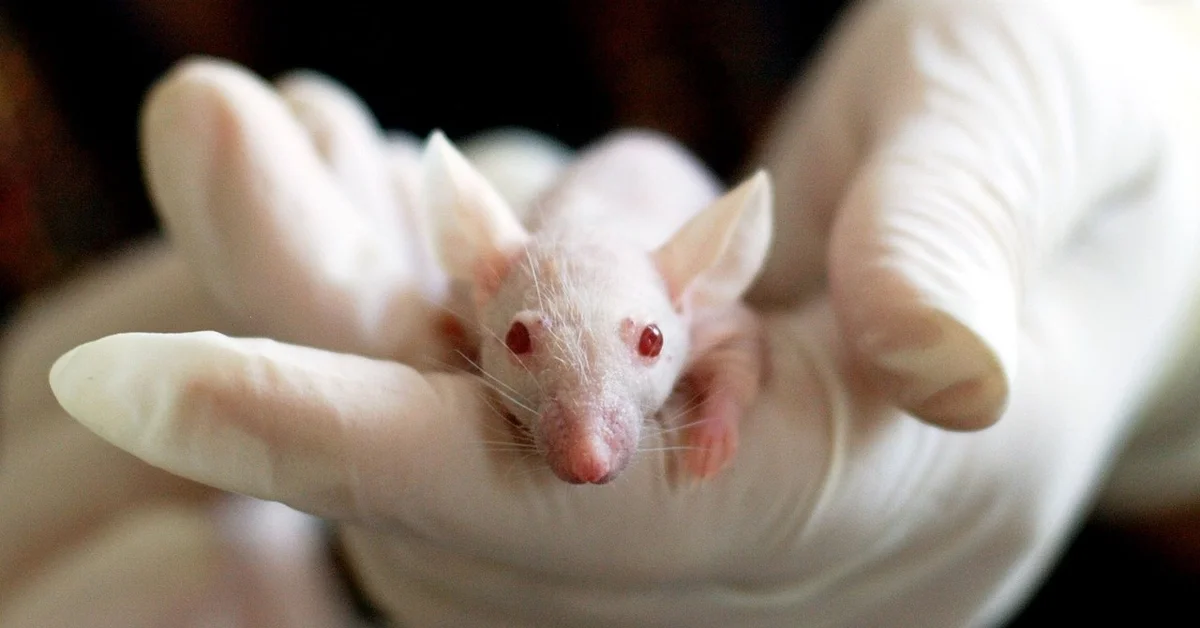
Scientists use tasks like the Morris water maze, where mice must remember the location of a hidden platform in a pool of water, to evaluate spatial memory. Observing how quickly a mouse learns and recalls these paths helps researchers identify declines similar to those in human Alzheimer’s patients. These maze tests reveal how learning and memory are represented in the brain, linking behavior to specific neural circuits and synaptic changes. That lets researchers trace the biological basis of memory decline. Another common test is the novel object recognition task, which measures a mouse’s ability to distinguish between familiar and new items, reflecting episodic memory function.
In my own experience with curious mice like Kenny, I’ve seen how their natural exploration can mirror these lab scenarios. When a mouse repeatedly fails to recognize a once-familiar toy or hiding spot, it often signals memory issues that warrant closer attention. These tests are non-invasive and rely on the mouse’s innate behaviors, making them both ethical and effective for tracking cognitive health over time.
- Morris water maze for spatial learning
- Radial arm maze to assess working memory
- Fear conditioning tests for associative memory
Behavioral Assays for Anxiety and Social Changes
Anxiety in mice is often measured through the elevated plus maze, where rodents choose between open, exposed arms and enclosed, safe ones. Increased time spent in the closed sections can indicate heightened anxiety, a common symptom in neurological disorders. Social interaction tests monitor how mice engage with peers, noting reductions in grooming, sniffing, or playing that might mirror social withdrawal in humans. These behavioral choices reflect levels of fear and anxiety researchers measure to evaluate interventions. Understanding these signs can also help owners soothe a scared pet mouse—providing secure hiding spots, gentle handling, and gradual social exposure can reduce stress.
Watching my own mice, like Jeffery with his jumpy yet kind-hearted nature, I notice how small changes in his behavior—like hesitating to approach others—can reflect underlying stress. Researchers quantify these shifts to understand how diseases like Alzheimer’s affect emotional and social well-being beyond just memory. Simple home observations, such as noting if your mouse avoids group nesting, can offer early clues to similar issues. A short guide on mouse social behavior—highlighting healthy solitary habits versus signs of social withdrawal—can help make those observations more useful. That context makes it easier to decide when to adjust their environment or seek further advice.
- Open field test for general activity and anxiety
- Social preference assay for interaction levels
- Marble burying test as an indicator of compulsive behavior
Measuring Brain Activity and Function
Techniques like electroencephalography (EEG) record electrical signals in the brain, detecting abnormal patterns that occur with neurodegeneration. These readings help pinpoint disruptions in neural communication that correlate with symptoms like confusion or disorientation. Functional MRI scans provide detailed images of brain regions, showing reduced activity in areas responsible for memory and learning.
Advanced methods also include measuring levels of neurotransmitters such as acetylcholine, which often decline in Alzheimer’s models. By tracking these biochemical changes, scientists can assess how well potential treatments might restore normal brain function. In pet mice, subtle signs like altered sleep cycles or reduced responsiveness can hint at similar neural shifts, though professional tools are needed for precise measurement.
- EEG for real-time brain wave monitoring
- fMRI to visualize blood flow and activity in specific regions
- Microdialysis to sample chemical changes in the brain
What Happens in the Mouse Brain During Alzheimer’s Progression
Inflammation and Immune Response in the Brain
As Alzheimer’s develops, the mouse brain often experiences increased activation of microglia, the primary immune cells. This inflammatory response can initially protect neurons but may become chronic, leading to further damage. Cytokines, which are signaling proteins, rise in levels, creating an environment that accelerates cognitive decline.
From caring for older mice like Gregory, I’ve learned that inflammation isn’t always visible but can affect overall vitality. In research settings, controlling this immune overreaction has shown promise in slowing disease progression, much like how a balanced diet and clean habitat support a pet mouse’s health. Reducing stressors in their environment can help mitigate similar inflammatory risks in domestic settings.
- Microglial activation leading to neuroinflammation
- Elevated pro-inflammatory cytokines like TNF-alpha
- Blood-brain barrier dysfunction allowing immune cell infiltration
Physical Brain Changes and Neurodegeneration
In Alzheimer’s mouse models, amyloid-beta proteins clump together to form plaques between neurons, disrupting cell communication. These plaques are a hallmark of the disease and contribute to synaptic loss, making it harder for mice to form new memories. Tau proteins inside neurons can also tangle, leading to structural collapse and cell death.
Brain atrophy, or shrinkage, is common in affected regions like the hippocampus, which is vital for learning. Watching this degeneration in lab mice helps researchers connect physical changes to behavioral symptoms, such as increased forgetfulness or confusion. In pet mice, while we can’t see these internal shifts, signs like unsteady movement or reduced exploration might indicate similar underlying issues.
- Amyloid plaque accumulation in extracellular spaces
- Neurofibrillary tangles from hyperphosphorylated tau proteins
- Neuronal loss in cortical and hippocampal areas
How Mouse Research Advances Alzheimer’s Treatment Development
Testing Potential Treatments in Mouse Models
Mouse models allow scientists to trial new drugs, such as those targeting amyloid clearance or reducing tau tangles, in a controlled environment. By administering these compounds and monitoring cognitive improvements, researchers can identify which therapies are most effective before human trials. This step is crucial for ensuring safety and efficacy, saving time and resources.
Gene therapy approaches, like inserting genes that enhance neuroprotection, are also tested in mice to see if they can halt or reverse damage. Positive results in mice often pave the way for innovative treatments that could one day benefit people, highlighting the invaluable role these small animals play in medical breakthroughs. In my own care routine, I apply similar principles by using enriched environments to support brain health in mice like Kenny, whose adventurous spirit thrives with mental stimulation.
- Pharmacological trials with anti-amyloid antibodies
- Lifestyle interventions like diet and exercise modifications
- Stem cell therapies to replace lost neurons
Recognizing Cognitive Health in Your Pet Mice
Normal Aging Versus Concerning Cognitive Changes
Watching a mouse grow older is a deeply personal journey, one I’ve shared with several of my own companions. Just like people, mice experience natural, gradual cognitive shifts with age that are a normal part of their life cycle. My older mouse, Gregory, moves with a more measured pace than his younger cage mates and often prefers a quiet nap to a frantic exploration session. This is typical. He still recognizes me, enjoys his favorite aged cheese, and navigates his familiar habitat with confidence.
You become attuned to your mouse’s unique personality and baseline behavior. The key is to watch for significant deviations from their normal routines and capabilities, not just slower movement. A mouse that is simply older will still engage with its environment, just at its own pace. A mouse experiencing concerning cognitive decline may seem to forget the layout of a cage it has lived in for months. These kinds of observations are exactly what a mouse quality-of-life framework captures. By recording changes in behavior, cognition, and engagement, the framework helps guide care decisions and welfare assessments.
Be on the lookout for these specific changes that warrant closer attention:
- Disorientation in Familiar Spaces: Getting “lost” in a well-known cage setup or repeatedly failing to find the entrance to a favorite hideout.
- Changes in Social Behavior: A previously social mouse becoming withdrawn or, conversely, a normally calm mouse showing uncharacteristic irritability towards cage mates.
- Neglect of Grooming: A scruffy, unkempt coat can signal that a mouse has forgotten or is unable to perform this essential self-care task.
- Altered Reaction to You: A mouse that no longer perks up at the sound of your voice or the rustle of a treat bag may be experiencing recognition issues.
Younger mice can also show signs of cognitive stress. My curious Kenny sometimes acts impulsively, but true cognitive issues would look like him forgetting a simple route in a play maze he mastered the week before. Trust your instincts; you know your mouse’s normal behavior better than anyone. A simple visual behavioral guide can help you spot common stress signs. Look for changes in posture, grooming, activity level, or responsiveness. Any sudden, pronounced shift is a reason to observe more closely and consider a veterinarian visit.
What Pet Owners Learn From Neurological Research
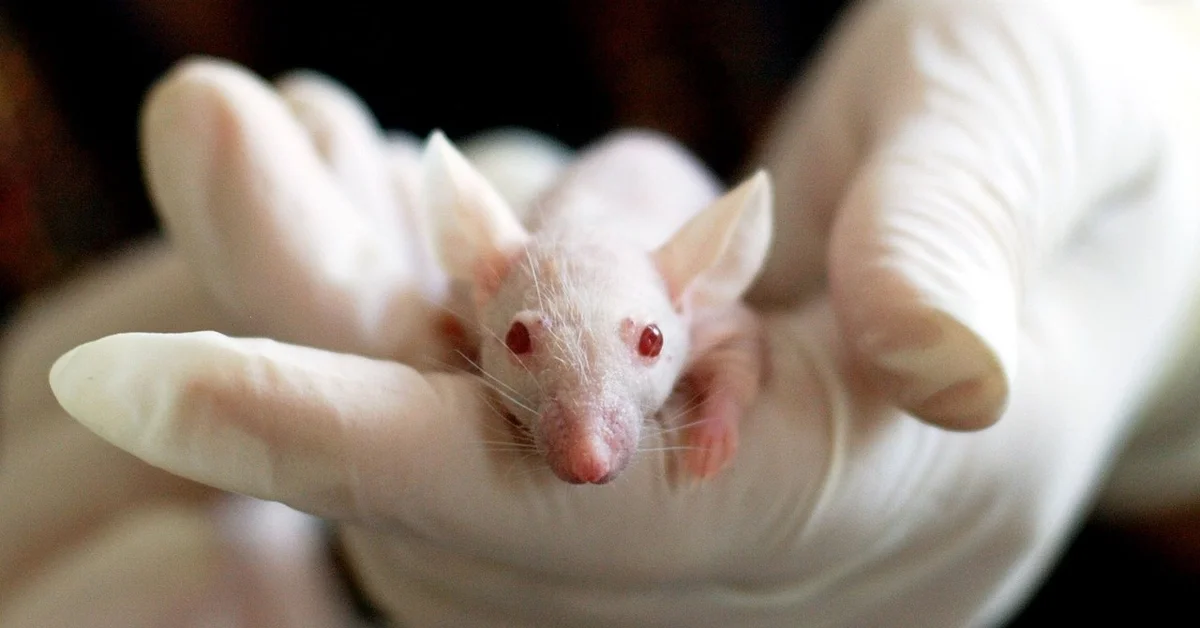
The incredible work done with laboratory mice provides a surprising wealth of knowledge for us as pet owners. Research into conditions like Alzheimer’s has fundamentally shaped our understanding of the mouse mind, revealing their complex memory, learning, and problem-solving abilities. This science validates what many devoted owners already feel—that our small friends are intelligent and emotionally aware creatures, especially when it comes to their social behavior.
One of the most significant takeaways is the profound importance of environmental enrichment. Lab studies consistently show that a stimulating environment supports brain health. Providing a complex habitat isn’t just for fun; it actively helps maintain your mouse’s cognitive fitness throughout its life. I see this with my trio; Jeffrey’s confidence grows when he successfully navigates a new tunnel system, and Gregory seems mentally sharpest when presented with a simple puzzle feeder.
Here are practical applications from neurological studies that you can use at home:
- Rotate Toys and Layouts: Introduce new cardboard tubes, ramps, or platforms weekly. A changing environment encourages active learning and spatial memory.
- Incorporate Simple Puzzles: Hide treats inside a crumpled paper ball or a puzzle toy. This engages their problem-solving skills and provides mental exercise.
- Promote Positive Social Structures: Research underscores that healthy social interaction is crucial for mental well-being. Ensure your group has a stable, harmonious dynamic.
- Recognize the Signs of a Healthy Brain: A mouse that is curious, exploratory, and readily learns new routes or tricks is demonstrating good cognitive health, much like the mice used in baseline research studies.
This research empowers us to be better caregivers. Understanding the neurological basis for their behaviors allows us to create homes that don’t just sustain their bodies, but actively nourish their minds. Every time you change their cage layout or teach them to come to a specific sound, you are applying the principles of cognitive science to enhance your pet’s quality of life.
Frequently Asked Questions
Do mice get Alzheimer’s?
Mice do not naturally develop Alzheimer’s disease as humans do, since they lack the genetic and environmental factors that cause it in people. However, researchers use genetically engineered mouse models to mimic aspects of the disease, such as amyloid plaque buildup, allowing them to study its progression and potential treatments in a controlled setting.
Can mice get dementia?
Dementia, characterized by memory loss and cognitive decline, is not a typical condition in pet mice under normal circumstances. In laboratory research, scientists induce dementia-like symptoms in mouse models to study neurological disorders, but these are artificially created and not part of a mouse’s natural aging process in a home environment.
What is an Alzheimer’s disease mouse models review?
An Alzheimer’s disease mouse models review is a comprehensive analysis that summarizes and critiques the various mouse models used in Alzheimer’s research, highlighting their relevance and limitations. These reviews help scientists and veterinarians understand which models best replicate human disease aspects, guiding future studies and ethical considerations in using animals for neurological investigations.
Your Path Forward
The incredible contributions of laboratory mice provide a profound sense of gratitude for these small, intelligent creatures. Their biological similarities to humans allow scientists to make life-changing discoveries, offering real hope for treatments and a deeper comprehension of complex brain diseases.
As a mouse owner, you can honor this vital role by providing your own companions with the most enriching and compassionate care possible. Observing their unique personalities and behaviors is a small, personal way to connect with the immense impact their species has on human health and scientific progress. Many pet mice learn to recognize their owners through scent, voice, and regular handling. These social animals often respond to gentle interaction, showing that human–mouse bonds can be both meaningful and observable.
Further Reading & Sources
- Updates on mouse models of Alzheimer’s disease | Molecular Neurodegeneration | Full Text
- Mouse Models of Alzheimer’s Disease – PMC
- Frontiers | Using mice to model Alzheimer’s dementia: an overview of the clinical disease and the preclinical behavioral changes in 10 mouse models
Isabella is a passionate small pet enthusiast with over 8 years of experience in caring for mice. She loves sharing practical tips and heartfelt stories to help fellow mouse owners provide the best care for their tiny companions.
Mice in Science & History