
How Mice Became Our Unwilling Farming Partners
Have you ever wondered why house mice seem perfectly designed to live in our pantries and barns? Their presence is no accident; it’s the result of a profound, shared history. This guide will unravel the remarkable journey from wild field rodents to the clever co-inhabitants we know today.
We will explore the specific evolutionary traits that allowed mice to thrive in our grain stores, the direct impact of early farming practices on their biology, and the surprising ways this ancient partnership still affects us. You’ll see these tiny creatures in a completely new light by the end.
When Mice First Found Human Settlements
Around ten thousand years ago, as humans began cultivating crops and storing surplus food, mice discovered a reliable new source of sustenance. These clever rodents quickly learned that human settlements offered not just abundant food, but also shelter from predators and harsh weather. I often think about how my own mice, like the ever-curious Kenny, would have thrived in those ancient granaries, using their innate curiosity to explore every nook.
Mice shifted from sporadic foraging in wild landscapes to consistently raiding human grain stores. This change marked the beginning of a deep, mutual relationship where mice became permanent residents in our homes and farms. Their survival now depended on our agricultural habits, leading to fascinating adaptations over generations.
The Switch from Wild Foraging to Grain Storage Raiding
Wild mice once spent their days searching for seeds, insects, and plants across vast territories. With the rise of agriculture, they began targeting concentrated grain stores, which required less energy to access and provided a steady diet. This shift reduced their need to roam widely, encouraging them to settle near human habitats. Wild mice typically eat seeds, grains, insects, fruits, and other plant material. These readily available foods around farms and homes further reinforce their close association with human environments.
You can see echoes of this in pet mice today-their preference for easy-to-find food mimics that ancient transition. For instance, my mouse Jeffery eagerly seeks out crumbs, much like his ancestors zeroed in on stored grains. Here’s how their foraging behaviors evolved:
- From varied, seasonal diets to consistent, grain-based nutrition
- Reduced travel distances, leading to smaller home ranges
- Increased reliance on human structures for nesting and protection
This adaptation wasn’t just about food; it reshaped their entire lifestyle. Mice became experts at navigating human environments, developing skills to avoid detection while exploiting new resources. In the wild, that same cunning lets many mice learn to recognize and avoid traps, quickly associating novel objects or scents with danger. Over time, trap‑shy individuals can influence others, making some populations particularly wary. That’s why pet mice often show such cleverness in finding hidden treats in their cages.
How Agriculture Reshaped Mouse Bodies and Behaviors
Over centuries, living close to humans led to noticeable physical and behavioral changes in mice. Natural selection favored traits that made them better suited to grain-rich, sheltered environments, resulting in smaller sizes and varied coat colors. I’ve observed this in my own group-Gregory’s dark fur might have helped him blend into shadowy storage areas in the past.
Their social dynamics shifted too, with mice forming larger colonies in stable food sources. This co-evolution means pet mice today are inherently more social and less skittish than their wild cousins. That shift—“from pest to pet”—resulted from long-term domestication as mice adapted to living alongside humans. Tracing this domestication history explains many of the behavioral differences between pet and wild mice. Understanding these changes helps you provide better care, as their needs are rooted in this history.
Why Pet Mice Look and Act Different from Field Mice
Pet mice, descended from those agricultural adapters, often have lighter builds, diverse color patterns, and calmer temperaments. Field mice tend to be larger, with camouflaged fur and heightened wariness, traits essential for survival in the wild. In my experience, Kenny’s impulsive adventures are tempered by a familiarity with human presence that wild mice lack.
Behaviorally, pet mice show reduced fear responses and increased curiosity. This makes them wonderful companions, as they’re more likely to interact with you and explore their surroundings without constant stress. These behaviors shape the main pros and cons of keeping mice as pets. For example, they can be affectionate and entertaining, yet their curiosity may lead to escapes or chewing. Here are key differences shaped by agriculture:
- Body size: Pet mice are often smaller due to abundant food
- Coloration: Varied coats from selective breeding in human care
- Activity patterns: More diurnal habits to align with human schedules
These adaptations mean pet mice thrive in enriched cages with hiding spots and puzzles. By mimicking elements of their agricultural past, you can create a habitat that supports their natural instincts and keeps them happy. Jeffery’s cheerful nibbling on berries, for example, reflects a diet shaped by thousands of years of grain access.
Mice Survival Strategies in Crop Fields and Barns
The Fast Breeding Advantage in Abundant Food
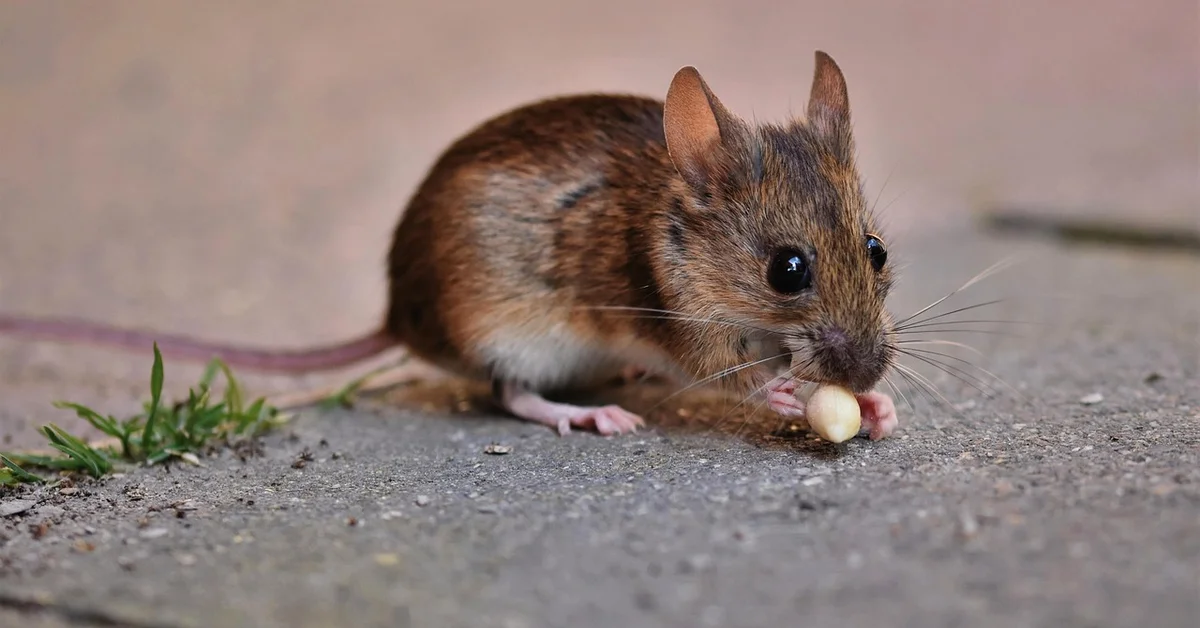
In the vast, grain-rich landscapes we created, mice found a paradise that rewarded speed above all else. A single female mouse can produce a new litter of up to a dozen pups every three weeks, turning a small family into a colony of hundreds within a single growing season. This explosive reproduction is a direct evolutionary response to temporary, massive food surpluses like harvests. They breed quickly to capitalize on the feast before the lean winter months arrive. Females build hidden nests and defend small territories to raise successive litters, and their rapid maturation and dispersal shape the population’s lifecycle. These nesting and territorial behaviors are tightly tied to the boom-and-bust rhythm of food availability.
This survival trait explains so much about their biology. Their entire life cycle is accelerated. I’ve observed that even my most relaxed mouse, Gregory, has an underlying urgency about him, a biological imperative to make the most of every moment. Their fast metabolism and rapid life cycle are brilliant adaptations for thriving in the boom-and-bust cycles of farmland. For a pet owner, this means accepting that our time with these incredible little creatures is beautifully, tragically short, making every day precious.
What Agricultural Mouse History Teaches Us About Pet Mouse Care
Feeding Your Mice Based on Their Grain-Loving Heritage
Your pet mouse’s digestive system is fine-tuned by millennia of eating what we grow. Their ideal diet isn’t fancy; it’s a reflection of the granaries and fields their ancestors called home. To understand the specific nutritional needs, consider exploring the mouse food pyramid diet.
- High-Quality Lab Blocks: Think of these as the modern, nutritionally complete equivalent of a mixed grain harvest. They should form the staple of their diet, preventing selective eating.
- Seed and Grain Mixes: Use these as a supplement or for foraging enrichment. Sunflower seeds are a particular favorite, just ask my Kenny, who will do backflips for one.
- Fresh Treats: Small pieces of vegetables and the occasional bit of cooked egg or mealworm provide the variety a wild mouse would find while scavenging. My Jeffery adores a tiny crumble of a blueberry.
Avoid sugary fruits and fatty treats in excess; their bodies are designed for complex carbohydrates and proteins, not the simple sugars of modern human food.
Creating Environments That Match Their Storage-Raiding Instincts
Mice are natural-born looters of our pantries. We can honor this instinct by designing their homes not as sterile cages, but as complex, multi-layered storage facilities they can “raid.” This approach is ideal for harvest mice kept as pets, who thrive when given chances to forage and stash treats. Providing hiding spots and small containers lets them express natural behaviors and stay mentally stimulated.
I design habitats with this in mind. Instead of just one food bowl, I use multiple puzzle feeders hidden around the cage. Scatter-feeding, where you hide their daily food ration in their bedding and enrichment items, directly taps into their natural foraging behavior and provides mental stimulation for hours. It turns mealtime from a passive event into an active, rewarding job.
- Provide deep bedding they can tunnel through, mimicking the straw of a barn.
- Include multiple small, enclosed hides that feel like stolen nooks and crannies in a granary wall.
- Rotate toys and climbing structures to create a dynamic, explorable space that never feels fully “conquered.”
Understanding Your Pet Mouse’s Natural Foraging and Hoarding
If you’ve ever found a stash of food buried in a hideout or tucked under a wheel, you’ve witnessed an ancient survival strategy in action. Hoarding is not a sign of overfeeding; it’s a hardwired behavior that brings them comfort and security.
Never take away their carefully gathered food stashes, as this can cause significant stress and disrupt their sense of safety. Instead, manage their overall food intake and let them have their “pantry.” My mouse Gregory, the wise old soul, always has a small, neat pile of his favorite pellets in his favorite sleeping hut. It’s his retirement fund, and it makes him feel secure. This hoarding is instinctual — mice hide food to save for lean times and to protect their resources. Understanding that instinct helps explain why your mouse hides food and why respecting their stash matters.
Encourage foraging by providing materials like hay, shredded paper, and toilet paper tubes they can shred to create nesting material and hide their treasures. Watching them meticulously gather and organize is a window into their brilliant, industrious minds.
Health Insights from Agricultural Mouse History
Why Mice Are So Resilient and What That Means for Care
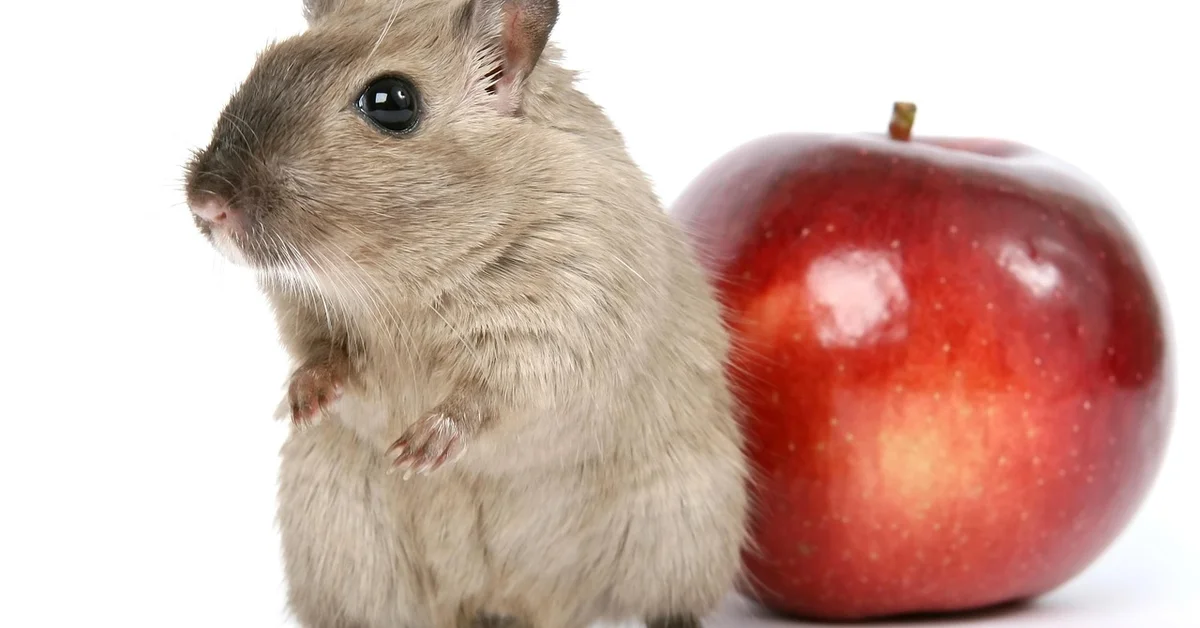
The same traits that allowed mice to survive pesticides, predators, and plows in our fields are the ones that make them such hardy pets. Their incredible resilience, however, is a double-edged sword; they are masters at hiding signs of illness until they are very advanced. This was a vital survival tactic in the wild, where showing weakness could make them a target.
This means your vigilance is their first line of defense. You must become a subtle detective of their health.
- Monitor their weight weekly with a small gram scale. Sudden weight loss is often the first and only sign of a problem.
- Observe their social dynamics. A mouse that is suddenly withdrawn from the group, like Jeffery was during a minor respiratory scare, needs attention.
- Check for subtle signs like squinty eyes, ruffled fur, or a hunched posture-tiny tells of a big problem.
Their robust nature means that with a proper diet, a clean and stimulating environment, and your watchful eye, they can live a full and vibrant life, despite their short years. They are tough little survivors, and our job is to provide the sanctuary they deserve.
Frequently Asked Questions
How have studies on mice and agriculture co-evolution informed pet mouse care?
Research into this co-evolution has revealed how genetic adaptations, such as changes in digestion and social behavior, allow mice to thrive in human-made environments. For pet owners, this means understanding that traits like curiosity and rapid breeding are natural outcomes of their history, guiding us to provide diets rich in grains and social habitats that reduce stress.
These studies highlight the importance of mimicking their ancestral settings through enrichment, like puzzle feeders and tunnels, which cater to their evolved instincts without encouraging wild behaviors that could lead to escape or anxiety.
What do lab experiments on mice agriculture co-evolution tell us about their adaptability?
Laboratory simulations of agricultural settings show that mice quickly develop traits like increased tameness and altered activity patterns when exposed to consistent food sources and shelter. This explains why pet mice are often more docile and diurnal than their wild counterparts, making them suitable for interactive care and handling.
For pet owners, these findings emphasize creating stable environments with hiding spots and routine feeding, as instability can trigger stress responses rooted in their evolutionary past. This knowledge helps prevent issues like overbreeding or hoarding by managing resources thoughtfully.
How does the co-evolution of genes and culture in mice affect their health as pets?
The interplay between genetic changes, such as immunity variations, and cultural shifts like living in close quarters with humans, has made mice resilient but prone to hidden health issues. This means pet mice may not show illness until it’s advanced, requiring owners to monitor weight and behavior closely for early signs of trouble. Stress-related illnesses in mice can trigger or worsen these hidden conditions, so changes in environment or handling may reveal problems. Owners should watch for subtle stress-illness signs—reduced grooming, hunched posture, or sudden weight loss.
Understanding this co-evolution encourages proactive care, such as providing clean, spacious enclosures and a balanced diet to support their inherited robustness. It also underscores the need for regular vet check-ups to address conditions that their evolutionary history might mask, ensuring a longer, healthier life.
Your Role in This Ancient Story
The long journey of mice from wild fields to our homes has crafted the intelligent, adaptable companions we cherish today. Their remarkable history of co-evolution is the very reason your pet mouse thrives on mental challenges and builds such a complex social world. They are inherently social animals, living in groups and forming strong bonds through play, grooming, and vocal and scent communication. These social instincts are as much a part of their survival as their intelligence and adaptability.
Honor this incredible heritage by providing an environment that stimulates their natural instincts for exploration and foraging. By understanding the roots of their behavior, you can create a truly fulfilling life for your small friend, continuing a story thousands of years in the making. Your care is the latest, most compassionate chapter in our shared history.
Further Reading & Sources
- r/ferrets on Reddit: About having a mice “farm”
- r/NatureIsFuckingLit on Reddit: 🔥 Mouse Farm
- Rodent farming – Wikipedia
Isabella is a passionate small pet enthusiast with over 8 years of experience in caring for mice. She loves sharing practical tips and heartfelt stories to help fellow mouse owners provide the best care for their tiny companions.
Mice in Science & History