
How the Common Mouse Colonized the Entire Globe
Have you ever stopped to wonder how a creature as small and seemingly fragile as the common mouse managed to thrive in nearly every environment on Earth? From bustling cities to remote islands, their presence is a testament to an incredible survival story that I’ve glimpsed through caring for my own curious companions like Kenny. This article will guide you through the key factors behind their worldwide spread, offering a clear and engaging explanation based on both scientific insights and personal observations.
We will explore the remarkable journey of these adaptable rodents, focusing on their evolutionary traits and the unintended help from humans. You’ll learn about their stealthy migration patterns, dietary flexibility, and the behavioral quirks that allowed them to conquer diverse landscapes across the globe.
Where Mice Come From: The Origins of Mus musculus
The Original Mouse: What Wild Mus musculus Looked Like
Before they were our charming, curious companions, house mice were rugged survivors of the wild. The original Mus musculus was a creature perfectly built for stealth and endurance. Their fur was typically a muted agouti-a grizzled brownish-gray that provided exceptional camouflage in dusty plains and scrubland. This is a far cry from the snowy whites and dove grays we see in our pet cages today. They possessed leaner, more athletic bodies, with longer tails and sharper features honed by a life of constant foraging and evasion.
Observing my own mouse, Kenny, with his light gray coat and boundless energy, I often see flashes of that ancient, wild agility. Their wild instincts for burrowing, climbing, and hiding are behaviors still deeply encoded in every pet mouse, a living legacy of their origins. Understanding this wild blueprint helps us appreciate the complex needs of the small animal sharing our home.
When Mice Met Humans: The First Partnership
The relationship between mice and people is one of the oldest and most consequential in history. This wasn’t a chosen friendship, but a brilliant strategy for survival. When humans transitioned from nomadic hunting to settled farming, we unintentionally laid out the world’s most generous welcome mat for mice. Our grain stores represented a predictable, abundant, and well-protected food source that was simply too good to ignore. Over generations, mice adapted to exploit these new resources and became behaviorally and genetically tied to human settlements. In turn, farming practices shifted in response to their presence, creating a co-evolutionary relationship between mice and agriculture.
Mice didn’t ask for permission; they moved in. This was a commensal relationship, meaning “eating at the same table,” where mice benefited immensely from our resources while we were largely unaware of their quiet tenancy. They learned to navigate our dwellings, avoid our footsteps, and thrive in the hidden spaces of our first permanent settlements. This initial, accidental partnership set the stage for their global journey, proving that the most successful invaders are often the quietest.
How Mice Hitched Rides Across Continents
Ancient Trade Routes: Mice on the Silk Road
Long before airplanes and container ships, mice were world travelers on the original networks of global commerce. The Silk Road was not just a highway for silk and spices; it was a massive, slow-moving conveyor belt for Mus musculus. They stowed away in saddlebags, hid among bolts of cloth, and nested in sacks of grain carried by camels and carts.
Think of a merchant caravan as a moving buffet and hotel for a savvy mouse family. Every trade outpost and caravanserai was a new opportunity for mice to disembark, establish a new colony, and then board another vessel heading further into the unknown. This slow, steady expansion over centuries allowed them to move from their Asian heartland into Europe and Africa, one wagon ride at a time.
Age of Exploration: Mice Discover the New World
The next great leap in the mouse colonization story came with the Age of Exploration. When European ships set sail for the Americas, their rodent passengers were hidden deep within the wooden hulls, tucked away in cargo holds filled with food and supplies. These voyages were perilous, but for a creature that needs only crumbs to survive, they were a calculated risk with an immense payoff. As stowaways, mice became unwitting agents of maritime history, colonizing ports and remote islands as ships moved between continents. Their spread left ecological and historical traces that help trace routes of exploration and trade.
Upon landing in the New World, these stowaways found a landscape ripe for conquest. These tiny explorers became invasive pioneers, often reaching new territories long before many human settlers had fully established themselves. Their arrival forever changed ecosystems, but it also cemented their status as a truly global species, a testament to their incredible resilience and opportunistic nature.
Modern Transport: How Mice Still Travel Today
You might think the age of mouse migration is over, but their travels continue at a pace faster than ever. Today, the primary vessels for mouse dispersal are the same ones that move our global economy: shipping containers, trucks, trains, and airplanes. A mouse can board a container in Shanghai and disembark in Rotterdam, all without ever feeling a gust of wind.
This is a critical point for any pet owner to remember. The same instincts that drove mice to hide in grain sacks millennia ago are the same ones that make a pet mouse an expert escape artist, capable of finding the tiniest gap in a habitat lid. My mouse Jeffery, for all his anxious twitching, possesses a brilliant spatial awareness that is a direct inheritance from his globe-trotting ancestors. Their history of hitching rides is a powerful reminder of their intelligence and why secure, enriched habitats are non-negotiable for their safety and well-being.
Why Mice Succeeded Where Other Animals Failed
Built to Breed: The Mouse Reproduction Advantage
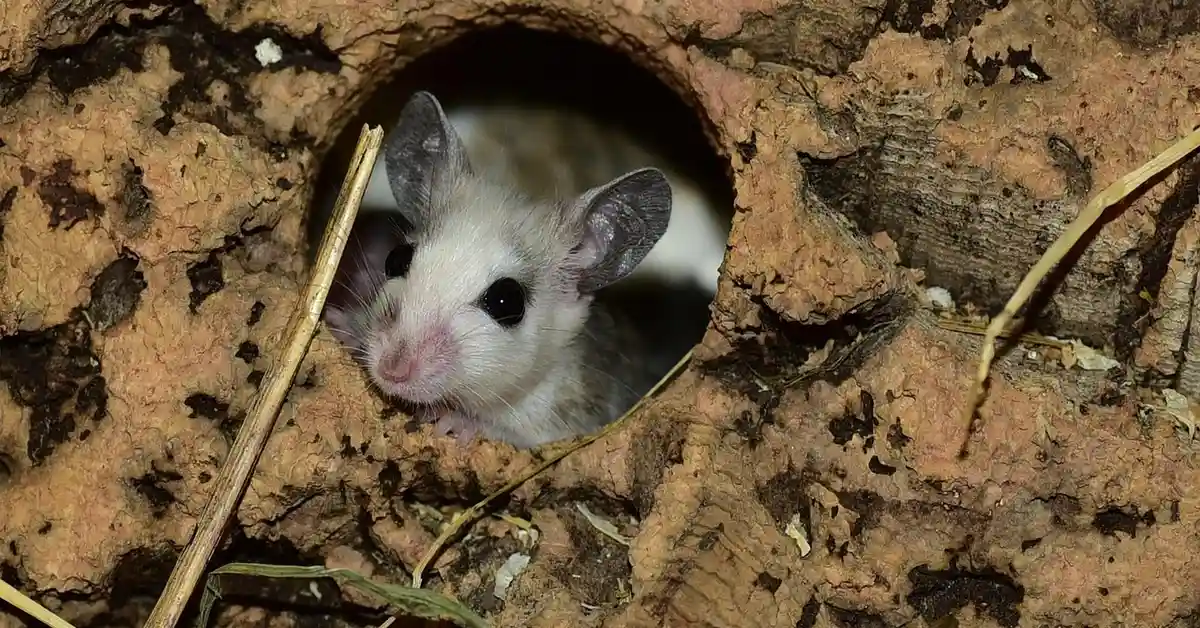
Mice possess a biological engine for population growth that is simply staggering. A single female mouse can produce a litter of up to 14 pups, and she can be ready to mate again within a single day of giving birth. This rapid-fire reproduction cycle means a small group can explode into a colony of hundreds in less than a year. From my experience, even in the controlled environment of a pet cage, this innate drive is visible; my mouse Jeffery, while male, displays that same relentless, cheerful energy that fuels their species’ expansion.
Their success isn’t just about quantity, but also about speed and efficiency. Young mice reach sexual maturity in a mere six weeks, meaning a newborn pup can become a grandparent within a single season. This allows mouse populations to adapt genetically at a breathtaking pace, outpacing predators and environmental changes that would doom slower-breeding creatures.
Eat Anything, Live Anywhere: Mouse Adaptability
The true secret to the mouse’s global conquest lies in its unparalleled flexibility. Mice are opportunistic omnivores with a digestive system capable of processing an astonishing variety of foods, from grains and seeds to insects and even glue. I see a tiny echo of this in my own pets; Kenny will boldly try any new treat, while Gregory prefers his familiar aged cheese, showcasing the spectrum of dietary preference within the species.
Their habitat requirements are equally minimal. These small rodents can carve out a home in virtually any nook that provides basic shelter from the elements and predators, from insulated walls to cardboard boxes. They don’t need vast territories, just a secure base from which to forage. This low environmental threshold allowed them to stow away on human ships and wagons, finding new worlds in every crate and barrel.
- Dietary Flexibility: Consumes grains, fruits, insects, scraps, and non-food items like soap or paper.
- Shelter Simplicity: Nests in fields, wall voids, furniture, and storage units.
- Climate Resilience: Thrives in heated homes, cold barns, and arid deserts by seeking microclimates.
- Behavioral Plasticity: Can be nocturnal or diurnal based on local pressure and food availability.
The House Mouse Family Tree: Regional Differences
As house mice (Mus musculus) traveled with humans, they branched into distinct subspecies, each fine-tuned to its new home. Genetic studies reveal several primary lineages, including the familiar Western European house mouse (M. m. domesticus) and the Eastern European house mouse (M. m. musculus). These groups are so genetically distinct they sometimes behave as separate species where their ranges overlap.
These regional differences are more than just scientific trivia; they manifest in subtle physical and behavioral traits. Mice from colder climates often develop thicker fur and a slightly stockier build, while those from arid regions may be more efficient at water conservation. Observing my three mice, each with their own unique personality, gives me a tiny window into the vast behavioral diversity found across the global mouse population.
Living With Mice: From Wild Pest to Beloved Pet
Why Wild Mice Are Considered Pests
The very traits that make mice evolutionary champions are what bring them into conflict with people. Their constant need to gnaw to keep their ever-growing teeth trimmed leads them to damage wiring, insulation, and personal belongings, creating fire hazards and costly repairs. This chewing is essential because a mouse’s incisors grow continuously, so they must gnaw to wear them down. They will chew almost anything — wood, plastic, and wiring — to satisfy that need. A wild mouse sees your home not as a living space, but as a perfect habitat full of resources.
Their foraging instinct, so admirable in the wild, becomes a nuisance indoors. They contaminate far more food than they eat with their droppings and urine, rendering entire pantries unsafe for human consumption. This behavior, driven by survival, is the core reason they are unwelcome guests in our dwellings.
Do House Mice Spread Disease to Humans?
This is a serious and valid concern for anyone who discovers wild mice in their home. Wild mice can carry and spread pathogens like hantavirus, leptospirosis, and salmonella through their droppings, urine, and saliva. Direct contact isn’t always necessary; simply stirring up dust in an area with dried mouse waste can aerosolize viruses.
It is absolutely critical to understand that this risk is associated with wild populations and their contaminated environments, not with pet mice bred in clean, controlled settings. My pet mice, Kenny, Gregory, and Jeffery, come from ethical breeders and live in a sanitized habitat, which makes them a world apart from their wild cousins in terms of health risks.
From Pest to Pet: The Domestication Story
The journey of the mouse into our homes as a companion animal is a fascinating story of human curiosity. It began centuries ago with people selectively breeding mice for unique coat colors and patterns, a practice known as “fancy” mouse breeding. This artificial selection gradually produced animals that were more docile, less fearful, and genetically distinct from their wild ancestors. Understanding fancy mouse breeds helps explain how specific traits were selected and why different varieties have distinct care and health considerations. This knowledge is useful for anyone keeping or breeding mice.
Through generations of careful breeding, the fundamental nature of the mouse was softened. Today’s pet mice retain the intelligence and curiosity of their wild forebears but lack the skittishness and defensive aggression. That transformation is at the heart of the history and meaning of “fancy mice”—domesticated strains developed for particular colors, coats, and gentle temperaments. Understanding that history helps explain why these tiny companions are prized for both their appearance and their friendly demeanors. They are a testament to how a relationship can be transformed, turning a creature once viewed as a thief in the pantry into a curious friend like my bold Kenny or my calm Gregory, living contentedly in a habitat we provide.
What Pet Mouse Owners Can Learn From Wild Mice
Wild Instincts in Your Pet Mice
Your sweet, caged companion carries the entire survival playbook of a global conqueror in its tiny bones. Every pet mouse is a direct descendant of wild house mice, which means their ancient instincts are alive and well, influencing their daily actions. When my mouse Kenny frantically stuffs his cheeks with food and scurries to a hidden corner, he isn’t being messy; he is enacting a deep-seated survival strategy to cache resources. That sudden, skittish dash across the cage? It’s the ghost of a wild evasion tactic, a lightning-fast reaction honed over millennia to escape predators. In the wild, those same instincts drive mice to build nests, defend territories, and follow a rapid lifecycle focused on survival and reproduction. That’s why pet mice still display strong nesting, territorial, and breeding behaviors.
Recognizing these behaviors as natural, rather than problematic, completely changes your perspective as an owner. Understanding that your mouse is hardwired to explore, hoard, and seek shelter transforms potential frustrations into moments of deep appreciation for their complex nature. Even my most placid mouse, Gregory, will perform meticulous nest-building rituals, a fundamental wild behavior for thermoregulation and safety.
Enrichment Based on Natural Behavior
The key to a truly happy mouse lies in channeling those wild instincts into positive, engaging activities. Enrichment isn’t just about adding toys; it’s about recreating the challenges and opportunities their wild cousins face every day. This kind of stimulation is crucial for the mouse brain, promoting healthy neural development and cognitive function. Without it, mice can become stressed, bored, and develop abnormal behaviors.
- Forage, Don’t Just Feed: Scatter their daily food ration throughout the bedding and hide treats inside paper bags or toilet paper tubes. This forces them to use their superb sense of smell and problem-solving skills, turning mealtime into a rewarding hunt.
- Create a Multi-Layered Landscape: Wild mice are masters of vertical space. Add platforms, ropes, and branches to encourage climbing. I often find Jeffery, my most anxious mouse, visibly more confident after navigating a new climbing structure.
- Provide Abundant Nesting Material: Offer a variety of safe, shreddable materials like unscented tissues, paper strips, and hay. Allowing your mouse to construct its own secure nest satisfies a profound instinct and provides immense comfort.
- Introduce Novel Objects Safely: A new cardboard box, a clean pebble, or a pinecone baked in the oven (to sterilize) provides novel sensory input and encourages investigation, mimicking the changing environments wild mice navigate.
Health Lessons From Wild Mouse Success
The incredible global spread of the house mouse offers powerful lessons in resilience that we can apply directly to our pets’ care. Their wild success was built on a foundation of dietary variety, constant low-level activity, and robust social structures.
A varied diet was crucial for wild mice to adapt to new continents and climates, and this principle is just as vital for your pet. While a high-quality lab block is the staple, regularly supplementing with small amounts of fresh vegetables, herbs, and the occasional insect (like a mealworm) provides a spectrum of nutrients and prevents dietary boredom. This balance raises the common question of seed mixes versus lab blocks. In the deep dive that follows, we’ll compare their nutritional profiles, risks, and how to combine them for optimal mouse health.
Wild mice are almost constantly on the move, and a sedentary life is completely foreign to their biology. An appropriately large cage is the absolute baseline; the real health benefits come from ample, safe out-of-cage time for exploration and exercise. This constant, gentle movement supports cardiovascular health and prevents obesity.
Finally, observe that wild mice thrive in complex social colonies. Mice are social animals. They communicate, groom, and play with one another, forming bonds that support learning and resilience. For our pets, this translates to housing compatible females or neutered males together. Proper companionship fulfills a deep social need, drastically reducing stress and promoting overall mental and physical well-being.
Understanding Your Mouse’s Global Legacy
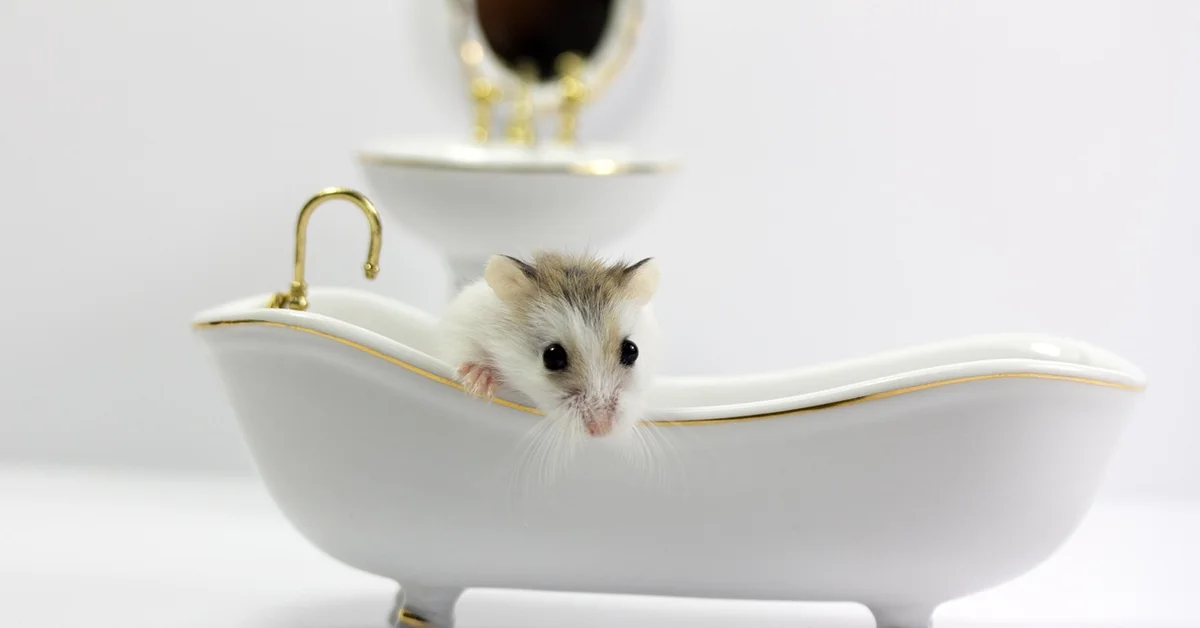
When you look into the bright, curious eyes of your pet mouse, you are seeing a legacy of unparalleled biological triumph. This small creature sharing your home is a testament to adaptability, intelligence, and social complexity. Their journey from wild fields to our homes isn’t a story of domestication erasing their nature, but one of us learning to appreciate their wild core—from pest to pet mouse.
Every tunnel they dig in their bedding echoes the burrows that sheltered their ancestors. Every cautious sniff of a new treat mirrors the exploratory behavior that allowed them to colonize every corner of the globe. Caring for a pet mouse is, in its own beautiful way, an act of preserving and honoring one of the most successful mammalian stories on Earth. By providing an environment that respects their instincts, we don’t just keep them alive; we allow them to truly thrive, celebrating the magnificent wild spirit housed in that tiny, beloved body.
Frequently Asked Questions
How fast can a house mouse run?
A house mouse can reach top speeds of up to 8 miles per hour in short bursts, thanks to their agile, lightweight bodies and powerful leg muscles. This remarkable speed evolved as a key survival trait for escaping predators and navigating complex environments in the wild. For pet owners, this means providing a secure, spacious habitat to prevent escapes during their energetic sprints, and offering enrichment like wheels or tunnels to satisfy their innate need for swift movement.
What is meant by a ‘house mouse mix’ in terms of subspecies?
A ‘house mouse mix’ refers to the genetic blending of different Mus musculus subspecies, such as the Western European (M. m. domesticus) and Eastern European (M. m. musculus) varieties, which can interbreed where their ranges overlap. This mixing results in diverse physical and behavioral traits, like variations in fur texture, size, or temperament. For pet mouse care, this diversity means each mouse may have unique needs, so observing individual preferences for activities, handling, or social interactions can help tailor their environment for optimal well-being.
Are house mouse repellents safe to use around pet mice?
Most commercial repellents for house mice, such as ultrasonic devices or chemical-based sprays, are not safe for use near pet mice and can cause stress, respiratory issues, or other health problems due to their sensitive systems. Instead, focus on preventive measures like securely storing pet food, regularly cleaning habitats to avoid attracting wild mice, and using physical barriers. This approach protects your pets while addressing any concerns about wild mice without introducing harmful elements into their environment.
Your Path Forward
The incredible journey of the common house mouse from wild fields to our homes is a powerful reminder of their resilience and intelligence. These aren’t just accidental guests; they are adaptable survivors whose natural curiosity and social nature have allowed them to thrive across the globe.
By providing a habitat that stimulates their innate need to explore, forage, and socialize, you honor their wild spirit in a safe and loving way. Watching your own mice navigate their world with such purpose is a daily privilege, a small window into the remarkable story of a species that chose to live alongside us.
Further Reading & Sources
- Tracking the Near Eastern origins and European dispersal of the western house mouse | Scientific Reports
- Genetic structure and invasion history of the house mouse (Mus musculus domesticus) in Senegal, West Africa: a legacy of colonial and contemporary times | Heredity
- Population structure and inbreeding in wild house mice (Mus musculus) at different geographic scales – PMC
Isabella is a passionate small pet enthusiast with over 8 years of experience in caring for mice. She loves sharing practical tips and heartfelt stories to help fellow mouse owners provide the best care for their tiny companions.
Mice in Science & History