
Mouse Reproductive System: Basic Anatomy for Pet Owners
Have you ever been curious about how your pet mouse’s body is structured for reproduction, yet felt overwhelmed by complex biological terms? As a longtime mouse caregiver, I’ve simplified the core concepts into a friendly guide that promises clarity and confidence in your understanding.
We’ll cover the primary organs in both male and female mice, including the ovaries, testes, and associated structures, along with their roles in your mouse’s well-being.
How to Tell Male and Female Mice Apart: Sexing Your Pet Mouse
External Differences Between Male and Female Mice
Distinguishing a male mouse from a female is often much simpler than new owners anticipate, relying primarily on one very noticeable feature. The most definitive visual cue is the distance between the anus and the genital papilla; this space is significantly greater in males than in females. In adult males, you will also clearly see a scrotum, which appears as two distinct bumps at the base of the tail, a feature completely absent in females. From about three to four weeks of age, these differences become readily apparent, allowing you to confidently identify your mouse’s sex without guesswork.
- Anogenital Distance: Males have a pronounced gap; females appear to have the anus and genitals almost touching.
- Scrotal Sacs: Present in mature males, looking like a rounded, hairless area with two distinct testes.
- Nipple Visibility: Females have visible nipples running along their belly, while males do not.
- Overall Size: In many mouse lines, adult males tend to be slightly larger and stockier than females.
Best Practices for Safely Examining Your Mouse
Handling your mouse for any examination requires patience and a gentle touch to prevent stress or injury. Always perform this check over a soft, secure surface like a bed or a couch to cushion any potential falls. I find my calmest mouse, Gregory, is the easiest to check, while my energetic Kenny requires a bit more focus to hold steadily. These simple handling steps form the basis of a quick at-home health check for your mouse. Regular brief checks can help you spot problems early. The goal is to be quick, confident, and reassuring throughout the brief process.
- Gently scoop your mouse into your hand, allowing it to rest comfortably in your palm.
- Use your thumb to softly but securely hold the base of its tail, just above your hand.
- Carefully lift the mouse, allowing its front paws to brace on your fingers while its hindquarters are elevated.
- Observe the area under the tail for the key differences. The entire check should take only a few seconds.
- Speak to your mouse in a calm, soothing voice throughout and offer a tiny treat immediately after.
Female Mouse Reproductive Anatomy: What’s Inside
The Ovaries and Egg Production
Tucked deep within the abdomen, a female mouse has two small, bean-shaped ovaries responsible for her entire reproductive potential. These tiny organs are powerhouses, producing eggs and the hormones that govern her reproductive cycle, which repeats every four to five days. Unlike humans, mice are spontaneous ovulators, meaning the release of an egg is not triggered by mating but occurs regularly on this tight schedule. The entire system is remarkably efficient, designed for the species’ survival. In the wild, this rapid reproductive rhythm underpins population turnover and influences behaviors like nest-building and territory use. Because females can produce multiple litters a year, their ovarian cycle is a central driver of mouse lifecycles and local population dynamics.
The Uterus and Where Babies Develop
The uterus, or womb, is a Y-shaped organ where the magic of development truly happens. This is the nurturing chamber where fertilized eggs implant and grow into a full litter of pink, wriggling pups over a gestation period of about 19 to 21 days. The two “horns” of the uterus allow a mouse to carry a surprisingly large number of babies simultaneously. Its walls are rich with blood vessels that provide all the nutrients and oxygen needed for the rapidly developing embryos before they are born.
External Female Anatomy You Can See
While the internal structures are hidden from view, the external anatomy provides clear visual confirmation of a female mouse. The most obvious feature is the presence of a single, small urogenital opening located very close to the anus, creating that characteristically short anogenital distance. Just ahead of this, along the belly, you will see a neat line of tiny, hairless spots-these are her teats, or nipples. These become much more prominent and visible if she has ever been pregnant and nursed a litter.
- Urogenital Opening: A single opening used for both urination and reproduction.
- Teats (Nipples): Typically five pairs running along the underside of the abdomen.
- Vulva: The external part of the genital tract, which may appear slightly swollen and more open when the mouse is in heat.
Male Mouse Reproductive Anatomy: What’s Inside
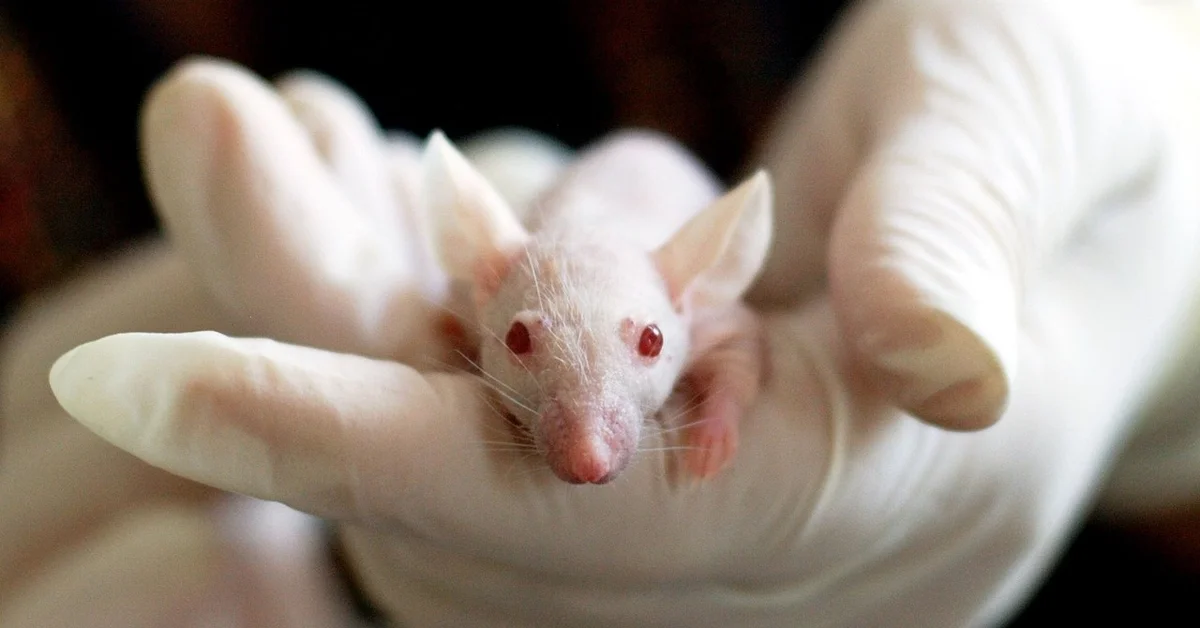
The Testes and Sperm Production
Inside your male mouse, the testes are the powerhouses of reproduction. These two small organs are responsible for manufacturing sperm and producing vital hormones. In adult males, you’ll often notice a prominent scrotal sac because the testes descend and remain outside the abdominal cavity, a key feature for temperature regulation. Sperm production, or spermatogenesis, is a continuous and highly efficient process, allowing a male mouse to be reproductively active throughout his life.
The internal structure of a testis is a marvel of biological engineering, filled with tiny, coiled tubes called seminiferous tubules. Think of these tubules as a bustling factory assembly line, constantly working to create new sperm cells. This non-stop production is why separating male and female mice is absolutely critical if you wish to prevent a population explosion in your habitat.
The Path Sperm Takes: From Production to Ejaculation
Once sperm are created, they embark on a carefully orchestrated journey to reach the outside world. It’s not an instant process; the sperm need time to mature and gain the ability to swim. This maturation journey is essential for the sperm to develop the motility needed to successfully reach and fertilize an egg.
The pathway involves several key structures:
- Epididymis: A long, coiled tube sitting atop the testis where sperm mature and are stored.
- Vas Deferens: The muscular tube that acts as a transportation highway, carrying mature sperm away from the scrotum.
- Accessory Glands: These glands add seminal fluid, providing energy and creating a protective medium for the sperm.
- Urethra: The final shared passageway through the penis for both urine and semen.
External Male Anatomy You Can See
From the outside, the most noticeable feature is the anogenital distance. You can easily identify a male mouse by the greater distance between his anus and his genital papilla compared to a female. This is one of the first things I check when determining the sex of young mice. Accurate sexing is essential for understanding fancy mouse breeds, since breeding programs, color lines and show standards all depend on knowing males from females. Some breed-specific traits like long fur or compact body shapes can make sexing harder, so relying on anogenital distance helps avoid mistakes.
Other visible characteristics include:
- A rounded, prominent scrotal sac containing the testes, located at the base of the tail.
- The presence of a prepuce, which is the sheath covering the tip of the penis.
- Adult males often have a visibly larger and more muscular rear body shape than females.
Regular, gentle observation of this area can help you monitor your mouse’s health, allowing you to spot any potential issues like swelling or impaction early on.
Understanding the Estrous Cycle in Female Mice
The Four Stages of the Estrous Cycle
A female mouse’s reproductive system operates on a rapid, repeating cycle called the estrous cycle. Unlike humans, mice do not have a menstrual cycle with a period; instead, they reabsorb the uterine lining if pregnancy does not occur. This entire cycle repeats roughly every four to five days, making female mice receptive to mating frequently, unlike male mice who do not experience such cycles.
The cycle has four distinct phases:
- Proestrus: The body prepares for potential mating. Ovarian follicles begin their final maturation.
- Estrus: This is the “heat” phase where the female is sexually receptive and will allow mating. Ovulation occurs during this stage.
- Metestrus: The period immediately following ovulation. The body begins to form temporary progesterone-producing structures.
- Diestrus: A period of sexual inactivity. If the mouse isn’t pregnant, the cycle resets and begins again with proestrus.
When Female Mice Reach Sexual Maturity
Female mice develop remarkably quickly. A young female can reach sexual maturity and become capable of reproducing as early as four to six weeks of age. This is well before she is fully grown, which is why accidental litters from seemingly “young” mice are so common. For those keeping an all-female (doe) colony, this makes careful age tracking and housing essential to avoid accidental breeding. Separating or closely monitoring young females until they pass the high-risk period helps maintain a truly female-only colony.
This early maturity is a survival trait from their wild ancestors. From my experience, this is the single most common surprise for new owners, who often don’t realize how swiftly they need to separate pups by sex. It’s a good practice to start checking for sex differences around three weeks old to ensure you have everyone in the correct, single-sex groups.
Mouse Reproductive Physiology: Fertilization and Gestation
How Fertilization Occurs in Mice
Fertilization is a race against time. After a successful mating, the male deposits sperm into the female’s reproductive tract. The sperm must then navigate through the cervix and into the uterine horns, swimming toward the waiting eggs. Mice have a unique reproductive feature called a copulatory plug-a waxy substance the male deposits that temporarily blocks the female’s tract after mating.
Fertilization itself, the moment a single sperm cell penetrates the egg, typically happens in the upper part of the oviduct. This entire process, from mating to the fusion of sperm and egg, is usually complete within hours. The successful fertilized egg, now called a zygote, will then begin its journey to the uterus for implantation.
What Happens During Gestation
Gestation, or pregnancy, is a period of incredible growth and development that lasts an average of 19 to 21 days in mice. The short gestation period is one reason mouse populations can increase so rapidly. After fertilization, the tiny embryos travel to the uterine horns, where they implant into the uterine wall and begin to form placentas. You can learn more about the stages of mouse pregnancy here.
During this time, you’ll notice physical and behavioral changes in the mother:
- Visible weight gain and abdominal swelling, usually apparent in the second half of pregnancy.
- An increase in appetite and water consumption as she nourishes her growing litter.
- Nesting behavior becomes prominent a day or two before birth, as she gathers bedding to create a soft, secure space.
Providing extra nesting material and a high-protein diet during this time supports the health of both the mother and her developing pups. The mother’s body is working tirelessly, and good care helps ensure a smooth delivery.
Normal Reproductive Anatomy vs. Health Problems to Watch For
What Healthy Reproductive Organs Look and Act Like
A healthy mouse reproductive system is designed for efficiency and typically goes unnoticed in your daily care routine. In males, the most obvious feature is the anogenital distance-the space between the anus and the genital opening is significantly larger than in females. You’ll also notice two distinct scrotal sacs, which should feel soft and pliable, not hard or swollen.
For females, the vaginal opening is much closer to the anus and is not normally visible or prominent. A healthy female mouse will have a clean, dry genital area with no discharge, swelling, or redness that you can easily see. Her overall behavior remains consistent with her personality, whether she’s a bold explorer like my Kenny or a calm observer like Gregory.
The entire system operates quietly in the background of a well-cared-for pet. You should observe no changes in urination habits, no excessive grooming of the area, and no discomfort when your mouse moves or is handled gently. This seamless, trouble-free function is the ultimate goal of good reproductive health.
Common Reproductive Health Problems in Pet Mice
Despite their small size, mice can face several significant reproductive health challenges that require your watchful eye. As mammals, mice have rapid reproductive cycles and mammalian hormonal systems that affect their breeding and health. Knowing these typical mammalian traits helps you recognize reproductive problems early.
- Uterine Infections (Pyometra): This is a serious, pus-filled infection of the uterus. Watch for a distended abdomen, lethargy, and a foul-smelling vaginal discharge.
- Mammary Tumors: These are extremely common in female mice. They appear as firm, fast-growing lumps along the belly, chest, or under the front legs.
- Penis Plugs: In males, a waxy substance can build up and block the penile sheath. You might see him straining to urinate or constantly grooming the area.
- Prolapses: In severe cases, tissue from the uterus or rectum can protrude from the body, appearing as a red, swollen mass.
- Cysts and Abscesses: These can form in the reproductive tissues, causing visible lumps that may be mistaken for tumors.
Early detection is your most powerful tool, as many of these conditions can deteriorate with alarming speed. A small lump one week can double in size the next, which I’ve witnessed firsthand.
When to Take Your Mouse to the Vet
Knowing when a quirky behavior crosses the line into a medical emergency can save your mouse’s life. Don’t wait to seek professional help if you observe any of the following signs. This visual guide highlights universal signs of illness in mice with clear photos and brief descriptions to help you identify problems quickly. Use it as a quick reference to decide when to contact a veterinarian.
- Any visible lump or swelling in the belly or groin area.
- Straining to urinate or defecate, especially in a male mouse.
- Any amount of blood or foul-smelling discharge from the genitals.
- A sudden, noticeable bloating of the abdomen.
- Lethargy, hunched posture, or a rough, puffed-up coat paired with any of the above symptoms.
Trust your instincts—you know your mouse’s normal behavior better than anyone, and if something feels off, it usually is. A problem that seems minor can be a sign of a much more serious internal issue. If you suspect your mouse may be in pain, watch for subtle changes like reduced activity, altered grooming, or a limp. When in doubt, consult a veterinarian experienced with small rodents.
Why Understanding Mouse Reproductive Anatomy Matters for Pet Owners
This knowledge transforms you from a passive observer into an active, empowered guardian. Recognizing the subtle signs of a healthy system allows you to spot the earliest warnings of trouble, often long before a mouse shows obvious pain. This early intervention is the difference between a simple treatment and a life-threatening crisis.
Understanding their basic anatomy also deepens your bond and informs your daily interactions. You become more mindful during handling, knowing what a normal abdomen should feel like and which areas are more sensitive. It helps you tailor their environment, too, ensuring there are no sharp edges that could cause a traumatic injury to their delicate undersides.
Ultimately, this isn’t about becoming a veterinarian. It’s about providing the informed, attentive care that allows a wonderful companion like Jeffery to live his full, cheerful life free from preventable suffering. Your awareness is their first and best line of defense.
Frequently Asked Questions
What is the basic definition of the mouse reproductive system anatomy?
The mouse reproductive system anatomy refers to the physical structures and organs responsible for reproduction, including the ovaries, testes, uterus, and associated ducts and glands. For pet owners, this means understanding the visible and internal parts that enable breeding, such as the distinct anogenital distance in males or the uterine horns in females, which are key for identifying sex and monitoring health without invasive procedures.
This anatomical knowledge helps in everyday care by allowing you to recognize normal features, like the scrotal sac in males or the teats in females, and distinguish them from potential health issues. By familiarizing yourself with these basics, you can better support your mouse’s well-being and make informed decisions about housing and breeding.
How does reproductive physiology affect my pet mouse’s behavior and care?
Reproductive physiology involves the functional processes, such as hormone cycles and sperm production, that drive behaviors like the female’s estrous cycle or male mating readiness. For instance, a female in heat may show increased activity or receptivity, while males might display territorial behaviors due to continuous sperm production, influencing how you manage their environment and social interactions.
Understanding these physiological aspects helps you anticipate needs, such as providing extra nesting materials during pregnancy or separating sexes to prevent stress and overbreeding. This awareness ensures you can create a comfortable habitat that supports their natural rhythms without compromising their health.
What key points are often covered in a mouse reproductive anatomy quiz?
A quiz on mouse reproductive anatomy typically tests knowledge of organ functions, such as the role of the ovaries in egg production or the epididymis in sperm maturation. It may also include identifying structures from diagrams, like distinguishing between the Y-shaped uterus in females and the scrotal sac in males, reinforcing practical skills for pet owners.
Additionally, quizzes often focus on applied concepts, such as recognizing the stages of the estrous cycle or understanding how anatomy relates to common health issues like tumors or infections. Mastering these points through self-testing can deepen your ability to care for your mouse proactively and respond to reproductive health concerns effectively.
Your Path Forward
Learning the fundamentals of your mouse’s reproductive anatomy gives you a powerful lens to view their overall health and behavior. This knowledge isn’t about encouraging breeding; it’s about becoming a more observant and responsive caretaker who can spot subtle changes that warrant a vet’s attention. At your mouse’s first vet visit, the veterinarian may examine reproductive anatomy and ask about breeding history—knowing the basics lets you accurately describe what you’ve observed. That preparedness helps the vet identify any issues quickly and makes the appointment more productive.
With this solid foundation, you can confidently focus on what truly matters: providing a rich, stimulating environment for your companions. Channel your energy into creating a wonderful home filled with toys, tunnels, and treats, ensuring your days together are full of happy, healthy moments.
Further Reading & Sources
- Reproductive tract biology: Of mice and men – PMC
- Development of the Murine Reproductive System | ATLAS-D2K Center
- Reproductive tract biology: Of mice and men – PubMed
Isabella is a passionate small pet enthusiast with over 8 years of experience in caring for mice. She loves sharing practical tips and heartfelt stories to help fellow mouse owners provide the best care for their tiny companions.
Mouse Biology & Anatomy