
Mouse Integumentary System: Caring for Skin, Fur, and Feet
Have you ever noticed your mouse scratching more than usual or seen patches in their fur that make you wonder about their comfort?
Drawing from years of caring for mice like my curious Kenny and calm Gregory, I’ll guide you through simple, effective ways to support their skin, fur, and foot health. This article will walk you through identifying common issues, daily care routines, and practical solutions to keep your mouse’s outer body in top shape.
Understanding Mouse Skin Anatomy and Function
How Mouse Skin Layers Protect Your Pet
Your mouse’s skin is a remarkable shield, composed of three distinct layers that work together to keep them safe and comfortable. The outermost layer, the epidermis, acts like a tough, flexible barrier against dirt, moisture, and minor injuries. This thin but resilient surface constantly renews itself, shedding old cells to prevent infections and irritations. Just beneath lies the dermis, packed with blood vessels and nerves that help regulate body temperature and detect touch. When my curious Kenny darts around exploring, his skin’s rich blood supply quickly adjusts to activity, preventing overheating. The deepest layer, the hypodermis, stores fat for energy and insulation, cushioning your pet during jumps and tumbles. Together, these layers form a dynamic system that defends against environmental threats while supporting overall health.
- Epidermis: Repels water and pathogens, and sheds regularly to stay clean.
- Dermis: Houses sensory nerves for touch and pain, and blood vessels for temperature control.
- Hypodermis: Provides fat storage for energy and acts as a shock absorber during movement.
Glands in Mouse Skin
Mouse skin contains specialized glands that play vital roles in communication and protection. Sebaceous glands produce oils that keep fur soft and waterproof, while scent glands-often located on the flanks or near the genitals-release pheromones for social bonding and territory marking. These scent markers help mice like my calm Gregory establish a familiar, reassuring environment within their habitat. Unlike humans, mice lack extensive sweat glands, so they rely on other methods, like seeking cooler areas, to manage heat. Regular observation of your mouse’s skin can alert you to gland issues, such as overproduction of oils leading to greasy fur, which might signal stress or diet imbalances.
- Sebaceous glands: Lubricate fur and skin, preventing dryness and matting.
- Scent glands: Enable social interactions through pheromone release for group harmony.
- Minimal sweat glands: Mice use behavioral adaptations, like burrowing, to cool down instead.
What Healthy Mouse Fur Should Look Like
Healthy mouse fur is smooth, glossy, and lies flat against the body without bald patches or excessive oiliness. It should feel soft to the touch and spring back when gently pressed, indicating good hydration and nutrition. A well-groomed coat reflects your mouse’s overall wellness, from a balanced diet to a stress-free home. In my experience, Jeffery’s white fur stays bright and even when he’s content, but if it appears dull or ruffled, it often means he needs extra care or a vet check. Regular handling lets you notice subtle changes early, ensuring your pet stays vibrant and happy. It’s also essential to observe your mouse’s self-cleaning grooming behaviors to assess their health.
- Glossy and even: No discoloration or sparse areas, signaling proper health.
- Soft texture: Free from tangles or grease, showing effective self-grooming.
- Full coverage: Absence of bald spots, which could point to mites or allergies.
Types of Mouse Hair and Their Functions
Mouse fur consists of different hair types, each with a unique purpose that aids in survival and comfort. Guard hairs are the long, coarse outer strands that repel water and shield against abrasions, while the dense underfur traps air for insulation against cold. This dual-layer system allows mice to thrive in various temperatures, much like a built-in thermostat. Vibrissae, or whiskers, are specialized sensory hairs that help navigation and detect objects in dim light. Watching Kenny use his whiskers to gauge gaps before squeezing through reminds me how essential they are for safe exploration. Understanding these types helps you appreciate why a full, layered coat is key to your mouse’s resilience.
- Guard hairs: Provide waterproofing and physical protection from environmental hazards.
- Underfur: Insulates against temperature extremes, keeping your mouse cozy.
- Vibrissae: Serve as tactile sensors for spatial awareness and movement precision.
Normal Mouse Foot Structure and Paw Pads
A mouse’s foot is a masterpiece of evolutionary design, built for climbing, digging, and rapid movement. Their back feet are noticeably longer than their front, providing powerful propulsion. Healthy paw pads should feel soft and supple, like fine velvet, not rough or cracked. They are a pale pink color, and the skin should be completely smooth without any redness, swelling, or scabs.
What Healthy Paw Pads Feel and Look Like
Gently holding my mouse Jeffery, I can feel his perfect little paws. They are a great example of what to look for.
- Texture: The pads are smooth and slightly spongy, offering excellent grip.
- Color: A consistent, fleshy pink, free of any bruise-like discoloration.
- Claws: The claws are short, sharp, and clear. They should not be overgrown or curled under.
- Moisture: Pads are dry, not moist or sticky. Excess moisture can signal a problem.
- Symmetry: All four feet look and feel the same, with no one pad appearing larger or more inflamed than the others.
Recognizing Abnormal Skin, Fur, and Feet in Mice
Mice are prey animals and excel at hiding weakness, so you must become a keen observer. Changes in their integumentary system are often the first and most visible signs that something is amiss. Such changes—fur loss, bite wounds, or skin irritation—can indicate stress, illness, or rising social tension that may lead to sudden fighting. Noticing these signs early lets you identify likely causes and take steps to reduce aggression, such as veterinary care, environmental enrichment, or adjusting group composition.
Signs Your Mouse Has Skin Problems
- Visible Redness or Inflammation: Patches of skin that look pinker or redder than the surrounding area.
- Scabs or Crusts: These can range from tiny specks to large, flaky patches, often a sign of scratching or infection.
- Scratching or Over-grooming: If your mouse is scratching incessantly or you see it nibbling at one spot repeatedly.
- Lumps or Bumps: Any new, firm swelling under the skin needs a veterinarian’s attention.
- Ulcers or Open Sores: Broken skin that does not heal is a major red flag for infection or other underlying issues.
When Fur Loss Indicates a Problem
Not all fur loss is a crisis. Older mice like Gregory often develop a slightly thinner coat. Problematic fur loss has specific characteristics.
- Patchy, Uneven Loss: Bald spots, especially around the face, neck, or rump, are rarely normal.
- Accompanied by Red Skin: The skin underneath the bald spot is inflamed or scabby.
- Rough or Greasy Coat: A healthy coat is sleek and clean. A greasy, matted, or spiky appearance suggests illness.
- Excessive Barbering: This is when a cage-mate (or the mouse itself) chews the fur off, leaving a strangely even, short cut. It’s a sign of stress or dominance.
Identifying Paw and Foot Issues
Foot problems can cause significant pain and mobility issues. Watch for these warning signs during your regular handling.
- Swollen Pads or Toes: A single swollen toe or a puffy-looking foot pad.
- Redness or Sores on the Bottom of the Feet: This can be an early sign of pododermatitis, or bumblefoot.
- Limping or Favoring a Limb: Your mouse avoids putting weight on one of its feet.
- Discolored Pads: Pads that look purple, blue, or very dark red indicate poor circulation or serious trauma.
- Overgrown or Broken Claws: Claws that curl and touch the ground can make walking painful and lead to injury.
Common Mouse Skin Conditions
Understanding the most frequent culprits can help you describe symptoms accurately to your veterinarian. Never attempt to diagnose and treat these conditions yourself.
Dermatitis Types in Pet Mice
Dermatitis simply means skin inflammation, and it has several common causes in mice.
- Contact Dermatitis: Caused by an irritant in the environment. This is often triggered by scented bedding, harsh cleaning products, or certain types of plastic. The skin becomes red and itchy where it touches the material.
- Allergic Dermatitis: Similar to contact dermatitis but caused by an allergen, like a specific protein in their food or an airborne irritant. It can be trickier to pinpoint the cause.
- Moist Dermatitis: Occurs when skin is constantly damp, often from a leaky water bottle or poor cage ventilation. It creates a perfect environment for bacterial and fungal growth.
- Barbering: While technically a behavior, the result is hair loss and sometimes skin damage from constant chewing.
Parasites That Affect Mouse Skin and Fur
Parasites are a very common cause of itching and fur loss. You might not see the parasites themselves, but you will see their effects.
- Fur Mites: These are microscopic. The primary sign is intense itching and flaky, scabby skin, often along the back and neck. You may see what looks like “walking dandruff” if you look very closely.
- Lice: Mouse lice are species-specific and visible to the naked eye as tiny, slow-moving specks, usually around the ears and neck. Their eggs (nits) look like white dots glued to the hair shafts.
- Fleas: Less common but possible, especially in homes with other pets. You may see the fast-moving fleas or their droppings, which look like black pepper, on the skin.
Why Pet Mice Lose Fur
Noticing a patch of missing fur on your little friend can be alarming. Fur loss in pet mice often stems from a few common, and usually manageable, issues. I’ve seen this happen with my own mice over the years, and a calm, systematic approach always helps.
- Barbering: This is a social behavior where a dominant mouse chews or grooms the fur off a cagemate. You’ll often see fur loss on the head, face, or back. It’s typically a sign of mild social stress, not aggression.
- External Parasites: Mites and lice are tiny culprits that cause intense itching. Your mouse will scratch incessantly, leading to raw skin and patchy fur, especially around the neck and shoulders.
- Allergies or Irritants: Harsh bedding, like cedar or some dusty pine shavings, can irritate their delicate skin. This leads to scratching and subsequent hair loss as they try to soothe the discomfort.
- Fungal Infections: Ringworm, though not a worm, is a fungus that creates circular, scaly patches of hair loss. The skin underneath often looks flaky and inflamed.
- Normal Aging: Just like us, older mice like my Gregory can experience a general thinning of their coat. It’s usually even and not accompanied by redness or scratching.
Preventing Skin, Fur, and Foot Problems
A little proactive care goes a very long way in keeping your mouse comfortable in its own skin. Creating a safe habitat is your single most powerful tool for prevention. Think of it as building a tiny, perfect world where their biggest worry is where to hide the next sunflower seed. A great way to achieve that is to set up a safe, stimulating playpen where they can explore, climb and forage under supervision. The right layout, toys and hiding spots keep them active and secure.
Choosing Safe Bedding for Healthy Skin and Paws
The ground your mouse walks on all day matters immensely. The wrong bedding can cause everything from respiratory distress to painful sores on their feet. I learned this the hard way early on and now swear by a few simple choices.
- Avoid Cedar and Pine Shavings: The aromatic phenols in these woods are toxic to small animals. They can cause severe liver damage and respiratory issues, leading to a dull, unhealthy coat.
- Opt for Aspen Shavings or Paper-Based Bedding: Aspen is a safe, soft wood. High-quality paper beddings are absorbent, virtually dust-free, and gentle on sensitive paws. I find my anxious Jeffery is much calmer on a deep layer of soft paper.
- Ensure Adequate Depth: Provide a deep layer of bedding, at least a couple of inches, to allow for natural burrowing. This enrichment reduces stress, which in turn minimizes barbering and over-grooming.
Diet for Healthy Skin, Fur, and Paw Pads
What your mouse eats directly fuels the health of its integumentary system. A balanced diet rich in specific nutrients creates a glossy coat and resilient paw pads. I always check the ingredient list on any food or treat I bring home.
- High-Quality Lab Block: This should be the staple of their diet. A good lab block is formulated to provide complete nutrition, including the protein and fatty acids necessary for skin and fur health.
- Protein Power: Healthy skin and a thick coat require protein. Offer occasional small, safe protein sources like a tiny bit of scrambled egg, a mealworm, or plain cooked chicken.
- Healthy Fats: Omega-3 and Omega-6 fatty acids are vital. A tiny piece of walnut, a flax seed, or a drop of olive oil on a treat can work wonders for adding shine and preventing dry, flaky skin.
Regular Inspection Routine
Make a habit of a quick, gentle check-up during handling or playtime. Catching a small issue early can prevent it from becoming a major health concern. I do this with all my boys, turning it into a calm, bonding moment.
- Weekly Weigh-in: Use a small kitchen scale. Sudden weight loss can be a sign of underlying illness that manifests in poor coat condition.
- The Look-Over: While your mouse is busy nibbling a treat, gently part its fur with your fingers. Look for any red spots, scabs, or flakiness on the skin itself.
- Paw Check: Gently hold a foot and look at the pads. They should be smooth and pink, not red, swollen, or have any sores. Also check that nails are a reasonable length.
How to Inspect Your Mouse’s Skin, Fur, and Feet
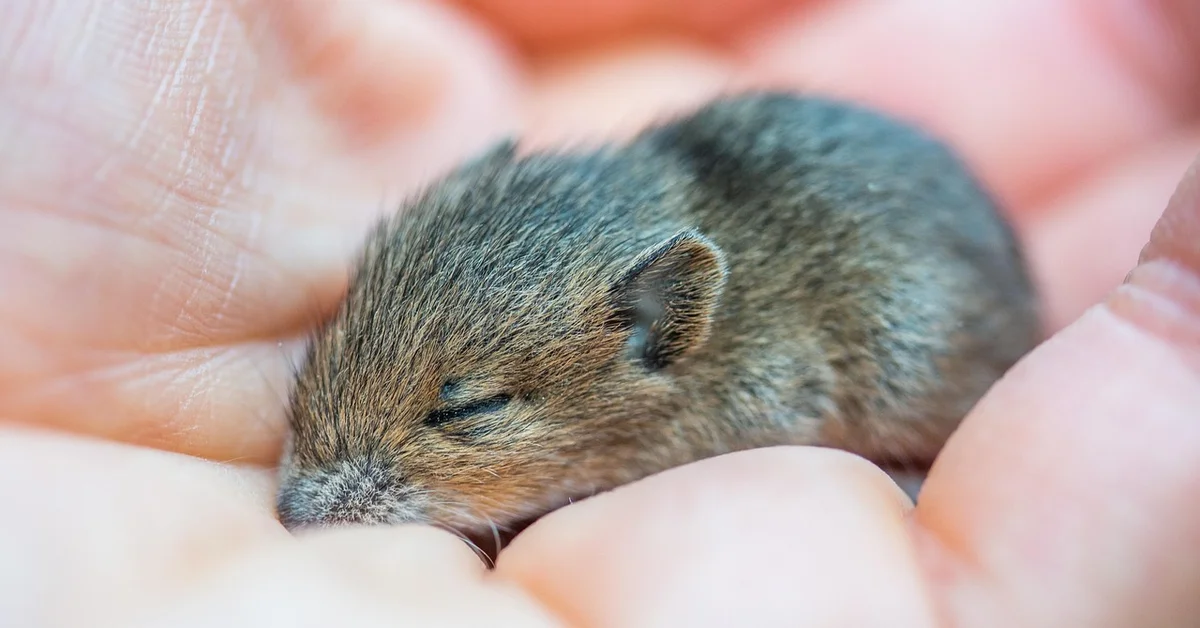
Performing a thorough inspection is a skill that benefits both you and your pet. Your goal is to be a gentle detective, looking for clues without causing any stress. Keep sessions short, positive, and always reward with a favorite treat afterwards.
- Start with a Visual: Observe your mouse in its cage. Does it scratch more than normal? Is its fur ruffled or unkempt in certain areas? This gives you a baseline.
- Create a Calm Environment: Move your mouse to a small, secure play area or hold it gently in your hands. Speak softly to reassure them.
- Examine the Fur: Using your thumb, gently stroke the fur backward against the grain. Look for patches of thinning hair, bald spots, or any foreign material stuck in the coat.
- Inspect the Skin: In the areas where fur is thin or missing, look closely at the skin. Check for redness, swelling, scabs, parasites (which look like tiny moving specks), or dry, flaky patches.
- Check the Feet and Toes: Carefully lift each foot. Examine the pink paw pads for any ulcers, redness, or swelling. Ensure the toes are straight and that no bedding or fur is wrapped around them, which can cut off circulation.
- Note Your Findings: If you see anything unusual, note its location and appearance. This information is incredibly helpful for your veterinarian.
Grooming Your Pet Mouse
When and How to Trim Mouse Claws
Your mouse’s nails are constantly growing tools, and without proper wear, they can become little curved hooks. Overgrown claws can easily snag on fabric, cage mesh, or your clothing, potentially leading to a painful injury. You’ll want to make sure to trim them properly to avoid any damage. You’ll know it’s time for a trim when you hear a distinct “click-click-click” as your mouse walks on a smooth surface or if you see the nails curling back towards the foot.
I’ve found that a calm, steady approach works best. My mouse Gregory, being older and patient, is a perfect model for this. With my more energetic mouse Kenny, I have to be quicker and more strategic.
- Gather Your Tools: Use human nail clippers for small babies or pet-specific scissor-style clippers. Have a styptic powder or cornstarch on hand just in case you nick the quick.
- Create a Calm Environment: Do this in a small, enclosed space like a empty, dry bathtub or a plastic bin. Place a familiar, textured item like a piece of wood or a pumice stone in the area for your mouse to grip.
- The Hold is Key: Gently scoop your mouse into your hand. Use your non-dominant hand to form a gentle “C” shape around its shoulders, supporting its body and allowing one paw at a time to protrude between your fingers.
- Trim with Confidence: Focus only on the sharp, translucent tip of the nail. Avoid the pinkish vein (the quick) visible inside the nail. A quick, clean snip is far less stressful than a hesitant, prolonged attempt.
- Reward and Release: Offer a high-value treat like a sunflower seed or a tiny bit of aged cheese immediately after, even if you only managed one paw. This builds positive associations.
If the process is too stressful for you or your mouse, consider natural alternatives. Providing rough surfaces like untreated terracotta pots, pumice ledges, or rough stones in the cage will help them wear down their nails naturally through their daily activities.
Spot Cleaning vs Bathing
Mice are naturally fastidious groomers, spending a significant portion of their day cleaning their fur. Under normal circumstances, a healthy mouse should never need a full-body bath, as it can strip their skin and fur of essential protective oils. Water can also cause hypothermia and immense stress. There are very few exceptions — for example if a mouse is contaminated with a harmful substance or has a medical issue — and even then bathing should only be done under veterinary guidance and with great care.
Spot cleaning is the only safe method for dealing with messes. I had to do this for Jeffery once when he got a bit of banana stuck in the fur on his back.
- For Sticky Substances: Dampen a cotton swab or soft cloth with warm water. Gently hold your mouse and dab at the soiled area, working to loosen the debris. You may need to carefully trim away a tiny bit of fur if it’s thoroughly matted.
- For Dust or Dry Debris: A soft, clean makeup brush or a small pet toothbrush is perfect for gently brushing away particles from their coat.
- For Scent Gland Buildup (in males): Male mice have prominent scent glands on their bellies that can sometimes accumulate a waxy, yellowish material. You can gently wipe this area with a warm, damp cloth during handling sessions to prevent buildup.
The goal is always to assist their own grooming, not replace it. If your mouse consistently has a dirty rear or matted fur, it could signal an underlying health issue like obesity preventing them from reaching certain areas, or diarrhea, which requires a vet visit. Pay attention to mouse grooming signs, since changes in grooming are often an early warning of illness. Look for a dull or patchy coat, excessive scratching, bald spots, or a lack of normal self-cleaning.
Home Care for Minor Skin and Paw Issues
Managing Dry or Rough Paw Pads
Your mouse’s feet are in constant contact with cage surfaces, which can sometimes lead to dry, rough, or slightly calloused pads. This is often more noticeable in older mice, like my Gregory. While some mild callusing is normal for grip and protection, cracked or visibly irritated paws need attention.
The primary cause is usually the cage flooring. Wire mesh floors are a major culprit and should be avoided entirely. Solid floors covered with a deep, soft bedding are best.
- Check Your Bedding: Some paper-based beddings can be surprisingly dusty or sharp. Aspen shavings or a high-quality paper bedding like Carefresh are typically gentle on feet.
- Provide Variety: Include different textures in the cage, such as soft fleece, smooth ceramic tiles, and flat pieces of wood. This gives their feet a break from a single abrasive surface.
- A Simple Moisturizing Rub: For dry pads, the safest moisturizer is a tiny, tiny amount of organic, cold-pressed coconut oil or olive oil. Dip a cotton swab in the oil, then wipe most of it off so it’s just barely damp, and gently stroke each paw pad. Do this sparingly, perhaps once a week, and only if needed, to avoid making their feet greasy and prone to collecting bedding.
When Veterinary Care Is Necessary
While we can handle minor grooming and dryness at home, some integumentary issues are clear signals to seek professional help. Mice are small and can deteriorate quickly, so it’s always better to be cautious and to know when to be concerned about their grooming habits.
- Visible Wounds or Bleeding: Any cut, bite, or abrasion that breaks the skin needs a vet’s assessment to prevent infection and for proper cleaning and treatment.
- Hair Loss with Redness or Scabs: Patchy fur loss alone can be from over-grooming or barbering by cage mates. But when combined with inflamed, red skin, scabs, or visible scratches, it strongly indicates mites, a fungal infection, or a bacterial skin infection. These require prescription medications.
- Lumps or Bumps: Any new growth on or under the skin should be examined. While sometimes they are harmless cysts, they can also be abscesses or tumors.
- Swollen, Red, or Misshapen Feet: This is often a sign of a condition called bumblefoot (pododermatitis), which is a serious bacterial infection of the foot pad. This will not get better on its own and requires immediate veterinary intervention with antibiotics and specialized care.
- Persistent Scratching: If your mouse is scratching so much that it interrupts normal activities like eating or sleeping, it is likely very uncomfortable and needs a diagnosis.
Trust your instincts. You know your mouse’s normal behavior and appearance better than anyone. If something seems off with their skin, fur, or feet, a quick call to an exotics veterinarian for mice can provide peace of mind or the urgent care your tiny friend needs.
Frequently Asked Questions
How do I remove dead skin from my mouse’s feet?
You should not actively try to remove dead skin from your mouse’s feet. Healthy skin naturally sheds its outer layer, and a mouse’s paws are very delicate. Attempting to peel or scrub dead skin can cause pain, bleeding, and open wounds, which are highly susceptible to infection. If you notice excessive flaking or buildup, it’s a sign of an underlying issue like mites, a fungal infection, or poor habitat conditions, and a veterinarian should be consulted.
How can I prevent tough skin on my mouse’s feet?
Preventing tough, calloused skin is best achieved by providing a proper habitat. The most important step is to avoid wire mesh flooring entirely and use solid floors covered with a deep layer of soft, absorbent bedding like aspen shavings or high-quality paper bedding. Offering a variety of textures, such as smooth ceramic tiles and flat pieces of wood, gives their paws a break and promotes healthy pad condition, preventing the need for tough skin to form as protection.
What should I do about hard skin on my mouse’s feet?
Hard skin on a mouse’s feet is not normal and is often a sign of a serious problem like pododermatitis (bumblefoot), which is a painful bacterial infection. This requires immediate veterinary care for diagnosis and treatment, typically with antibiotics. Do not attempt to file or soften the area yourself, as this can worsen the condition. A vet can provide a safe treatment plan to address the infection and the underlying cause, which is often related to improper cage flooring or unsanitary conditions.
Final Thoughts
Your mouse’s skin, fur, and feet are a living map of their overall well-being, and your attentive eye is the best tool for navigating it. Consistent, gentle observation during your daily interactions can reveal so much about their health and happiness. Incorporating what you notice into a mouse quality of life framework lets you track small changes over time and make informed care decisions. It turns everyday cues—like coat condition or foot health—into actionable measures to support long-term well-being.
A simple routine of checking for healthy pink skin, a clean coat, and smooth little paws during handling can help you catch minor issues long before they become major concerns. Trust your instincts-you know your tiny companion best, and your caring observation is the cornerstone of their vibrant health.
Further Reading & Sources
- Evaluation of 4 Presurgical Skin Preparation Methods in Mice – PMC
- Amazon Best Sellers: Best Body Mousses
- Cible Skin- La Gentle Mouse Cleanser
Isabella is a passionate small pet enthusiast with over 8 years of experience in caring for mice. She loves sharing practical tips and heartfelt stories to help fellow mouse owners provide the best care for their tiny companions.
Mouse Biology & Anatomy