
The Mouse Tail: More Than Just a Rope
Have you ever glanced at your mouse’s tail and dismissed it as a simple, trailing rope, missing the subtle ways it shapes their world? From my years caring for mice like Kenny and Gregory, I’ve learned that this slender appendage holds secrets vital to their well-being, and I’m excited to share a guide that transforms how you see and care for it.
This article will walk you through the tail’s hidden wonders, covering how it acts as a dynamic tool for balance and communication, practical steps to monitor its health for early warning signs, and gentle handling techniques that respect its sensitivity.
The Anatomy Behind the Rope
What Makes a Mouse Tail Look Like Rope
When you look closely at your mouse’s tail, you’ll notice it isn’t smooth. It’s covered in tiny, overlapping scales, much like the rings on a segmented rope. This scaly texture provides the perfect surface for grip, allowing your mouse to anchor itself in precarious situations. Underneath those scales, the tail is a marvel of biological engineering-a long, flexible chain of vertebrae connected by cartilage and muscle. It’s this segmented bone structure, not cartilage, that gives the tail its signature rope-like appearance and flexibility.
How Structure Serves Function
The tail’s unique construction is a direct answer to the needs of a small, agile creature. Each vertebra is a building block for movement and support. The incredible length of the tail acts as a perfect counterbalance, a fifth limb that your mouse uses to navigate its world with stunning precision. This isn’t just an accessory; it’s a fundamental part of their skeletal and muscular system, integrated directly with their spine. The fine muscles running along it allow for subtle, whip-like movements that are crucial for everything from communication to climbing.
The Many Roles a Tail Plays in Daily Life
Balance and Navigation
Watch your mouse walk along a narrow shelf or the thin bar of its cage. You’ll see the tail constantly in motion, weaving side-to-side or held perfectly straight out behind them. This constant, subtle adjustment is the key to their acrobatic prowess, preventing falls and enabling sharp turns at high speed. My mouse Kenny, the bold explorer, uses his tail like a tightrope walker’s pole, letting him make daring leaps between platforms that always leave me holding my breath.
- High-Wire Acts: Acts as a counterweight during climbs and walks on narrow ledges.
- Mid-Air Adjustments: Twists and flicks to reposition the body for a safe landing during a jump.
- Sharp Turns: Whipped to one side to help change direction instantly while running.
Temperature Control Through the Tail
A mouse’s tail is a built-in thermostat. Because it has a large surface area relative to its volume and isn’t covered in thick fur, blood vessels can easily release excess body heat into the air. You might notice your mouse’s tail looking pinker and feel warmer to the touch when they are active or the room is a bit too warm-this is them cooling down. Conversely, in cooler temperatures, blood flow is reduced to conserve warmth for their vital core organs.
Communication and Social Signals
The tail is a dynamic flag, signaling a mouse’s emotional state to its cage mates. Learning this language deepens your understanding of their social world. A tail held high and slightly quivering often indicates curiosity or excited investigation, while a tail tucked low and close to the body can signal fear or submission. My anxious little Jeffery often flicks the very tip of his tail rapidly when he’s unsure about a new treat, a clear sign of his nervous excitement.
- The Confident Flag: A tail held high shows a relaxed, confident mouse.
- The Nervous Twitch: A rapid tip-flick can indicate anxiety or heightened alertness.
- The Submissive Tuck: A tail pulled tightly against the body shows deference to a more dominant cage mate.
Grip and Stability
Beyond balance, the tail provides a literal grip on the world. When a mouse climbs a vertical surface, like the bars of its cage, you might see it wrap the very end of its tail around the bar. This clever anchoring technique provides a crucial third point of contact, freeing up their paws for the next step and preventing a backward tumble. It’s an extra hand, granting them the stability to explore every inch of their environment, both horizontally and vertically. Those tail-assisted maneuvers help explain why mice are so fast and agile: by stabilizing and anchoring during rapid movements they can take quicker steps and change direction more sharply, a key focus of scientific studies into mouse speed and agility.
- Vertical Climbs: Wraps around cage bars or ropes for a secure hold.
- Precision Handling: Can be used to brace against an object while using the front paws to manipulate food.
- Secure Perching: Provides a stabilizing base when sitting up on hind legs to survey their surroundings.
Symbolism of Tails and Ropes in Our Bond with Mice
The Tail as Connection
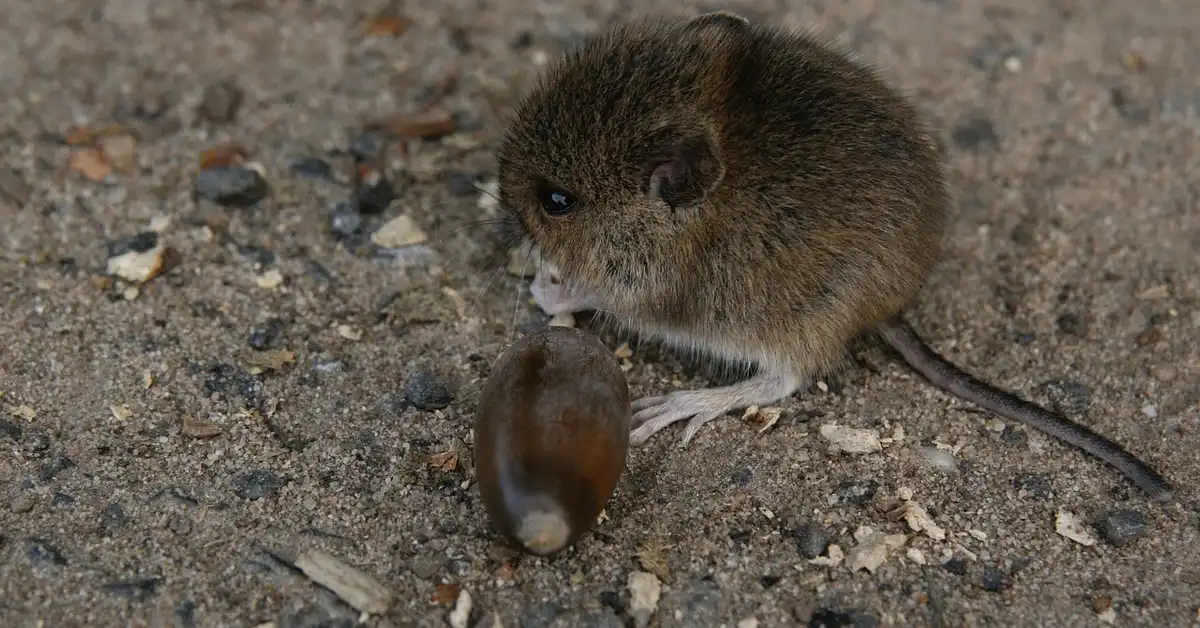
Your mouse’s tail isn’t just a physical feature-it’s a living bridge that links you both in trust and daily interaction. I’ve found that observing how my mice use their tails during play or rest deepens our bond, making every twitch and curl a shared language. Whether it’s Kenny’s tail lightly brushing my hand as he explores or Gregory’s steady wrap around a toy, these moments remind me that this slender appendage is a silent storyteller of our companionship.
- Acts as a tactile guide during handling, reducing fear
- Helps mice balance and navigate, showing their reliance on you for safe environments
- Serves as a gentle point of contact during bonding sessions
What Rope Symbolizes in Companionship
Think of a rope-strong, flexible, and woven from many strands-and you’ll see how it mirrors the ties we build with our mice. Just like a well-made rope, a healthy relationship with your mouse relies on patience and resilience, with the tail often being the first thread of connection. In my experience, this symbolism hits home when Jeffery’s tail trembles with excitement during treat time, weaving joy into our routine.
- Represents durability through life’s ups and downs
- Symbolizes the interwoven moments of care and play
- Highlights how small, consistent actions strengthen your bond
Identity and Heritage in a Mouse’s Tail
Each mouse’s tail carries clues to their unique background, from breed traits to individual quirks. Noticing the subtle differences in tail length, thickness, or color can help you appreciate your mouse’s one-of-a-kind story, much like how Gregory’s darker, sturdier tail reflects his wise, grounded nature. This isn’t just about appearance—it’s a window into their heritage and how they’ve adapted to your home. They’re especially useful when learning about fancy mouse breeds, since tail traits often complement coat and body features used to tell varieties apart. Noting them can help you recognize breed characteristics and tailor care accordingly.
- Variations in tail shape may indicate different mouse lineages
- Unique markings or scars tell tales of past adventures
- Observing tail posture can reveal personality traits over time
Reading Your Mouse’s Tail for Health and Emotion
What a Healthy Tail Looks and Feels Like
A thriving mouse sports a tail that’s smooth, supple, and free of bumps or dryness. Run your finger gently along it—you should feel a consistent texture without any flakiness or stiffness, much like the ideal tail on my curious Kenny during his prime. A clean, smooth tail is one of several grooming signs—alongside glossy fur, the absence of mats, and a normal scent—that indicate good self-care. If the tail looks unclean, flaky, or greasy, it may mean the mouse isn’t grooming properly or has an underlying issue. Regular checks help you spot changes early, ensuring your mouse stays comfortable and vibrant.
- Skin appears evenly colored and slightly glossy
- Tail bends easily without signs of pain
- No swelling, redness, or unusual warmth
Signs of Discomfort or Injury
When something’s wrong, your mouse’s tail will often broadcast the first alerts. Swelling, scabs, or a tucked tail can signal everything from minor irritations to serious issues, so acting quickly is key to preventing long-term harm. I’ve learned to watch for Jeffery’s tail twitches turning into frantic flicks-a sure sign he’s feeling uneasy or in pain.
- Redness or inflammation pointing to infection
- Limpness or inability to move, suggesting injury
- Excessive scratching or biting at the tail base
Emotional Signals Through Tail Movement
Your mouse’s tail is a dynamic mood ring, waving and curling to express feelings you might otherwise miss. A loosely swaying tail often means contentment, while rapid vibrations can indicate stress or excitement, something I see often with Kenny’s impulsive dashes. Paying attention to these cues helps you respond with empathy, building a deeper understanding between you.
- Slow, gentle curls during relaxation
- Stiff, raised tail when alert or scared
- Quick flicks during playful or anxious moments
Common Tail Problems and How to Address Them
Ring Tail and Dry Environments
Ring tail occurs when low humidity causes the tail skin to constrict, forming tight rings that can cut off circulation. Boosting moisture in your mouse’s habitat with a humidifier or damp hideaways often resolves this, as I’ve done to keep Jeffery’s delicate tail supple during dry spells. This condition is preventable with simple adjustments to their living space.
- Maintain humidity levels between 40-60%
- Provide water-rich foods like cucumber slices
- Use coconut oil for gentle moisturizing if needed
Tail Injuries from Handling or Cage Hazards
Rough handling or sharp cage edges can lead to cuts, sprains, or even degloving injuries where skin peels away. Always support your mouse’s body fully when lifting, and regularly inspect their enclosure for any protruding wires or rough surfaces that could snag. In my years of care, I’ve found that slow, confident movements prevent most accidents, especially with jumpy mice like Jeffery. Choosing the right cage—with smooth edges, secure latches, and suitable bedding—is essential to preventing these injuries. The ultimate guide to mouse cages covers safe materials, cage designs, and protective accessories to help you make the best choice.
- Use two-handed support to avoid tail pulling
- Opt for smooth, plastic wheels instead of wire ones
- Clean wounds with saline and seek vet care for severe cases
Skin Conditions and Parasites
Mites, fungal infections, or allergies can cause itching, hair loss, or scaly patches on the tail. Regular cage cleaning and vet-approved treatments like ivermectin can clear up parasites, while diet changes might soothe allergic reactions. I recall Gregory once had a mild mite issue—spotting it early meant a quick recovery and less stress for us both. In mice, symptoms like excessive scratching, tiny moving specks, or localized hair loss can point to mites, lice, or fleas. A vet can perform a skin scrape or exam to confirm the diagnosis and recommend targeted treatment.
- Look for tiny moving dots or crusty skin
- Apply antifungal creams only under guidance
- Improve diet with omega-3 rich foods for skin health
Age-Related Tail Changes
As mice grow older, their tails may thin, stiffen, or show slight curvature due to natural aging. Providing softer bedding and gentle massages can ease discomfort, much like how I adapt Gregory’s environment to honor his senior years. You may also notice changes in grooming—senior mice often groom less effectively or over-groom sore areas. If fur becomes matted, bald, or the mouse avoids grooming its tail, offer gentle brushing and consider veterinary advice. These changes are normal, but monitoring them ensures your mouse ages with dignity and comfort.
- Expect reduced flexibility and possible skin dryness
- Adjust habitats to minimize climbing demands
- Schedule more frequent vet check-ups for early detection of issues
Caring for Your Mouse’s Tail Through Daily Actions
Handling Techniques That Protect the Tail
Always scoop your mouse gently from below using both hands, letting their body rest in your palms while their tail hangs freely. Never lift or hold your mouse by their tail, as this can cause serious injury or even degloving, where the skin slips off. I learned this the hard way when Kenny, my adventurous gray mouse, once darted away while I was distracted; now I make sure my hands are a secure cradle before any interaction.
- Approach slowly and let the mouse sniff your hand first.
- Use a cupped hand to support their entire body, not just the tail.
- If they resist, wait and try again later to avoid stress.
Creating a Tail-Safe Environment
Choose cages with smooth, rounded edges and avoid wire flooring that can snag or trap the tail. Soft, dust-free bedding like paper or aspen shavings reduces the risk of abrasions or infections along the tail’s delicate skin. In my setup, I’ve lined all corners with fleece after noticing Jeffery’s white tail brushing against rough plastic during his explorations.
- Remove any toys with sharp parts or small gaps.
- Ensure wheels are solid-surfaced, not rung-style, to prevent tail entrapment.
- Keep the habitat clutter-free to minimize accidental twists or pulls.
Regular Tail Checks and What to Look For
Inspect your mouse’s tail weekly during gentle handling, focusing on the base to tip for any changes. Look for redness, swelling, cuts, or dry patches, which could signal injury, mites, or poor circulation. With Gregory, my older brown mouse, I check for stiffness or scaling since aging can affect tail flexibility and health. These quick weekly checks are an easy way to monitor your mouse’s health at home. Keep a brief log and contact a veterinarian if you notice wounds, persistent redness, or behavioral changes.
- Gently hold your mouse and examine the tail under good light.
- Note any changes in color, texture, or movement.
- If you spot issues, consult a vet promptly to prevent complications.
Enrichment That Respects Tail Function
Provide activities that let mice use their tails for balance without risk, like wide tunnels, low climbing frames, and puzzle feeders. Tail-safe enrichment encourages natural behaviors like perching and exploring while keeping that vital appendage out of harm’s way. I’ve seen Kenny’s excitement with cardboard mazes that let his tail sway freely as he navigates twists and turns.
- Offer chew toys that don’t have loose strings or fibers.
- Include shallow water dishes for drinking, not deep bowls that could soak the tail.
- Rotate toys regularly to maintain interest without overcrowding the space.
The Tail in the Story of Your Mouse’s Life
How Each Tail Tells a Story
Your mouse’s tail can reveal their unique history through its condition and how it moves-whether it’s held high in confidence or tucked in fear. Observing tail posture and scars gives you a window into their past experiences and current well-being. For instance, Jeffery’s slightly crooked tail tip reminds me of his early days when he was more timid; now, it’s a mark of his growing bravery.
Building Trust Through Tail Awareness
Paying attention to tail signals helps you respond to your mouse’s emotions, strengthening your bond over time. When you notice a relaxed, loosely curled tail, it often means your mouse feels safe and content in your presence. I’ve built deeper connections with all my mice by respecting their tail language, like giving Gregory space when his tail stiffens during handling.
- Watch for rapid tail twitches, which might indicate stress or excitement.
- Use slow movements to avoid triggering defensive tail wrapping.
- Reward calm behavior with treats to reinforce positive associations.
The Resilience We Learn from Mice
Mice often adapt to minor tail injuries with remarkable speed, teaching us about patience and recovery in caregiving. Their ability to bounce back from setbacks inspires a mindful approach where small, consistent actions lead to big improvements in health. Caring for Kenny after a minor tail scrape showed me how resilience isn’t about perfection but about gentle, ongoing support.
Frequently Asked Questions
What is the significance of the “tail rope” comparison?
The “tail rope” comparison emphasizes how a mouse’s tail resembles a rope in both structure and function, with its segmented, scaly surface enabling grip and flexibility. This analogy helps owners appreciate the tail as a vital tool for balance, climbing, and communication, rather than viewing it as a simple appendage.
What does a rope symbolize in the context of pet mice?
In pet mice care, a rope symbolizes the resilient and interwoven bond between you and your mouse, built on trust and daily interactions. It reflects how patience and consistent care create a strong, flexible connection that supports your mouse’s well-being through various life stages.
How can the concept of “tying a tail rope” be applied symbolically in mouse care?
Symbolically, “tying a tail rope” refers to strengthening your relationship with your mouse by fostering trust through gentle handling and attentive observation of tail cues. This concept encourages creating a secure environment and responsive care routine that weaves a deeper, more meaningful companionship.
Your Mouse’s Remarkable Tail
The tail is your mouse’s built-in superhero tool, a master of balance for daring climbs and a delicate sensor for navigating its world. By observing how it moves and feels, you gain a deeper window into your pet’s health and daily experiences. Understanding tail cues alongside head and body posture gives a fuller picture of your mouse’s moods and needs. See the mouse body language head and tail guide for simple, practical tips on reading those signals.
From the joyful curve of a relaxed tail to the focused stillness during a whisker-calibration session, every detail tells a story. Cherish this unique bond by appreciating all the small, wonderful parts that make your mouse who they are.
Further Reading & Sources
- Amazon.com : NEW Silicone Mice Tail Teaser Interactive Rope Wand Cat Toy – Non-Toxic, Odorless Mice, Mouse, and Snake Tail Wand for Indoor Cats, Swing Tail for Engaging Play, Exploration, and Entertainment, Pink : Pet Supplies
- Knotty Mouse for Good Cats : 10 Steps (with Pictures) – Instructables
- JW Pet Cataction Catnip Mouse Cat Toy With Rope Tail : Target
Isabella is a passionate small pet enthusiast with over 8 years of experience in caring for mice. She loves sharing practical tips and heartfelt stories to help fellow mouse owners provide the best care for their tiny companions.
Mouse Biology & Anatomy