
How to Take Beautiful Photos of Your Pet Mice: A Beginner’s Guide
Have you ever tried to photograph your pet mouse only to end up with a blurry, unflattering image that doesn’t do their charm justice?
This beginner-friendly guide will equip you with easy-to-follow methods to take stunning photos, promising clear, captivating results. We’ll dive into essential topics like choosing the right lighting, mastering basic camera techniques, and creating a comfortable environment for your mice to shine in front of the lens.
Understanding Your Mouse’s Behavior Before You Start Shooting
Observing your mouse’s daily rhythms is the single most effective way to capture their true personality. Your patience in learning their unique habits will be rewarded with more authentic and compelling photographs.
Mice are crepuscular, meaning their energy peaks during dawn and dusk. I find my mouse Kenny is most adventurous and willing to explore new setups right after his evening nap. Watch for these active periods; your subject will be far more cooperative, especially when compared to nocturnal animals that are active only at night.
- Identify their favorite nap spots and pre-focus your camera there.
- Notice their grooming routines-these moments make for incredibly endearing close-ups.
- Learn what treats motivate them. A small crumb can encourage Jeffrey to pause his nervous twitching for a perfect portrait.
- Pay attention to their curiosity triggers. A new cardboard tube or tissue box often sparks investigative behavior ideal for action shots.
Gregory, my older mouse, prefers a calm, predictable environment and will simply retreat if I move too hastily. Respecting your mouse’s comfort zone is non-negotiable for a successful and stress-free photoshoot. Familiarize yourself with common visual signs of stress—freezing, excessive grooming, flattened posture, or avoidance—so you can recognize when Gregory is uncomfortable. A brief visual-behavioral guide makes it easy to spot these cues and adjust your approach accordingly.
Essential Camera Settings for Sharp Mouse Portraits
Moving from automatic to manual control transforms your mouse photography. Mastering these three settings gives you the creative power to freeze a moment of pure mouse magic.
Getting the Right Shutter Speed for Active Mice
Mice are bundles of fast-twitch energy. Their remarkable speed and agility stem from a high proportion of fast-twitch muscle fibers and a lightweight build that lets them accelerate and pivot in an instant. A slow shutter speed will turn your photos into a blur of gray and white fur. I never shoot slower than 1/250th of a second, and I prefer 1/500th or faster for my energetic Kenny.
- Start with 1/250s for slower, sniffing-around behavior.
- Bump to 1/500s for walking, climbing, or gentle grooming.
- Use 1/1000s or faster to freeze mid-air jumps or playful wrestling.
- Enable continuous shooting mode (burst mode) to capture a sequence of movements.
Remember, a faster shutter speed lets in less light, so you will need to compensate with your other settings.
Choosing Your Aperture for Eye-Level Mouse Shots
Aperture controls depth of field-how much of your photo is in focus. For portraits, you want your mouse’s eyes sharp, with the background softly blurred. Setting a wide aperture (a low f-number like f/2.8) isolates your subject and makes them pop from their environment.
- Use f/2.8 to f/4 for single-mouse portraits, ensuring the eyes are tack-sharp.
- Try f/5.6 if you’re photographing two mice together and want both in focus.
- Stop down to f/8 or higher for group shots of three or more mice to get everyone clear.
Getting down to your mouse’s eye level is the secret. I lie flat on my stomach to capture Jeffrey’s world from his perspective, making the image far more intimate.
Adjusting ISO and White Balance for Natural Colors
These two settings ensure your photos look clean and your mouse’s true colors are represented. Balancing ISO and white balance prevents noisy, discolored images that fail to capture your pet’s unique beauty.
ISO controls your camera’s sensitivity to light. Keep it as low as possible (ISO 100-400) in bright light to avoid grain. In lower light, you can increase it, but try to stay below ISO 1600 to maintain image quality.
White balance corrects color casts from your light sources.
- Use the “Daylight” setting for photos near a sunny window.
- The “Tungsten” or “Incandescent” setting fixes the orange hue from household lamps.
- For the most accuracy, set a custom white balance using a white piece of paper under your shooting lights.
This attention to color is especially important for accurately capturing Gregory’s rich dark brown fur and Jeffrey’s clean white coat.
Setting Up Natural Lighting and Simple Backdrops
Using Soft Lighting to Highlight Small Features
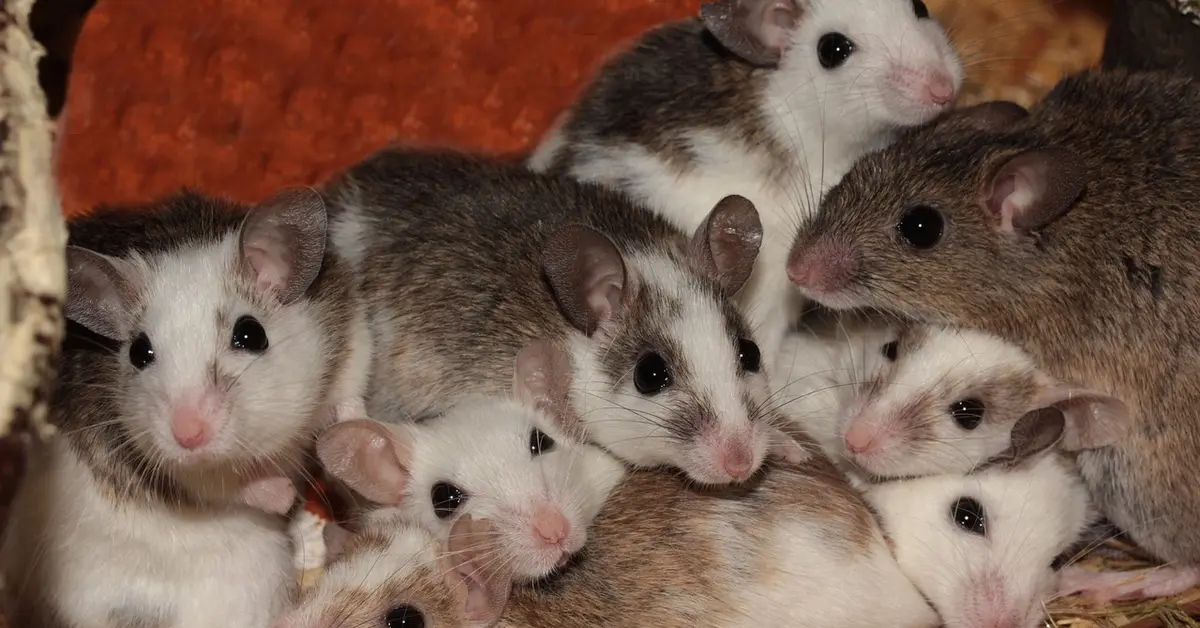
Your mouse’s delicate whiskers and tiny paws can get lost in harsh, direct light. I always use the soft, indirect light from a north-facing window, which illuminates their fur without creating scary, deep shadows. The goal is to make their coat look soft and their eyes sparkle, not to startle them with a bright flash. Position your mouse so the light falls gently on its face and body, revealing all those wonderful little details you adore. Soft lighting also helps during grooming and taming sessions when you’re preparing a mouse for a show, keeping them calm while you check coat condition. Gentle handling in this light builds trust and makes it easier to spot and fix any areas that need attention.
Avoid using your camera’s flash at all costs, as it can frighten your pet and create unflattering red-eye or harsh reflections. If your room is dim, try placing a sheer white curtain over the window to diffuse the sunlight into a beautiful, soft glow. This simple trick mimics professional studio lighting and makes even the smallest white mouse, like my Jeffery, look crisp and clear without any squinting or discomfort.
Creating Clean Backdrops Without Special Equipment
You don’t need a photo studio to create a beautiful setting. A clean, simple background helps your mouse stand out as the undeniable star of the photo. I often use plain surfaces from around my home that provide a consistent color and texture.
- A large, solid-colored piece of cardstock or matte poster board
- A clean, neutral-colored towel or a small piece of fleece fabric
- A simple wooden cutting board or a plain desk blotter
- The floor of a clean, empty cage or playpen
Choose colors that contrast with your mouse’s fur. My dark brown mouse, Gregory, looks magnificent against a light beige backdrop, while my light gray Kenny pops against a deep blue. The key is to eliminate visual clutter so all the attention stays on your pet’s charming antics and unique markings. See the pet mouse colors and markings guide below for descriptions of common fur colors and patterns and tips on highlighting each variety. It will help you pick backgrounds, toys, and poses that best showcase your mouse’s distinctive markings.
Safe Handling and Positioning for Stress-Free Photo Sessions
Props and Toys That Keep Mice Engaged
The best mouse photos capture their natural curiosity and playfulness. Using familiar props encourages natural behaviors, resulting in photos that are both authentic and adorable. Never force your mouse into a pose; instead, let its own interests guide the scene. When filming, be patient and follow the mouse’s movements so you can capture spontaneous, engaging behaviors on video. Small video tips—like shooting at eye level, using natural light, and keeping the camera steady—help those moments translate into charming clips.
I keep a small box of photo-friendly items that my mice already know and love. Watching Kenny tentatively explore a new cardboard tube or Jeffery happily nibble a berry makes for far better pictures than any staged pose. Their genuine reactions are what create magical photos.
- For Exploration: Cardboard tubes, small wooden bridges, or a clean, empty flower pot.
- For Snacking: A single sunflower seed or a small piece of their favorite veggie held in place.
- For Climbing: A small, safe branch or a ladder from their cage.
- For Resting: A miniature fleece bed or a small, shallow ceramic dish.
Always supervise your mouse closely around any props. The session should be short, positive, and end with a favorite treat, ensuring your mouse associates photo time with happy experiences. Use only non-toxic, sturdy props without small parts or sharp edges, and keep them on the ground to prevent falls. Avoid direct flashes or hot lights and never place props where your mouse could get trapped.
Mastering Focus Techniques for Tiny Subjects
Mice are quick, and their small size makes getting a sharp photo a delightful challenge. Switching your camera or phone to manual focus gives you complete control over what part of your mouse appears crystal clear. I prefer to focus directly on their eyes, as a sharp eye connection makes the photo feel alive and engaging. Creating a miniature photo studio—with tiny backdrops, scaled props, and controlled lighting—helps stage scenes where they stay comfortable and you can nail the focus. These small setups make it easier to control depth of field and capture those crisp eye details.
If your mouse is a constant blur of motion like my Kenny, try using your camera’s burst mode. Taking a rapid series of shots dramatically increases your chances of capturing that one perfect, sharp image amidst the playful chaos. Use the best camera settings for photographing fast-moving pets to improve your results. Be patient and take many photos, knowing you can delete the blurry ones later.
Get down on your mouse’s level for the most compelling perspective. Photographing from their eye line, rather than from above, creates a more intimate and powerful portrait that truly celebrates their world. A slightly elevated surface, like a low table, can make this easier on your back and knees during your mini photo shoot.
Capturing Candid Shots Through Patience and Timing
Waiting for the perfect moment is the heart of photographing your tiny companions. Patience transforms rushed attempts into cherished images that reflect your mouse’s true spirit. Tiny movements and fleeting expressions define their world, so slow down and let the scene unfold naturally.
Working With Your Mouse’s Natural Personality
Each mouse has a unique character that guides your photographic approach. Observing daily routines helps you anticipate when your pet will be most active or relaxed. My mouse Kenny, for instance, darts about unpredictably, so I keep my camera ready during his peak exploration times. These observations also help shape a simple daily mouse care checklist—here are five quick tips to keep your mouse healthy, comfortable, and more predictable for photos.
- For bold, curious mice: Position treats near photogenic spots and wait for investigative pauses.
- With calm, patient types like Gregory: Use soft voices and gradual movements to encourage natural poses.
- For anxious observers such as Jeffery: Employ a quiet environment and familiar objects to ease them into comfort.
- Schedule short sessions around feeding or play to align with their energy cycles.
- Blend into the background by sitting still, letting your mouse forget the camera exists.
Matching your technique to their temperament builds trust. Gentle consistency encourages mice to behave authentically in front of the lens. I’ve found that Jeffrey’s jumpy nature softens when I mimic his soft, squeaky sounds, creating moments perfect for capture.
Basic Editing and Post Processing for Mouse Photos
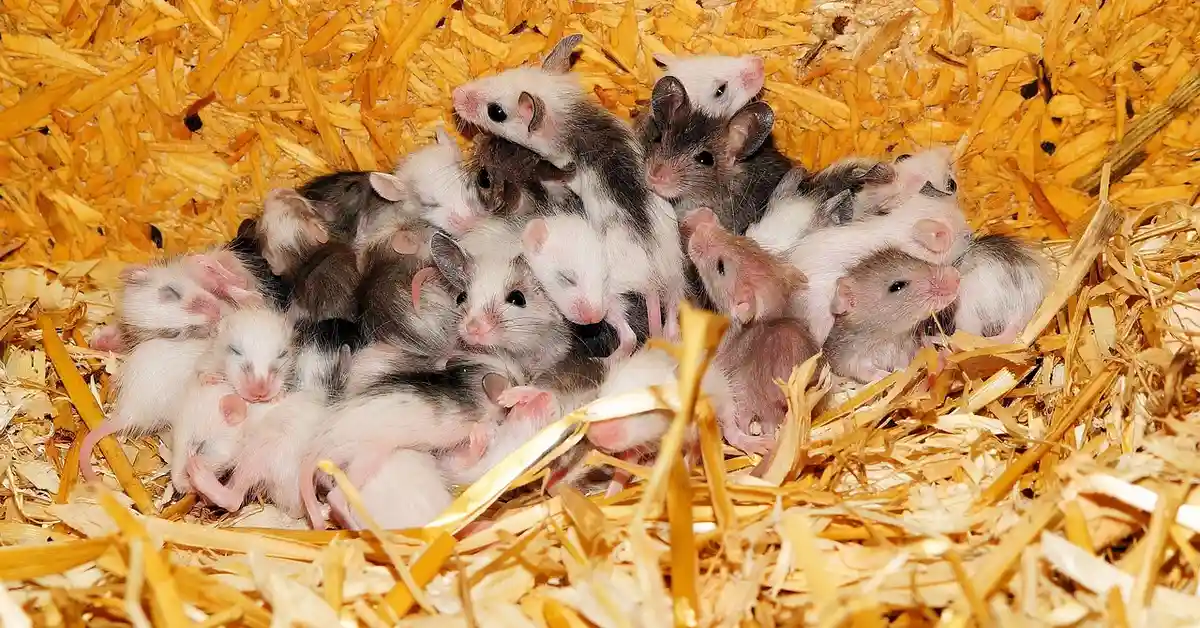
Subtle edits can elevate your photos without losing the genuine charm. Focus on enhancing natural colors and sharpening details to highlight your mouse’s delicate features. Over-editing often strips away the authenticity that makes pet photos special.
Lens Recommendations for Small Pet Photography
Choosing the right lens is foundational for clear, intimate shots. Macro lenses excel at close-ups, revealing whisker textures and tiny paw details that standard lenses miss. They allow you to maintain a comfortable distance while filling the frame with your subject.
- Prime lenses with wide apertures (e.g., f/1.8) perform well in low light, reducing motion blur.
- Zoom lenses offer flexibility for active mice, letting you adjust composition quickly.
- Consider lightweight options to handle easily during extended shooting sessions.
- Image stabilization features help counter shaky hands when tracking fast movements.
Investing in quality glass minimizes the need for heavy cropping or sharpening later. A sharp lens captures crisp images that require only minor brightness or contrast adjustments in post-processing. My experiences with Gregory’s steady demeanor taught me that a good lens pairs beautifully with his measured pace.
Frequently Asked Questions
Can a pet photo mouse pad be used in mouse photography?
A pet photo mouse pad is typically a customized desk accessory featuring images of pets, but it isn’t designed for use during mouse photography sessions. While it might inspire creativity, it doesn’t serve as a functional prop or backdrop for photographing live mice due to its small size and potential safety concerns. Instead, focus on using safe, simple backdrops like plain cardstock or fleece to highlight your mouse’s features without distractions.
What general care tips should I follow to keep my pet mice healthy for photos?
Maintaining your pet mice’s health is crucial for successful photography, as a happy, well-cared-for mouse is more likely to be active and photogenic. Ensure they have a balanced diet, fresh water, and a clean habitat with enrichment toys to reduce stress and encourage natural behaviors. Regular health checks and gentle handling outside of photo sessions help build trust, making them more comfortable and cooperative during shoots.
What are some interesting facts about pet mice that can aid in photography?
Pet mice have excellent hearing and a strong sense of smell, which can influence their behavior during photos-using familiar scents or quiet environments can help keep them calm. They are also nearsighted and perceive movement quickly, so sudden gestures may startle them; patience and slow movements are key to capturing candid moments. Understanding these traits allows you to adapt your approach for more natural and engaging photos.
Your Journey Begins
The most breathtaking mouse photos often come from simply observing their world and capturing their authentic character. Forget about perfect lighting or expensive gear for a moment; your patience and your unique bond with your pet are the most powerful tools you have.
Every time you practice, you are not just taking a picture-you are preserving a tiny, wonderful story. Keep your camera handy, celebrate the blurry action shots as much as the serene portraits, and enjoy the process of getting to know your curious companions through your lens.
Further Reading & Sources
- 43,400+ Pet Mouse Stock Photos, Pictures & Royalty-Free Images – iStock
- 10,791 Pet Mice Stock Photos – Free & Royalty-Free Stock Photos from Dreamstime
- Pet mouse hi-res stock photography and images – Alamy
Isabella is a passionate small pet enthusiast with over 8 years of experience in caring for mice. She loves sharing practical tips and heartfelt stories to help fellow mouse owners provide the best care for their tiny companions.
Mice in Culture & Media