
Are Woolly Mice Real? Unraveling the Furry Mystery
Have you ever heard a whisper about a fantastically fluffy rodent and wondered if such a creature could truly exist outside a storybook? That sudden spark of curiosity is a wonderful thing, and you’ve come to the perfect place to find a clear, honest answer.
This guide will walk you through the fascinating reality behind the “woolly mouse” name, separating charming fiction from biological fact. We will explore the specific animal often given this nickname, its unique habitat, and how its care differs dramatically from that of a pet fancy mouse like my own curious Kenny.
What Are People Actually Talking About When They Say “Woolly Mice”?
When the term “woolly mice” pops up online or in conversation, it’s almost never referring to a specific, scientifically recognized species. This phrase is typically a catch-all description for fancy mouse varieties with exceptionally long, dense, or uniquely textured fur. People are enchanted by the idea of a mouse that looks like a tiny, living puffball, and they use this charming label to describe that image. In my years of browsing forums and talking with other owners, I’ve found the conversation usually centers on the stunning appearance and the specialized care these fancy mice require.
The Real Mice Behind the Woolly Myth
While you won’t find “Woolly Mouse” listed on any official breeder registry, several distinct and beautiful fancy mouse breeds perfectly fit the description. Understanding the real varieties behind the myth is the first step to providing them with the proper care they need. Recognizing breeds like longhair, rex, and satin clarifies their specific grooming and health needs. That knowledge also helps you choose compatible companions and the right habitat. Their coats aren’t just for show; they demand a commitment to grooming that goes beyond what a standard short-haired mouse requires.
Angora Mice: The Longest Hair You’ll Find
If any mouse truly earns the “woolly” title, it’s the Angora. These mice possess a recessive gene that gives them impressively long fur, which can grow several inches in length if left untrimmed. Because the trait is recessive and follows simple Mendelian inheritance, Angoras are often used to illustrate genetics concepts and to study how long-haired offspring are produced. Breeders and researchers track carriers and crosses to predict and maintain the long-haired Angora line.
- Their coat is fine and silky, often forming a slight wave.
- Males typically develop a much longer, more luxurious “skirt” of fur than females.
- Daily gentle brushing with a soft-bristled toothbrush or baby hairbrush is non-negotiable to prevent painful, debilitating mats.
I’ve found that a small, daily grooming session becomes a wonderful bonding ritual, turning a necessity into a moment of quiet connection. Without this routine, their beautiful fur can quickly become a health hazard, trapping moisture and dirt close to the skin.
Texel and Long-Haired Varieties
The Texel mouse is another standout, combining the long hair of the Angora with a distinct rex coat that creates tight, uniform curls. This gives them a truly woolly, lamb-like appearance. These features result from interactions between the longhair and rex genes, and the satin mutation can further modify sheen and texture. Understanding these coat-type genetics clarifies how Texel, rex, longhair and satin traits combine.
- Their fur is both long and curly, creating a dense, plush texture.
- This double-whammy of long, curly hair means they are even more prone to tangling than the straight-haired Angora.
- Their care is intensive, requiring meticulous and patient detangling to keep their coat and skin healthy.
Owning a Texel is a commitment to haute couture-level small pet grooming, a responsibility I take very seriously for the animal’s comfort. It’s a labor of love that ensures they remain as happy and playful as my more low-maintenance mouse, Gregory.
Rex and Satin Coats: Not Woolly, But Often Confused
These two varieties are frequently lumped into the “woolly” conversation because of their unique textures, even though they aren’t long-haired.
- Rex Mice: They have a genetic mutation that causes all of their hair, including their whiskers, to be curly. This creates a dense, plush, and crinkly coat that feels wonderfully springy to the touch.
- Satin Mice: Their fur has a hollow hair shaft that reflects light, giving them an incredibly sleek, glossy, and silky appearance that can mimic the sheen of fine wool.
The rex coat offers a wonderfully tactile experience, a soft and crinkly texture that is entirely unique in the mouse world. While they don’t need the extensive grooming of long-haired types, their distinct coats are part of what fuels the fascination with “woolly”-looking mice. Satin, rex, and texel are common coat types that illustrate these differences—satin gives a glossy sheen, rex produces that crinkled texture, and texel adds longer, wavy curls. Knowing these distinctions helps you choose a pet mouse whose coat and care needs match your preferences.
Where the “Woolly Mouse” Story Started
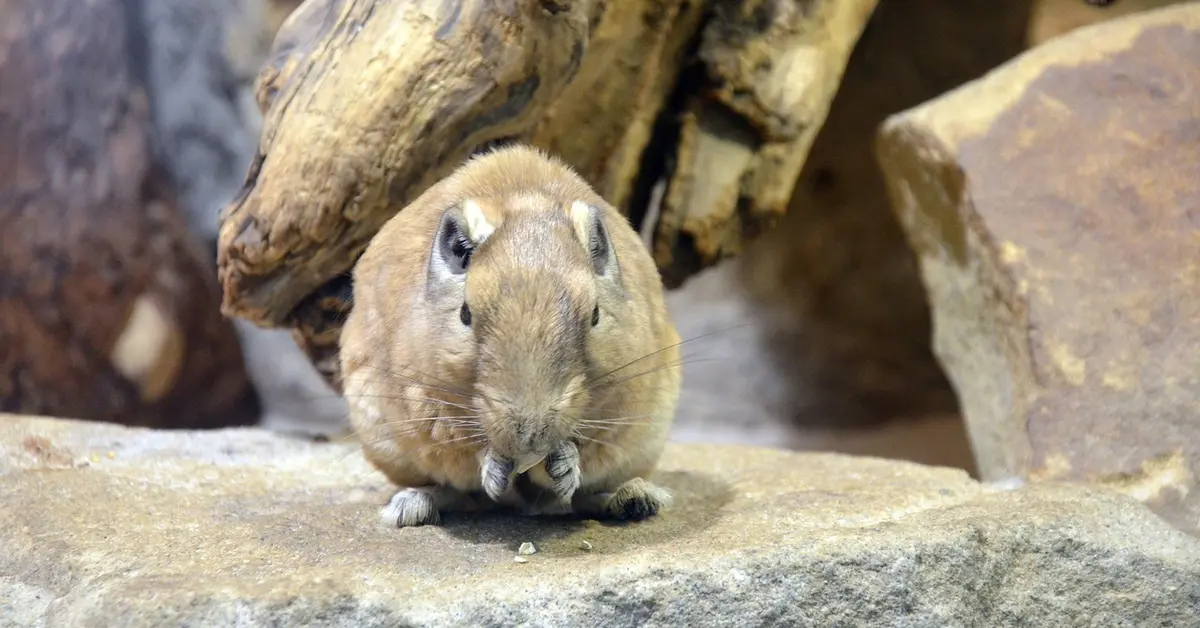
Social Media and the Spread of Woolly Mouse Content
You’ve probably seen them on your feed: adorable, fuzzy rodents that look like they’re wearing tiny, unkempt sweaters. Social media platforms, particularly TikTok and Instagram, became the primary engine for the woolly mouse phenomenon, where a compelling visual can eclipse factual accuracy in an instant. These videos often feature a standard pet mouse with a particularly long or messy coat, filmed in soft focus with charming music. The algorithm favors novelty, and the idea of a “woolly” mouse is undeniably novel, prompting thousands of shares and “OMG, is that real?!” comments. I’ve watched these clips myself, initially filled with the same hopeful curiosity, but my experience caring for Kenny, Gregory, and Jeffery quickly cast doubt.
The Woolly Mammoth Connection
The name itself is a powerful piece of myth-making. By linking a common household pet to an extinct, Ice Age giant, the “woolly mouse” concept taps into a deep sense of wonder and the appeal of the prehistoric. It suggests a tiny, living relic roaming your habitat instead of your home. This connection is purely imaginative, a clever bit of branding that makes a regular mouse seem like a rare discovery. In reality, the genetic bridge between a mammoth and a modern mouse is unimaginably vast, but the romantic idea of a miniaturized, furry prehistoric creature is what truly captures our hearts and fuels the story.
Separating Fact from Fiction: What’s Real and What’s Not
Evidence: What Photos and Videos Actually Show
When you pause one of those viral videos and look closely, the evidence falls apart. The “wool” is almost always the result of a unique coat texture, minor matting, or even a harmless case of bedding material stuck in their fur. Pet mice can have different coat types; some, like my curious Kenny, have a slightly longer, silkier coat that can appear fluffier under certain lighting, especially when he’s mid-zoomies and his fur is ruffled. What you are seeing is a normal mouse, often a long-haired variety or one that simply hasn’t groomed perfectly in that moment. There are no hidden species with thick, insulating undercoats designed for tundra life.
Why No Scientific Documentation Exists
The complete absence of any woolly mouse in zoological records or peer-reviewed journals is the most definitive proof against their existence. If a distinctly new mammalian species, especially one as charismatic as a “woolly mouse,” were discovered, it would cause a seismic shift in the biological community. Museums would be vying for specimens, and geneticists would be sequencing its DNA. The silence from the entire scientific establishment is deafening. Mice are one of the most studied animals on the planet, and a novel, woolly-coated phenotype would be documented, categorized, and discussed extensively in scientific literature. Its appearance solely on social media is the biggest red flag of all.
While the woolly mouse is a charming fantasy, the real joy comes from appreciating the genuine, wonderful diversity of the pet mice already sharing our lives. Their individual personalities and the subtle variations in their soft coats are magical enough without needing to invent a new kind of creature.
Caring for Long-Haired “Woolly” Mice
Grooming Challenges and Solutions
That beautiful, flowing coat requires a commitment far beyond what a standard short-haired mouse needs. Their fur acts like a magnet for bedding material, food, and moisture, creating a perfect storm for painful mats and tangles. You will become very familiar with a small, soft-bristled toothbrush, which is my tool of choice for gentle daily detangling. Watch your mouse’s own grooming habits — mice under stress may overgroom and create bald patches, while sick or injured mice often neglect grooming and develop greasy, matted fur. Noticing these changes can help you know when extra care or a vet visit is needed.
- Preventative Brushing: A quick, gentle brush every other day prevents the majority of problems before they start. Always brush in the direction the fur grows.
- Bathroom Setup: Avoid dusty bedding like pine or cedar shavings, as the particles cling relentlessly. I use a dust-free paper-based bedding which is much kinder to their coats.
- The “Dreaded Mat”: If you find a mat, never pull or cut it with scissors. Work a tiny amount of cornstarch into the knot and patiently tease it apart with your fingers or a fine-toothed comb.
- Sanitary Trims: This is non-negotiable. The long fur around their rear end can become soiled, leading to skin irritation and infection. I carefully trim this area every few weeks with blunt-nosed safety scissors.
My older mouse, Gregory, is quite patient during these sessions, but my younger one, Kenny, requires a high-value treat like a sunflower seed to stay still. Building a positive association with grooming from a young age transforms it from a struggle into a bonding activity.
Health Considerations for Long-Haired Varieties
The coat itself isn’t a disease, but it can hide or contribute to other health issues. You must become a detective, looking for subtle clues that a short-haired mouse would reveal more easily. Regular, hands-on health checks are your first line of defense.
- Skin and Parasite Concealment: Mites, lice, or minor wounds can remain hidden under that thick fur. Part the fur and check their skin weekly for redness, flakiness, or scabs.
- Overheating Risk: That luxurious coat is very warm. Ensure their habitat is in a cool part of your home, away from direct sunlight, and provide ceramic tiles or cool granite slabs for them to lie on.
- Weight Monitoring Difficulty: It’s hard to see if a long-haired mouse is losing or gaining weight. Get into the habit of weighing them weekly on a small kitchen scale to track their health objectively.
- Digestive Concerns: There is some anecdotal evidence from other owners that certain long-haired lines may be more prone to digestive sensitivities. A high-quality lab block should be their dietary foundation, with treats given sparingly.
A pristine, well-groomed coat is often the most visible sign of a truly healthy long-haired mouse. Any dullness, chronic matting, or hair loss is a signal to review their diet, environment, or schedule a vet visit. Regular gentle grooming—short daily brushing with a soft brush and choosing low-tangle bedding—helps prevent painful mats from forming. Early attention and occasional careful trims make ongoing care easier and more comfortable for your mouse.
Should You Get a Long-Haired Mouse?
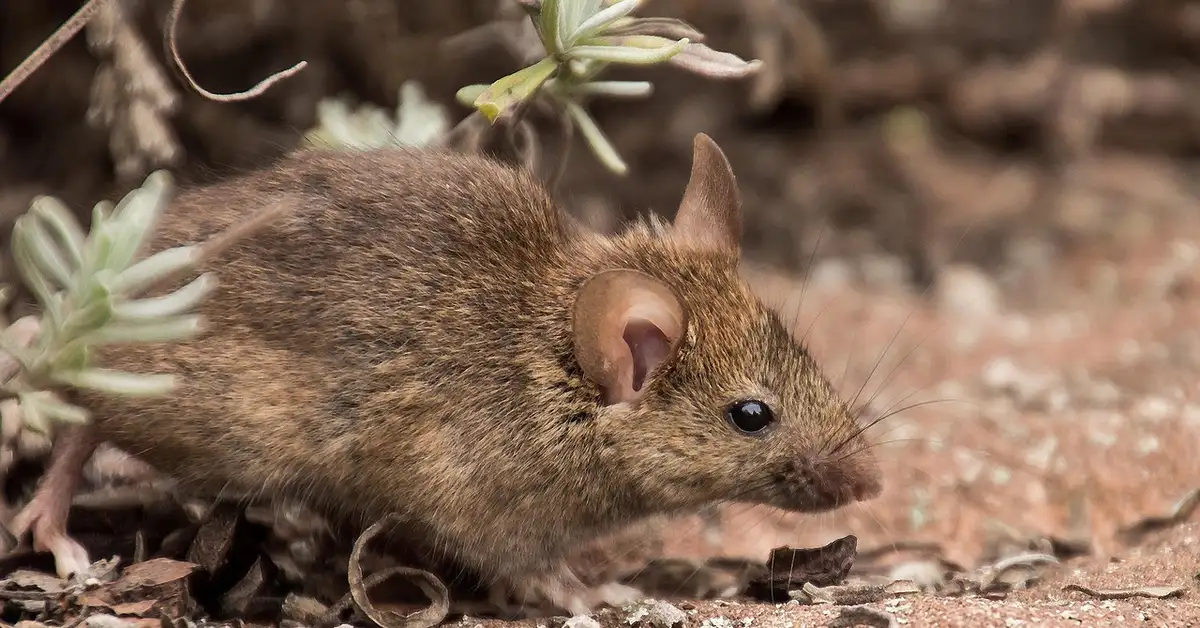
This is a deeply personal decision that hinges entirely on your lifestyle and the level of commitment you can offer. While undeniably stunning, a long-haired mouse is a pet that demands proactive, not reactive, care.
Choose a long-haired mouse if:
- You have time for brief, daily interaction and thorough, weekly grooming sessions.
- You are an experienced mouse owner comfortable with health monitoring.
- You find the grooming process to be a rewarding and calming part of pet ownership.
- You can provide a meticulously clean and temperature-controlled environment.
Consider a short-haired mouse if:
- Your schedule is unpredictable or very busy.
- You are a first-time mouse owner still learning the basics.
- You prefer a lower-maintenance pet that is easier to assess for health issues at a glance.
- You want a mouse that is more robust for the enthusiastic handling of older children.
The joy of a long-haired mouse comes from the deep, attentive bond you form through their specialized care, not just from their appearance. They are a living art project that requires a dedicated and knowledgeable curator.
Frequently Asked Questions
Are woolly mammoth mice real?
No, woolly mammoth mice are not a real or scientifically recognized species. This term is a playful, fictional name that likely arose from social media or imaginative descriptions linking the idea of a fluffy “woolly” mouse to the extinct woolly mammoth. In reality, no mouse species has evolved with a thick, mammoth-like coat, and any references to them are part of the same charming myth as the general “woolly mouse” concept.
If you encounter claims or images of such a creature, they are either misidentified long-haired fancy mice (like Angora or Texel varieties) or digitally altered content. For responsible pet care, focus on the actual breeds available, as their needs are based on real genetics and biology, not fantasy. When looking for a long-haired pet mouse, seek ethical breeders or reputable rescues who prioritize health, temperament, and proper husbandry over novelty traits. Responsible breeders will screen for health issues and provide care guidance so your pet thrives.
What is the difference between brown mice and gray mice?
In the context of pet mice, brown and gray coat colors are simply variations in pigmentation caused by genetics, similar to how hair color differs in humans. Brown mice often have agouti coloring (where each hair has bands of light and dark pigment), giving them a wild-type appearance, while gray mice may have a solid dilution or other genetic factors resulting in a uniform gray hue. These color differences do not inherently affect their health, temperament, or care requirements.
However, in the wild, “brown” mice might refer to species like the deer mouse, and “gray” could describe house mice, but as pets, these terms usually denote fancy mouse varieties. When choosing a mouse, prioritize health and personality over color, as all pet mice need the same essential care: a balanced diet, clean habitat, and social interaction.
Can field mice make you sick?
Yes, wild field mice can carry diseases such as hantavirus or salmonella, which may be transmitted to humans through contact with their droppings, urine, or saliva. This is why it’s crucial to avoid handling wild mice and to practice good hygiene if you encounter them in outdoor or unmanaged areas. However, these risks are associated with wild populations, not properly cared-for pet mice. For more detailed information on symptoms, transmission routes, and prevention, see our wild mice dangerous zoonotic diseases guide. It outlines how to protect yourself, when to clean up droppings safely, and when to seek medical attention.
Pet fancy mice from reputable breeders or stores are typically bred in controlled environments and are much less likely to carry these pathogens. To ensure safety, always wash your hands after handling any mouse or cleaning their enclosure, and keep pet habitats separate from areas where wild rodents might access them. With proper care, pet mice pose minimal health risks to their owners. Additionally, knowing how to safely clean a mouse cage is essential to prevent disease transmission.
Your Path Forward
While the mythical woolly mouse remains a fascinating creature of pop culture, the real, tangible joy of keeping mice as pets is something you can experience every day. Their unique personalities and the gentle rustle of their activity bring a special kind of magic into a home that no fictional creature can replicate.
Your journey into mouse ownership is about discovering the small, wonderful realities of these clever, affectionate companions. We get to share our lives with complex little beings who offer endless curiosity and quiet companionship, proving that the truth is often more rewarding than the fiction.
Further Reading & Sources
- Woolly mouse – Wikipedia
- Woolly mice are cute and impressive – but they won’t bring back mammoths or save endangered species
- Meet the ‘woolly mouse’: why scientists doubt it’s a big step towards recreating mammoths
Isabella is a passionate small pet enthusiast with over 8 years of experience in caring for mice. She loves sharing practical tips and heartfelt stories to help fellow mouse owners provide the best care for their tiny companions.
Mice in Culture & Media