
Are Hamsters and Mice Related? A Simple Rodent Taxonomy Guide
Have you ever looked at a hamster and a mouse and questioned if they share a close family bond? Many pet lovers find themselves curious about the connections between these popular small animals, and it’s a topic filled with interesting scientific details. This guide will walk you through the taxonomic facts in a straightforward, easy-to-follow manner, so you can understand exactly how they are linked.
We’ll cover the specific scientific families each belongs to, key physical and behavioral traits that set them apart, and why this knowledge matters for anyone caring for these pets.
What Order Do Hamsters and Mice Belong To?
Hamsters and mice both fall under the Rodentia order, a group defined by their constantly growing incisors that require regular gnawing to prevent overgrowth. As a mouse owner, I’ve seen how Kenny’s need to chew on safe wood blocks mirrors this innate rodent trait, keeping his teeth healthy and sharp. Rodentia is one of the most diverse mammalian orders, encompassing everything from tiny field mice to large capybaras, but our pet pals share this foundational classification.
You might notice similarities in their behaviors, like nesting habits or nocturnal activity, which stem from this shared order. Recognizing they are both rodents helps explain why they have comparable care needs, such as ample chew toys and a diet rich in fibrous materials. While they are relatives in the broad sense, their paths diverge when we look closer at their family trees.
Breaking Down the Family Tree: Muridae vs Cricetidae
Beyond the Rodentia order, hamsters and mice split into distinct families-Muridae for mice and Cricetidae for hamsters-which explains why they aren’t as closely related as they might seem. Think of it like distant cousins who share a grandparent but have different parents, leading to unique traits and lifestyles. This separation means that while both make delightful pets, their biological differences influence everything from social habits to ideal habitats.
In my years of caring for mice like Gregory and Jeffery, I’ve observed that understanding these family distinctions can prevent common misconceptions, such as assuming they can share enclosures or diets. Knowing the family tree enriches your pet care approach, allowing you to tailor environments to their specific evolutionary backgrounds.
Mouse Classification Within Muridae
Mice, including the common house mouse (Mus musculus) kept as pets, belong to the Muridae family, which is one of the largest mammal families globally. Muridae members are often characterized by their slender bodies, long tails, and remarkable adaptability to various environments, something I see in Kenny’s fearless explorations around his cage. Studying Muridae taxonomy helps explain how mice, rats and gerbils are related within the order Rodentia and clarifies genus-level differences like Mus versus Rattus. This taxonomic perspective deepens our understanding of their evolution, behavior, and ecological roles. This family includes not only mice but also rats and gerbils, all sharing traits like high intelligence and social complexity.
Key features of Muridae mice include:
- Keen senses of smell and hearing, which help them navigate and communicate.
- A tendency toward social living, often thriving in groups with established hierarchies.
- Rapid reproduction rates, though as a pet owner, I focus on providing stable, enriched homes without breeding.
From my experience, mice in Muridae exhibit a playful curiosity that makes them engaging companions, much like Jeffery’s cheerful antics during playtime. Psychologically, play helps mice develop problem-solving skills and emotional resilience, so interactive toys encourage healthy cognition and reduce stress. Watching how they mice interact with toys also reveals individual personalities and social dynamics. Their classification here highlights why they benefit from interactive toys and companionship, unlike some solitary hamster species.
Hamster Classification Within Cricetidae
Hamsters, such as the popular Syrian hamster (Mesocricetus auratus), are part of the Cricetidae family, which also includes voles and lemmings. Cricetidae hamsters are known for their stout bodies, cheek pouches for food storage, and often solitary nature, which contrasts with the social dynamics I see in my mouse trio. This family evolved with burrowing instincts, leading to behaviors like digging and hoarding that are essential to their well-being.
Notable aspects of Cricetidae hamsters include:
- Cheek pouches that allow them to transport food, a handy adaptation for survival in the wild.
- Most species are nocturnal and prefer solitary living, reducing stress in captive environments.
- A shorter lifespan compared to some Muridae mice, emphasizing the need for focused, species-specific care.
Observing hamster habits reminds me that while they share the rodent order with mice, their Cricetidae roots demand different setups, like deeper bedding for burrowing and minimal social interaction. This classification helps pet owners avoid mismanagement, ensuring each animal thrives according to its natural inclinations.
How Close Is Their Evolutionary Relationship?
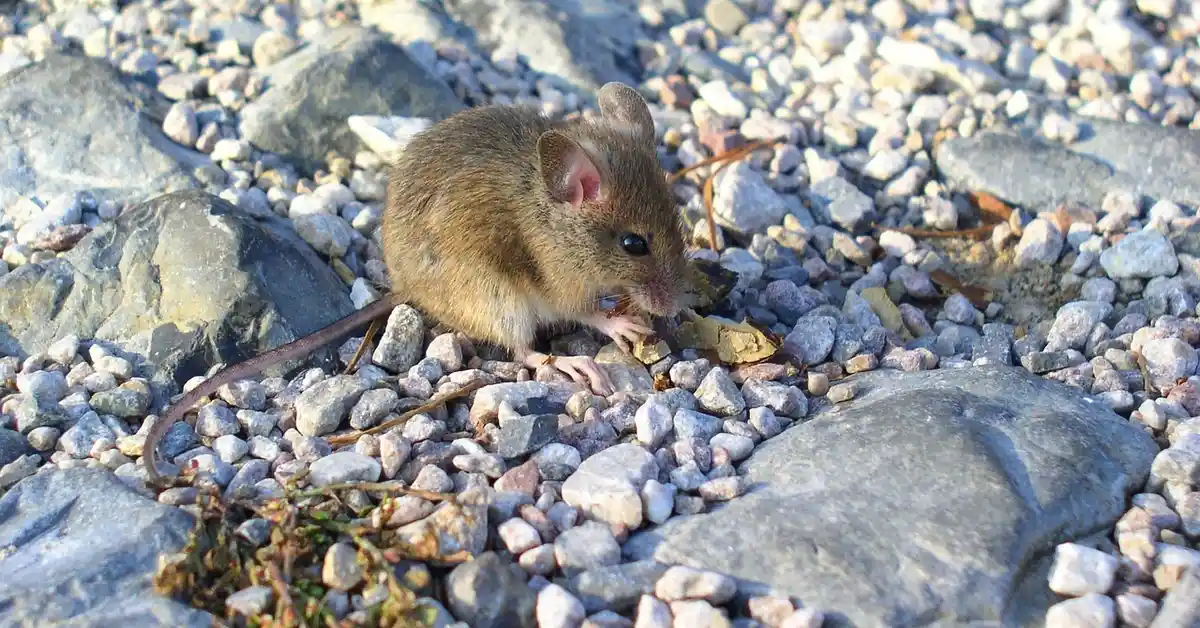
You might wonder if your pocket-sized companions are just distant cousins or much closer kin. Hamsters and mice are related, but they branched apart on the evolutionary tree millions of years ago. They both belong to the enormous scientific order Rodentia, which makes them both rodents, similar to how lions and house cats are both felines. This shared order is why they exhibit classic rodent traits like ever-growing incisors.
Their relationship becomes much more distant when we look closer. Mice are part of the family Muridae, the largest family of mammals, which includes rats and gerbils. Hamsters belong to a different family called Cricetidae. Think of them as evolutionary cousins who share a grandparent but have since developed their own unique family lines. This separation happened so long ago that their common ancestor would be almost unrecognizable to us today.
What Morphological Traits Set Them Apart?
Physical Characteristics That Define Each Species
At a glance, a new pet owner might mix them up, but their bodies tell very different stories. The most immediate difference you’ll notice is their body shape and overall silhouette. A hamster has a distinctly stout, rounded body built for storing food and surviving harsh conditions, while a mouse has a slender, elongated body designed for agility and speed.
Let’s break down the key physical distinctions:
- Body Shape: Hamsters are round and stocky; mice are lean and athletic-looking.
- Tail: This is a major giveaway. Mice have long, slender, mostly hairless tails that help with balance. Hamsters have very short, furry, and often stubby tails that are barely noticeable.
- Cheeks: Hamsters are famous for their expansive, stretchable cheek pouches used for transporting food. Mice lack these prominent pouches entirely.
- Fur: While both have fur, hamsters often have a denser, plusher coat. My mouse Jeffery has a very soft coat, but it lies much flatter to his body compared to a hamster’s fluffier appearance.
Understanding Karyotype and Genetic Differences
Beyond what we can see with our eyes, the separation between these animals is written in their DNA. The fundamental genetic blueprint, or karyotype, of hamsters and mice is completely different and incompatible. A karyotype is a complete set of chromosomes, and the number and structure are unique to each species.
Mice have 40 chromosomes. Most common pet hamster species, like the Syrian, have 44. This mismatch is a powerful reproductive barrier. This chromosomal difference is the ultimate reason why these two species can never successfully breed with one another. It’s not just a matter of different looks or behaviors; their very genetic code prevents the creation of hybrid offspring.
From my experience caring for my trio, even their instincts are coded differently. My curious mouse Kenny’s impulsive explorations are a world away from the more methodical, burrowing nature of a hamster. These behavioral cues are direct results of their distinct evolutionary paths and genetic makeup. Understanding this deep-level divergence helps us appreciate why they require such different care, despite both being small, furry pets.
Behavioral Ecology: How Their Instincts Differ
At their core, hamsters and mice are governed by completely different survival rulebooks. Hamsters are the quintessential solitary hoarders, hardwired to gather and defend resources entirely for themselves. In the wild, a hamster’s life revolves around its burrow, a private fortress it will aggressively protect. Mice, in beautiful contrast, are social architects whose survival depends on the group. Their world is built on shared nests, communal food sources, and constant, quiet communication. Mice are social animals, forming structured groups with shared responsibilities and clear hierarchies. Their survival hinges on cooperation, from communal nesting to collective foraging and mutual grooming.
What Domestication Changed in Both Species
Domestication has softened some edges, but it hasn’t rewritten these fundamental scripts. You can socialize a hamster to tolerate your hand, but you cannot socialize away its deeply ingrained instinct for solitude. My own mouse, Gregory, exemplifies the changes in his species; his calm, patient nature around his cage mates is a testament to generations of selective breeding for a more predictable temperament. Domestication has made mice even more reliant on their social bonds, turning survival teams into affectionate families. Still, individual mice fall along a solitary–social spectrum, so understanding where your pet lies makes all the difference. This guide will help you read those cues and tailor social strategies for solitary or sociable mice.
Consider these key distinctions in their daily habits:
- Food Storage: A hamster will frantically fill its cheek pouches and stash everything in one hidden larder. Mice tend to create multiple, smaller caches and will even forage together.
- Conflict Resolution: A hamster’s primary strategy is territorial aggression. Mice use a complex language of squeaks, postures, and gentle grooming to maintain peace.
- Activity Patterns: While both are nocturnal, a pet mouse’s schedule often adjusts slightly to its owner’s household rhythm. A hamster’s internal clock remains stubbornly fixed on the dusk-to-dawn shift.
Can Hamsters and Mice Live Together?
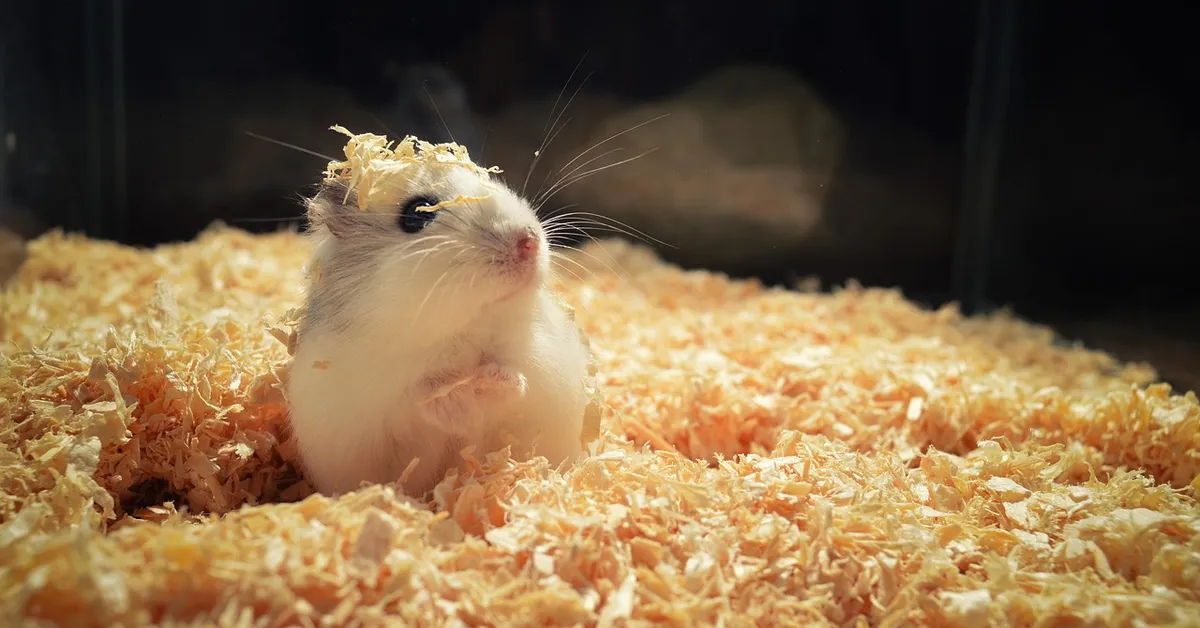
This is one of the most critical questions a small pet owner can ask, and the answer is an unequivocal and firm no. Housing a hamster and a mouse together is a recipe for stress, injury, and almost certain tragedy. Their conflicting social needs create an impossible living situation. The hamster will see the mouse as an intruder to be driven out, while the mouse will be chronically stressed by the lack of a proper social group and the constant threat from its cage mate. The same caution applies when considering mice with other pets. Mice should generally not be housed with other species or much larger animals due to risks of predation, disease, and severe stress.
I have seen the aftermath of well-intentioned attempts, and it is heartbreaking. The risks are simply too great:
- Severe Injury or Death: A hamster’s powerful bite can easily maim or kill a smaller, more fragile mouse.
- Chronic Stress: The mouse would live in a state of perpetual fear, leading to a weakened immune system, poor health, and a drastically shortened lifespan.
- Resource Guarding: The hamster would monopolize food, water, and the best sleeping areas, leaving the mouse deprived and hungry.
The best practice is to provide each species with its own appropriately sized habitat, designed to meet its unique ecological and social needs. Your mouse will thrive with companionship from its own kind, and your hamster will live a content, peaceful life enjoying its well-earned solitude. House mice (Mus musculus) are social, omnivorous scavengers that prefer nesting sites close to food and shelter. Their habitat should include hiding places, nesting material, and opportunities for foraging and social interaction.
Practical Care Differences for Mouse Owners Considering Hamsters
As a mouse owner, you might look at a hamster and think their care is similar. The reality is their daily needs and personalities are worlds apart, requiring different approaches to keep them happy. My experience with my curious mice has taught me that what works for one small pet rarely works for another without significant adjustments, especially when considering that mice have individual personalities.
Social Structures and Housing
This is the single biggest difference you will encounter. Mice are profoundly social creatures who thrive in groups, while hamsters are solitary by nature and must live alone. My trio, Kenny, Gregory, and Jeffery, interact constantly; their cage is a bustling community. A hamster views another hamster in its space as an intruder, leading to severe stress and fighting.
- Mice: Require same-sex groups. A lone mouse will often become lonely and depressed.
- Hamsters: Must be housed individually after weaning. Cohabitation is dangerous.
- Enclosure Size: Both need spacious cages, but a hamster’s solitary home must still be large enough to accommodate all their enrichment.
Activity Patterns and Handling
Your schedule will greatly influence which pet is a better fit. Mice are often most active during dawn and dusk, with playful bursts throughout the day, whereas hamsters are strictly nocturnal. This means a hamster’s main waking hours are when you are likely trying to sleep, and they can be grumpy if disturbed during the day.
- Interaction Time: You can enjoy watching and interacting with mice during daylight hours.
- Nocturnal Nature: Hamsters run on wheels, explore, and make noise primarily at night, which can be disruptive if their cage is in a bedroom.
- Handling Temperament: Many mice, with patience, become comfortable with brief handling. Hamsters often tolerate handling more than they enjoy it and may be more prone to nipping if startled.
Dietary and Environmental Needs
While both are omnivores, their specific nutritional and habitat needs diverge. A high-quality lab block should form the base diet for both, but their treat preferences and foraging instincts differ noticeably. I’ve found my mice go wild for insects, while hamsters have a famous love for storing seeds. When focusing on mice, it’s worth weighing seed mixes vs lab blocks to see which provides the best balanced nutrition. Below is a deep dive into seed mixes vs. lab blocks for mouse nutrition.
- Protein: Mice often require a slightly higher protein content in their main diet.
- Foraging: Hamsters have expansive cheek pouches and an intense drive to hoard food in a designated nest area.
- Bedding Depth: Hamsters are natural diggers and need a very deep layer of safe bedding to construct burrows, a need less pronounced in mice.
Reading a Rodent Taxonomy Chart
Seeing a scientific chart can feel intimidating, but it’s simply a family tree that shows how species are connected through evolution. Think of taxonomy as a detailed map showing the branching paths of life, from very broad categories down to the specific pet in your cage. It explains why animals can look similar but have entirely different instincts.
The Hierarchical Levels Explained
Taxonomy organizes life into a series of nested ranks. You start with the biggest, most inclusive group and narrow down step-by-step to a single, unique species. It’s like finding a specific house by starting with the country, then the city, the street, and finally the house number.
- Order: This is a very large group. Both mice and hamsters belong to the order Rodentia, meaning they are both rodents. This is why they share continuously growing incisor teeth.
- Family: This is where they begin to separate. Mice belong to the family Muridae, the “true mice” and rats. Hamsters belong to the family Cricetidae, which also includes voles and lemmings.
- Subfamily & Genus: The branches get smaller. Our pet mice are in the genus Mus. Common pet hamsters, like the Syrian, are in the genus Mesocricetus.
- Species: This is the final, specific name. A fancy mouse is Mus musculus domestica. A Syrian hamster is Mesocricetus auratus.
What the Divergence Means for You
When you see that mice and hamsters split at the “Family” level, it translates directly to their care. This genetic distance is why their social needs, sleep cycles, and behaviors are not interchangeable, despite both being small, furry rodents. They are cousins, not siblings, with different life histories etched into their DNA.
- Shared Rodent Traits: Constantly growing front teeth, need to gnaw.
- Divergent Evolutionary Paths: Different families evolved different social structures (group vs. solitary) and survival strategies suited to their original environments.
- Practical Takeaway: You cannot assume care guidelines are the same. Always research the specific needs of the family and genus you are bringing home.
Frequently Asked Questions
Where can I find a reliable PDF resource on hamster and mouse taxonomy?
You can often access accurate PDFs on hamster and mouse taxonomy through reputable sources like university biology departments, scientific databases (e.g., PubMed or Google Scholar), or pet care organizations that publish educational materials. These documents typically outline the hierarchical classification, helping you understand the evolutionary splits between families like Muridae and Cricetidae, which can inform better species-specific care practices for your pets.
How can Quizlet help me learn hamster and mouse taxonomy?
Quizlet offers user-created study sets with flashcards and quizzes that cover key taxonomy terms, such as order Rodentia, families Muridae and Cricetidae, and species names like Mus musculus for mice. By using these interactive tools, you can quickly memorize the classification levels and recall how hamsters and mice differ, which is useful for tailoring their housing, diet, and social needs based on their distinct biological backgrounds.
What do the scientific names of hamsters and mice reveal about their taxonomy?
Scientific names like Mesocricetus auratus for Syrian hamsters and Mus musculus for house mice indicate their genus and species, highlighting their separate evolutionary paths within the rodent order. For instance, “Mus” refers to mice in Latin, while “Mesocricetus” points to hamsters’ middle-sized, burrowing traits, emphasizing why they belong to different families and require unique care approaches as pets.
Your Path Forward
While hamsters and mice share a distant family tree as rodents, their care requirements branch off dramatically. Recognizing their distinct biological lineages is the first step to providing truly specialized care for your small companion. Mice belong to the Muridae family (genus Mus), a different branch than many pet hamsters, which are in Cricetidae. Understanding this classification helps explain differences in behavior, social needs, and health, so you can tailor care appropriately. This knowledge empowers you to move beyond generic “small pet” advice and embrace what makes your mouse unique.
Focus on the specific needs of your curious, social mouse, from their complex diet to their need for mental stimulation. Your dedication to understanding their specific nature is what transforms basic keeping into a truly enriching experience for both of you. You’re now equipped with the insight to appreciate your pet for the remarkable little individual they are. Now you can put that understanding into practice by choosing the best enrichment toys that stimulate a mouse’s mind and natural behaviors. From puzzle feeders to chew-and-climb structures, the right toys keep them curious and engaged.
Further Reading & Sources
Isabella is a passionate small pet enthusiast with over 8 years of experience in caring for mice. She loves sharing practical tips and heartfelt stories to help fellow mouse owners provide the best care for their tiny companions.
Mouse Biology & Anatomy