
Mouse Baits: Using Honey, Marshmallows, Nutella, Cheese, and Candy
Are you searching for that special something to coax your timid mouse out of hiding or reward their clever antics? Drawing from years of caring for my own mice, this guide demystifies how everyday pantry items can become powerful tools for bonding and training.
We will break down the safety, appeal, and best practices for each bait-honey, marshmallows, Nutella, cheese, and candy-so you can choose wisely and use them with confidence.
Why Pet Owners Consider Sweet and Savory Foods as Mouse Treats
Understanding What Makes Food Attractive to Mice
Many mouse guardians turn to pantry items because they notice an immediate, enthusiastic response from their pets. Mice are naturally drawn to energy-dense foods, a hardwired instinct from their wild ancestors who needed to capitalize on every calorie-rich find. The powerful aroma of aged cheese or the sweet scent of honey acts like a dinner bell, making these foods incredibly effective for bonding during hand-taming sessions.
I’ve seen this firsthand with my own mouse, Kenny, whose entire demeanor shifts when he detects a tiny crumb of cheese. Using a high-value treat can be the key to building trust and encouraging a shy mouse to approach your hand. These foods are not just about taste; their strong smells help guide mice, who have excellent olfactory senses, creating a powerful positive association with your presence.
- High Calorie Content: In the wild, survival depends on efficient energy sources.
- Potent Aromas: Strong smells are easily detectable and highly appealing.
- Novelty Factor: Foods outside their regular diet spark curiosity and interest.
- Soft Textures: Easy for them to nibble and carry, which mimics natural foraging behavior.
Safety Concerns with Honey, Marshmallows, Nutella, Cheese, and Candy
Choking and Texture Hazards for Small Pets
The physical properties of these human foods pose the first and most immediate danger. Sticky substances like honey or marshmallow can easily coat the inside of a mouse’s mouth and throat, leading to a very real choking risk. Their airways are incredibly tiny, and any obstruction can become a life-threatening emergency in moments.
I am always cautious with textures, especially after a scare with Jeffery and a mini marshmallow that was a bit too large for him to manage. Any treat that is overly gooey, exceptionally chewy, or could expand with moisture should be viewed with extreme caution. A mouse’s instinct is to pouch food, and a sticky treat can get lodged, preventing them from swallowing properly. When I make a safe, healthy mouse treat mix, I stick to small, dry, non-sticky ingredients. This reduces choking risk while still offering variety and nutrition.
- Avoid Gooey & Sticky: Honey, Nutella, and melted candy can glue their jaws or throat.
- Beware of Expandable Foods: Dry marshmallows can swell with saliva.
- Size Matters: Any piece larger than a sunflower seed is a potential choking hazard.
- Hard Candy Danger: Can cause tooth fractures and are impossible for them to eat safely.
Sugar Content and Long-Term Health Risks
The hidden, slow-moving danger of these treats is their astronomical sugar and fat content relative to a mouse’s small body. Consuming even a tiny amount of candy or Nutella is the equivalent of a person eating several candy bars in one sitting. Their digestive systems are not designed to process such concentrated sugars and fats, leading to a cascade of health issues.
My older mouse, Gregory, thrives on a stable, low-sugar diet, and I’ve noticed he is far more active and maintains a healthier weight than if he had sugary snacks. Regular intake of high-sugar foods can predispose a mouse to diabetes, cause severe obesity, and lead to a painful condition called fatty liver disease. These conditions significantly shorten their already brief lifespans and reduce their quality of life, which is why preventing obesity is crucial for pet mice.
- Diabetes: Their pancreas cannot manage the insulin spike from pure sugar.
- Obesity: Excess weight puts strain on their tiny hearts and joints.
- Digestive Upset: Leads to diarrhea and dehydration, which is critical in a small animal.
- Nutritional Deficiency: Filling up on empty calories means they miss vital nutrients from their balanced block diet.
Evaluating Each Food Option for Your Pet Mouse

Honey as Mouse Bait: Sticky Situations
The sweet, alluring scent of honey can certainly capture a mouse’s attention. Honey poses a significant physical risk because its sticky texture can easily coat their delicate paws and fur, leading to painful matting and potential skin issues. Ingesting even a tiny amount can cause their whiskers and mouth to become uncomfortably gummed up, which is distressing for such a fastidious groomer. From my own experience, a dab of honey on a treat led to my curious mouse Kenny spending an entire afternoon trying to clean his face, a situation I wouldn’t wish to repeat.
Marshmallows for Pet Mice: Soft but Risky
Their soft, pillowy texture might seem like an easy-to-eat treat, but marshmallows are little more than sugar, air, and artificial additives. These sugary puffs offer zero nutritional value and can cause a rapid, unhealthy spike in your mouse’s blood sugar. Their stomachs are simply not equipped to process such concentrated sweetness, which can lead to digestive upset and contribute to long-term health problems like obesity. A mouse’s tiny body works hard to maintain balance, and a marshmallow throws that system completely off-kilter.
Nutella and Chocolate Spreads: Fat and Sugar Combo
While the hazelnut aroma is tempting, chocolate spreads like Nutella are a definite no for mice. Chocolate contains theobromine, a compound that is toxic to many small animals, including mice, and can lead to serious health complications. Beyond that danger, the spread is an intense combination of processed sugars and fats that can quickly lead to weight gain and put a strain on their petite liver. Your mouse might eagerly lick it up, but the consequences for their internal health are simply not worth the momentary pleasure.
Cheese as Traditional Mouse Bait: Separating Myth from Reality
Cartoons have done a great disservice to mouse owners by promoting the cheese myth. Most pet mice are actually lactose intolerant, and dairy products like cheese can cause painful gas, bloating, and diarrhea. The high salt and fat content in many cheeses is also unsuitable for their dietary needs. While a minuscule, occasional piece of a low-lactase cheese might not cause immediate harm, it’s far from an ideal treat. My older mouse, Gregory, once tried a crumb of aged cheddar and was noticeably less active for the rest of the day, a clear sign his system was struggling. Cheese is just one example — many everyday human foods can be harmful or even toxic to mice. Below are some common toxic foods you should never feed them.
Candy for Mice: Hard No or Occasional Tiny Treat?
Candy, in all its forms, is a hard no for mice. The extreme concentration of refined sugar, artificial colors, and chemical flavorings can wreak havoc on a mouse’s sensitive digestive system and overall health. Hard candies pose an additional choking hazard, while gummy candies can stick to the roof of their mouth or teeth. There is no scenario where the risks of candy are outweighed by any potential benefit. Your mouse’s health is far too precious to gamble on a substance that offers only empty, harmful calories.
Safer Alternatives to Household Sweet Baits
Natural Sweet Treats That Work Better
If your mouse has a sweet tooth, you can satisfy it safely with nature’s own offerings. Fresh fruits and vegetables provide natural sugars along with essential vitamins, fiber, and hydration, making them a complete and healthy treat. If you want to know which fruits are safe for mice, you can check our list of safe fruits for mice. These options are not only safer but also introduce interesting new textures and flavors to your mouse’s diet.
- Small fragments of apple or pear (seeds removed)
- A single pea or a tiny piece of carrot
- A small slice of banana or a single blueberry
- A cooked, plain sweet potato cube the size of a pea
Protein and Fat-Based Training Rewards
Mice are omnivores and often find protein and fat even more rewarding than sugar. Using high-value protein treats for training strengthens your bond and supports their muscle development and energy levels. My mouse Jeffery, who is often a bit hesitant, becomes much more engaged and confident during handling sessions when a tasty morsel of protein is involved.
- A cooked, unseasoned piece of chicken or turkey the size of a rice grain
- A single, plain mealworm or cricket (available freeze-dried for convenience)
- A tiny sliver of a hard-boiled egg
- A small piece of unsalted, shelled sunflower seed or pumpkin seed
Commercial Mouse Treats Worth Considering
For ultimate convenience and peace of mind, several commercial brands formulate treats specifically for a mouse’s nutritional needs. Look for treats that list whole foods like oats, hay, and seeds as their primary ingredients, avoiding those with added sugars or colorful artificial bits. These are designed to be a safe supplement to their regular balanced block diet. In this review I’ll compare popular store‑bought options to highlight the healthiest choices and explain why they made the cut. Read on for specific brand and ingredient picks.
- Oxbow Simple Rewards treats are a fantastic, simple option.
- Small animal treat mixes that are primarily seed-based.
- Pressed hay and herb cubes or cookies.
- Yogurt drops made specifically for small animals, given very sparingly.
How to Safely Offer Occasional High-Value Treats
Portion Control and Preparation Methods
When your mouse’s nose twitches at the scent of something truly special, the smallest amount is more than enough to make their day. A portion the size of a single grain of cooked rice is the perfect serving for these rich, sugary, or fatty delights. I use the tip of a toothpick to dab a tiny bit of honey or Nutella, creating a mouse-sized lollipop they can lick clean. You can also try healthy DIY mouse treats for everyday snacks that are better for their diet.
For sticky substances like marshmallows or candy, a tiny pinch is all you need. Always ensure any candy is free from artificial sweeteners like xylitol, which is toxic to small animals. I sometimes soften a minuscule piece of aged cheese, which my mouse Gregory prefers, by warming it between my fingers for a moment before offering it.
Placement and Timing Strategies
Where and when you offer a treat can turn a simple snack into a wonderful enrichment activity. Placing a tiny dab of honey on a clean, sterilized pebble or a piece of untreated wood encourages natural licking and foraging behaviors. This prevents their delicate fur from getting sticky and keeps their environment cleaner.
Timing is everything with these potent baits. I reserve these special offerings for right after a handling session or when introducing a new toy, creating a powerful positive association. Avoid giving high-value treats right before their main meal, as it can spoil their appetite for their nutritionally complete food.
Monitoring Your Mouse After Novel Treats
Just like people, every mouse can react differently to new foods. Watch closely for the next few hours to ensure your mouse is acting normally—running on their wheel, grooming, and drinking water. A small change in behavior is your first clue that a particular treat might not agree with them.
Keep an eye out for any digestive upset. If you notice softer stools or a lack of interest in their next regular meal, it’s a clear sign to remove that treat from their rotation for a while. My mouse Jeffery, for instance, is quite sensitive, so I’m extra cautious when he tries something new.
Creating a Treat Rotation That Keeps Mice Healthy
Building a Treat Schedule That Works
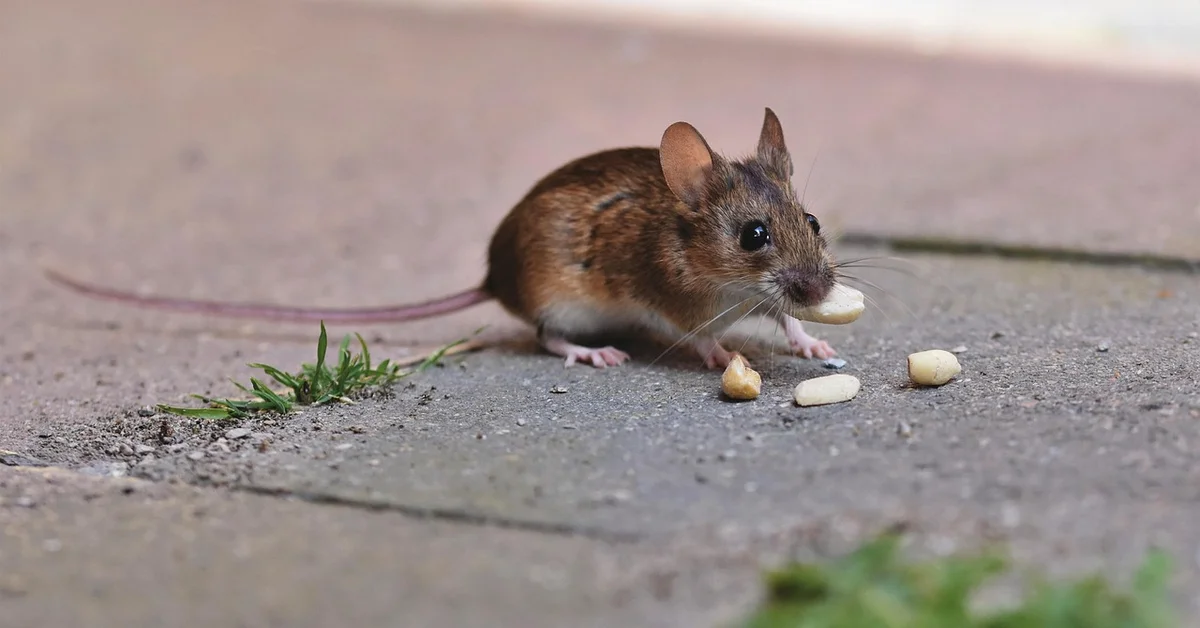
A predictable yet varied treat schedule prevents dietary boredom without compromising health. I follow a simple rule: one high-value treat per mouse, no more than twice a week, with several days in between. This prevents them from holding out for the “good stuff” and ignoring their staple diet. Because diet directly affects a mouse’s long-term health, consistent moderation helps prevent obesity, dental issues, and nutrient imbalances. Small, controlled treats support overall wellbeing and a longer, healthier life.
Here is a sample weekly rotation I’ve found successful:
- Monday: A single plain cheerio (low-sugar)
- Wednesday: A tiny piece of vegetable like broccoli
- Friday: A minuscule dab of honey or a crumb of a berry
- Sunday: A small piece of a cooked, unseasoned grain like quinoa
Rotating between different treat categories-sugary, starchy, protein-rich, and fresh-ensures a balanced approach to their supplemental feeding. This variety keeps my curious mouse Kenny engaged and happy without overloading his system with any one ingredient.
Storage Tips for Mouse Treats
Proper storage is non-negotiable for keeping your mouse’s special snacks fresh and safe. Store all opened treat packages in airtight glass or hard plastic containers to prevent pantry pests and preserve freshness. I use small, labeled mason jars, which keeps everything organized and visible. It’s also important to know how to store food to prevent mice from getting into your pantry.
For items that require refrigeration, like cheese, dedicate a small, clearly marked container in your fridge. Always bring refrigerated treats to room temperature for about 15 minutes before offering them to your mouse to prevent a stomach chill. Check your treat stash monthly for any signs of moisture, mold, or staleness, discarding anything that looks questionable.
Frequently Asked Questions
Is there a food bait safety video?
While there isn’t a single dedicated video covering all aspects of food bait safety for pet mice, you can find valuable resources on reputable platforms like YouTube channels run by veterinarians or small animal experts. Search for terms like “safe treat handling for pet mice” or “small animal nutrition tips” to access visual guides that demonstrate proper portion sizes and avoid hazards like sticky textures, ensuring you apply best practices without repeating the detailed evaluations in the article.
Where can I find the food bait safety data sheet?
Food bait safety data sheets specific to pet mice are often available from veterinary websites, animal welfare organizations, or the manufacturers of commercial small animal treats. For homemade baits like those discussed, consult a veterinarian for tailored advice, as they can provide or direct you to reliable data on ingredient toxicity and safe usage, helping you make informed decisions beyond the general guidelines already covered.
How can I keep dogs safe around food bait?
To protect dogs from accessing mouse baits, always store treats in sealed, dog-proof containers and place them in elevated or enclosed areas away from curious pets. Supervise any interactions and avoid using baits in shared spaces where dogs might scavenge, as ingredients like chocolate or high sugar can pose health risks to them, ensuring a safe environment for all your animals without duplicating the mouse-specific safety tips in the article.
Your Next Step
You now have a delightful toolkit of tempting, high-value treats to use for training, bonding, or simply making your mouse’s day a little sweeter. From the sticky allure of honey to the creamy surprise of Nutella, these special baits can turn a routine interaction into a memorable moment of trust and connection.
Remember that these are powerful tools for building a relationship, and their effectiveness is matched only by the need for your careful moderation. Watching my own mice, like the ever-curious Kenny, investigate a new treat is one of the purest joys of pet ownership—a small offering that leads to a big reward in companionship. With regular handling and treats, many mice learn to recognize their owners by scent and voice. Those familiar interactions strengthen trust and make responses—like approaching or exploring—more likely.
Further Reading & Sources
- Rodent Baits | DIY Pest Control
- How Does Mouse Bait Work? d-Con Explains It All | d-CON
- Expert Opinion: What’s the Best Bait for Mouse Traps?
Isabella is a passionate small pet enthusiast with over 8 years of experience in caring for mice. She loves sharing practical tips and heartfelt stories to help fellow mouse owners provide the best care for their tiny companions.
Humane Removal & Trapping