
Mice in the Ecosystem: Nature’s Tiny Powerhouses
Have you ever watched a mouse scurry by and wondered what purpose such a small creature serves in the grand scheme of nature? As someone who has shared my home with mice like Kenny, whose bold curiosity mirrors that of his wild relatives, I’ve come to appreciate their profound impact. This guide will illuminate the often-overlooked ways mice contribute to environmental health and stability.
We will explore their indispensable role as a food source for countless predators, how their foraging habits make them effective seed dispersers for various plants, and the additional ecological services they provide that sustain diverse habitats.
Why Mice Matter as Prey Species in Food Webs
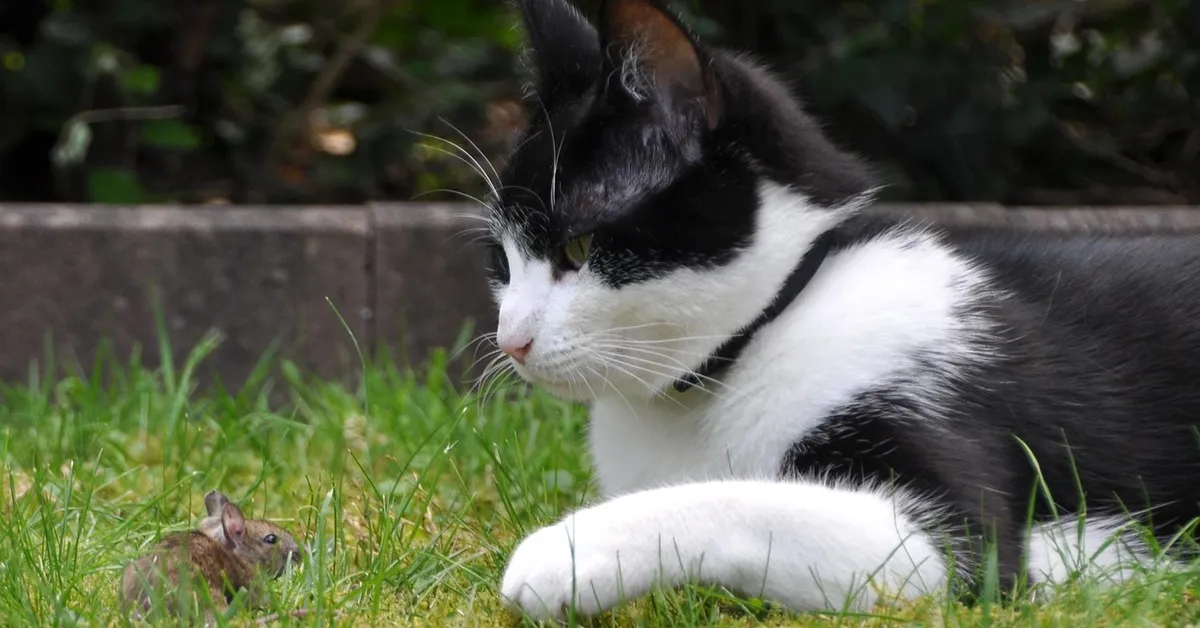
Mice form a fundamental link in countless food chains, serving as a primary food source for a vast array of predators. Without a healthy population of mice, entire ecosystems can falter, as predators from foxes to hawks rely on them for sustenance. Their high reproductive rate ensures a steady, renewable supply of food, making them a cornerstone of ecological stability.
How Predator-Prey Relationships Shape Mouse Behavior
The constant threat of predation has profoundly influenced how mice live and behave. This evolutionary pressure is the reason your pet mouse is so skittish and prefers to dart along the edges of its enclosure-it’s an instinct to avoid open spaces where predators might spot them. I see this daily with my own mice; Kenny’s bold dashes are always followed by a cautious pause, while Jeffery’s entire existence seems tuned to the slightest sound or shadow.
- Nocturnal Activity: Many species are most active at night to avoid diurnal hunters like hawks and snakes.
- Complex Burrowing: Elaborate tunnel systems provide immediate escape routes and safe nesting areas away from the surface.
- Rapid Reproduction: The ability to produce large litters frequently is a direct survival strategy against high predation rates.
- Freeze Response: When startled, a mouse’s first instinct is often to freeze completely, making it harder for visual predators to detect movement.
The Impact of Mice on Trophic Cascades
A trophic cascade is an ecological process that starts at the top of the food chain and tumbles all the way down to the bottom. When mouse populations decline significantly, the effects ripple outward, impacting predator numbers and even the plant life they help control. For instance, fewer mice can mean fewer owl fledglings survive, which may then allow the insects those mice also eat to proliferate unchecked.
This delicate balance is a powerful reminder of their importance. Even a small, seemingly insignificant creature like a mouse holds a thread that, when pulled, can alter the entire tapestry of its habitat. Observing my mice’s intricate social dynamics gives me a tiny window into the complex web of checks and balances that governs nature.
Mice as Seed Dispersers and Plant Partners
Beyond their role as prey, mice are unsung heroes of forest and field regeneration. Their foraging habits accidentally make them highly effective gardeners, spreading the seeds of countless plants far from the parent source. This mutualistic relationship is a beautiful example of how species co-evolve and support one another. Ecologists study these behaviors to quantify how mice support ecosystem functions. That research shows their activities provide tangible benefits—promoting plant diversity and aiding nutrient cycling—that inform conservation and restoration efforts.
Seed Caching and Scatter-Hoarding Behaviors
This is a behavior you’ve likely seen in your own pets. Scatter-hoarding is when a mouse gathers seeds and nuts and buries them in many small, hidden caches instead of one large stockpile. This instinct to hide food for later is a primary driver of forest renewal, as forgotten caches often sprout into new plants. My mouse Gregory is a master of this; he will meticulously move his favorite treats to different corners of his habitat, a behavior straight from the wild. So why do mice hide food? Hoarding is an instinctive survival strategy — they stash food to ensure supplies during lean periods and to keep it safe from competitors. For more insights on this behavior, check out the article Why do mice hide food.
- Collection: Mice gather seeds from plants, often choosing those richest in nutrients.
- Transport: They carry seeds in their cheek pouches, sometimes over considerable distances.
- Caching: Seeds are buried in shallow holes in the soil, which protects them from other seed-eaters.
- Germination: The seeds they never return for are perfectly positioned to germinate, having been planted and sheltered.
The Balance Between Seed Predation and Plant Regeneration
It might seem counterintuitive—how can an animal that eats seeds help plants? The secret lies in the numbers; while mice do consume a vast quantity of seeds, the sheer volume they disperse and forget more than compensates for their predation. It’s a brilliant, sustainable system where the plant “pays” a tax in eaten seeds for the service of having its offspring spread to new, fertile ground. This behavior ties directly into the mouse food-pyramid diet, where seeds form a substantial base supplemented by insects, fruits, and vegetation higher up the pyramid. Those dietary preferences influence which seeds mice collect and cache, shaping patterns of plant regeneration.
- Seed Selection: Mice often prefer to eat less viable seeds immediately, caching the healthier ones that have a better chance of growing.
- Creating Patches: By establishing multiple caches, they create patches of the same plant species, which supports biodiversity.
- Soil Aeration: The very act of digging to bury seeds helps to aerate the soil, further aiding seedling growth.
Watching my mice carefully handle their food, I’m often struck by the depth of these ancient, ingrained behaviors. Every time a mouse hides a sunflower seed in its bedding, it’s performing a tiny, instinctual act that, on a grander scale, helps shape the world’s forests.
How Mice Improve Soil Through Burrowing and Foraging
Burrowing as Ecosystem Engineering
When your pet mouse digs and tunnels in its bedding, it’s performing a miniature version of a vital wild service. This instinctual burrowing activity is a powerful form of natural engineering that physically restructures the earth. The network of tunnels they create acts like a ventilation system for the soil, allowing air and water to penetrate deeper and reach plant roots that would otherwise suffocate in compacted ground. In the wild, mice dig deep to hide from predators, regulate temperature, store food, and raise young. Those same instincts drive pet mice to dig and tunnel in their bedding.
I often watch my mouse, Kenny, enthusiastically dig new pathways, and it reminds me that in the wild, this constant excavation mixes different soil layers. This churning action brings nutrient-rich subsoil to the surface while burying decomposing organic matter, essentially tilling the land on a tiny, continuous scale. The resulting soil structure is looser, healthier, and far more capable of supporting diverse plant life, all thanks to these small but persistent architects.
Nutrient Cycling Through Mouse Activity
Mice are unsung heroes in the planet’s nutrient recycling program. Their role extends far beyond simply moving dirt. Every foraging trip and every piece of food they store and eventually forget contributes to fertilizing the soil. They gather seeds, nuts, and insects, and their scattered food caches, leftover meals, and even their droppings break down into rich humus. Even when food sources dwindle, they play a part in nutrient cycling.
This process introduces concentrated nutrients right where plants need them. Think of a mouse’s foraging as a precise delivery service, redistuting nitrogen, phosphorus, and other essential elements throughout their habitat. The frantic, energetic way my mice like Kenny and Jeffery handle their food-hiding some, eating some, dropping crumbs-mirrors the wild behavior that constantly enriches the earth, making ecosystems more resilient and fertile.
What Pet Mouse Behaviors Reveal About Wild Ecology
Foraging and Food Storage Instincts
You can learn everything about a wild mouse’s ecological job by observing your pets at snack time. The intense drive to search for, handle, and hide food is a hardwired survival strategy with massive ecological benefits. When my mouse Gregory meticulously stuffs his cheeks with a piece of aged cheese and scurries off to a hidden corner, he is demonstrating the same behavior that makes mice master seed dispersers in nature. In the wild, mice eat a varied diet—seeds, grains, fruits, nuts, green shoots, and even insects and fungi. Their foraging and caching behavior helps spread those food items and the plants they come from across the landscape.
This isn’t just about hoarding; it’s about landscape management. Forgotten seed caches often sprout into new plants, allowing forests and meadows to regenerate and spread far from the parent plant. The way my anxious little Jeffery meticulously sorts his food, choosing the best berries to stash away, shows the selective process that influences which plant species thrive. Their seemingly simple actions directly shape the botanical diversity of their environment.
Burrowing and Nesting as Essential Behaviors
The cozy nest your mouse builds from shredded paper is a direct link to its wild ancestry. This powerful nesting instinct is not just for comfort; it is a fundamental ecological behavior that provides shelter for countless other organisms. In the wild, nests mark a mouse’s territory and play a crucial role in its lifecycle—providing a safe place for rearing young and surviving harsh seasons. Over time, abandoned nests and burrows become stepping stones in the landscape, linking generations and supporting broader life cycles in that habitat. When a mouse abandons a burrow, that underground network becomes a ready-made home for insects, reptiles, amphibians, and even other small mammals.
Watching my mice construct their sleeping areas teaches me about resourcefulness and impact. Their choice of soft, insulating materials in captivity mirrors the wild selection of grasses and mosses that, when woven into nests, eventually decompose and return organic matter to the soil. As house mice (Mus musculus), their preference for warm, sheltered crevices near food and water shapes where they nest and how they forage. Their opportunistic, mostly nocturnal, omnivorous behavior means nesting, diet, and daily routines are tightly linked. Even Jeffrey’s slightly haphazard, twitchy nest-building efforts contribute to this cycle. This constant creation and abandonment of living spaces makes them foundational species, whose daily routines support the entire food web and physical structure of their habitat.
Understanding Mouse Population Dynamics and Health
Why Mice Reproduce Quickly in Nature
In the wild, a mouse’s life is a constant race against time and danger. Their rapid reproduction isn’t a choice but a vital survival strategy. High mortality rates from predators, disease, and environmental pressures mean only a fast-breeding species can sustain its population. A single female can produce a new litter every three weeks, ensuring that even if many offspring are lost, enough survive to carry on.
This incredible reproductive pace is fueled by several key factors:
- Short Gestation Period: A pregnancy lasts only about 19-21 days.
- Early Sexual Maturity: Mice can begin breeding as young as six weeks old.
- Large Litter Sizes: A typical litter contains 5 to 12 pups.
- Immediate Post-Partum Estrus: A female can become pregnant again almost immediately after giving birth.
Mice as Indicators of Ecosystem Health
Observing wild mouse populations can tell us a profound story about the state of their environment. Think of mice as nature’s tiny, furry sensors, providing an early warning system for ecological imbalance. Their position in the food web makes them exceptionally sensitive to changes.
A thriving, stable mouse population typically signifies a healthy ecosystem with abundant resources and balanced predator numbers. Conversely, sharp declines or unusual behaviors can signal trouble. I pay close attention to these signs in my own backyard, as they reflect the well-being of the entire local habitat.
- Population Crashes: A sudden drop can point to pesticide contamination, a lack of food sources, or a devastating disease outbreak.
- Physical Condition: The appearance of mice-whether their coats are glossy or dull, if they seem well-fed or emaciated-offers clues about food availability and environmental toxins.
- Behavioral Shifts: Unusual activity, like mice venturing into open areas in daylight, can indicate intense stress from over-predation or habitat loss.
Connecting Ecosystem Roles to Better Pet Mouse Care
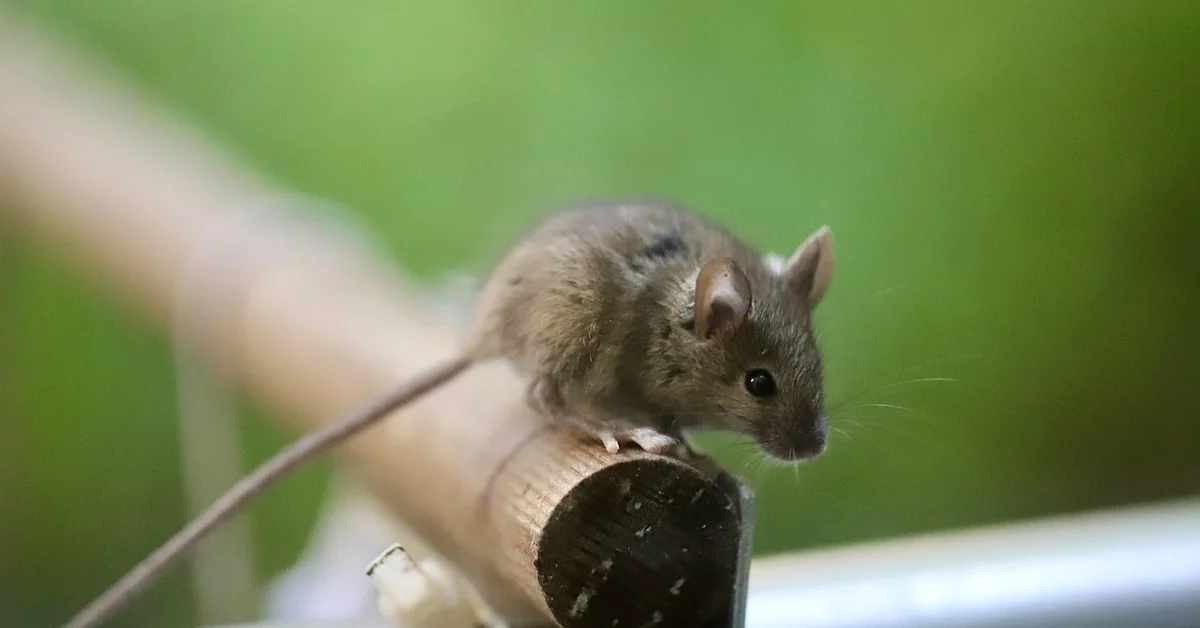
Understanding what mice do in the wild provides the ultimate blueprint for their care in our homes. By replicating key aspects of their natural lives, we can create a captive environment that supports their physical and mental well-being. My three boys-Kenny, Gregory, and Jeffery-constantly show me how their innate instincts shape their needs.
Their role as foragers and seed dispersers in nature translates directly to their need for mental stimulation in captivity. A bowl of food is convenient, but it ignores their deepest drives.
- Implement Scatter Feeding: Instead of a food bowl, hide their daily ration throughout the enclosure. This encourages natural foraging behavior.
- Offer Puzzle Feeders: Use toys that require manipulation to release small treats, engaging their problem-solving skills.
- Rotate Enrichment: Regularly change the layout of their cage and introduce new, safe items to explore, mimicking a dynamic environment.
Their social structure in the wild, often living in complex colonies, informs how we manage their housing. A lonely mouse is an unhappy mouse, as their social needs are hardwired from a life of community and communication. However, not all mice do well in groups—species, sex, and individual temperament matter. This guide explains how to recognize when a mouse should be housed socially or kept solitary and how to provide appropriate care in either case.
- House in Compatible Groups: Keep neutered males or females together, observing for harmonious relationships.
- Provide Ample Space: Ensure the enclosure is large enough for a group to establish territories and retreat for quiet time, just as they would in a burrow system.
- Monitor Social Cues: Watch for gentle grooming (a good sign) versus persistent chasing or barbering (a sign of stress).
Finally, their status as prey animals defines their need for security. An anxious mouse is one that feels exposed and vulnerable, so providing plentiful cover is non-negotiable for their peace of mind. I see this with Jeffery, who is much bolder when he has a clear route between hiding spots.
- Multiple Hideouts: Offer several enclosed shelters, tunnels, and platforms.
- Deep Bedding: Allow for burrowing, a fundamental nesting and hiding behavior.
- Strategic Placement: Position the cage in a quiet area away from loud noises and sudden movements to minimize perceived threats.
Frequently Asked Questions
What is the primary ecological role of mice?
Mice serve as vital connectors in ecosystems, primarily acting as a keystone prey species that supports predator populations like owls and foxes. Their high reproduction rates ensure a stable food source, preventing declines in larger animal groups and maintaining balanced food webs. Additionally, their foraging and burrowing activities indirectly aid in soil aeration and nutrient distribution, reinforcing their importance beyond just being prey.
How do mice benefit plant life in their ecosystems?
Mice unintentionally promote plant growth and diversity through seed dispersal, as they scatter-hoard seeds while foraging, leading to new plant germination in different areas. This behavior helps forests and meadows regenerate by planting seeds in ideal soil conditions, while their forgotten caches contribute to biodiversity. Furthermore, their droppings and buried organic matter enrich the soil with essential nutrients, supporting healthier plant development.
Why should pet mouse owners understand their wild roles?
Knowing mice’s natural behaviors, such as foraging and burrowing, helps owners create enriching environments that meet their pets’ instinctual needs, reducing stress and promoting well-being. This understanding allows for better care practices, like providing hiding spots and scatter feeding, which mimic wild conditions and support mental and physical health. By aligning pet care with ecological roles, owners can ensure their mice thrive in captivity.
Wrapping Up
Mice are far more than just a link in the food chain; they are dynamic contributors to the health of our world, acting as vital seed dispersers and nutrient cyclers. Their constant activity helps shape the very environments we all share, from forests to fields. In agricultural landscapes, many mice have co-evolved with crops, adapting to and influencing seed availability through their feeding and dispersal behaviors. Over centuries these interactions have helped shape both mouse ecology and the plants humans cultivate.
Observing my own curious companions, I see these wild instincts in their foraging and nesting behaviors every single day. Caring for a pet mouse offers a unique window into appreciating these complex, often overlooked, roles. Your journey with your small friend is a special opportunity to connect with the intricate workings of the natural world right from your home.
Further Reading & Sources
- Why Mice Are Vital to the Ecosystem
- Vaughan Mice Control: What Role Do Mice Play In The Ecosystem?
- The Ecosystem Role of Mice: Balancing the Environment and Pest Control Challenges – Toro Pest Management
Isabella is a passionate small pet enthusiast with over 8 years of experience in caring for mice. She loves sharing practical tips and heartfelt stories to help fellow mouse owners provide the best care for their tiny companions.
Mouse Biology & Anatomy