
Chickens and Mice: Do They Attract or Eat Each Other?
Are you concerned that your backyard chickens might be unintentionally inviting mice into their space?
Based on my extensive experience observing mouse behaviors, I’ll help you unravel this common dilemma. This article examines whether chickens attract mice, if chickens kill or eat mice, and how to foster a balanced environment for both.
Do Chickens Actually Attract Mice?
Chickens themselves, with their feathers and curious clucking, are not a direct beacon for mice. A mouse is far more interested in the lifestyle a chicken coop provides than in the birds themselves. In my own experience observing my boys, Kenny, Gregory, and Jeffery, their motivations are almost always centered on food, shelter, and safety. A chicken coop, from a mouse’s perspective, is a five-star resort that just happens to have large, mostly indifferent roommates.
Mice are opportunistic survivors, not hunters of poultry. They see your chickens as a source of incredible convenience, not as prey. The relationship is entirely one-sided. While your flock scratches and pecks, a mouse sees a world of spilled treasure and cozy nesting spotsthat will keep them coming back.
Why Chicken Coops Become Mice Magnets
If you keep chickens, it’s not a matter of *if* mice will find the coop appealing, but *when*. The attraction boils down to three irresistible offers, making them even more appealing than the typical rodents found in homes.
An All-You-Can-Eat Buffet
Chickens are famously messy eaters. This habit creates a perfect, low-effort food situation for mice.
- Spilled Feed: Scattered grains and pellets from feeders or during scattering are an easy feast.
- Constant Supply: Unlike a wild food source, chicken feed is reliably replenished every single day.
- Food Variety: Kitchen scraps given to chickens, like vegetable peels or bread crumbs, add delicious variety to a mouse’s diet.
Prime Real Estate for Nesting
A well-built coop offers everything a mouse family needs to feel secure and raise young.
- Insulation and Bedding: Deep straw or wood shavings are perfect for tunneling and creating warm, hidden nests.
- Structural Hideaways: The spaces between walls, under roosting bars, and in quiet corners provide excellent cover from predators and the elements.
- Warmth in Winter: The collective body heat from a flock of chickens makes a coop significantly warmer than the outside environment.
The Domino Effect of an Infestation
Once a few mice move in, the problem can quickly escalate, creating risks for both your flock and your pet mice if they are housed nearby. They often build nests inside wall cavities, so infestations can grow unseen. Nests in walls also raise the risk of contamination, odors, and structural damage.
- Disease and Parasites: Mice can carry mites and diseases that may transfer to your chickens, compromising their health.
- Feed Contamination: Mouse droppings and urine will soil your expensive chicken feed, forcing you to discard it.
- Structural Damage: To maintain their teeth, mice will gnaw on wood, insulation, and even wiring in the coop, creating fire hazards and costly repairs.
Will Chickens Kill or Eat Mice?
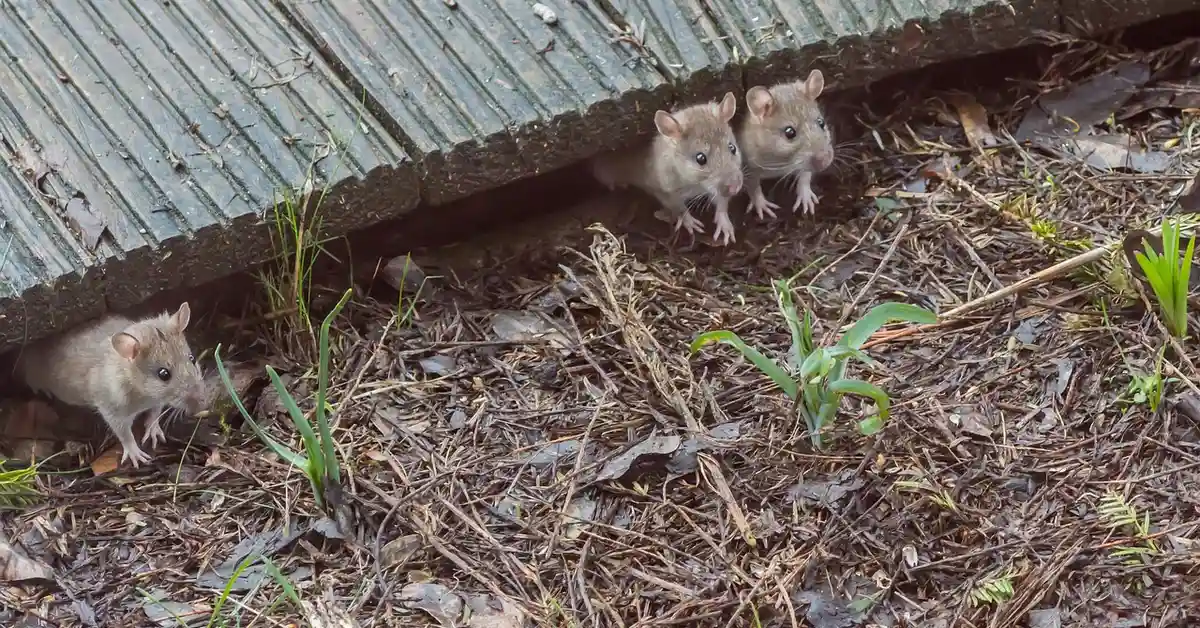
What Happens When Chickens Encounter Mice
Chickens are natural foragers with a strong instinct to peck at small, moving objects. When a chicken spots a quick, darting mouse, its first reaction is often to investigate with its beak. This pecking can be inquisitive, but it can also be predatory. I’ve watched my own chickens chase a field mouse; their behavior is less about hunting and more about opportunistic play. They are not stealthy predators like a cat. The pecking is often too clumsy to be a reliable killing method, and a healthy, agile mouse can usually escape the commotion.
If a chicken does manage to catch and kill a mouse, it will almost certainly eat it. Chickens are omnivores, and a mouse represents a protein-packed snack they won’t refuse. This isn’t a common occurrence, but it does happen. The entire flock may get involved, leading to a chaotic scramble. From my observations, this behavior is driven more by chance and the chicken’s natural pecking reflex than by a calculated hunt.
Can Chickens Serve as Rodent Control?
Relying on chickens to control a mouse population is an unreliable and potentially messy strategy. While a chicken might occasionally eliminate a mouse, they are far from efficient rodent control agents. Their presence can even have the opposite effect. Spilled chicken feed is a powerful attractant, potentially drawing more mice into the area than the chickens could ever hope to dispatch.
Think of chickens as chaotic bystanders rather than trained pest control officers. Their value in this role is minimal and overshadowed by the risk of attracting more rodents with their food. For true rodent management, secure feed storage and proper coop maintenance are infinitely more effective solutions.
Risks of Mice in Chicken Coops for Your Pet Mice
While your pet mice are safe inside their habitat, the wild mice living near your chickens pose a significant indirect threat. The most serious risk is the potential for disease transmission from wild rodents to your domestic pets. Wild mice can carry parasites like mites and illnesses that can be tracked into your home, even without direct contact. I am always meticulous about washing my hands after tending to the chicken coop before I even look at Kenny, Gregory, and Jeffery’s cage.
- Parasite Transfer: Mites and other external parasites can hitch a ride on your clothing or skin from the coop to your pet mice’s enclosure.
- Stress: The mere scent of predators (like chickens) or the sounds of other rodents can cause chronic stress in pet mice, weakening their immune systems.
- Cross-Contamination: Using the same tools or supplies for chicken care and mouse care without proper sanitization is a major pathway for germs.
A seemingly healthy wild mouse can be a carrier of pathogens that are devastating to our more delicate, captive-bred pets. This invisible threat is often the most dangerous one.
Protecting Your Pet Mice When You Have Chickens Nearby
Creating a safe, serene environment for your pet mice is entirely possible, even with a bustling flock of chickens in the backyard. The cornerstone of safety is maintaining strict physical and scent separation between your different animal families. I keep my mice in a separate, quiet room away from the main traffic of the house, which helps buffer them from outdoor commotion and foreign smells.
- Establish a Hygiene Protocol: Always change your clothes and wash your hands thoroughly after any interaction with the chickens or their coop before handling your mice or their supplies.
- Secure Feed and Bedding: Store all your pet mouse food and bedding in sealed, airtight containers to prevent contamination from dust or pests that might originate from the chicken area.
- Manage Chicken Feed Spillage: Be relentless about cleaning up spilled chicken feed. Use feeders designed to minimize waste to remove the primary attractant for wild mice near your home.
- Create a Quiet Zone: Position your mice’s cage in a low-traffic part of your home. This helps minimize their exposure to alarming sounds and scents, keeping my boys Jeffery and Kenny much calmer.
Vigilance and simple routines are your most powerful tools for ensuring your pet mice live a happy, healthy life alongside your other animals. A little foresight prevents a world of worry, letting you enjoy the unique joys of caring for both species.
Preventing Mice from Invading Chicken Coops
Keeping your chicken coop free of uninvited rodent guests is one of the most practical skills you can develop. From my own experience, a clean coop is a happy coop, not just for the hens but for your peace of mind as well. Mice are opportunistic survivors, and a poorly managed coop is like a five-star hotel for them. That’s why taking simple preventive steps can make all the difference when trying to keep mice out of your chicken coop. Seal gaps, store feed securely, and remove nesting materials to deter them.
Signs of a Rodent Problem in the Chicken Coop
Before you can solve a problem, you need to know it exists. Mice are secretive, but they always leave calling cards. Spotting these early warnings is your first and best defense against a full-scale infestation. Knowing when to call in the professionals can make all the difference.
- Droppings: Look for small, dark, pellet-like droppings in corners, along walls, and especially near feed storage. They are much smaller than chicken droppings.
- Pilfered Food: You might notice bite marks on feed bags or scattered feed that seems to vanish overnight. My mouse, Kenny, would be an expert at this if given the chance.
- Nesting Materials: Shredded paper, insulation, dry grass, or feathers gathered in hidden nooks are a sure sign someone is building a home.
- Grease Marks: Mice have oily fur, and they often leave dark smudges along their regular travel paths against walls and beams.
- Unusual Chicken Behavior: Your hens might seem agitated at night or be seen pecking curiously at a specific wall or corner where a mouse is hiding.
- Scratching Noises: Listen carefully after dark for faint scratching or skittering sounds coming from the walls or ceiling of the coop.
Effective Prevention Strategies
Once you know what to look for, you can take proactive steps. Prevention is always simpler and kinder than dealing with an established mouse family. A preventative mouse health guide outlines the signs to watch for and simple measures you can take to reduce risk. Following those steps can stop small issues before they become full infestations.
- Secure Feed Storage: Never leave feed in bags. Transfer it immediately into sturdy, airtight metal bins that mice cannot chew through.
- Manage Spillage: Use a treadle feeder for your chickens, which closes when they step off, or be diligent about cleaning up any spilled feed immediately.
- Eliminate Hiding Spots: Keep the area around the coop clear of tall grass, wood piles, and debris. This removes the protective cover mice use to approach safely.
- Seal Entry Points: Mice can squeeze through a hole the size of a dime. Carefully inspect your coop and use steel wool or hardware cloth to seal any cracks, gaps, or holes you find.
- Maintain Cleanliness: Regularly remove soiled bedding and clean the coop. A clean environment is less attractive and offers fewer resources for rodents.
Can Baby Chickens and Chicks Harm Mice?
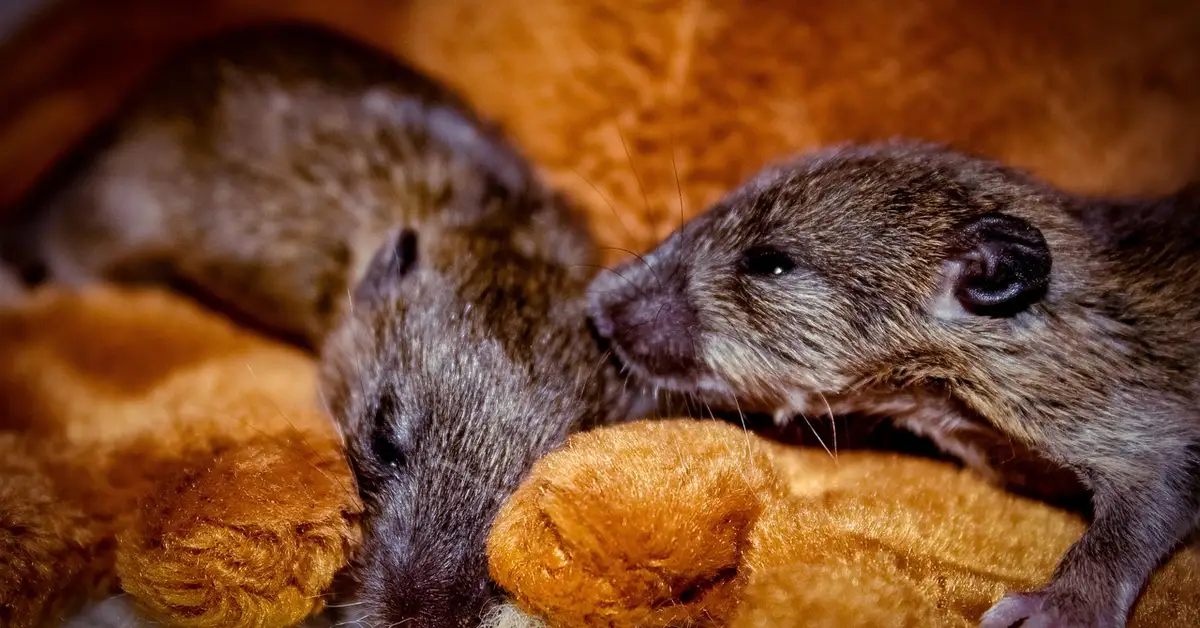
This is a question I’ve pondered while watching my own small, vulnerable pets. The simple answer is no, baby chicks are not a threat to mice. A chick’s world revolves around warmth, food, and staying close to its mother; it lacks the instinct, size, and strength to be a predator.
Chicks are incredibly delicate and often nervous creatures. A curious or bold mouse, like my Kenny, would likely intimidate a chick more than the other way around. The chick’s primary defense is its loud peep to call for help, not a confrontational peck. In any interaction, both the chick and the mouse would be at risk-one from stress and potential injury, the other from a protective mother hen.
It’s a scenario best avoided entirely. The safest environment keeps these two very different types of animals completely separate to ensure the well-being of both.
Frequently Asked Questions
Are mice dangerous to chickens?
Yes, mice can be dangerous to chickens by introducing diseases and parasites, such as mites, that can compromise the flock’s health. They also contaminate chicken feed with droppings and urine, leading to waste and potential illness, and their gnawing can damage coop structures, creating safety hazards.
For pet mouse owners, this underscores the importance of maintaining a clean, mouse-free chicken environment to prevent cross-contamination that could indirectly affect your pet mice through shared pathogens or stress from nearby infestations.
Do chickens like mice?
Chickens do not “like” mice in a social sense; their interactions are driven by instinct rather than affection. They may peck at mice out of curiosity or as a response to movement, but this is typically opportunistic and not a sign of preference.
In a pet mouse care context, this behavior highlights why it’s essential to keep your mice securely housed away from chickens to avoid stress or accidental injury, as chickens’ unpredictable pecking could harm delicate pet mice.
Are mice good for chickens?
No, mice are not good for chickens; their presence often leads to more harm than any potential benefit. While chickens might occasionally eat a mouse for extra protein, this is rare and outweighed by risks like feed contamination and disease spread.
For those caring for pet mice, preventing mice in chicken coops helps safeguard your pets from indirect threats, such as parasites or illnesses that wild mice might carry, ensuring a healthier environment for all animals involved. If you keep mice alongside other pets, take extra precautions to prevent cross-species contact. Secure enclosures and separate feeding areas reduce the risk of disease transmission.
Final Thoughts
While chickens can unintentionally create a welcoming environment for mice with their scattered feed and cozy coops, they are not a reliable form of pest control. Your feathered friends are far more interested in their grain than in hunting, leaving your small companions potentially vulnerable.
Ultimately, the safety of your mice rests on thoughtful, proactive management of their environment and the spaces surrounding it. By staying vigilant with cleanliness and secure food storage, you can foster a peaceful coexistence, ensuring all your animals live happily and healthily.
Further Reading & Sources
- Rats and Mice around Chickens | Keeping Chickens: A Beginners Guide
- r/BackYardChickens on Reddit: Can chickens eat mice?
- Stop Rats and Mice Invading Your Chicken Coop – Your Ultimate Guide – Talking Hens
Isabella is a passionate small pet enthusiast with over 8 years of experience in caring for mice. She loves sharing practical tips and heartfelt stories to help fellow mouse owners provide the best care for their tiny companions.
Mouse-Proofing & Prevention